
Last updated November 25, 2026
 Sweep & inspection
 Caps & crowns
 Flue relining
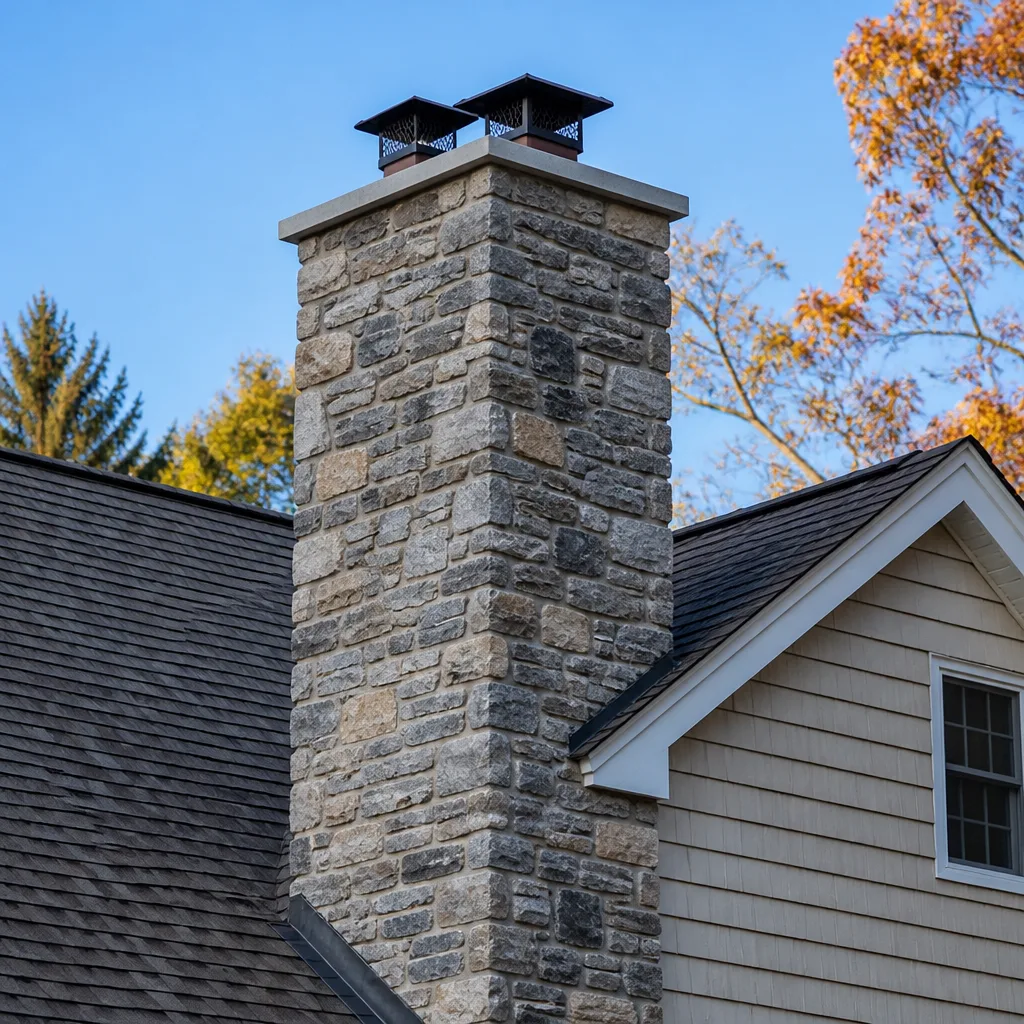 Masonry repair
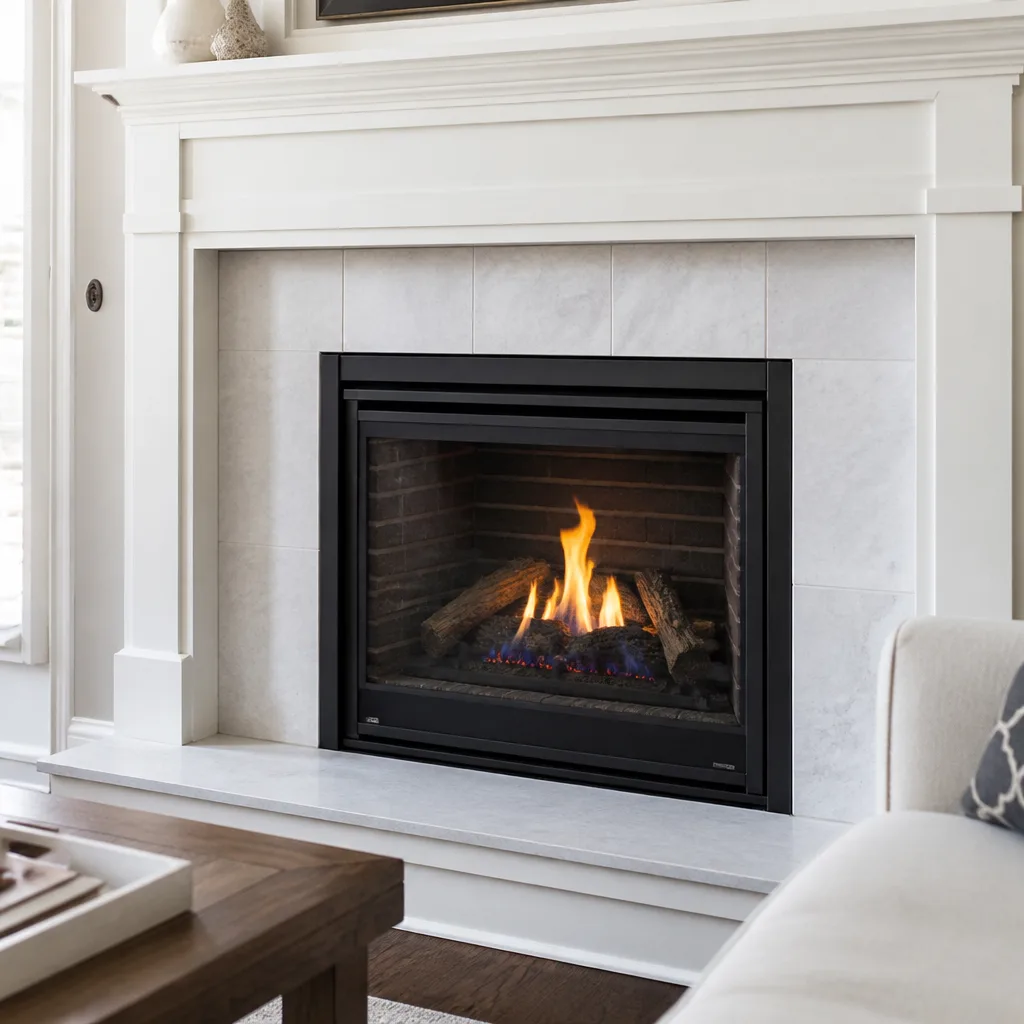 Gas fireplace service
Level 1 sweep and inspection to the NFPA 211 annual standard - flue, crown, cap, and flashing checked and photographed
Chimney sweep logs do not sweep chimneys. They loosen some creosote - which then falls where a brush and vacuum still have to collect it.
Chimney Sweep Maintenance Schedule: What to Do and When
The CSIA recommends annual inspection, and that standard gets quoted everywhere. But it was written for homes burning three or more cords of wood every winter. A typical Aliso Viejo household burning 15 to 20 fires a year is not that home, and treating a single yearly sweep as a full maintenance plan leaves real gaps. What you actually need is a task-based calendar built around Southern California’s burn season, one that tells you what to check in September, what to watch for in January, and what to do after a windy October night. This guide builds that calendar, month by month, for your entire chimney system, not just the flue.
Quick Answer
In Aliso Viejo, schedule a professional sweep and Level I inspection every fall before your first fire, and add a second mid-season sweep if you burn more than a cord of wood or notice heavy soot. Homeowners burning 15 to 20 fires per year usually need one sweep, but gas inserts, wood stoves, and open-hearth fireplaces each run on a different checklist. Between professional visits, monthly self-checks of the cap, damper, and visible flue catch most problems before they become repairs.
Styles & brands we work with
- Sweep & inspection
- Caps & crowns
- Flue relining
- Masonry repair
- Gas fireplace service
Table of Contents
- Why a Single Annual Sweep Falls Short
- The Aliso Viejo Burn Season: October Through March
- Month-by-Month Maintenance Calendar
- What You Can Check Yourself vs. What Needs a Professional
- Maintenance Cadence by Fuel Type: Wood, Gas, and Pellet
- How to Track Creosote Accumulation and Know If You Need a Second Sweep
- Post-Storm Inspection Checklist for Santa Ana Winds
- Keeping Records for Insurance and Home Sales
Why a Single Annual Sweep Falls Short in Aliso Viejo
A sweep removes what has already built up. It does not tell you how fast it built up, what caused it, or what changed in your system since last winter. That distinction matters in Aliso Viejo, where fireplaces are used in short, concentrated bursts during a mild burn season rather than the sustained, months-long heating routine of colder parts of the country. A chimney that sees 15 fires a year and a chimney that sees 150 both get the same annual recommendation. Only one of them actually needs it.
We’ve seen the pattern on both ends. Some Aliso Viejo homes go years between fires and still develop a cap that has rusted through or a damper that no longer seats properly. Others burn regularly through the cool months and build creosote faster than the calendar would predict. A maintenance schedule accounts for both: it’s a set of recurring tasks timed to your use, not a single appointment penciled in whenever you remember to book it.
Building a real schedule also gives you documentation. When a home sale, an insurance review, or a refinance inspection comes up, a dated record of what was cleaned, what was inspected, and what was repaired is far more useful than a receipt for one sweep from three years ago.
The Aliso Viejo Burn Season: October Through March
Aliso Viejo’s fireplace season runs roughly October through March, driven less by hard freezes than by cool evenings and the occasional cold snap that rolls through the foothills. Fires tend to cluster in December and January, then taper off as spring warms. That gives you a clean, predictable window to work with: prep in September and early October, burn through the winter, and close out the system in April once the last fire has burned down.
Warm-season months matter just as much, though the work changes. April through September is when water intrusion, pest activity, and storm damage get addressed. It’s also when most homeowners never think about their chimney at all, which is exactly why problems found in the fall often started over the summer.
One other local factor: October is the start of Santa Ana wind season. Those dry, gusty events can work a loose cap or shake debris into the flue before you have had your first fire of the year. Building a post-wind check into your October routine catches it before the first burn. Our team covers the whole system across a typical season, from the Chimney Sweep Aliso Viejo visit that opens the year to any repair work that inspection turns up.
Month-by-Month Maintenance Calendar
Here is the working calendar we recommend for an Aliso Viejo home with a wood-burning fireplace. Adjust the frequency if your use is heavier or lighter than the 15 to 20 fires per year typical of a casual household.
- September: Book your pre-season chimney sweep and Level I inspection. Walk the exterior for visible cap or crown damage before the appointment so you can point it out.
- Early October: Confirm your cap is secure and intact. Check that the damper opens and closes fully. Clear any leaves or debris from the firebox and the top of the smoke shelf.
- Late October: After the first Santa Ana wind event, look for a dislodged cap, cracked crown, or debris on the roof. If anything looks off, call before the first fire.
- November: Burn season begins. Watch the first few fires for weak draft, smoke spillage, or unusual odor. These are early signals of a blockage or a damper that no longer seats.
- December and January: Peak use. Check the firebox for creosote buildup every few weeks, especially if you’re burning resinous wood or damp fuel.
- February: Mid-season assessment. If you’ve burned through a cord or more, or the firebox shows heavy soot, schedule a second sweep before the final stretch of the season.
- March: Last fires of the year. Note any draft issues or odd smells that showed up during the season so the spring inspection can address them.
- April: End-of-season inspection and any repair work. This is the right time for a chimney repair before warm-season storms test the system further.
- May through August: Address water intrusion, cap and crown issues, and any masonry concerns while the system is idle. Keep an eye out for birds or insects nesting in an uncapped flue.
What You Can Check Yourself vs. What Needs a Professional
There’s a real line between what a homeowner can safely inspect and what requires a trained eye with proper equipment. Knowing that line keeps you from missing something that matters without putting you on a ladder or in contact with a hazardous component.
What you can check yourself each fall
- Cap condition: From the ground, look for rust, missing fasteners, or a cap that appears tilted or displaced. A loose cap lets water, birds, and debris straight into the flue. This is the most common cause of water damage we see on Aliso Viejo chimneys.
- Visible liner from the firebox: Shine a light up the flue from the firebox. You’re looking for cracked tiles, gaps, or heavy, glazed creosote. You won’t see the full length, but obvious damage at the bottom is worth reporting.
- Damper operation: Open and close it fully. It should move without sticking, and it should seal reasonably well when closed. A damper that won’t seat means heat loss and a pathway for smoke into the room.
- Firebox and smoke shelf: Clear ash and debris, and check the firebox walls for spalling or cracks.
What requires a professional Level I inspection
A Level I inspection covers the readily accessible portions of the chimney and venting system, and it relies on proper lighting and a trained eye for what’s normal versus what’s failing. It’s also the only reliable way to judge creosote thickness deeper in the flue, confirm that liner joints are sound, and spot deterioration that hasn’t yet shown itself at the firebox. If your home has had a chimney fire, a change in fuel type, or a long stretch without service, a higher-level inspection using a camera may be warranted. Ask for one if the history is unclear.
Maintenance Cadence by Fuel Type: Wood, Gas, and Pellet
Not every fireplace needs the same schedule. The fuel you burn changes what accumulates, how fast, and what the annual task list looks like. Homeowners often assume a gas insert needs no service at all. That’s not the case.
Wood-burning fireplaces and stoves
- Annual sweep and Level I inspection before the first fire of the season.
- Monthly self-check of creosote buildup in the firebox during peak months.
- Second sweep mid-season if you burn more than a cord or see heavy accumulation.
- Spring check of cap, crown, and flashing before the warm season.
Gas fireplace inserts and log sets
- Annual service to clean burners, check the pilot and igniter, and verify venting.
- Inspect the glass, gaskets, and seals each season. A failing gasket lets exhaust into the room.
- Check the exterior termination and vent cap for obstruction or insect activity.
- Gas work is not a homeowner task. If you smell gas or the pilot won’t stay lit, call a qualified technician right away.
Pellet stoves
- Empty and clean the ash pan regularly through the season, more often during heavy use.
- Annual service to clean the vent, inspect the auger and blower, and check the door gasket.
- Check the vent termination each fall for buildup or blockage.
The one common thread: every fuel type benefits from a spring inspection while the system is idle. That’s when problems are cheapest to fix and easiest to see.
How to Track Creosote Accumulation and Know If You Need a Second Sweep
Creosote builds at different rates depending on what you burn and how you burn it. The national “one sweep per year” standard assumes a certain fuel load that most Aliso Viejo households never reach. Rather than guessing, track a few variables and let them tell you whether one sweep is enough.
Start with your fuel. Seasoned hardwood burns cleaner than damp or green wood and produces less creosote per fire. Resinous softwoods produce more. Note how many fires you actually burn in a season, then add the qualitative signs: a firebox that feels gritty or shows shiny, glazed patches, a fire that struggles to draft, or an odor that lingers when the fireplace is cold. Those are signals that buildup is faster than the calendar suggests.
In our experience, a household burning a cord or more, or burning regularly through December and January, typically wants a mid-season sweep. A home burning 15 to 20 fires a year with seasoned wood usually does fine on one. When we sweep, we can tell you what we found and what it says about your burn habits, so the next season’s schedule gets more precise. Camera inspection and a photo report come with the visit, so you see exactly what we saw.
If sweeping reveals cracks or spalling in the flue lining, resurfacing may be a better option than a full liner replacement. HeatShield is a cast-in-place resurfacing product applied by trained technicians to restore a deteriorated flue from the inside, and it’s the kind of repair-tier work a sweep-only service can’t offer. We’re authorized to work with and install HeatShield, along with DuraFlex liner systems, Gelco and Famco caps, and Olympia Chimney components, so the right material is chosen for the condition rather than forcing one solution onto every job.
Post-Storm Inspection Checklist for Santa Ana Winds
Santa Ana events bring dry, gusty wind through the canyons and foothills around Aliso Viejo. The most common result on a chimney is a dislodged or damaged cap, debris blown into the flue, or a crown that takes a hit. A short walk-around after a strong wind event catches most of it before it turns into water damage or a blocked flue.
- From a safe vantage point at ground level, check the cap. Look for missing fasteners, a shifted position, or visible rust-through.
- Scan the crown for new cracks or chipped edges. A cracked crown channels water straight into the masonry.
- Look for branches, leaves, or debris sitting on top of the cap or around the flue opening.
- Open the firebox and shine a light up the flue. Fresh debris or an unusual amount of soot at the smoke shelf can signal something worked its way down.
- Test the damper. A damper that moved freely before the storm and now sticks may have debris lodged in the throat.
- If anything looks off, don’t light a fire until a professional has looked at it. A blocked or damaged flue is a safety issue, not a cosmetic one.
Water intrusion is the slow-mover. A cap knocked loose in October can let in enough water over a wet winter to degrade the crown and start spalling the flue. Cap and crown work is the single most protective investment you can make in your chimney, and it’s worth confirming both are intact each fall before the rains settle in.
Keeping Records for Insurance and Home Sales
A maintenance schedule is also a paper trail. Keep a simple file with the date of each sweep, the inspection findings, and photos of any repair work. If your homeowner policy ever comes up for review, or you’re preparing to sell, that file answers the questions a buyer or adjuster will ask without a scramble to reconstruct history.
Ask for a written inspection report with photos each time. A camera inspection and photo report included with the visit gives you documented evidence of the flue’s condition at a specific date, which is exactly the kind of record that holds up when someone else needs to verify it. A flat-price sweep agreed before booking also keeps your records clean: you know what you paid for and what was done.
For sale prep, a recent inspection and sweep dated within the current season is the most useful. If any repair work was done, keep the description of the material used. A buyer’s inspector will ask whether the liner is original or replaced, and a record that names the system (DuraFlex, HeatShield, or whichever was applied) answers that clearly.
Common Mistakes to Avoid
- Treating the annual sweep as the whole plan. The sweep is one task in a schedule. Without the fall cap check, the mid-season creosote look, and the spring inspection, you’re missing the steps that prevent repairs.
- Skipping the fall check because you skipped last season’s fires. An Aliso Viejo chimney that sat idle through a mild winter can still have a rusted cap or a nest in the flue. Idle doesn’t mean intact.
- Assuming a gas insert needs no maintenance. Gas fireplaces still need annual service on burners, venting, and gaskets. A blocked vent on a gas appliance is a carbon monoxide concern, not just a performance one.
- Ignoring the cap until water shows up inside. By the time you see staining on the ceiling, water has usually been entering for a while. Check the cap each fall before the rains, not after.
- Burning damp or unseasoned wood. Wet fuel burns cooler and deposits creosote faster, which can take your one-sweep season to a two-sweep season without you realizing it.
- Not documenting anything. A receipt without findings, or no receipt at all, leaves you starting over the next time someone needs proof of service.
- Letting a chimney fire go unreported. If you’ve had one, even a small one, tell the technician. It changes what the inspection needs to look at.
See the difference
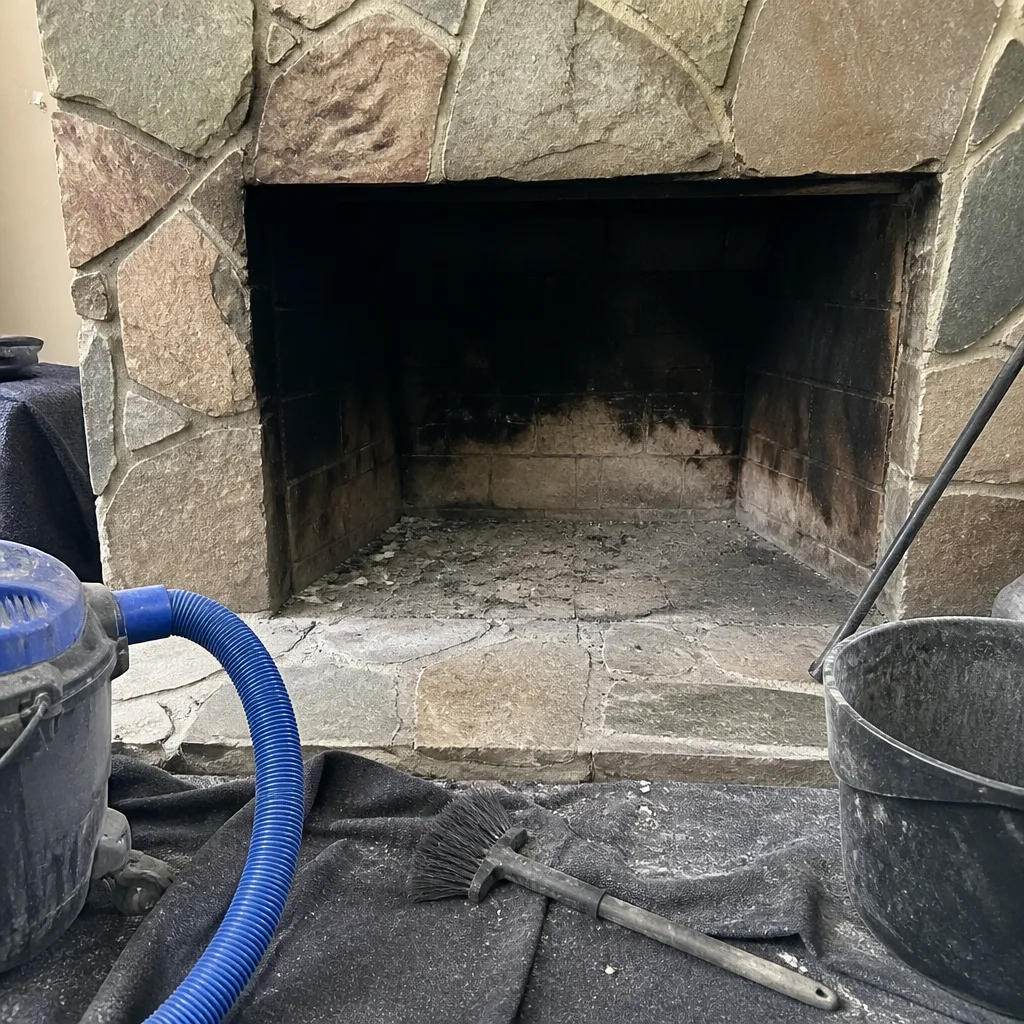 Before
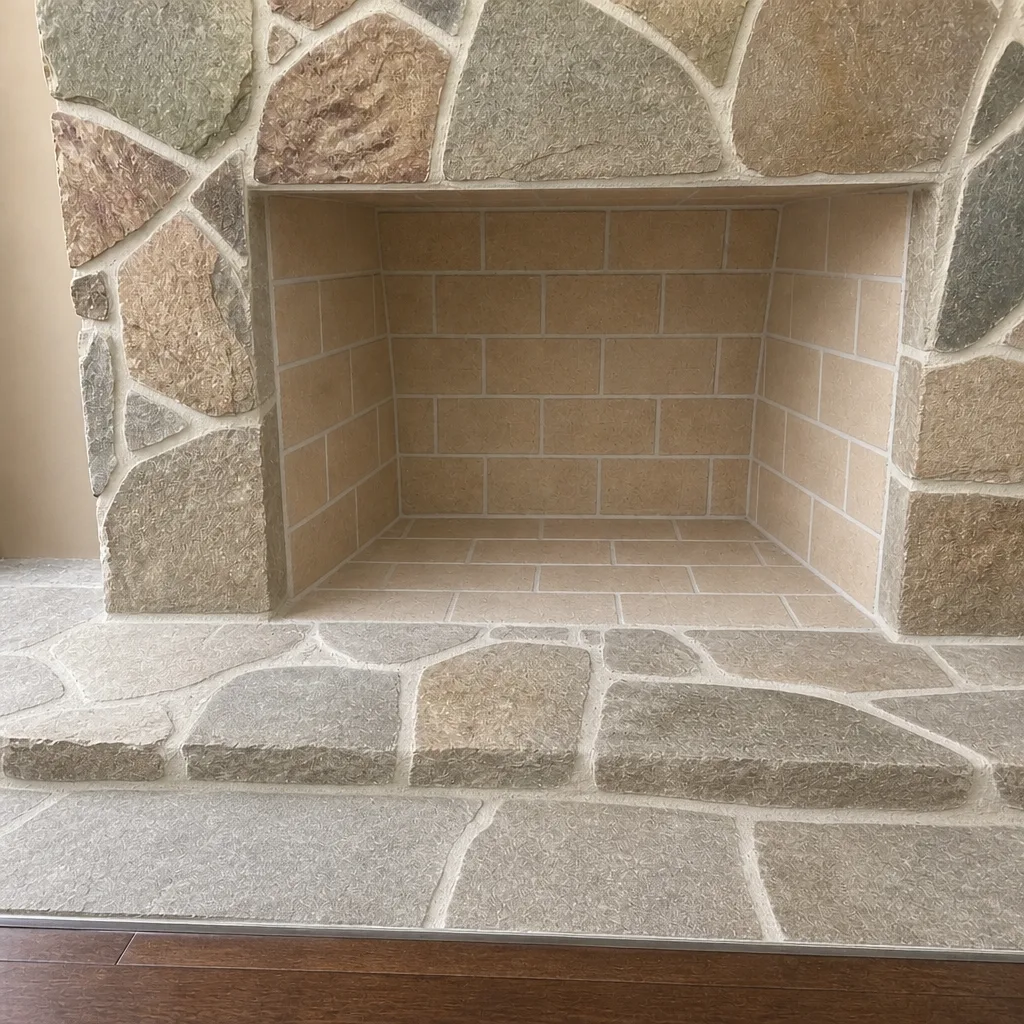 After
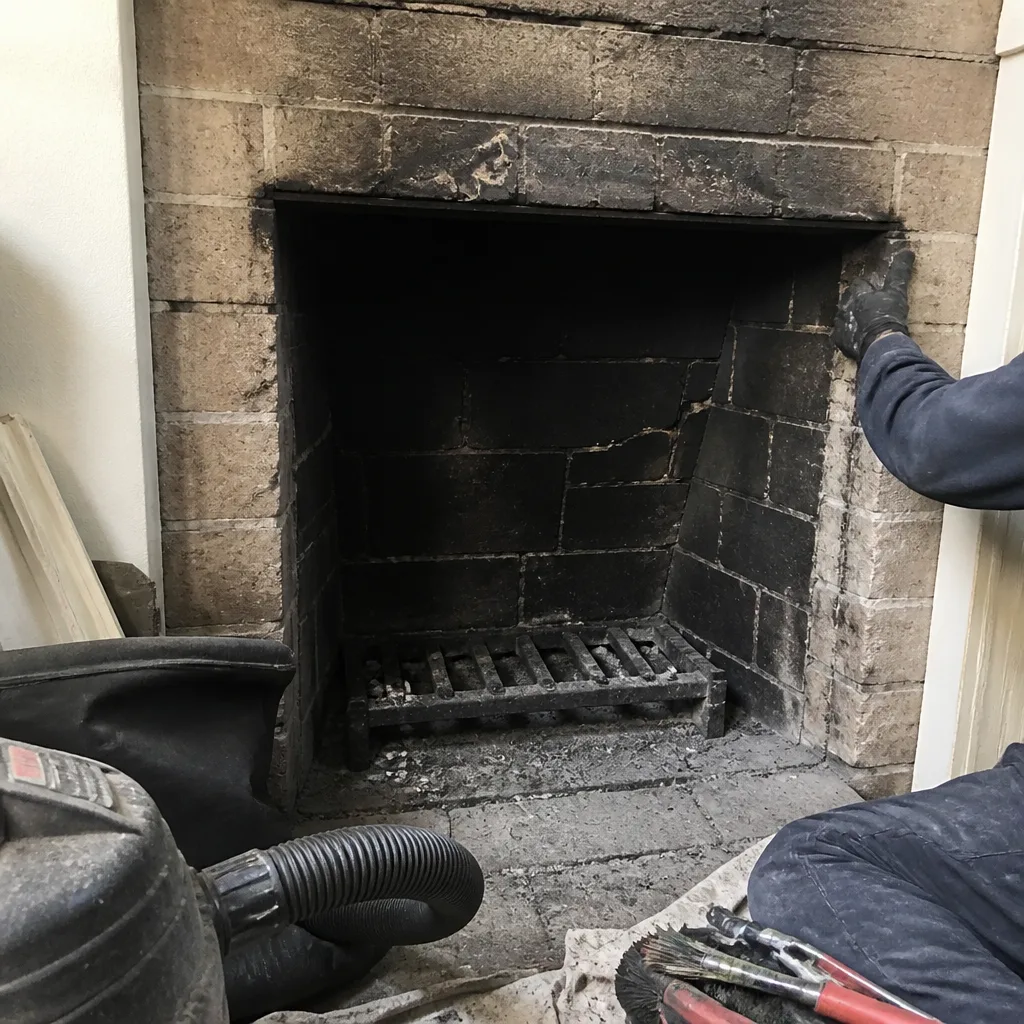 Before
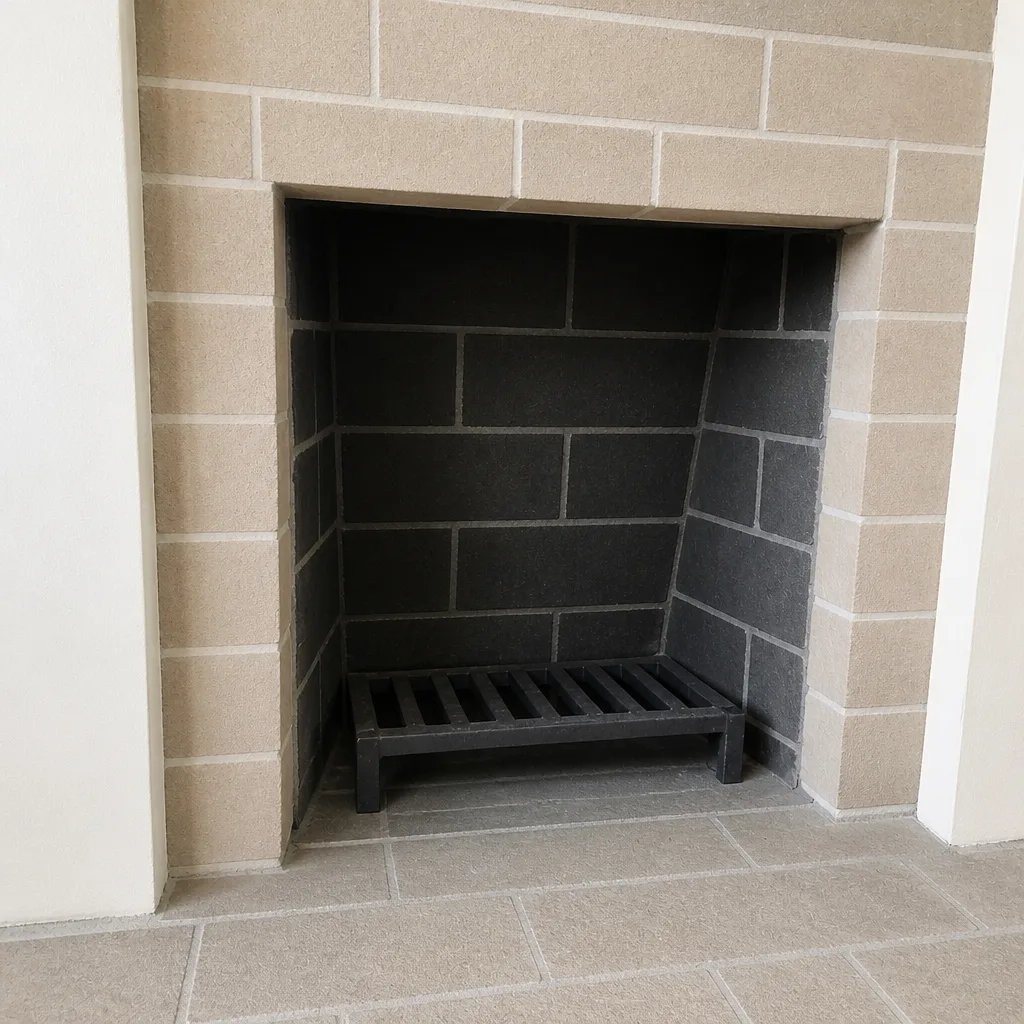 After
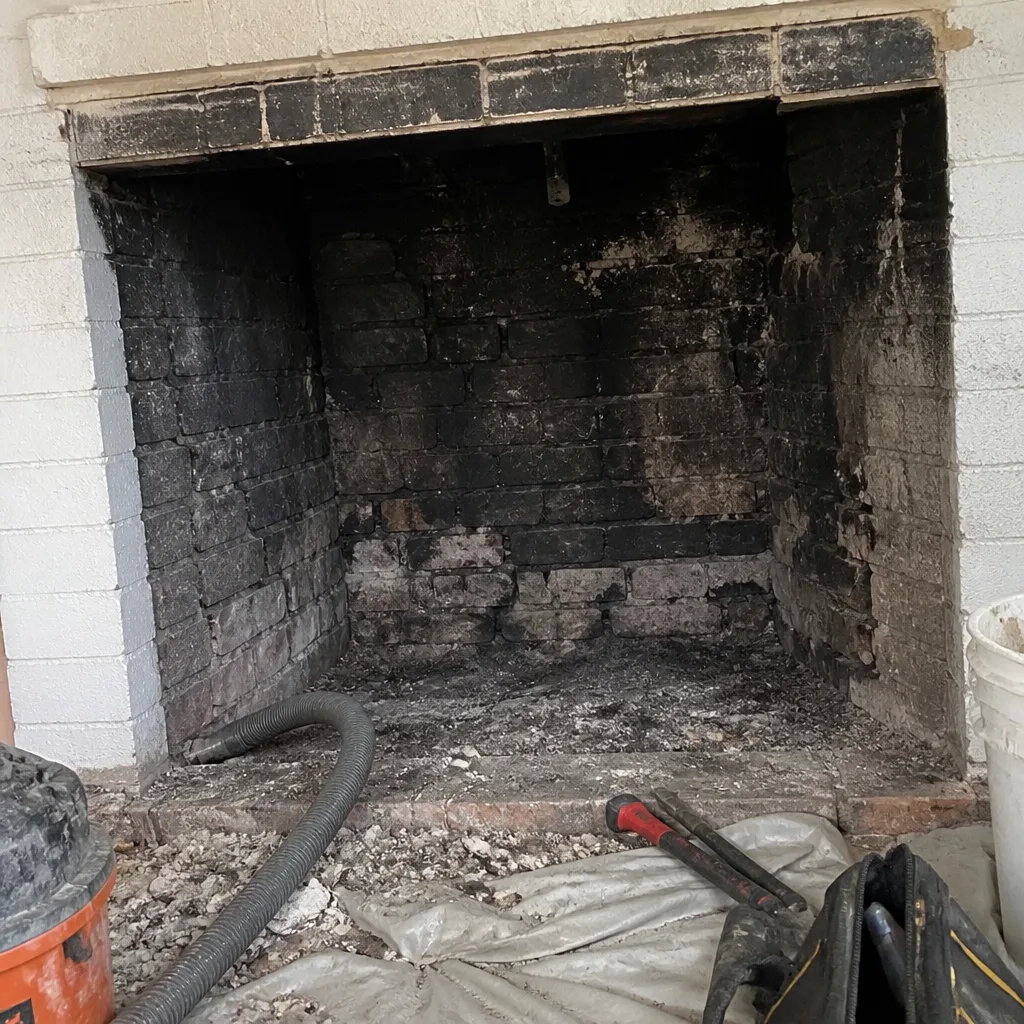 Before
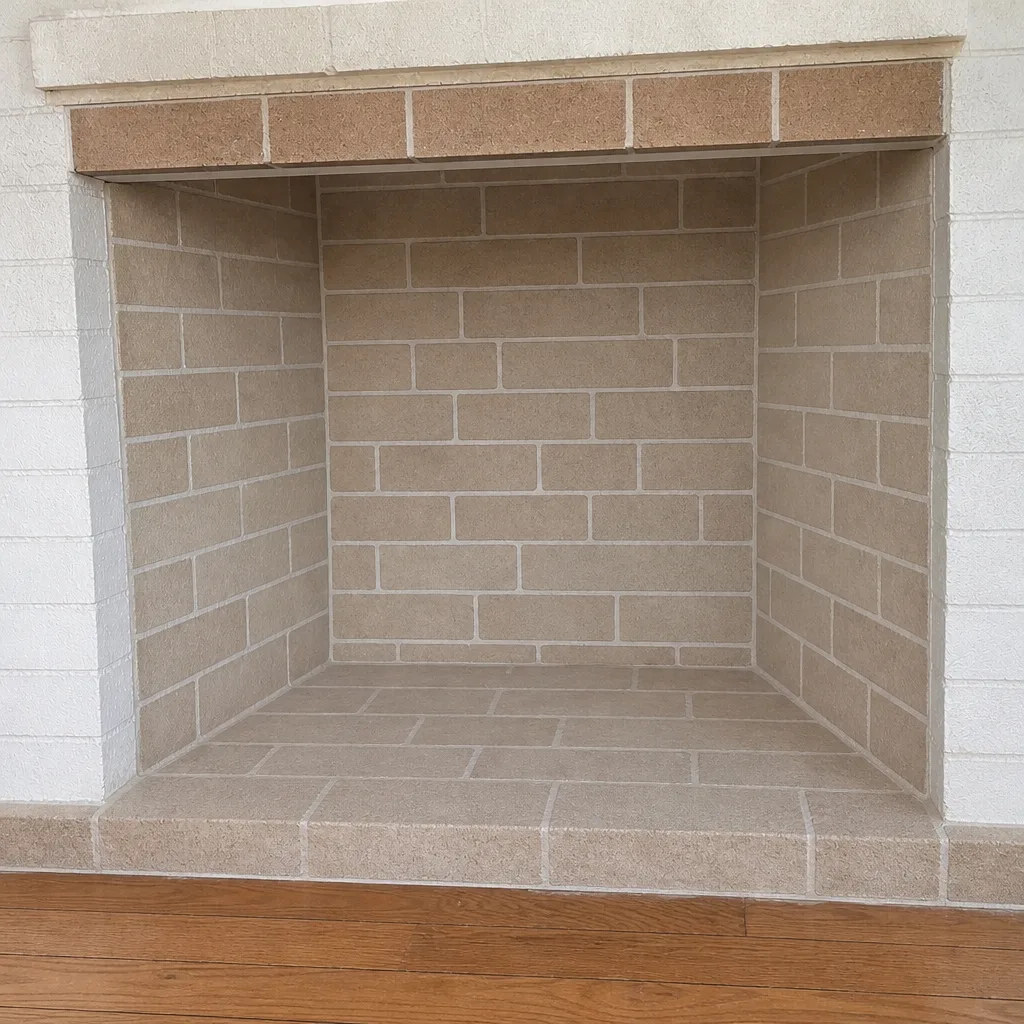 After
When to Call a Professional
Call a professional when the first fire of the season produces smoke spillage, weak draft, or an unusual smell; when the cap looks loose or the crown shows new cracks; when you smell gas near a gas fireplace; or when you’ve had a chimney fire, even a small one. Also call if it’s been more than a year since your last inspection, if the liner shows cracks from the firebox, or if you’re preparing a home for sale and want current documentation. A trained technician should handle anything involving the flue lining, the cap and crown, or the gas components. Chimney Sweep Aliso Viejo offers free estimates in Aliso Viejo. Call (833) 482-6109. We answer 24/7. Fast dispatch from 7am to 7pm, Sunday through Friday.
Frequently Asked Questions
Most Aliso Viejo homes need one sweep and inspection per year before the first fire of the season, with a second mid-season sweep if you burn more than a cord of wood or see heavy creosote. Casual households burning 15 to 20 fires a year usually do fine on one. Call (833) 482-6109 for an exact quote; estimates are free.
September or early October is the best window, because it gets the system ready before the October through March burn season and ahead of the first Santa Ana wind events. Booking before the season starts also leaves time for any repair work the inspection turns up.
Yes, an annual Level I inspection is the baseline for any chimney you actually use, and it’s the only reliable way to catch liner deterioration and creosote depth that a firebox glance won’t reveal. If the history is unclear or you’ve had a chimney fire, a higher-level camera inspection may be warranted instead.
Yes, a gas insert needs annual service on the burners, pilot, venting, and door gaskets. Gas appliances vent combustion gases, and a blocked or failing vent is a carbon monoxide concern. Don’t service the gas components yourself; call a qualified technician if you smell gas or the pilot won’t stay lit.
Check the cap for looseness or damage, scan the crown for new cracks, look for debris on the cap and in the flue, and test the damper. If anything looks off, don’t light a fire until a professional inspects it. Call (833) 482-6109 for an exact quote; estimates are free.
Yes, we include camera inspection and a photo report with the visit. Keep those reports with your maintenance records; they give a buyer or adjuster dated evidence of the flue’s condition and any work performed.
The Bottom Line
The national “annual sweep” standard is a minimum, not a plan. For an Aliso Viejo household burning 15 to 20 fires a season, the real schedule is a fall sweep and inspection, a secured cap and working damper before the first burn, a mid-season creosote check, a post-Santa Ana wind walk-around, and a spring inspection while the system sits idle. Track your fuel and fire count so you know whether one sweep or two fits your year. Keep the reports. And treat the cap and crown as the protective front line against water damage. One call covers your sweep, your inspection, your cap, and your crown.
Call Chimney Sweep Aliso Viejo at (833) 482-6109 for a free estimate and to book your season. We answer 24/7. Fast dispatch from 7am to 7pm, Sunday through Friday.
Written by the team at Chimney Sweep Aliso Viejo.