
Last updated November 25, 2026
 Sweep & inspection
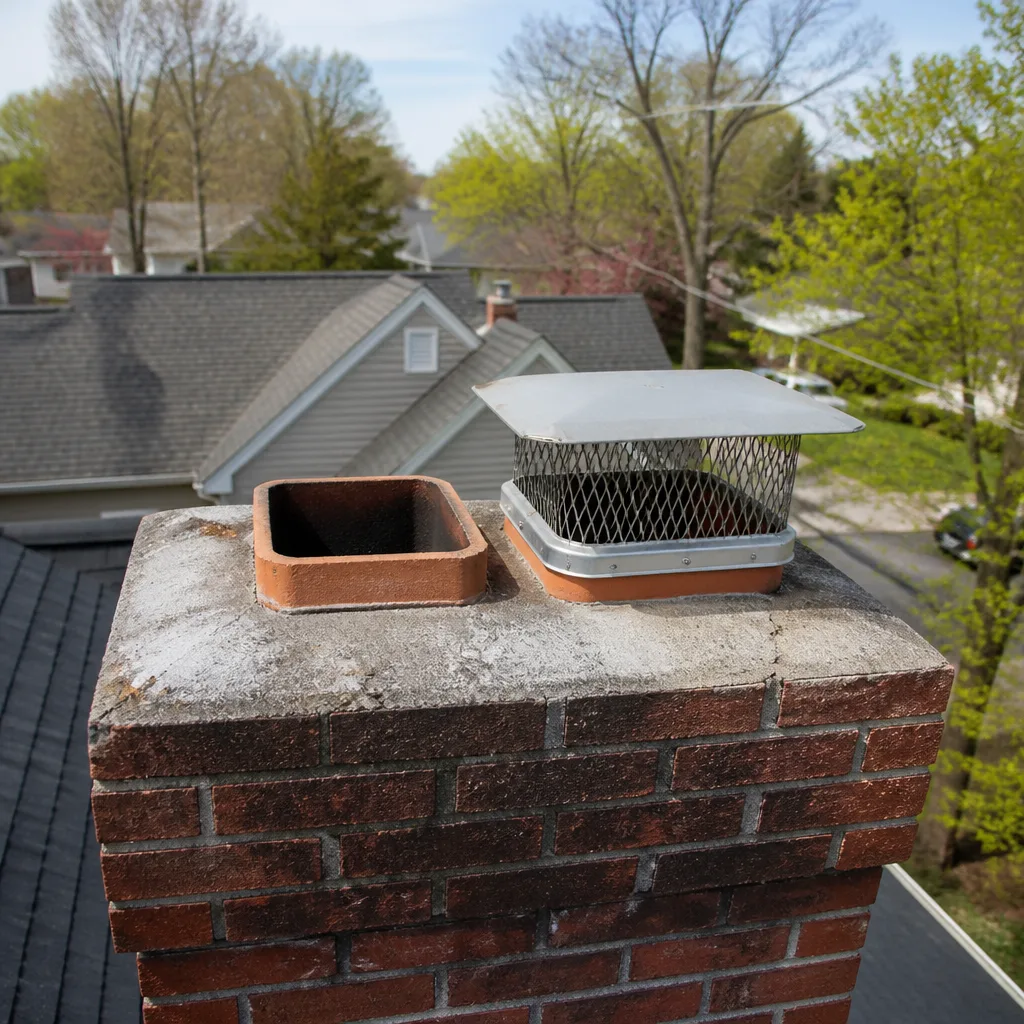
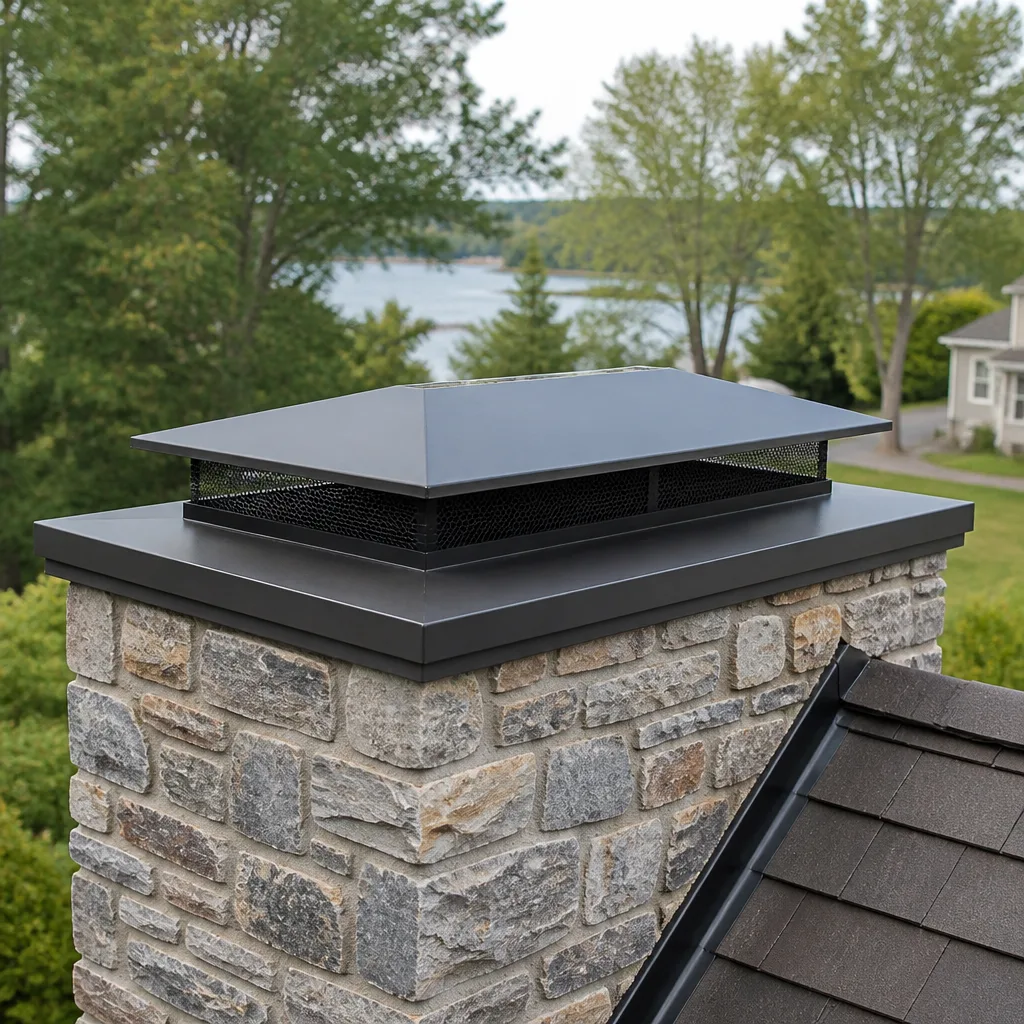 Caps & crowns
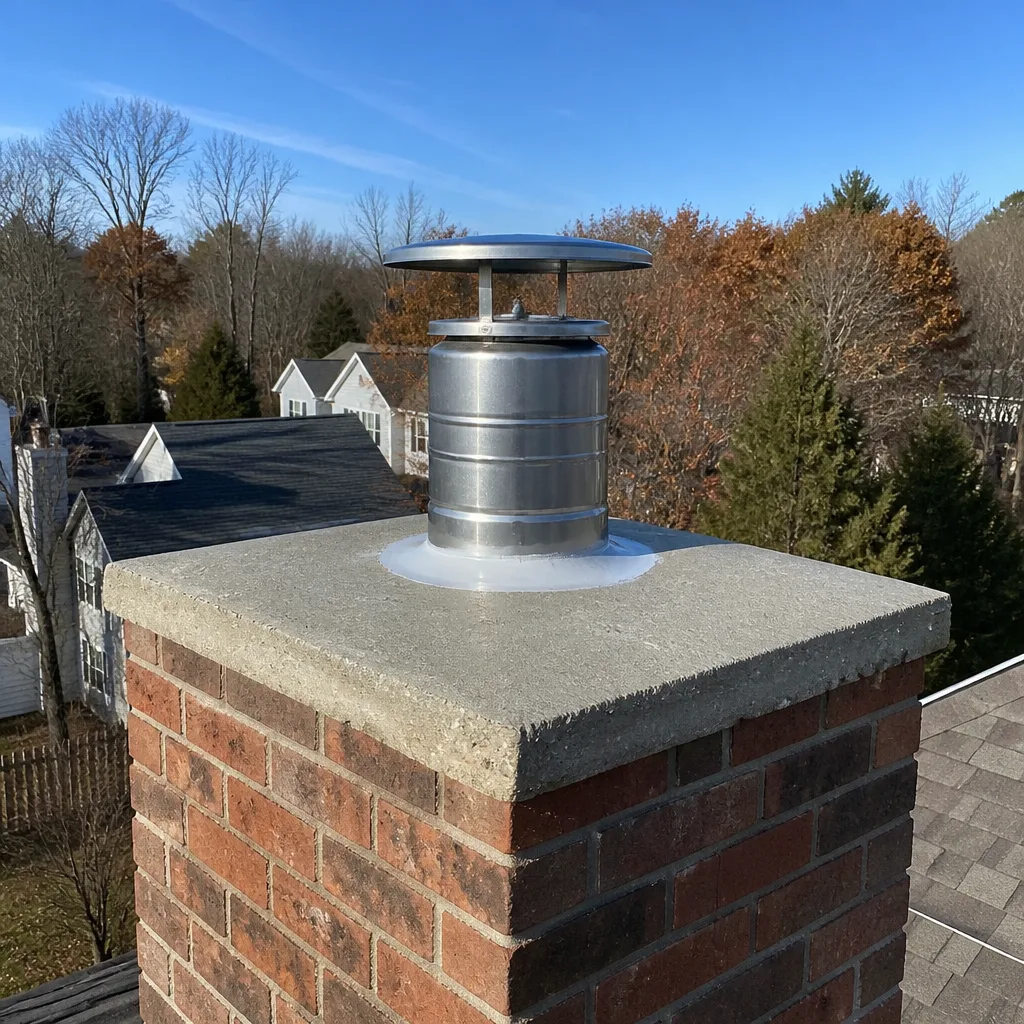 Flue relining
 Masonry repair
 Gas fireplace service
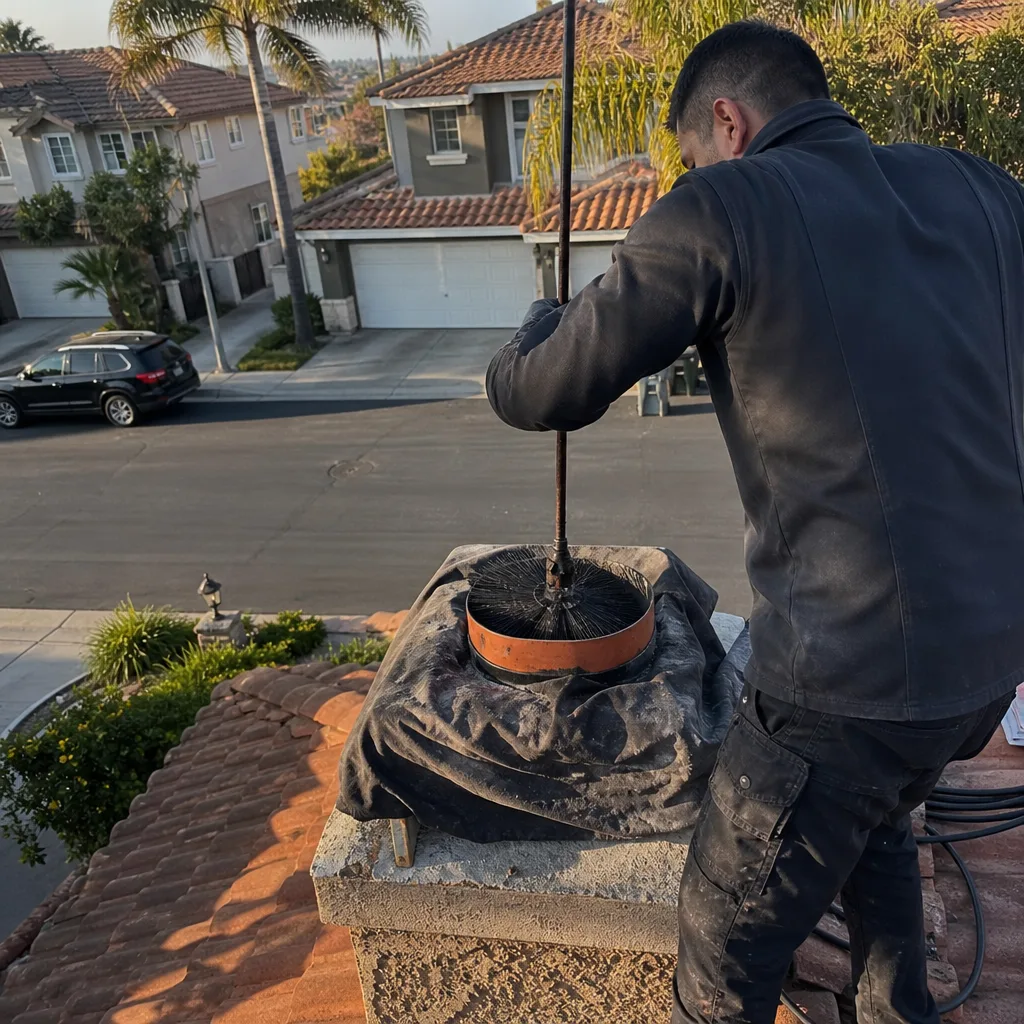
Level 1 sweep and inspection to the NFPA 211 annual standard - flue, crown, cap, and flashing checked and photographed
Chimney sweep logs do not sweep chimneys. They loosen some creosote - which then falls where a brush and vacuum still have to collect it.
The Complete Guide to Chimney Cleaning in Aliso Viejo
Most Aliso Viejo homeowners figure their fireplace gets used too little to need much attention. A handful of cool nights each winter, maybe a few holiday fires, and the rest of the year dark. Surely that light use keeps the chimney clean; surely the real soot problems belong to people in cold climates who burn wood every day. In our experience with chimney systems, the opposite often holds. Light, smoldering fires in mild air are frequently the ones that leave the most stubborn deposits because the fire never gets hot enough to burn clean. What follows is a full, practical guide to what chimney cleaning in Aliso Viejo really involves, how the local climate shapes the work, and how you can verify the job was done right.
Quick Answer
A chimney cleaning in Aliso Viejo removes soot and creosote from the flue, smoke chamber and firebox, and it should always be paired with an inspection that assesses the liner, cap and crown for damage. For most homes that see regular fireplace use, a sweep and inspection once a year before the burning season is the baseline. Mild regional winters and occasional wildfire smoke events make deposits build differently here than in cold climates, so the inspection matters as much as the brush.
Styles & brands we work with
- Sweep & inspection
- Caps & crowns
- Flue relining
- Masonry repair
- Gas fireplace service
Table of Contents
- Why Aliso Viejo Chimneys Need More Than a Simple Sweep
- The Creosote Problem in a Mild Climate
- What a Full Chimney Cleaning Actually Involves
- Wildfire Smoke, Ash, and the Non-Burning Season
- The Materials and Tools a Qualified Specialist Brings
- How to Verify the Cleaning Was Actually Completed
- How Often Should a Chimney Be Cleaned?
- Common Mistakes to Avoid
Why Aliso Viejo Chimneys Need More Than a Simple Sweep
A chimney is an engineered system, not an accessory bolted to a fireplace. It is designed to carry combustion gases up and out while keeping heat away from the framing of your home, and every part of that system has a job. The flue handles the smoke path. The smoke chamber smooths the transition from the firebox up into the flue. The cap keeps water and animals out of the top, and the crown sheds water away from the chimney structure itself. When one part of that system is neglected, the others start to fail. This is why we inspect the whole chimney, not just the flue.
In Aliso Viejo, the need for real chimney care often gets lost because the heating season feels short. A lot of homes here were built with fireplaces as a centerpiece of the living space, and homeowners rightfully value them. But those fireplaces still need the same documented maintenance that a cabin in the mountains would get. Soot deposits act as a sponge for creosote. Small cracks in the flue lining let combustion byproducts seep into the wall cavity. A loose cap lets driven rain in, and repeated damp cycles slowly compromise the flue structure. None of these fail overnight, which is exactly why regular assessment is so useful. Problems caught early are cheap to fix; problems ignored become structural.
The practical takeaway: in Aliso Viejo, cleaning should always be paired with inspection. A brush alone tells you the flue got swept. It doesn’t tell you whether the liner is sound, whether the crown is shedding water correctly, or whether an animal has gotten past the cap during the off-season. Your entire chimney system, not just the flue, is what keeps the fireplace safe to use. If you’re overdue, a proper Chimney Sweep Aliso Viejo visit is a good starting point to get a baseline read on the system’s condition.
The Creosote Problem in a Mild Climate
Creosote is the dark, tar-like residue that condenses out of wood smoke as it cools on its way up the flue. It forms in stages. A first-stage deposit is dusty and flaky, easy to brush away. Second-stage creosote is crusty, darker, and harder to remove. Third-stage creosote has glazed into a shiny, hardened shell that bonds to the flue surface and is difficult to remove with a standard brush. The stage that forms depends on how hot the fire burns and how quickly the smoke cools.
Cold-climate homes often run hot, sustained fires through long winters, and those fires tend to produce more complete combustion. The flue stays warmer, deposits form but often stay in the early stages, and a regular brush keeps up with them. Aliso Viejo’s climate behaves differently. Winters are mild, so fires tend to be shorter, smaller, and frequently smoldering. A cool, smoldering fire produces more unburned material in the smoke, and a flue that isn’t hot drives those compounds to condense quickly. The result is that even a light-use fireplace can build stage-two creosote faster than you’d expect.
What you can do about it:
- Burn seasoned, dry wood. Wet or green wood produces far more vapor that condenses as creosote.
- Build a small, hot fire rather than a large, slow one. Hotter exhaust carries more of the byproducts out.
- Keep the damper fully open while the fire is burning so the smoke exits with less time to cool on the flue.
- Get the flue evaluated before the burning season, so any glazed deposits get caught before another year builds on top of them.
Third-stage glazed creosote can’t be safely brushed off. It has to be addressed at the surface level, which is where a specialist with the right materials matters. It’s also a fire risk when it builds to thickness, because the fuel is sitting directly in the smoke path. If we see glazing on the flue, we document it on camera and explain the options honestly, including when a resurface is appropriate and when the flue can simply be monitored.
What a Full Chimney Cleaning Actually Involves
A proper cleaning goes well past running a brush up the flue. In our experience, a thorough job on an Aliso Viejo home follows a sequence, and each step documents what’s found so you have a record for insurance or a future home sale. Here’s the typical order of work:
- Set up the work area. Drop cloths and containment keep soot and dust out of the living space, and a shop vacuum with a proper filter handles the fine particulate as the work proceeds.
- Inspect before sweeping. We look at the firebox, damper, smoke chamber, and flue with a camera, noting cracks, gaps, obstructions, and the level of creosote present. Inspect before you sweep; it’s the only way to know what you’re dealing with.
- Sweep the flue. The flue is brushed with the appropriate tool for the liner type and the deposit stage, top-down or bottom-up depending on access and the system.
- Scrape and vacuum the smoke chamber. The smoke chamber above the damper is often where the most stubborn deposits collect. It gets scraped down to the masonry and vacuumed clean.
- Clean the firebox and damper. Soot, ash, and debris come out of the firebox, and the damper gets checked for proper movement and seal.
- Re-inspect after the sweep. A second camera pass confirms the deposit was actually removed, and any liner issues that brushing revealed get documented with photos.
That last step is the one that separates a real cleaning from a quick brush. A blower and a wire brush will remove some soot. They won’t tell you whether the flue lining is intact. The post-sweep inspection is what turns a cleaning into a maintenance record, which is what you actually want from the job. It’s also the reason we treat a chimney sweep as the front door to the whole system: everything else we do, from liner work to cap installation, starts with reading what the sweep and inspection turn up.
Wildfire Smoke, Ash, and the Non-Burning Season
Southern California’s fire seasons have become part of the air quality story in Aliso Viejo even for homes that never light a fire. When regional fire events send smoke and ash over the area, that material doesn’t stay neatly outside. It settles on roofs, drifts into gutters, and can enter open chimney caps. Over time, fine ash accumulates on the flue surface and at the smoke shelf. It’s not the same as creosote, but it’s still foreign material in the smoke path.
The problem is that this accumulation happens when nobody’s paying attention. The fireplace is off. The chimney is quiet. But the ash sits there through the warm months, and when the first cold evening arrives and the fireplace lights up, that ash gets pulled into the smoke path along with fresh soot. In some cases, accumulated ash and creosote together restrict draft, which means the fire burns cooler and produces even more of both. It’s a small compounding problem that builds season over season.
A few practical points for Aliso Viejo homeowners:
- After a heavy smoke event, check the cap and the top of the flue for accumulated ash. A cap is meant to keep water and animals out, not seal the chimney completely, so some ash can work its way past.
- Schedule an inspection before the burning season, not after. That catches the ash and any animal debris before the first fire pulls it into the smoke path.
- If you notice ash inside the firebox or on the smoke shelf, mention it when you book. The technician will know to check the smoke chamber carefully.
Wildfire ash isn’t a reason to panic, and it’s not a structural threat in the same way water intrusion is. But it’s a real part of why maintenance in Aliso Viejo can’t be scheduled purely around how often you burn.
The Materials and Tools a Qualified Specialist Brings
The gap between a general handyman and a chimney specialist shows up in the materials. A generalist who sweeps chimneys on the side usually carries a brush, a vacuum, and some caulk. A dedicated chimney professional uses manufacturer-grade components and repair materials made for the specific job, and selects among them based on what the inspection finds rather than applying one product to every chimney. Why does that matter? Because a cap installed with the wrong base, or a liner joint sealed with the wrong compound, fails early and quietly.
We work with professional-grade systems including DuraFlex liner systems, HeatShield flue resurfacing, Gelco and Famco chimney caps, Olympia Chimney components, and Copperfield specialty products. Each of these exists for a reason:
- DuraFlex liner systems give us a professional-grade stainless option when the existing flue needs a new lining.
- HeatShield resurfacing lets us repair a deteriorating flue lining in place rather than jumping straight to full replacement. We can address flue deterioration and spalling at the material level instead of masking it.
- Gelco and Famco chimney caps give us the right cap and base for the specific flue geometry and the local rain load.
- Olympia Chimney and Copperfield components round out the parts ecosystem for terminations, brackets, and specialty repair conditions.
Multi-brand sourcing means the right material gets chosen for your chimney, not the only material in the truck. That matters most when the inspection turns up something unusual, which is exactly the situation a generalist can’t handle well.
How to Verify the Cleaning Was Actually Completed
You shouldn’t have to take a chimney cleaning on faith. In our experience, the biggest frustration homeowners bring to us is a prior sweep where they couldn’t tell whether anything had actually been done. The fireplace looked the same. Nobody showed them anything. The invoice appeared. That’s not a standard any homeowner should accept. Here’s what a documented cleaning looks like, and what you should ask for.
- A before-and-after camera view. Ask to see the flue interior on camera both before and after the sweep. It takes a minute and answers the question definitively.
- An inspection report with photos. The inspection should list what was checked: flue, smoke chamber, damper, firebox, cap, and crown. Photos of any defect should be included.
- A clear statement of the creosote stage. Was the deposit first-stage, second-stage, or glazed? The stage determines what maintenance comes next.
- A recommendation you can verify. If the technician recommends liner work or resurfacing, the photos should show the defect that justifies it. Nothing should be recommended without camera evidence you can see for yourself.
- A written summary. A brief written report of what was found, what was cleaned, and what (if anything) needs follow-up is the industry standard and the document you want if you’re preparing for a home sale or an insurance review.
The single most useful question to ask before booking is: “Will I see the camera evidence?” A professional will answer yes without hesitation. A sweep who can’t produce photos is telling you something about the level of work being done.
How Often Should a Chimney Be Cleaned?
For most Aliso Viejo homes, an annual chimney cleaning and inspection is the right baseline for any fireplace that sees regular use. The industry standard is once per year of active burning, and if you burn through a full cord of wood, you’re well past that threshold. But “regular use” covers a wide range, and the right answer really depends on how the fireplace is actually used.
- Used most weeks during the cool months: annually, before the season starts.
- Used a handful of times a year: annually is still the recommendation, because infrequent smoldering fires are the ones that build stage-two creosote fastest.
- Barely used but still relied on: an inspection every year or two catches the things that fail with time rather than use, like water intrusion, animal occupancy, and flue lining deterioration.
There are also specific triggers that mean “call now” rather than “wait for the annual visit.” Any of these should get a professional out to look:
- You notice a strong smoky smell in the room when the fireplace isn’t burning.
- Smoke spills into the room when you light a fire.
- You can see a shiny, glazed layer on the flue surface.
- There’s visible water staining on the chimney exterior or the ceiling near it.
- You hear animals or birds in the chimney.
Scheduling the sweep before the burning season means you fix what’s found before the fireplace is needed, which is easier than discovering a problem mid-winter. In our experience, the seasonal timing matters more than the calendar in Aliso Viejo, which is why we suggest booking ahead of the first cold snap rather than waiting for a specific date.
Common Mistakes to Avoid
- Assuming light use means no cleaning needed. Mild climate, smoldering fires, and infrequent burning actually favor creosote glazing. A fireplace that sees ten fires a year is not a fireplace that can skip maintenance.
- Hiring a generalist to do a specialist’s job. A handyman with a brush can move soot. They usually can’t assess a flue lining, document the deposit stage, or install a properly spec’d cap and base. Those are the parts of the job that protect the home.
- Skipping the inspection to save time. A sweep without an inspection is half the job. You’ll know the flue got brushed, but you won’t know whether the liner or crown is failing, which are the expensive repairs.
- Ignoring the cap and crown until there’s water damage. The cap and crown are what keep water out of the chimney structure. Water intrusion is the most common cause of structural chimney damage, and it usually shows up after it’s already done the damage.
- Burning unseasoned wood to save money. Wet wood costs more in creosote and chimney deterioration than it ever saves. Seasoned wood is a chimney investment, not a fuel upgrade.
- Accepting a recommendation without evidence. If a technician recommends liner replacement or resurfacing and can’t show you the camera footage that justifies it, get a second look. This is one of the biggest sources of homeowner frustration in the trade.
- Waiting for a home inspection to find the problem. If you’re selling your Aliso Viejo home, a documented chimney inspection before listing removes a common point of negotiation and gives the buyer a written record.
See the difference
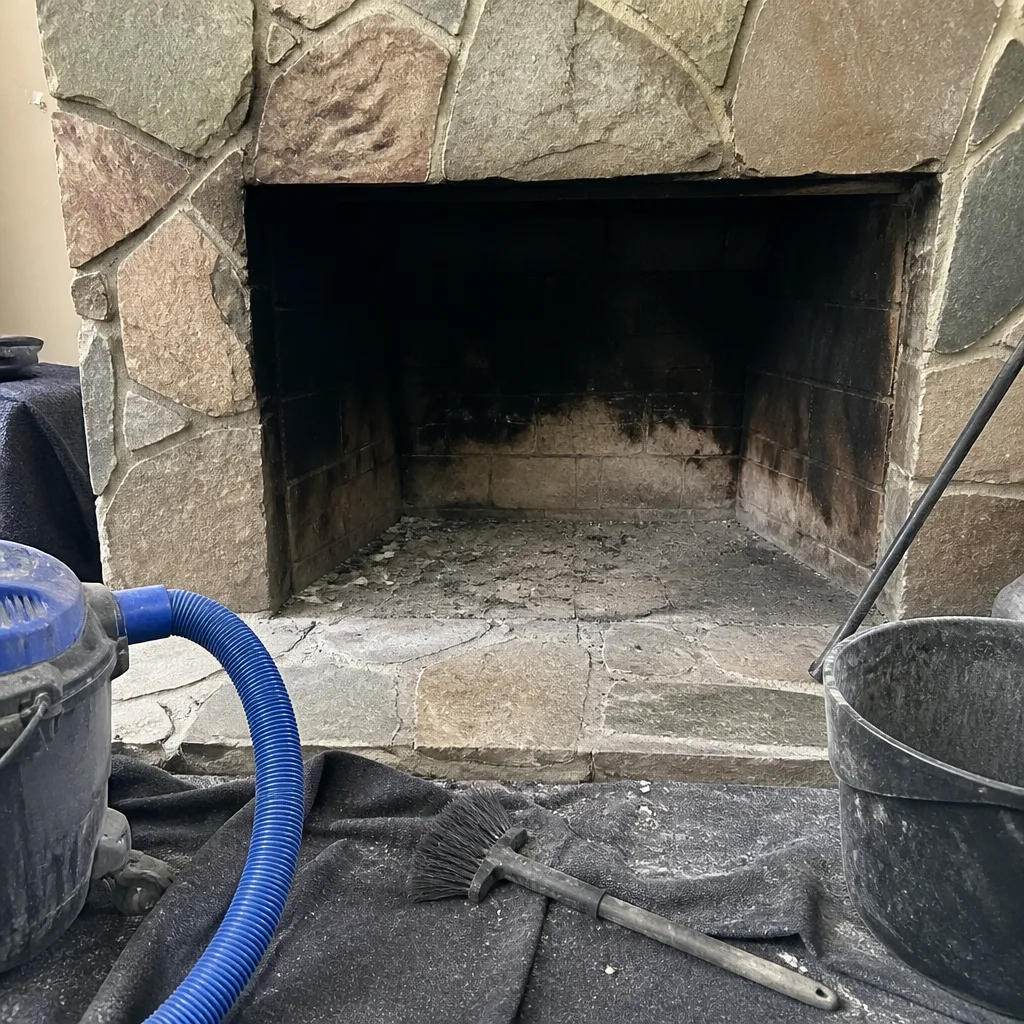 Before
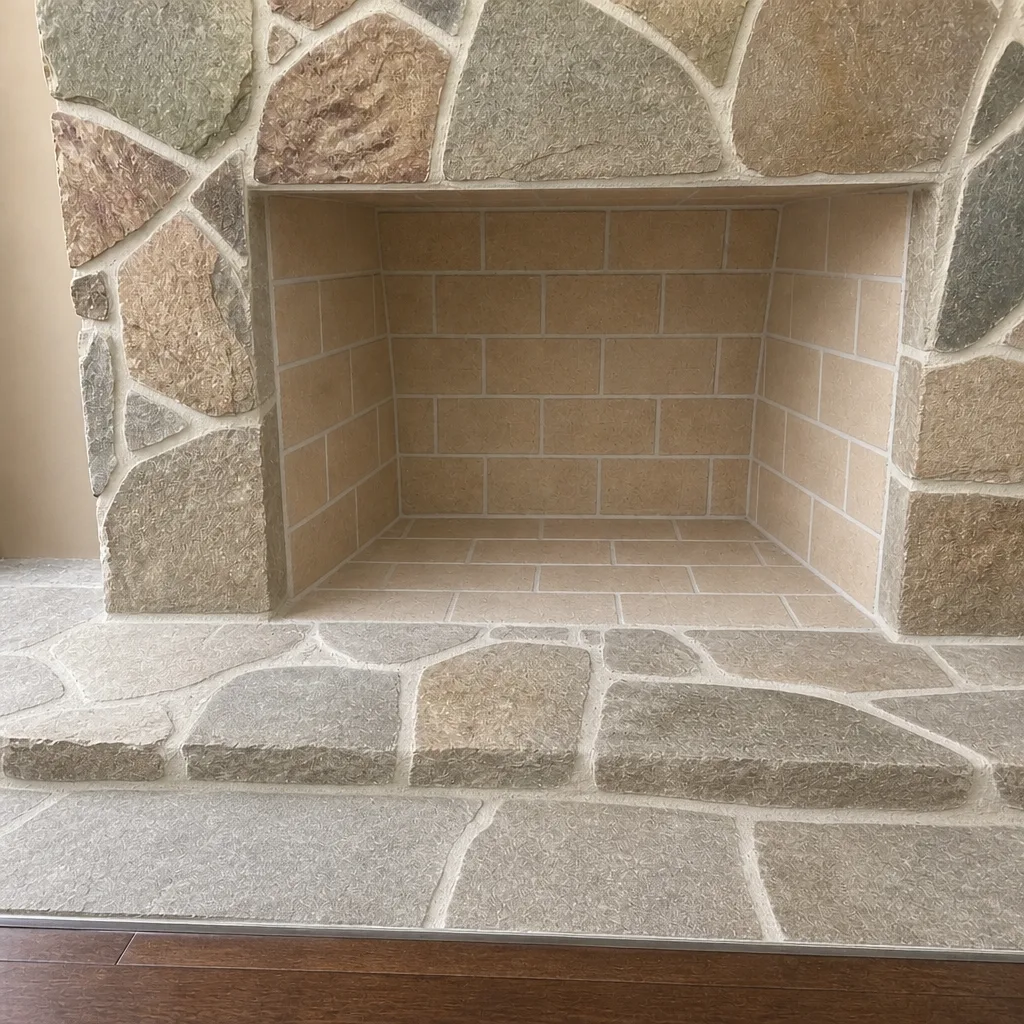 After
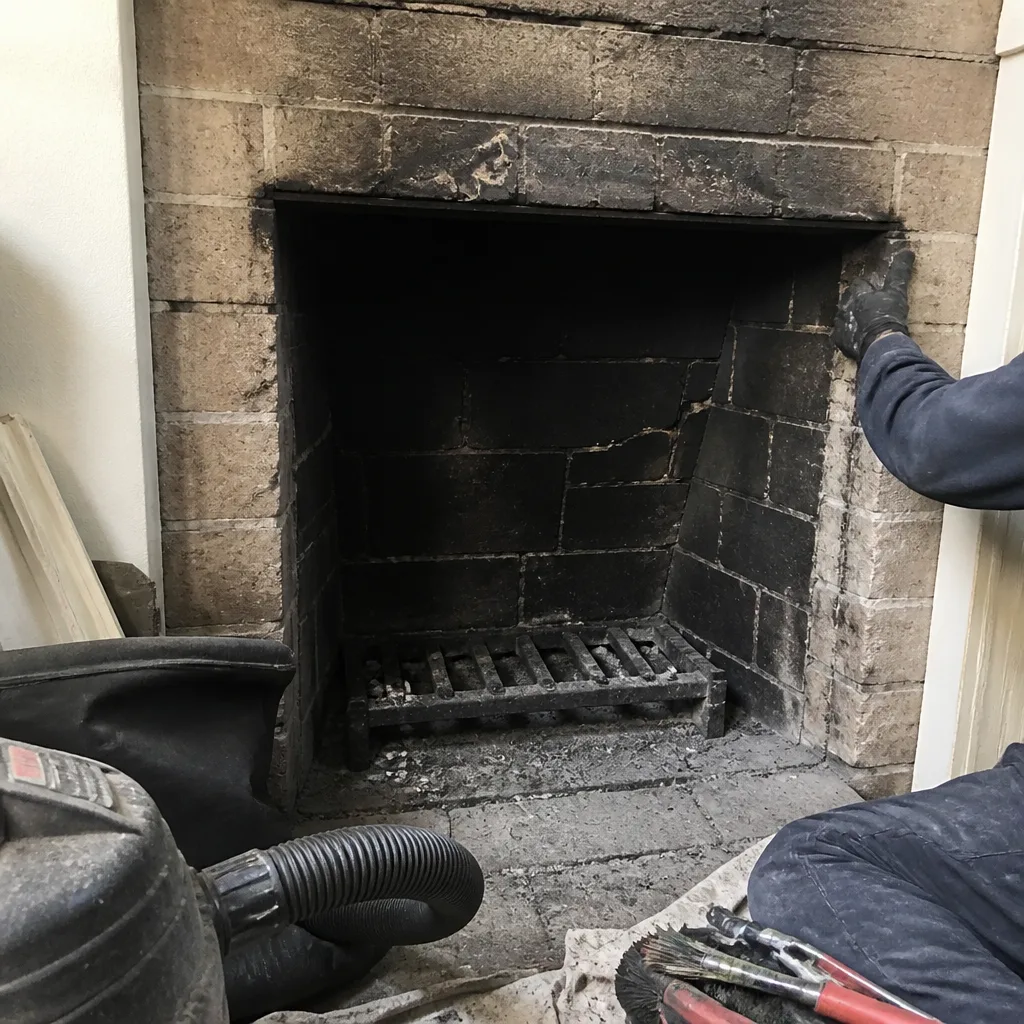 Before
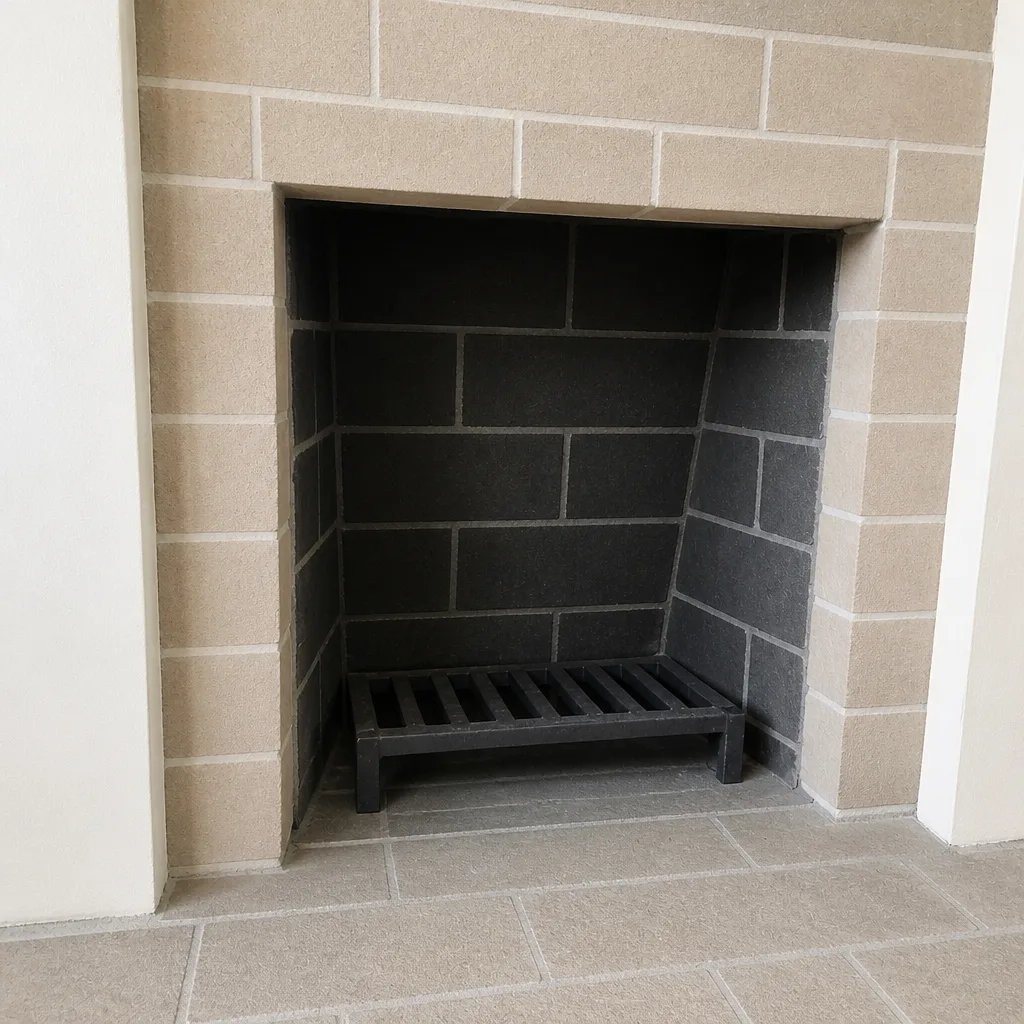 After
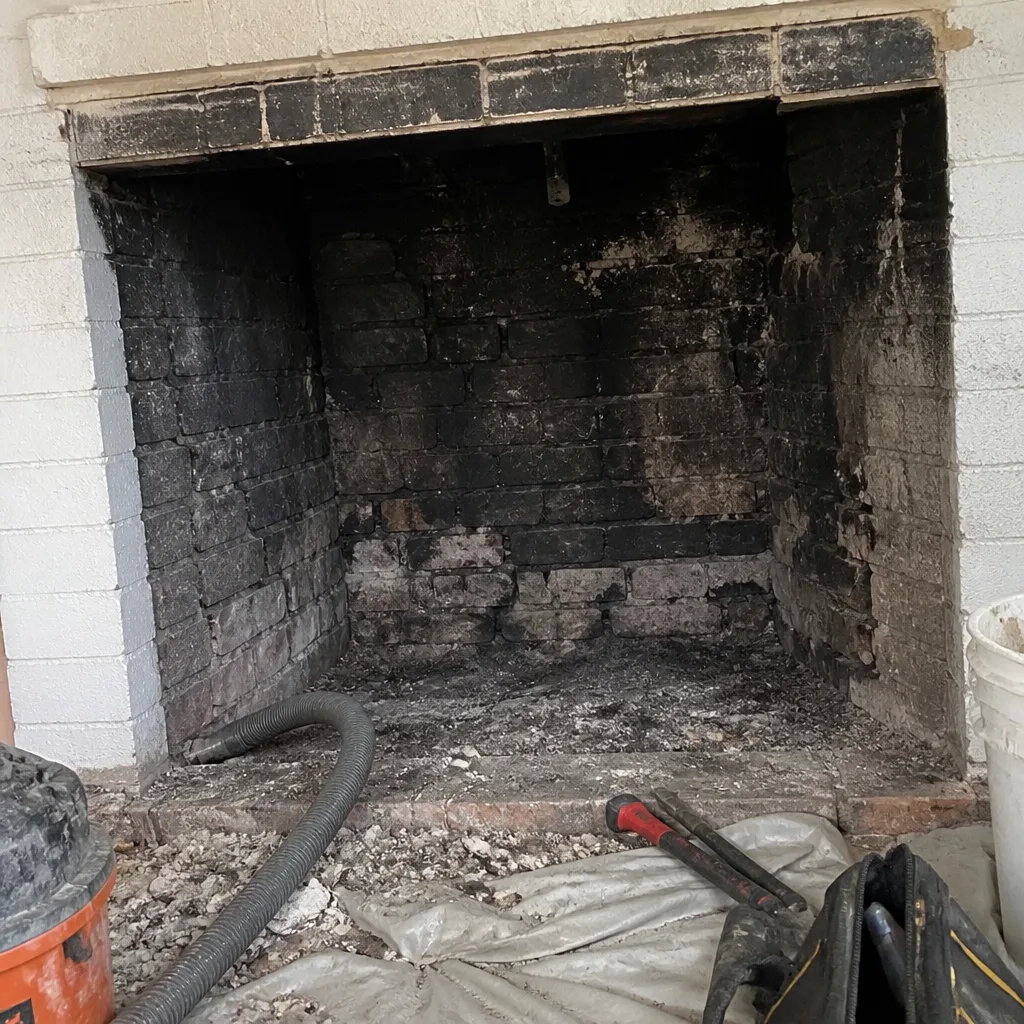 Before
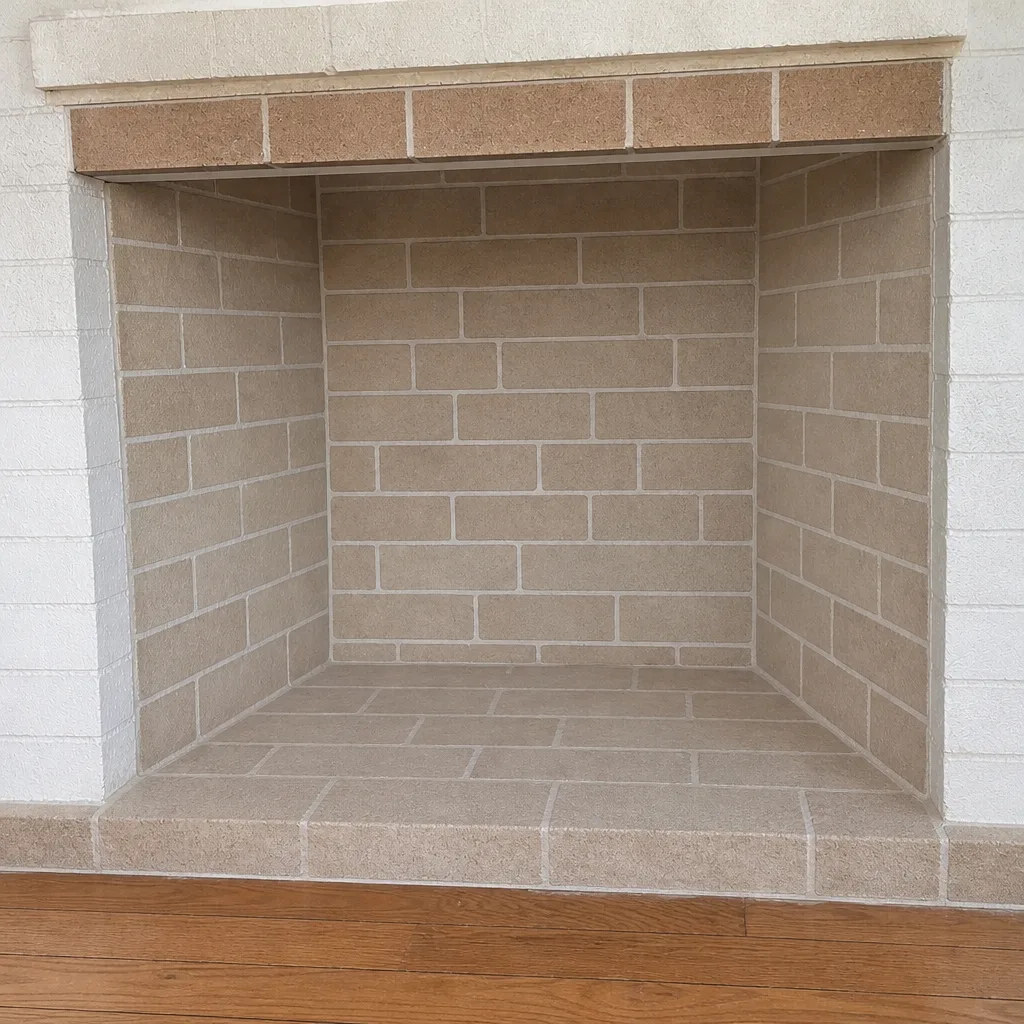 After
When to Call a Professional
Call a professional when you have any sign that the chimney system isn’t behaving the way it should: smoke backing up, a persistent smoky smell when the fireplace is off, visible water staining, animal activity, or a glazed layer on the flue. Call before a home sale or insurance review, because a documented inspection is what both buyers and insurers want to see. Call when the fireplace has been sitting idle for a season or two and you’re about to start using it again. And call before you light the first fire of the season if it’s been more than a year since the last sweep. Chimney Sweep Aliso Viejo offers free estimates in Aliso Viejo; call (833) 482-6109 and we’ll book a visit that covers the sweep, the inspection, and any cap or crown work that comes up in the report.
Frequently Asked Questions
A chimney cleaning in Aliso Viejo typically falls in the range of $150 to $350 for a standard sweep and inspection, with liner resurfacing or cap and crown work adding to that if the inspection turns up a defect. Every job is priced by a written estimate set per job, and the estimate is free. Call (833) 482-6109 for an exact quote; estimates are free.
Not always. A new liner is warranted only when the existing flue lining is cracked, deteriorating, or otherwise failing to contain combustion gases. Many flues that look worn can be repaired in place with HeatShield resurfacing rather than replaced. We won’t recommend a liner without camera evidence you can see yourself, and when the lining is intact but simply dirty, we’ll say so and skip the sales pitch. Call (833) 482-6109 and we can talk through the options after an inspection.
Once per year of active use is the general rule, which means an annual visit for most Aliso Viejo fireplaces even if they only see a handful of fires each winter. The reason: light, smoldering fires in mild air tend to produce more creosote than a hot, high-use fire, so a “low-use” fireplace can build deposits faster than expected. Call (833) 482-6109 for an exact quote; estimates are free.
Skipping a sweep lets creosote and ash accumulate in the flue and smoke chamber, which restricts draft, causes cooler and more incomplete fires, and gradually builds a fire-load in the smoke path. Soot and ash don’t cause a fire on their own, but creosote at the glazed stage is fuel in the wrong place, and the smoke chamber behind the damper is a common area for it. Skipping also means skipping the inspection, which is the part that catches liner and crown problems before they become structural. Call (833) 482-6109 for an exact quote; estimates are free.
Yes. Smoke and ash from regional fire events can settle on roofs and work into open chimney caps, and that fine ash accumulates on the flue surface and at the smoke shelf over time. It’s not creosote, but it’s foreign material in the smoke path, and when the first fire of the season pulls it into the smoke along with fresh soot, it can compound draft issues. A pre-season inspection catches it before you light the fireplace. Call (833) 482-6109 and we can schedule an inspection.
The process is the same, but the conditions differ. Aliso Viejo’s mild winters and the region’s wildfire smoke events mean deposits build differently here than in a cold climate that runs hot, sustained fires. The fires tend to be shorter and cooler, the flue cools faster, and glazed creosote can form with less total burning. The inspection catches that pattern, and it’s the reason we don’t recommend scheduling by fire count alone.
The Bottom Line
Chimney cleaning in Aliso Viejo is a maintenance job, not a fire prevention trick. The mild climate and the intermittent wildfire smoke here shape deposits in ways a cold-climate rule of thumb doesn’t account for, and the inspection after the sweep is where the real value sits. Look for documentation: before-and-after camera views, a written report, and a clear statement of the creosote stage. Ask to see the evidence behind any recommended repair. When a liner or crown does need work, professional-grade materials and a specialist who understands the whole system make the difference between a fix and a mask. If you want to start the season with a clean, documented chimney, fireplace repair and chimney repair are there when the inspection turns something up, and one call covers your sweep, your inspection, your cap, and your crown. Call (833) 482-6109. We answer 24/7. Fast dispatch from 7am to 7pm, Sunday through Friday.
Written by the team at Chimney Sweep Aliso Viejo.