
Last updated November 25, 2026
 Sweep & inspection
 Caps & crowns
 Flue relining
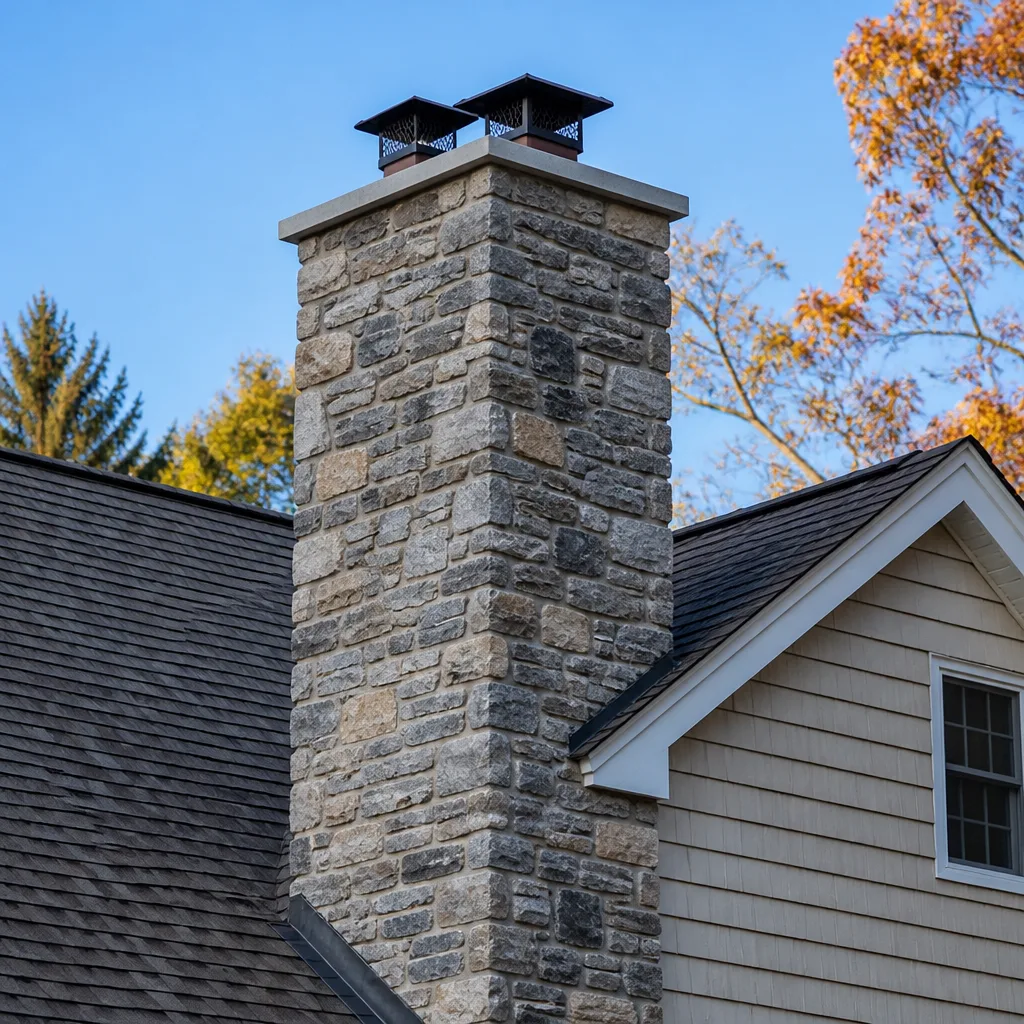 Masonry repair
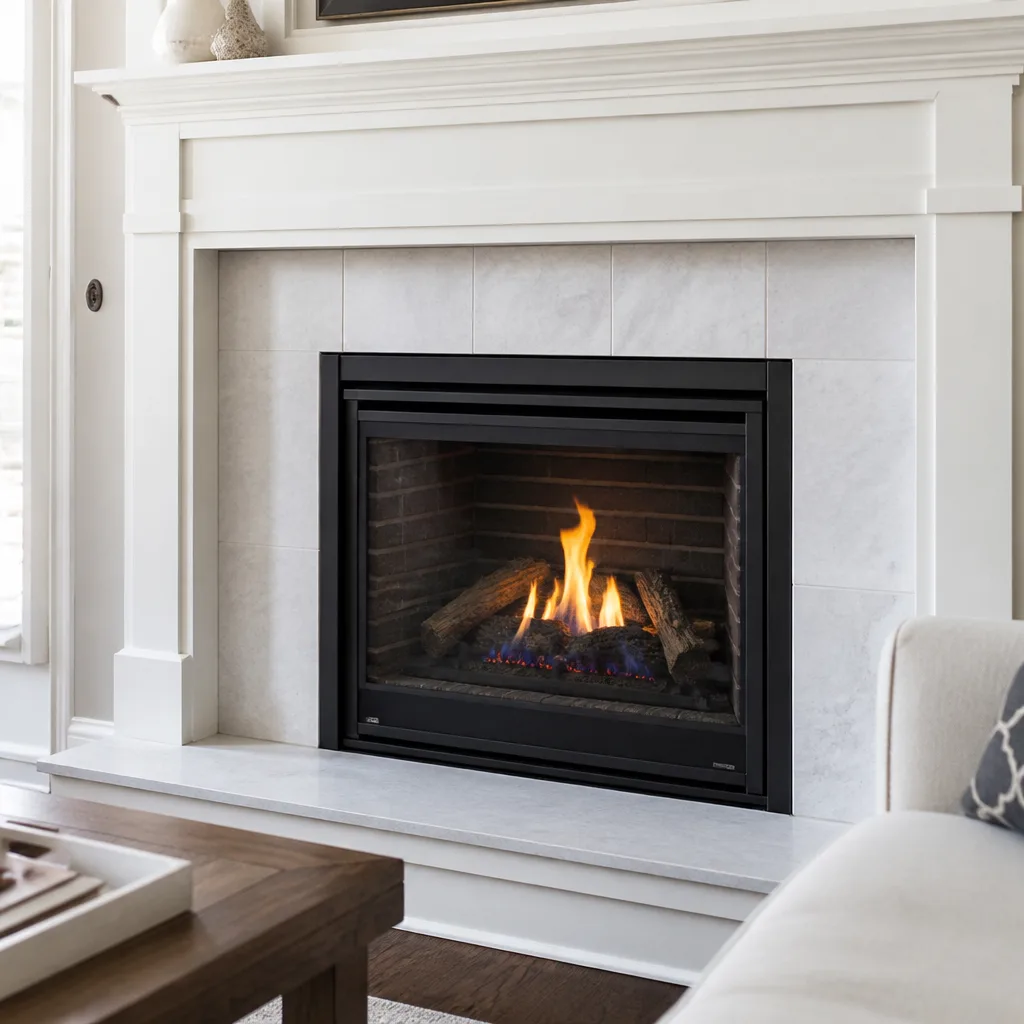 Gas fireplace service
Level 1 sweep and inspection to the NFPA 211 annual standard - flue, crown, cap, and flashing checked and photographed
Chimney sweep logs do not sweep chimneys. They loosen some creosote - which then falls where a brush and vacuum still have to collect it.
Choosing the Right Chimney Cleaning Brand: A Buyer’s Guide for Aliso Viejo
When a chimney contractor repairs your crown or reseals your liner, the specific product they use matters more than the labor. A generic masonry caulk and a HeatShield application have almost nothing in common except the contractor’s time. One is a tube from a hardware aisle, the other is a refractory material applied to a measured thickness by a trained technician. Most homeowners in Aliso Viejo never see which one they got. This guide walks through the professional product categories inside a chimney system, which brands actually anchor each one, and how to ask a contractor about materials so the answer tells you something real about their training. By the end you’ll know which questions separate a dedicated chimney specialist from someone sweeping on the side.
Quick Answer
Chimney work is product-driven, and the professional market is dominated by a handful of manufacturer-trusted brands: HeatShield for flue resurfacing, DuraFlex for stainless liners, Gelco and Famco for caps, and Olympia Chimney for components. A contractor’s ability to name the specific product they’ll apply, and to say whether they’re approved to apply it, tells you more about their expertise than any price quote. Consumer-grade products from big-box stores and professional-grade materials sourced through industry supply channels are not interchangeable, and the wrong one can void a warranty or fail inside a few seasons.
Styles & brands we work with
- Sweep & inspection
- Caps & crowns
- Flue relining
- Masonry repair
- Gas fireplace service
Table of Contents
- Why the Product Matters More Than the Labor
- The Six Product Categories Inside a Chimney System
- What “Manufacturer-Approved Applicator” Status Actually Means
- How to Ask a Contractor About Products: A Script
- Big-Box vs. Professional Supply Channels
- How Product Choice Affects Warranties and Inspection Outcomes
- What This Looks Like for Aliso Viejo Homes
- How to Verify a Contractor’s Product Claims
Why the Product Matters More Than the Labor
Chimney systems fail at the seams, joints, and material interfaces, not in the middle of a flue tile. That means the products used at those interfaces do most of the structural work in any repair, and the labor is really just the delivery method. Two contractors can spend the same hours on a crown repair and produce almost opposite outcomes depending on what they troweled on.
Here’s what makes this tricky for homeowners: the difference isn’t visible on the invoice. A generic crown patch and a manufacturer-specified crown coating can look identical for the first few months. The difference surfaces later, when one holds through the next rainy season and the other develops hairline cracks that channel water straight into the chimney chase.
Chimney product categories matter because each one has a specific job:
- A crown sealer has to flex with the masonry as the chimney expands and contracts.
- A flue resurfacing material has to survive direct contact with combustion gases.
- A cap needs to keep out water and animals while venting smoke cleanly.
- A liner system has to carry flue gases at rated temperatures without degrading.
- A creosote treatment has to work chemically without leaving a residue that affects draft.
Each of those jobs rules out most of what’s sold off a shelf. That’s the point where brand matters. A dedicated chimney specialist sources from professional supply channels and selects the product for the specific condition, rather than forcing the one product they happen to carry onto every job. In Aliso Viejo, where fireplaces are common in newer homes and many chimneys are now at the age where liners and crowns need real attention, that sourcing decision affects the repair for years.
The Six Product Categories Inside a Chimney System
Think of your chimney as a system of materials rather than a single tube. Each category below has a distinct function, and each has its own short list of professional-grade brands. Knowing the names in each category is your shorthand for asking the right questions.
1. Crown Sealers and Coatings
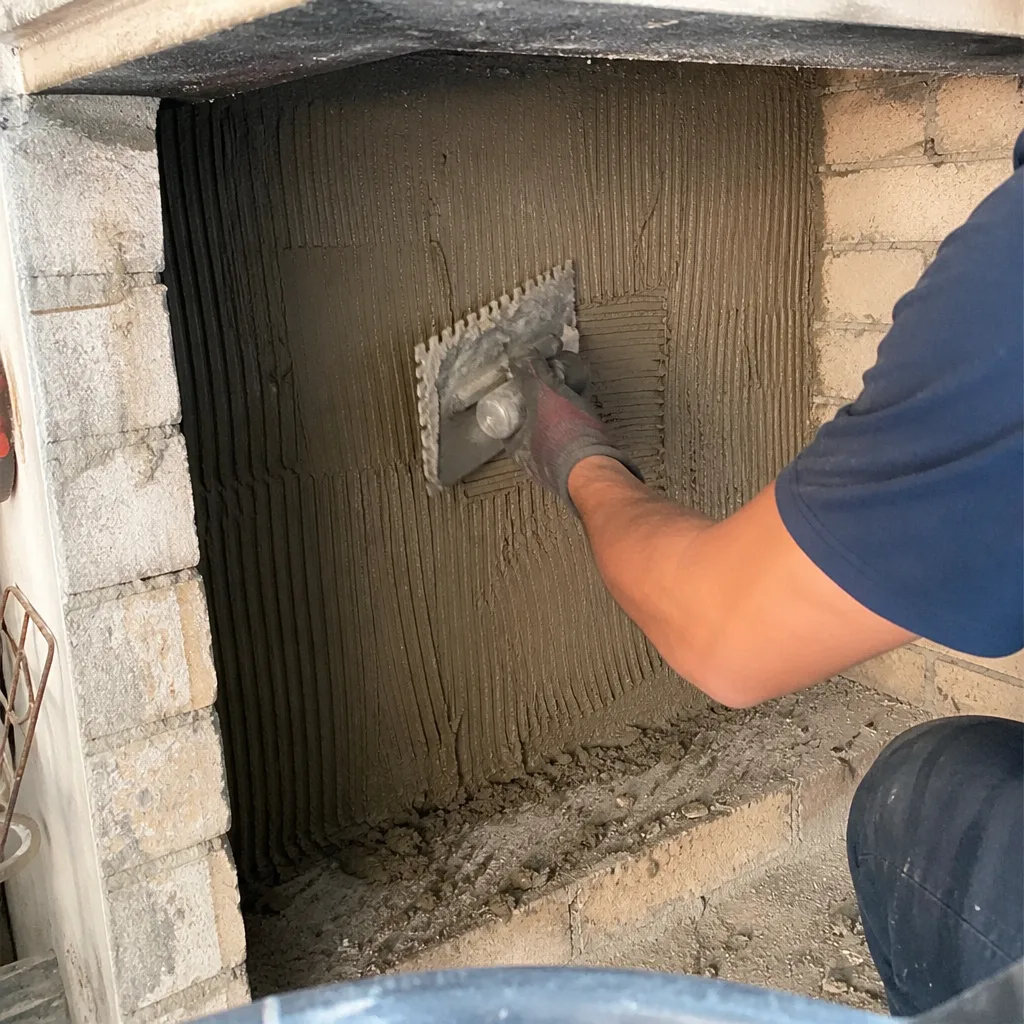
The crown is the concrete slab on top of the chimney, and it’s the first line of defense against water. Professional crown products are flexible, crack-resistant coatings formulated to bond to masonry and move with it. They’re not the same as mortar or masonry caulk, which stiffen and crack. When we talk with homeowners about crown work, the material name matters because it’s the difference between a repair that lasts and a re-do next year.
2. Liner Repair Systems
A damaged flue liner lets heat and gases reach the surrounding structure, which is the biggest structural risk a chimney has. HeatShield is the best-known in-place resurfacing system in this category: it’s applied inside the existing flue to rebuild the surface without ripping everything out. DuraFlex handles the other half of liner work: flexible stainless relining for chimneys where the existing flue is beyond resurfacing or has been relined incorrectly before. chimney repair on this level is a specialty-tier service, not a generalist job.
3. Chimney Caps
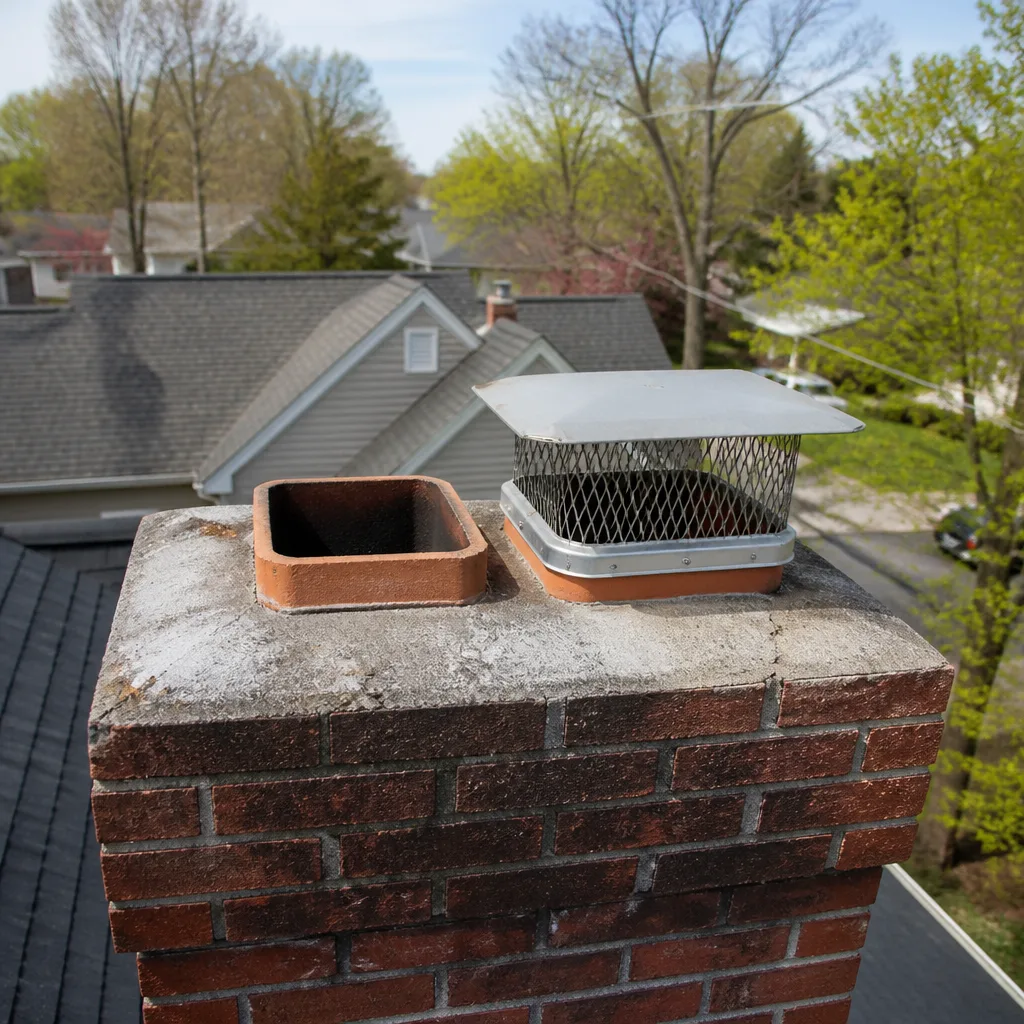
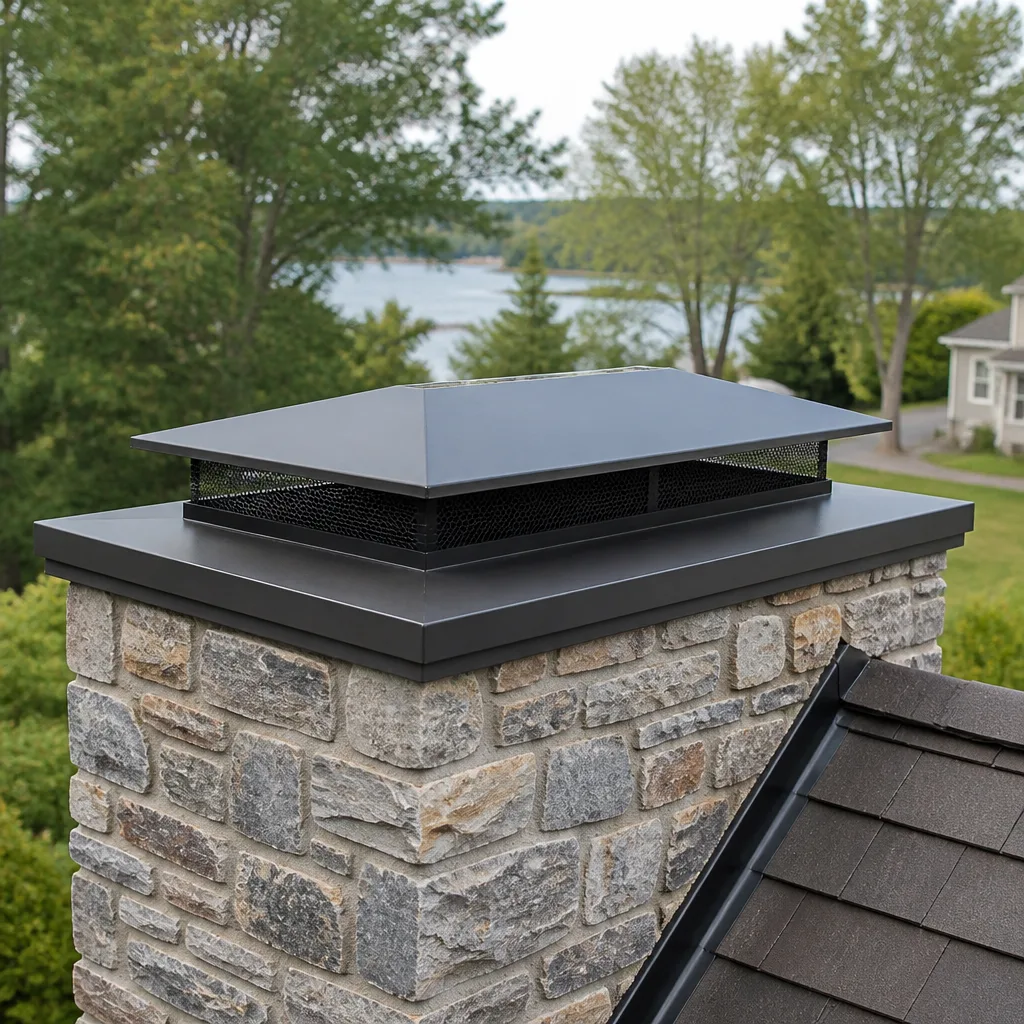
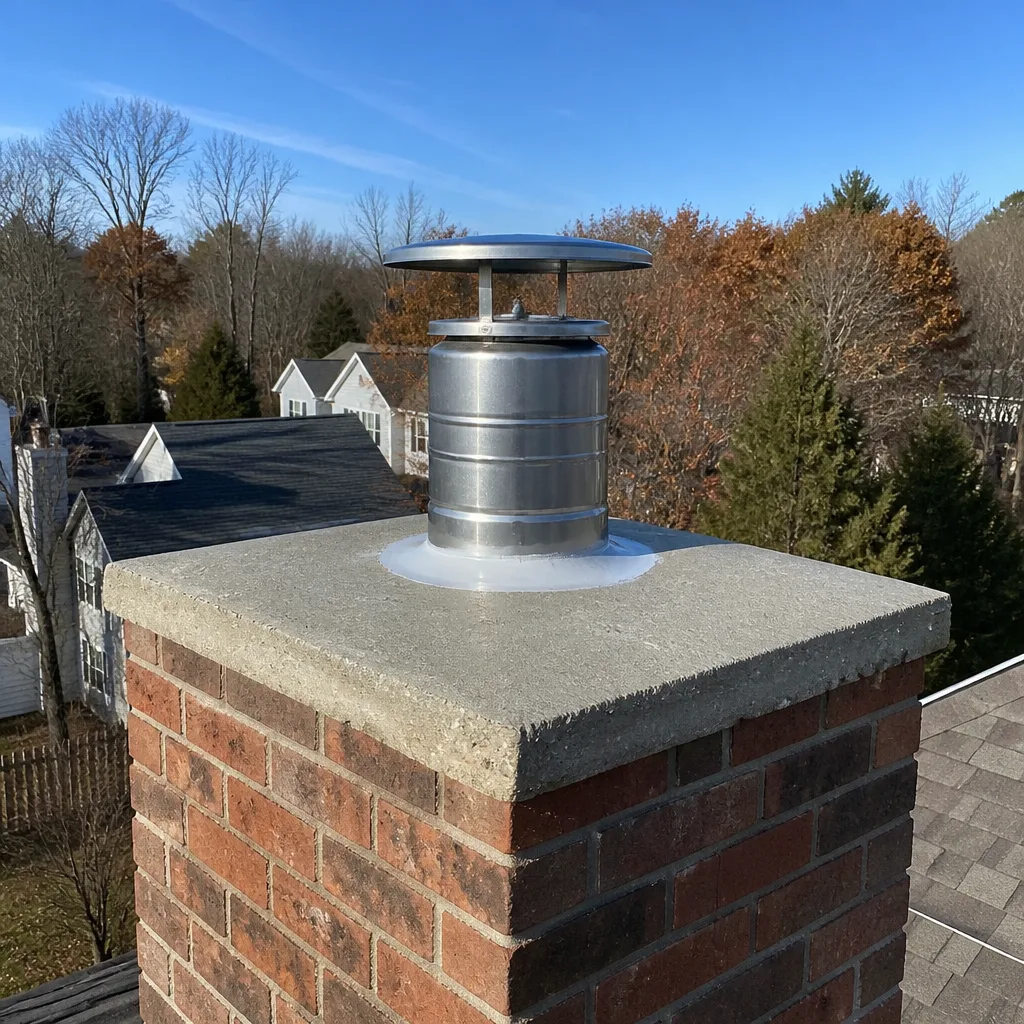
A cap keeps water, animals, and debris out of the flue while letting smoke vent. Gelco and Famco are the professional brands most often named. The difference between a manufacturer cap and a generic model shows up in the fit, the mesh gauge, and how the cap anchors to the crown. A cap installed with the wrong gauge or seal can let water into the flue just as effectively as no cap at all.
4. Component and Termination Systems
Olympia Chimney supplies many of the termination, top-plate, and support components that tie a liner system together. These are the invisible parts that keep the whole assembly structurally sound, and they’re the pieces most often missing from discount installs. When components don’t match the liner system, the connection is the first thing to fail.
5. Creosote Treatments
Creosote is the residue of every fire, and it comes in forms ranging from soft soot to hardened glaze. Professional treatments are designed to condition specific stages of buildup, not just loosen everything indiscriminately. A specialist will identify the type of creosote before choosing a treatment, because applying the wrong one can lock a glaze in place rather than remove it.
6. Smoke Chamber Coatings
The smoke chamber is the sloped area directly above the damper, and it’s one of the hardest parts of a chimney to reach. Professional coatings smooth the surface so smoke rises cleanly, and they’re applied with the same care as flue resurfacing. Rough, uncoated chambers are one of the reasons a fireplace smokes into the room even when the flue is clear.
Your entire chimney system, not just the flue, is where the brand choice plays out. A specialist who can speak to all six categories is a different kind of contractor than one who sweeps and hands you a list of other people to call.
What “Manufacturer-Approved Applicator” Status Actually Means
“Approved applicator” means the manufacturer has trained and certified the contractor to install their system to spec. It’s not a marketing label. For HeatShield, being approved means the installer has been trained on the specific application process and understands the conditions under which the material performs correctly. The manufacturer tracks it because a failed application reflects on the product.
That’s why it says something about expertise. A contractor who stocked HeatShield but isn’t approved to apply it is essentially reselling a product they can’t install to the standard that makes it work. The training is the point. A manufacturer invests in the applicator because the product’s performance depends on it.
In our experience, this distinction is where a lot of Aliso Viejo homeowners get caught. A sweep-only service may quote a liner repair at a price that sounds competitive, then apply a material they learned about from a supplier catalog with no formal training behind it. The result holds long enough to clear a home inspection, and then the problem returns.
Here’s what to ask:
- Are you approved to apply the HeatShield system, or do you hand the work to another contractor?
- Is your team trained on DuraFlex liner installation, and can you show the system specification?
- Which cap manufacturer’s product will you install on my chimney?
The answers tell you whether you’re talking to a trained applicator or a middleman. In-place flue resurfacing with HeatShield is the repair your liner needs before the cracks get worse, and it’s a service that depends entirely on the hands applying it. For Aliso Viejo chimneys with original tile liners that have been through many heating seasons, that distinction is the difference between restoring the system and replacing it. If you’re not sure which you need yet, a documented inspection will tell you, and we include the camera inspection and photo report so you can see what we see.
How to Ask a Contractor About Products: A Script
You don’t need to become a product expert. You need to ask questions that make it impossible to bluff. A contractor who knows their materials will answer in specifics. One who doesn’t will pivot to price or to how long they’ve been in the trade. Either answer is useful information.
Here is a numbered sequence that works:
- Ask what specific product they’ll use for the condition they identified. Name the condition first: crown crack, flue spalling, damaged cap. Then ask for the product name and the manufacturer. An expert answers in one sentence.
- Ask why that product over an alternative. This is the question that separates a trained applicator from a reseller. Someone trained in the material can explain the reason, usually in terms of the material’s flexibility, temperature rating, or adhesion profile.
- Ask whether they’re approved to apply it. Not just stocked. Approved. A contractor who is genuinely approved to apply HeatShield or trained on DuraFlex will say so directly.
- Ask what happens if the product fails. A professional-grade product carries a manufacturer warranty, and an approved applicator knows how to pursue a claim. A generic material carries no meaningful support.
- Ask to see the documentation. Manufacturer spec sheets and installation guides are standard. If the contractor can’t produce them, the product isn’t part of a documented system.
The answers to questions one through three are the ones that matter most. In Aliso Viejo, we’ve found that homeowners who ask them tend to get quotes with real product names in the written estimate, instead of the vague “repair chimney crown” line item that shows up on generic bids. That specificity protects you if the work is challenged later, whether by an inspector, an insurer, or the buyer of your home. For related checks you should be running on any contractor, see our full guide on Chimney Sweep Aliso Viejo service and what a proper visit looks like.
Big-Box vs. Professional Supply Channels
The products available at a big-box store are selected for the generalist. They’re sold to a mass market, priced for a weekend project, and formulated to be forgiving to an untrained hand. That’s not a knock on the store; it’s just a different product category than what a dedicated chimney specialist works with. Professional supply channels carry the materials that meet chimney-specific performance standards and come with manufacturer training, spec sheets, and warranty support.
The differences that matter on a chimney:
- Temperature rating. Chimney materials sit in the path of combustion gases. Consumer-grade materials aren’t evaluated against that environment, so their advertised heat tolerance is often not the relevant number.
- Flexibility. Chimneys move with temperature and settle with the house. Professional crown and resurfacing products are engineered to flex. Generic caulk and mortar isn’t, and it cracks.
- Adhesion to the correct substrate. A material designed for metal liners vs. masonry flues is not interchangeable. A big-box product labeled for “chimney repair” often carries no spec on which substrate it actually bonds to.
- Documentation. Professional products come with installation instructions the applicator is required to follow. That documentation is what lets an inspector or a future buyer verify the work was done to standard.
Consumer-grade products also don’t come with an approved-applicator network. There’s nobody on the other end of the phone line who trained the contractor, because there’s no training required. That lack of a manufacturer relationship is the actual signal. When you see DuraFlex, HeatShield, Gelco, Olympia Chimney, Famco, or Copperfield named in a quote, you’re seeing the result of professional sourcing. When you don’t, you’re looking at a generalist answer to a specialist question.
How Product Choice Affects Warranties and Inspection Outcomes
A liner or cap installed with a manufacturer product carries a warranty from that manufacturer. Installed with a generic substitute, it carries whatever the contractor is willing to promise, and that’s a very different kind of asset. When a professional-grade product fails within its rated life, there’s a process for addressing it. When a generic one fails, the answer is usually a new repair at your expense.
Product choice also shows up at inspection. A home inspector walks the chimney and reports what they see. If the crown has a product with known performance characteristics, the inspection report reflects a standard repair. If the crown is patched with something the inspector can’t identify, the report tends to flag the chimney for further evaluation, which delays a sale. In Aliso Viejo, where many homes are sold with disclosures and inspections that come back to the fireplace, this detail has a way of costing more time than the repair itself.
The long-term performance question comes down to product-to-condition match. A specialist chooses the product for the specific condition because forcing one solution onto every repair is how a chimney fails in a new way every season. Here’s the practical breakdown:
- Spalled flue tile with cracks but structurally sound masonry: in-place resurfacing with HeatShield, which addresses the flue interior at the material level.
- Damaged or missing tile liners that can’t be resurfaced: flexible stainless relining with DuraFlex.
- Cracked or porous crown: a flexible crown coating formulated for masonry, not a cement patch.
- Missing or failing cap: a Gelco, Famco, or Olympia Chimney termination with correct fit and mesh gauge.
For a chimney repair tier that most sweep-only services can’t handle, the product match is the work. If you’re comparing options, the chimney repair category is where to look for a provider who names the system they’ll use.
What This Looks Like for Aliso Viejo Homes
Aliso Viejo sits in the coastal hills of south Orange County, and the climate matters less in the chimney than the housing stock does. Much of the city’s residential development is recent enough that the chimneys are original to the homes, which means many are now reaching the age where tile liners, crowns, and caps need real attention. The dry, warm season here also means fireplaces get used intensively in the few months of cool weather and sit idle the rest of the year, which is a pattern that lets small problems progress quietly.
A fireplace that’s been unused for eight or nine months will often develop a flue problem nobody notices until the first fire of the season. That’s why we recommend an inspection before you light, not after the first cold night. In neighborhoods around Aliso Viejo, the most common repair tier we encounter is flue resurfacing and crown work, both of which depend entirely on the named product the contractor matches to the condition.
Water intrusion is the biggest structural risk here, because the same dry season that keeps fires infrequent also keeps everything crispy until the first significant rain. A crown that’s been quietly cracking through the dry season will start routing water inside the chimney chase in a way you can’t see, and a missing or damaged cap makes it worse. The chimney cap and crown work is the most structurally protective thing you can do for a chimney, and it’s easier to do before the water gets in.
The other thing specific to Aliso Viejo is that homeowners here often come to us after a bad experience elsewhere. It’s a common pattern: a previous sweep quoted a repair, applied a material nobody can now identify, and the problem is back. The fix usually starts with documentation. Our chimney sweep visits include a camera inspection and photo report, so you can see the flue interior and the condition of the crown and cap on record, and decide what’s actually worth repairing. Nothing gets recommended without evidence you can check for yourself, and we’ll tell you plainly when a repair can safely wait until the next season.
If your fireplace has been out of service for a while, the fireplace repair path is the place to start. For the full system, from sweep to cap and crown, one call covers your sweep, your inspection, your cap, and your crown, which is the whole point of working with a single specialist on a single chimney.
How to Verify a Contractor’s Product Claims
Any contractor can name a brand. Verification is a separate step, and it’s the step that separates a genuine specialist from one repeating brand names off a competitor’s website. Here’s how to check:
- Ask for the manufacturer name alongside the product name. HeatShield and DuraFlex are product lines, not makers. A trained applicator will know both.
- Ask for the spec sheet for the exact product on your quote. Manufacturers publish these. If the contractor can produce one, the product is part of a documented system.
- Ask to see the warranty terms in writing. A manufacturer warranty comes with the warranty document. A generic promise doesn’t.
- Ask what training the person applying it has. Not the company, the technician. Approved-applicator status attaches to trained installers.
- Ask for a written estimate that names the product. A line item that says “crown repair” is not a product spec. A line item that says “crown repair with [product name]” is.
A written estimate that names the product is the single best protection you have, because it forces the choice to be made up front and in writing. It’s also the document that protects you if the work needs to be looked at later, whether by an inspector, a buyer, or an insurer. Our flat-price sweep is agreed before booking, and the estimate for repair work is written the same way. If you’re preparing for a home sale or an insurance review in Aliso Viejo, the written record of what was installed and when it was installed is the part that matters.
Common Mistakes to Avoid
- Hiring a sweep who also claims to do roofing, HVAC, and chimney work. Chimney systems have their own material standards and training. A generalist is only matching your problem to whatever product is already on the truck. For Aliso Viejo homeowners, the chimney product market is deep enough that generalists get it wrong in ways a specialist wouldn’t.
- Accepting a “repair” without a camera inspection first. If nobody put a camera inside the flue before recommending work, you don’t know what’s actually being repaired. Insist on a photo report, and read it before you approve anything.
- Skipping the cap because the chimney already works. A chimney without a functioning cap pulls water and animals into the flue, and the damage it causes is structural. Cap work is the cheapest thing you can do to protect the rest of the system.
- Treating a crown patch as a permanent repair. A cement patch on a cracking crown holds for one or two seasons and then fails in a way that’s harder to fix. A flexible crown product formulated for masonry is the professional answer, and it’s worth asking for by name.
- Letting a contractor source the wrong product for the condition. Forcing a single solution onto a resurfacing job, a full reline, or a smoke chamber coating is how a repair fails in a new way. The product should match the condition, not the contractor’s stock.
- Not asking for the product name in the written estimate. Without it, you have no way to verify what was installed or pursue a manufacturer warranty later. This one mistake undermines everything else.
- Assuming a swept chimney is a safe chimney. A sweep clears the flue. An inspection verifies the flue, crown, cap, damper, and firebox are structurally sound. Those are two different jobs, and you need both.
See the difference
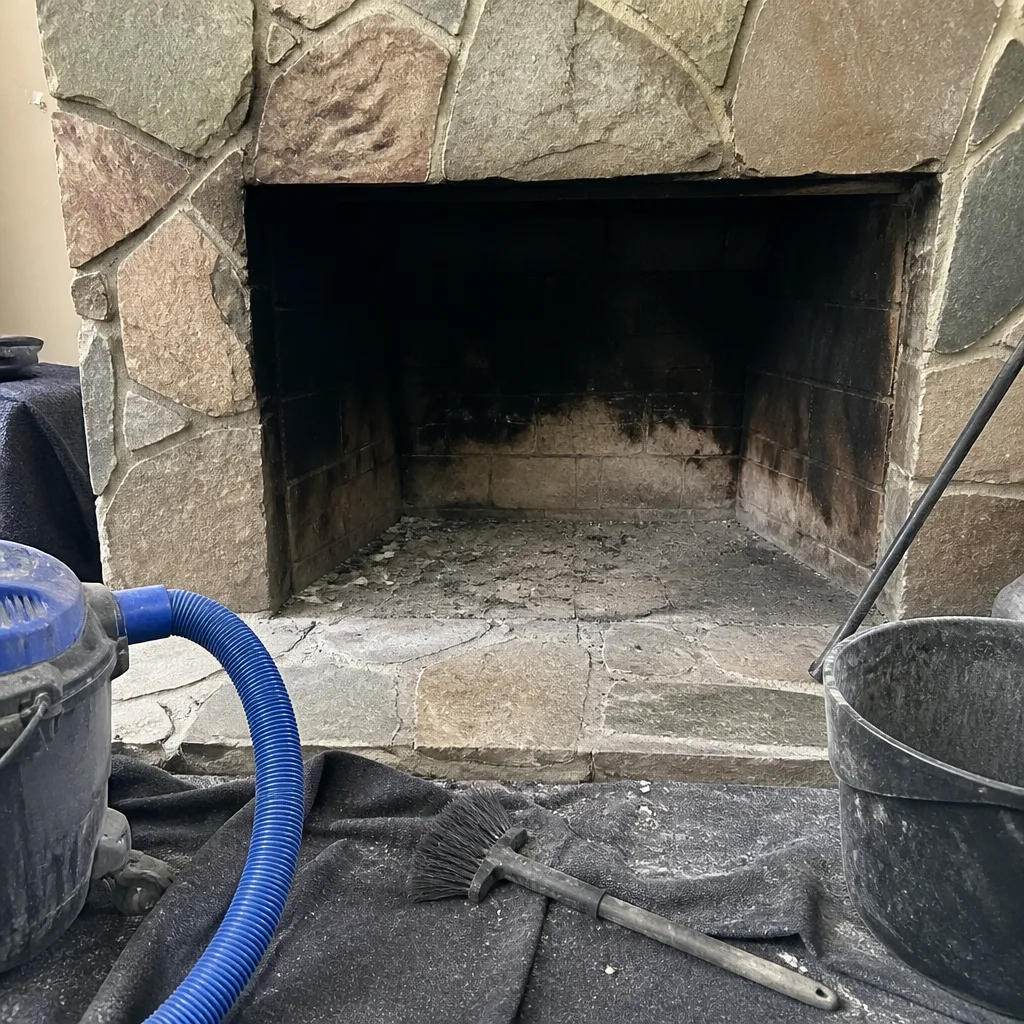 Before
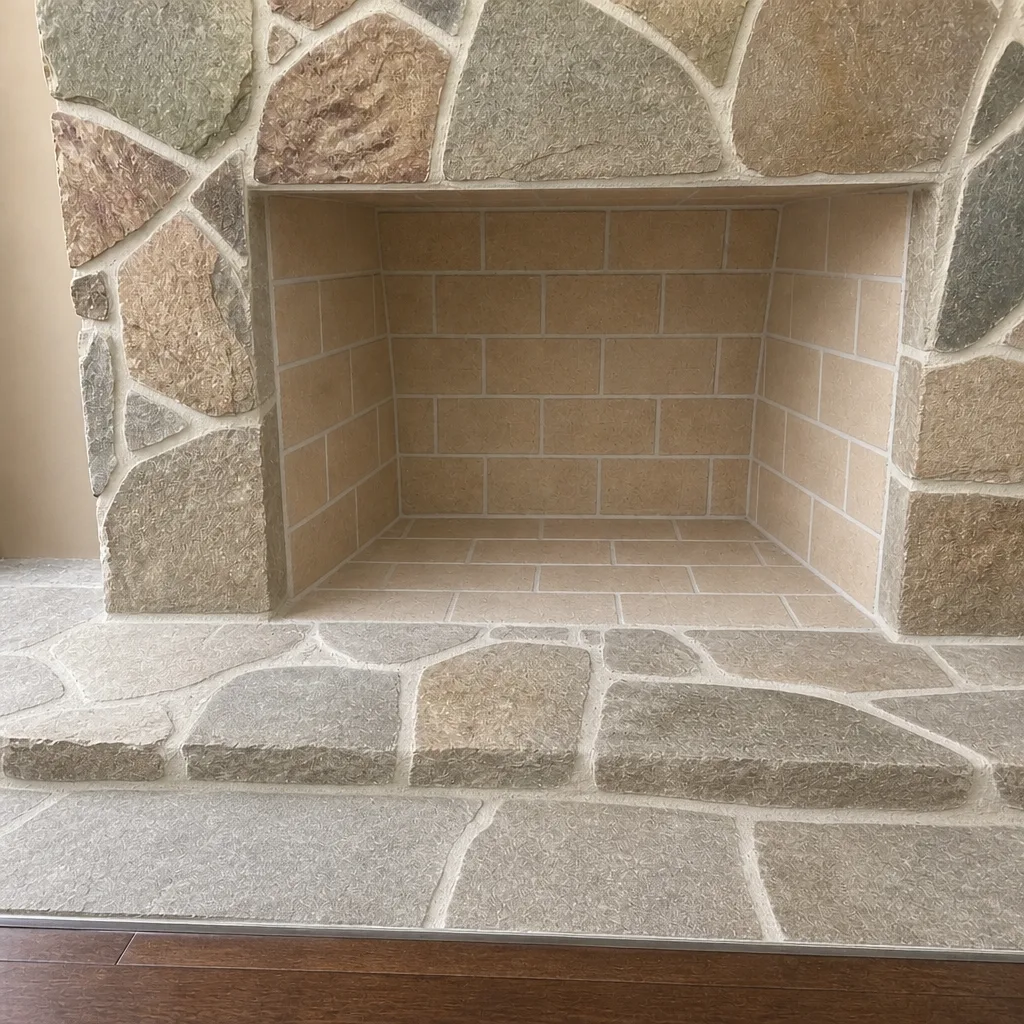 After
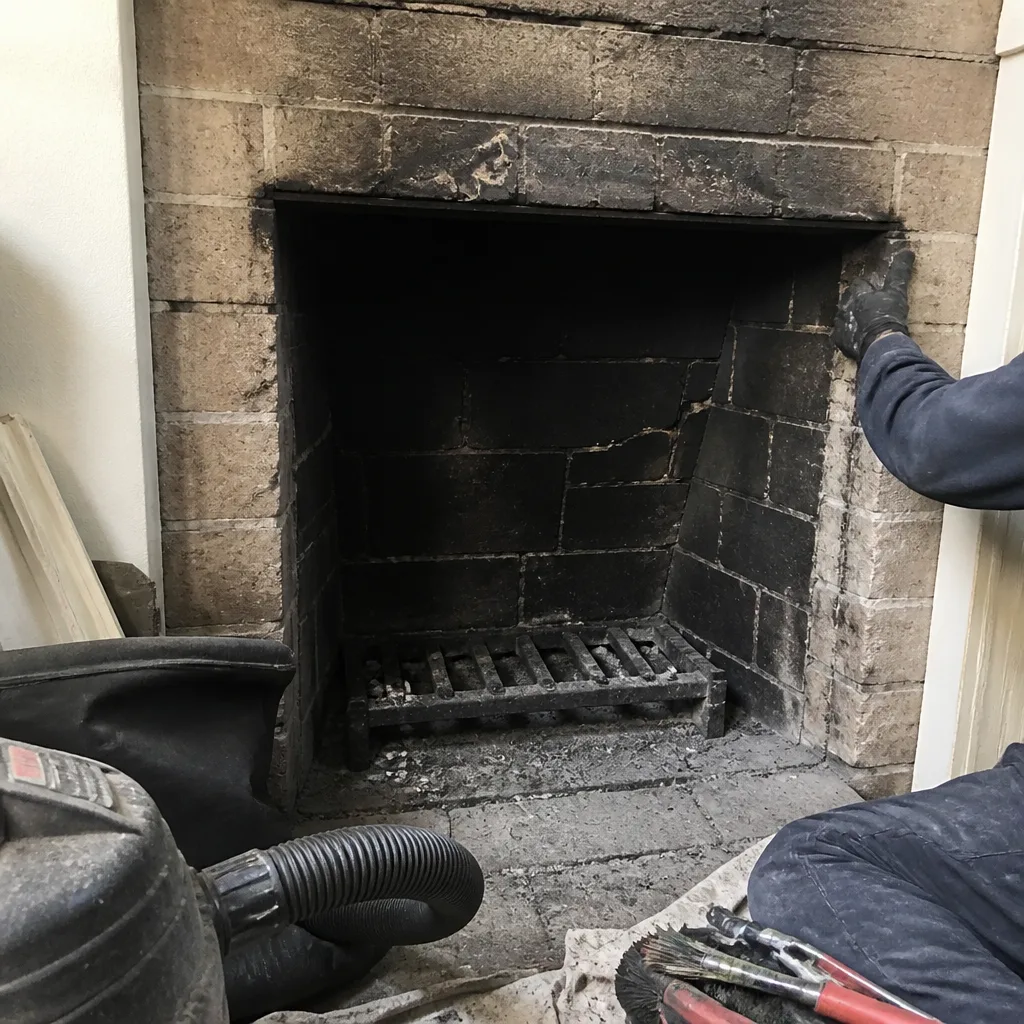 Before
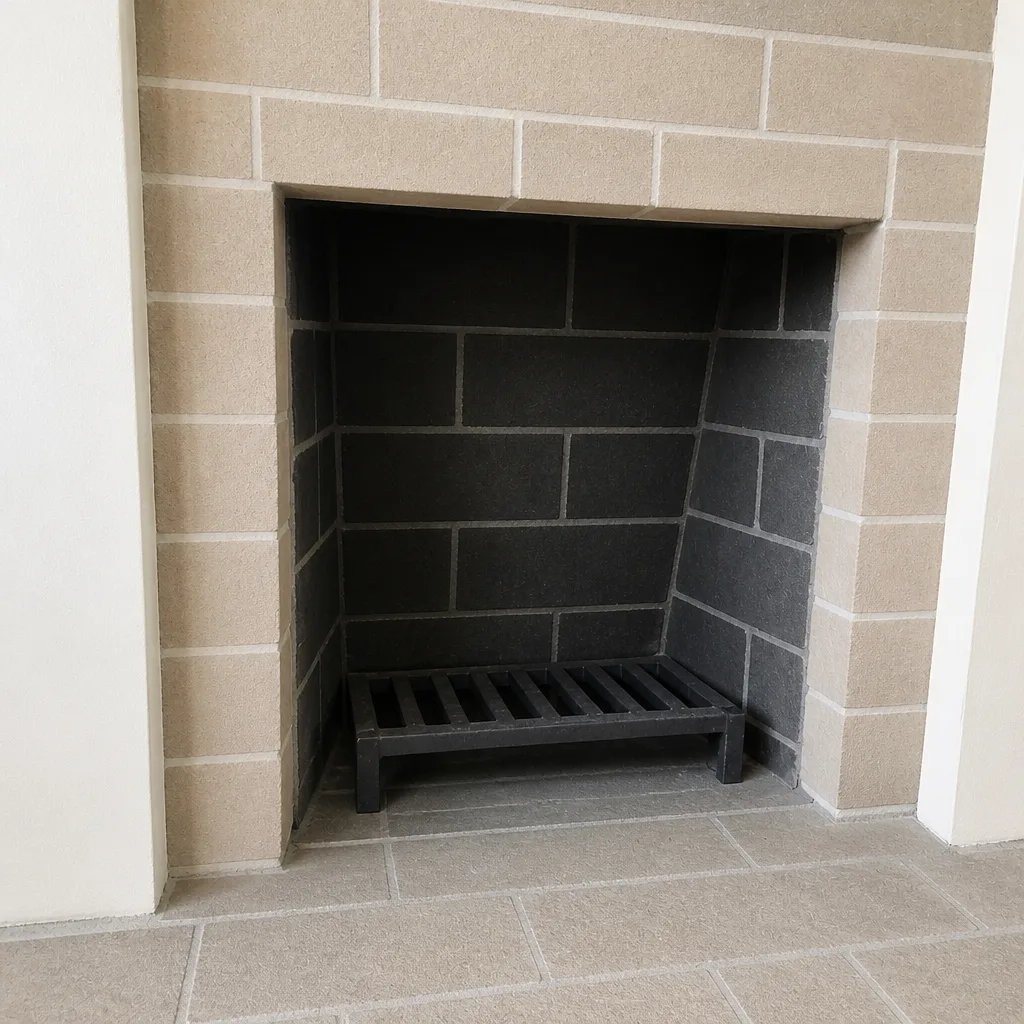 After
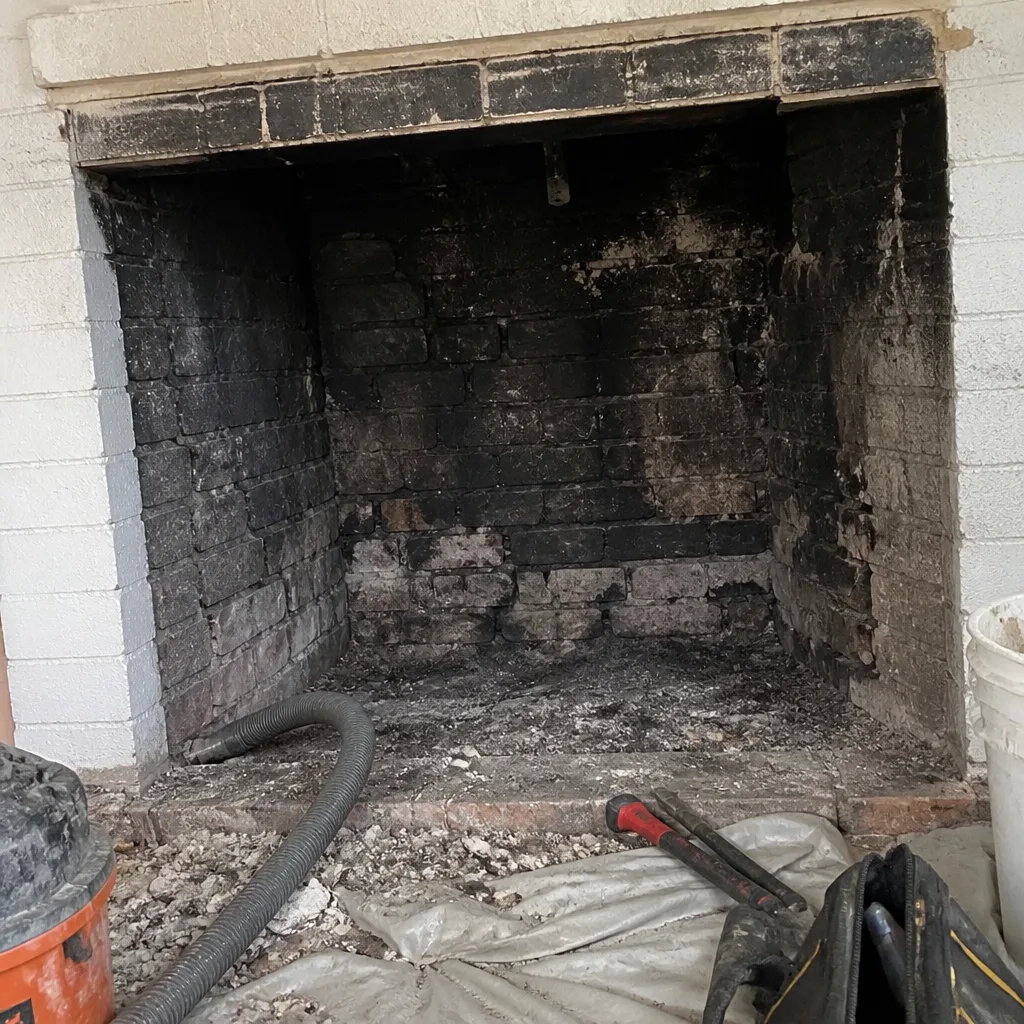 Before
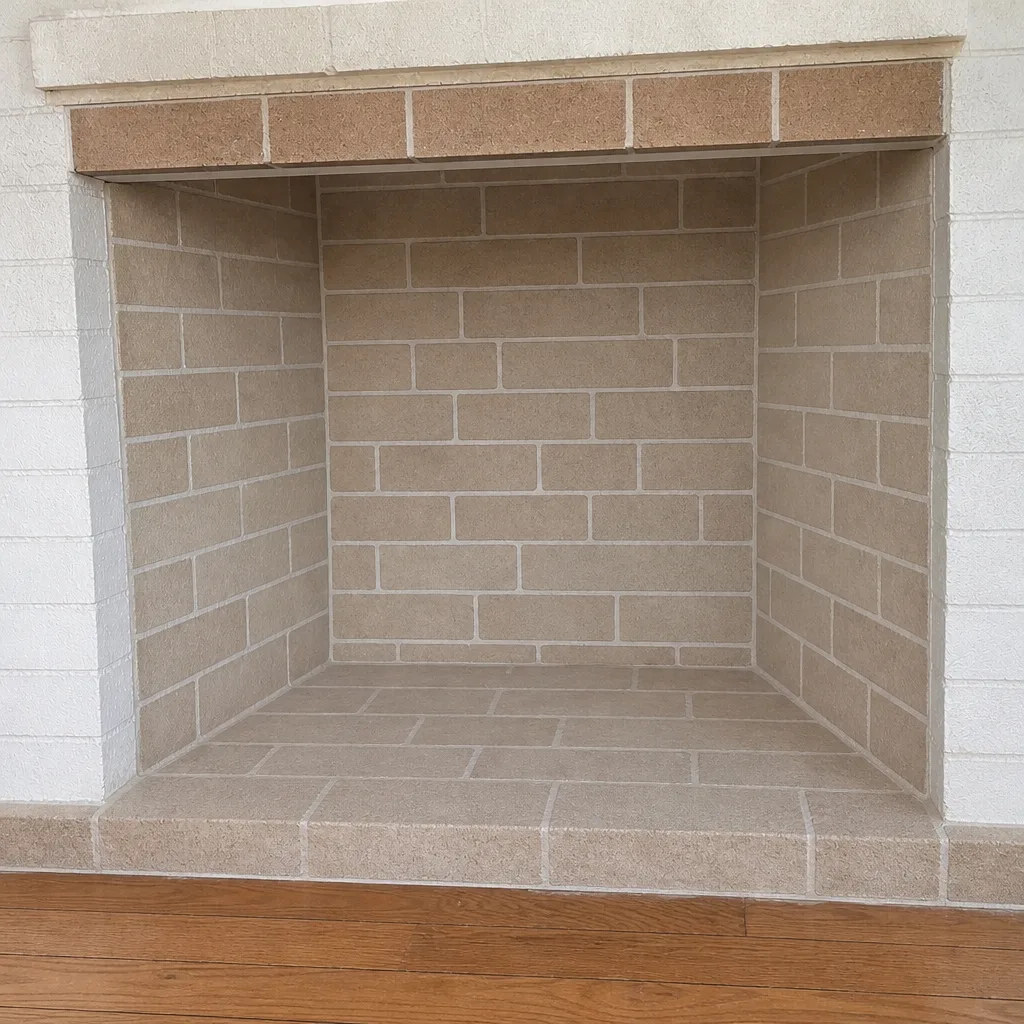 After
When to Call a Professional
Call a professional if you’ve never had your chimney inspected, if you’ve noticed smoke backing into the room, if you see cracked or missing mortar at the crown, if you hear water in the chimney during rain, or if you’ve had a repair that didn’t hold. Also call if you’re preparing to sell your home or respond to an insurance review, because a documented chimney report carries real weight in those processes. Any of these signs is a reason to book an inspection, not to wait for the next heating season.
The other reason to call is that the product tier of your chimney work matters, and it’s easier to ask the questions before the work starts than to discover the answer later. If you’re not sure which category your chimney falls into, the manual checks in our chimney sweep process are a reasonable place to start. Chimney Sweep Aliso Viejo offers free estimates in Aliso Viejo – call (833) 482-6109. We answer 24/7. Fast dispatch from 7am to 7pm, Sunday through Friday.
Frequently Asked Questions
The professional-grade names worth hearing from a chimney contractor are HeatShield for in-place flue resurfacing, DuraFlex for stainless liner systems, Gelco and Famco for chimney caps, Olympia Chimney for liner and termination components, and Copperfield for specialty products. A contractor who can name these, and explain which one matches your specific condition, is working from professional supply channels. A contractor who can’t name a single product is likely sourcing from general retail. Call (833) 482-6109 for an exact quote – estimates are free.
Yes, in ways that directly affect how long a repair lasts. Big-box chimney products are made for a generalist market and are rarely evaluated against flue temperature, masonry adhesion, or the specific movement of a chimney. Professional-grade products like HeatShield and DuraFlex come with manufacturer spec sheets, installation standards, and an approved-applicator network. Ask for the spec sheet for whatever’s on your quote, and treat a contractor’s ability to produce one as a signal. Call (833) 482-6109 to talk through the right product for your chimney.
Routine sweep pricing should be agreed before the visit, and we use a flat-price approach so you know the cost before anyone shows up. Repair work is priced separately and per job by the written estimate. That structure keeps the sweep from becoming a sales pitch, and it lets you decide on repairs after you’ve seen the inspection report. The price is set by the written estimate, not by an estimate given over the phone. Call (833) 482-6109 for an exact quote – estimates are free.
That depends on the condition of the existing flue, and the only honest way to answer is with a camera inspection. If the tile liner has cracks or spalling but the structure is sound, in-place resurfacing with HeatShield is often the right tier. If the liner is damaged beyond what resurfacing can address, a flexible stainless reline with DuraFlex is the answer. We don’t recommend replacing a liner without evidence you can see in a photo report, and we’ll tell you when a repair can safely wait. Call (833) 482-6109 for an exact quote – estimates are free.
The general rule is once a year, and the actual answer depends on how much you burn. Wood-burning fireplaces with regular use in the cooler months benefit from an annual sweep and inspection. Gas fireplaces need an inspection on the same schedule, though they typically need less sweeping. In Aliso Viejo, where fireplaces are idle through most of the year, the inspection is often the more important part of the visit. Call (833) 482-6109 for an exact quote – estimates are free.
Small problems get worse without showing symptoms. A hairline crown crack lets water into the chase, a missing cap admits animals or debris, and a damaged liner lets heat and gases reach the surrounding structure. None of these usually announce themselves. Carbon monoxide can be a risk when the venting system isn’t working correctly, which is why a professional evaluation is worth the visit even when nothing seems wrong. Call (833) 482-6109 for an exact quote – estimates are free.
The Bottom Line
The chimney product market rewards homeowners who ask for names. HeatShield, DuraFlex, Gelco, Famco, Olympia Chimney, and Copperfield exist in a different tier than what’s sold at retail, and a contractor’s relationship to those brands is a genuine signal of training and sourcing. Get the product name in the written estimate, ask for the spec sheet, and read the inspection report before approving a repair. That sequence protects you against paying for work that fails quietly, and it makes the chimney in your Aliso Viejo home easier to sell, insure, and live with. The right product matched to the right condition is the whole game.
Chimney Sweep Aliso Viejo covers the entire system in a single relationship: sweep, inspection, fireplace repair, chimney repair, and cap and crown work. Our technicians have up to 13 years of experience, and our team is authorized to work with and install DuraFlex, HeatShield, Gelco, Olympia Chimney, Famco, and Copperfield products. A flat-price sweep is agreed before booking, and every visit includes a camera inspection and photo report so you can see the evidence for yourself. Call (833) 482-6109 for a free estimate. We answer 24/7, with fast dispatch from 7am to 7pm, Sunday through Friday.
Written by the team at Chimney Sweep Aliso Viejo.