
Last updated November 25, 2026
 Sweep & inspection
 Caps & crowns
 Flue relining
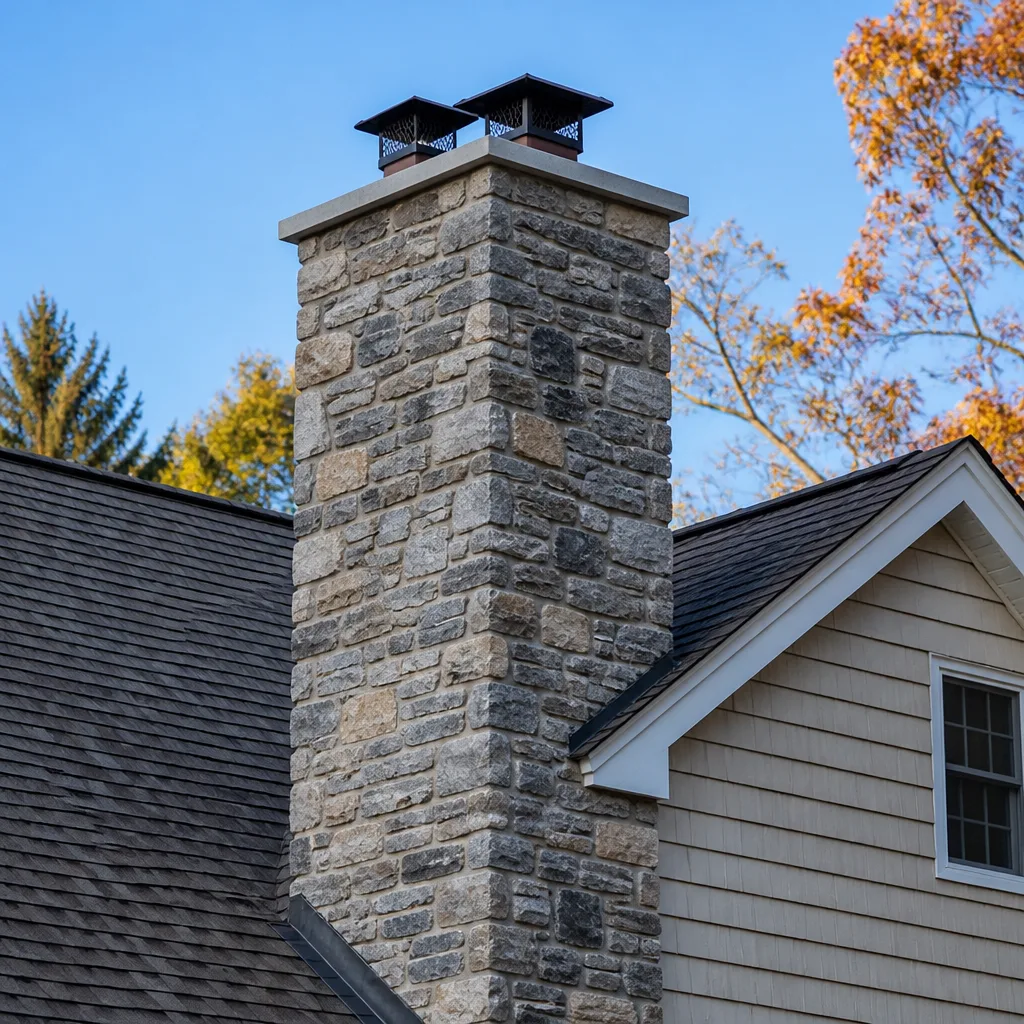 Masonry repair
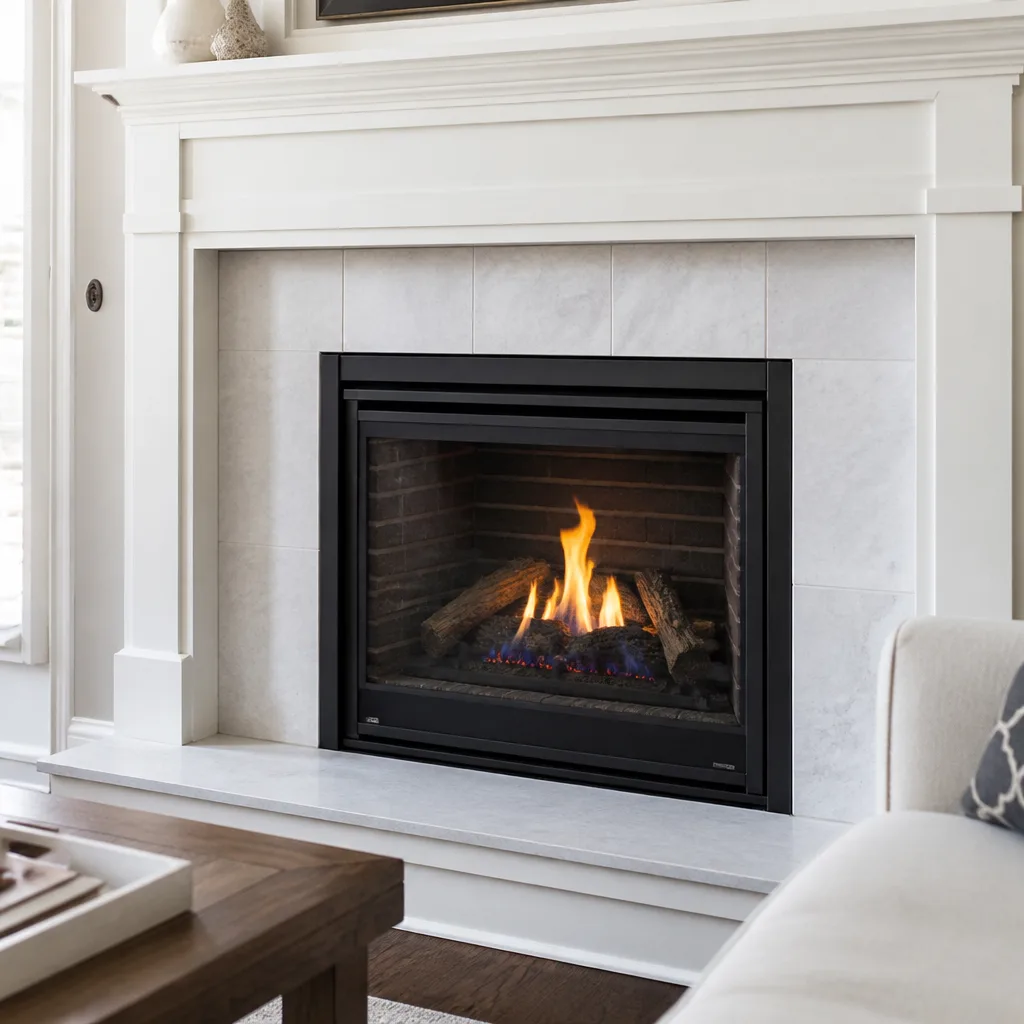 Gas fireplace service
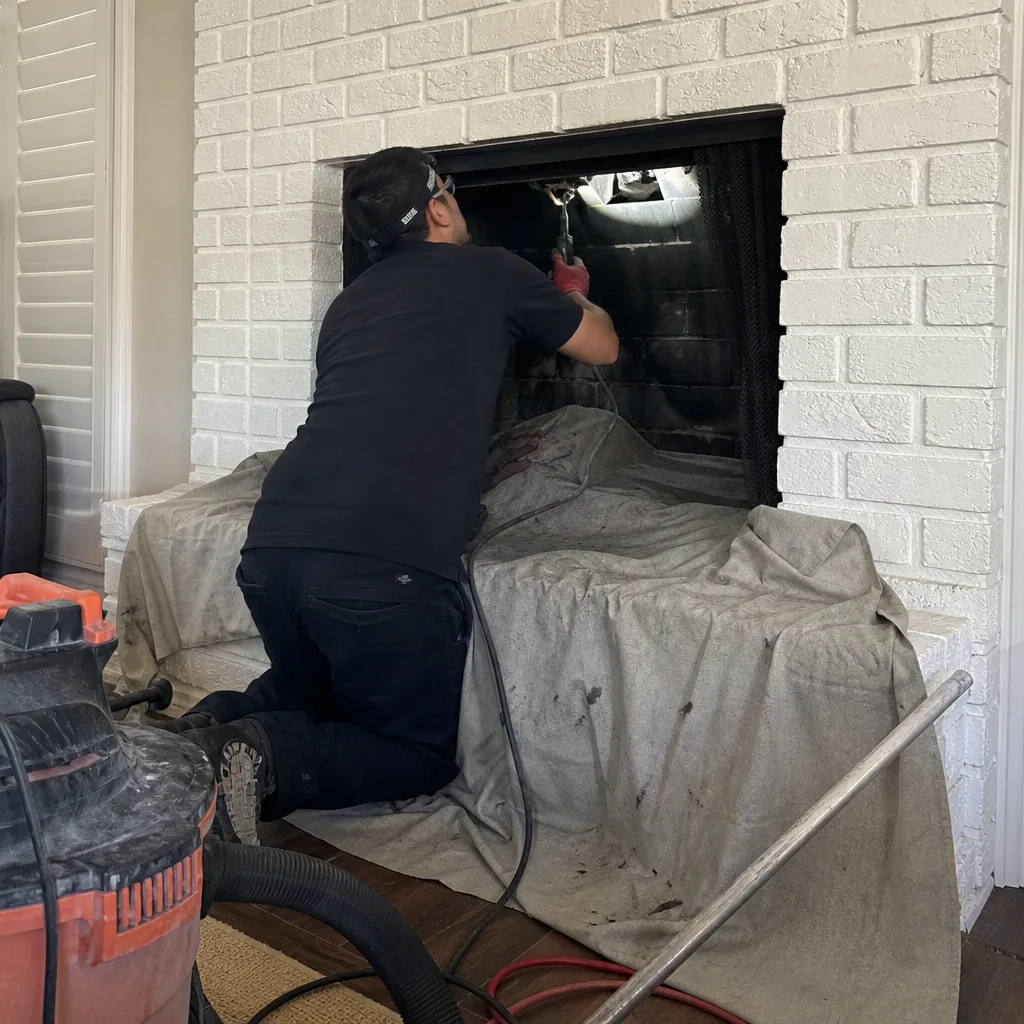
Level 1 sweep and inspection to the NFPA 211 annual standard - flue, crown, cap, and flashing checked and photographed
Chimney sweep logs do not sweep chimneys. They loosen some creosote - which then falls where a brush and vacuum still have to collect it.
Chimney Sweep Troubleshooting in Aliso Viejo: Common Problems and How to Fix Them
If your chimney smokes into the room on cold starts but clears after ten minutes, that’s a thermal draft problem, not a blockage, and sweeping it won’t help. That single distinction saves Aliso Viejo homeowners more wasted service calls than any other piece of chimney knowledge. Most people who call us convinced they have a clogged flue actually have a liner that never warmed up, a cap fighting the wind, or a firebox that’s lost its seal. In this guide you’ll learn how to tell those three failure categories apart before you pick up the phone, run a safe smoke-match test, read your firebox like a diagnostic chart, and understand why the mild, humid air in Aliso Viejo creates condensation problems the national chimney guides never mention.
Styles & brands we work with
- Sweep & inspection
- Caps & crowns
- Flue relining
- Masonry repair
- Gas fireplace service
Quick Answer
Chimney problems in Aliso Viejo usually fall into three separate categories: liner failures (cracks, spalling, condensation), cap and crown failures (wind-driven downdraft, water intrusion), and firebox failures (deteriorated mortar, rust staining). A smoking fireplace that clears itself after a few minutes is typically a thermal draft issue and needs no sweep at all. Anything involving a cracked flue, a strong combustion gas smell, or visible deterioration in the firebox needs a professional inspection before you light another fire.
Table of Contents
- The Three Failure Categories: Liner, Cap, or Firebox
- The Smoke-Match Test: Distinguishing Backdraft from Blockage from Downdraft
- Negative House Pressure: When the Problem Isn’t the Chimney
- Why Southern California Humidity Creates Liner Condensation Problems
- Reading Your Firebox: Spalling, Efflorescence, and Rust Staining
- Creosote Odor vs. Combustion Gas Odor: Which One Demands an Immediate Call
- Cap and Crown Problems: The Most Overlooked Source of Chimney Damage
- Common Mistakes to Avoid
- When to Call a Professional
- Frequently Asked Questions
- The Bottom Line
The Three Failure Categories: Liner, Cap, or Firebox
The biggest troubleshooting mistake we encounter is homeowners and even general handymen treating every chimney symptom as “the chimney needs sweeping.” In our experience, a chimney system has three distinct zones, and each one fails in its own way, produces its own symptoms, and needs its own repair approach. Isolating the failing zone first is what separates a productive service call from a frustrating round of trial and error.
Here’s how the three categories break down:
- Liner failures show up as smoke spilling into the room during sustained burns, a metallic or ashy smell even when the fireplace is cold, visible cracks or gaps when you look up the flue with a flashlight, or dark staining on the chimney exterior. The fix is usually a professional-grade liner system such as DuraFlex, or in-place flue resurfacing with HeatShield when the existing flue is sound enough to resurface rather than replace.
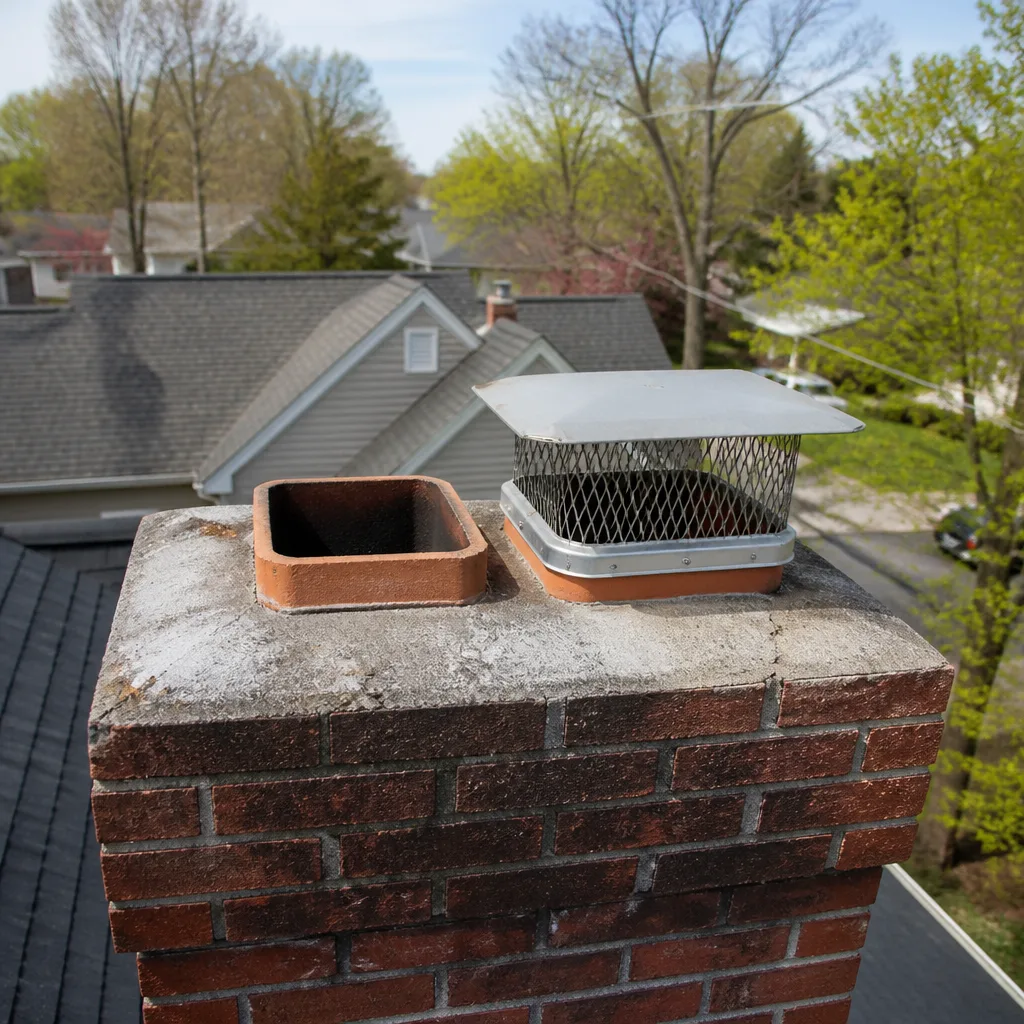
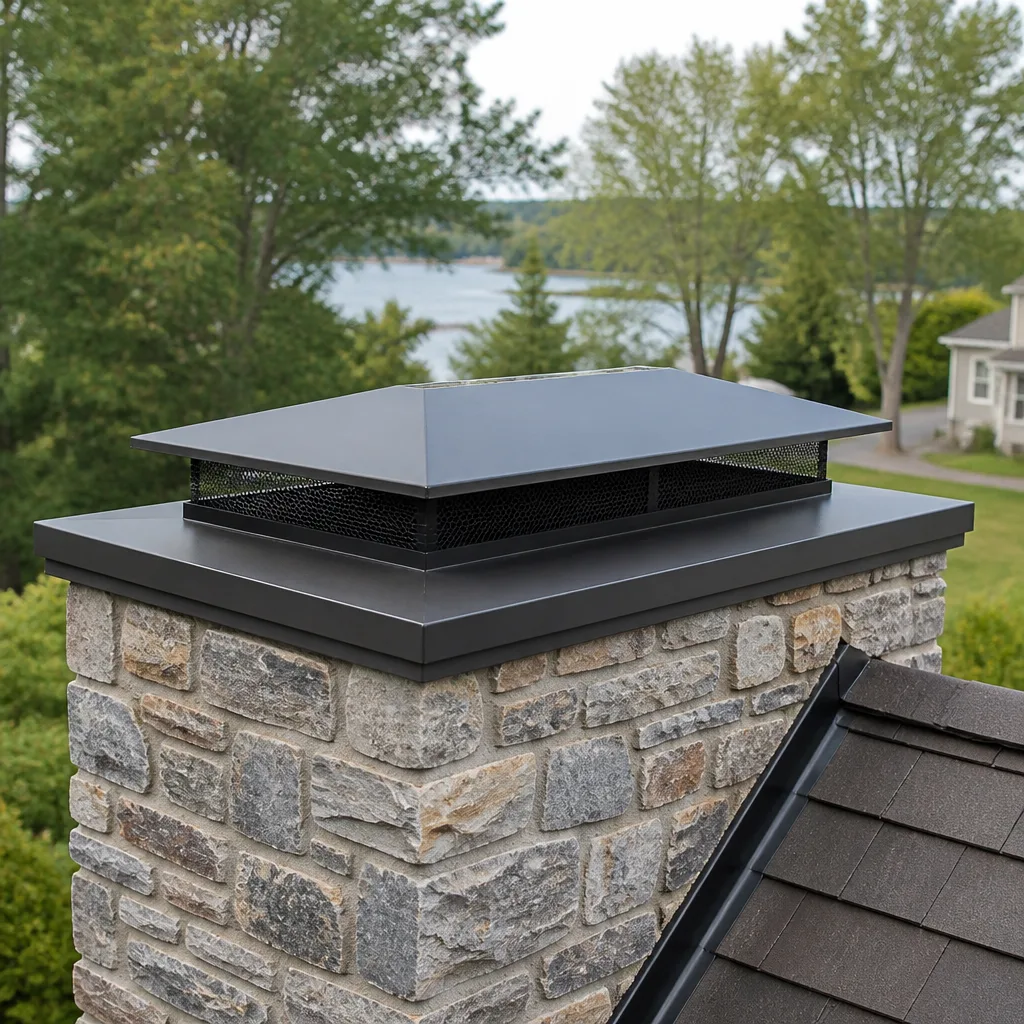
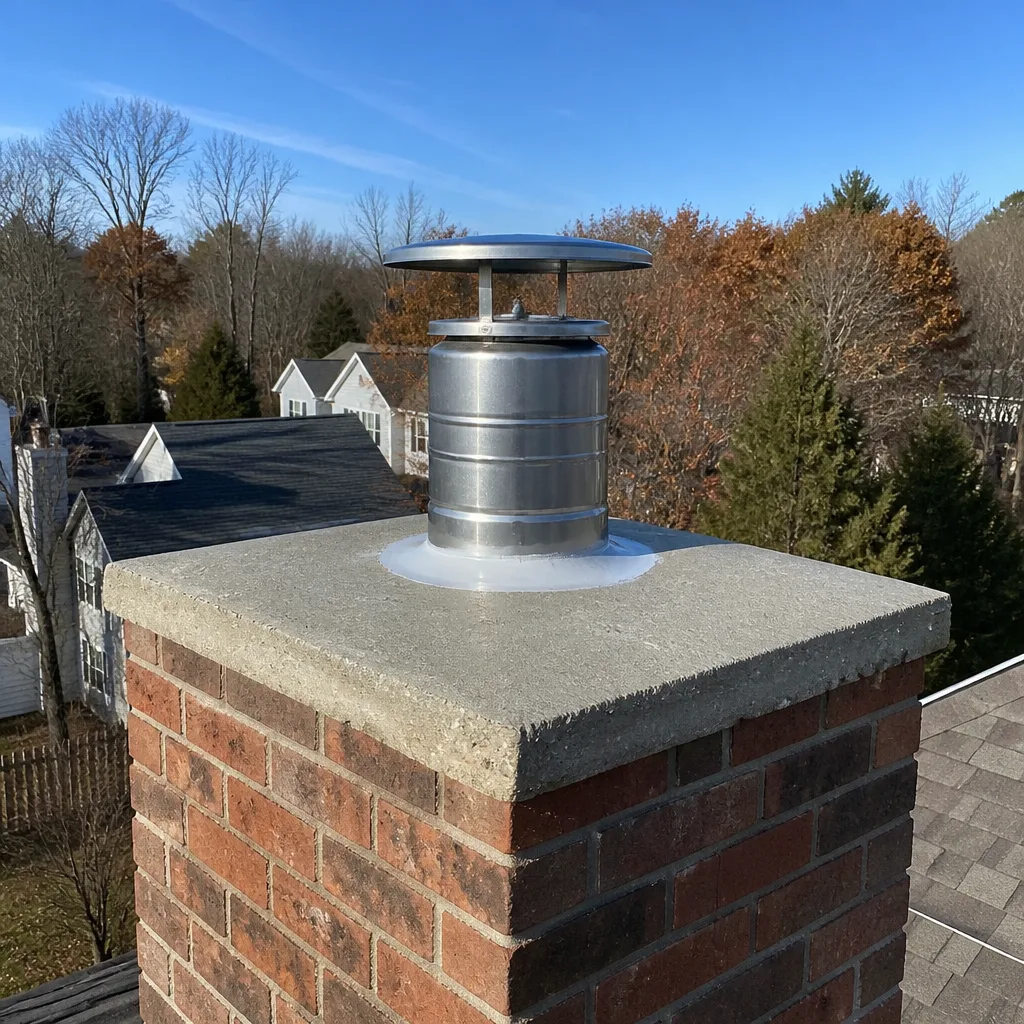
- Cap and crown failures produce downdraft (smoke pushed back down by wind), water intrusion (damp patches near the chimney, rust in the firebox), and animal entry. The fix is a properly fitted cap (Gelco, Famco, and Olympia Chimney all make models we install) plus crown repair where the mortar cap on top has cracked.
- Firebox failures appear as crumbling mortar joints, white chalky deposits, or rust blooms on the metal components. The fix depends on what the visual cue tells you – some firebox issues need repointing, others indicate a moisture problem that starts at the crown.
If you can answer “which of these three is actually failing?” before you call, you’ll get a faster, more accurate assessment. A professional chimney sweep paired with a full inspection is the way to confirm your diagnosis, because the sweep clears the flue while the inspection documents the condition. Inspect before you sweep, repair before you light – that’s the sequence.
The Smoke-Match Test: Distinguishing Backdraft from Blockage from Downdraft
You can safely narrow down your chimney problem with a simple smoke-match test. It won’t tell you the condition of the liner, but it will tell you whether air is moving up, down, or not at all, which points to the right repair category before you spend money. The test is safe as long as you follow these steps and never use an open flame near creosote buildup or a fuel source other than a single match.
- Make sure the fireplace is completely cold. No embers, no warm ash, no glowing coals. This is not optional.
- Close all exterior doors and windows in the house, and turn off any exhaust fans in the kitchen and bathrooms.
- Light a single match and hold it just inside the firebox opening, near the top of the firebox but below the damper.
- Watch the flame and the smoke. If the smoke rises straight up the flue, draft is working. If it blows back into the room, you have backdraft. If it drifts sideways or wavers, you may have a partial blockage.
- Open the damper fully and repeat. If the smoke still won’t rise, the blockage or the pressure problem is real, not a damper mistake.
What each result means:
- Smoke rises cleanly: Your draft is fine. Any smoking you see during a real fire is likely thermal – the flue needs to warm up before it pulls correctly. Sweeping won’t fix this.
- Smoke blows back into the room: You have backdraft, which can come from a cold flue, negative house pressure, or a blocked flue. The match test alone won’t tell you which, but the next section on negative pressure will help you rule that out.
- Smoke drifts or stalls: You likely have a partial blockage (creosote, a bird nest, a collapsed liner section) or a downdraft problem from wind interacting with an inadequate cap.
Run this test once, write down what you see, and bring the result to your service call. In Aliso Viejo, where many homes sit on sloped lots with wind exposure from the ridgeline above, downdraft is especially common on the uphill-facing side of the chimney – and it’s a cap problem, not a sweep problem.
Negative House Pressure: When the Problem Isn’t the Chimney
Some smoking fireplaces have nothing wrong with the chimney at all. Modern Aliso Viejo homes are built tight – energy-efficient construction, sealed windows, weatherstripping, and ducted HVAC systems that pull return air from inside the house. That tightness creates negative house pressure, which means the house is literally sucking air in through any opening it can find, including the chimney. If your fireplace smokes on cold starts and then clears, or if it smokes harder when the HVAC or a bathroom fan is running, negative pressure is a strong suspect.
This is a house problem that shows up as a chimney symptom, and no amount of sweeping or liner work will solve it. Here’s how to check for it:
- Open a window or exterior door about an inch in the room with the fireplace and relight the fire. If the smoking stops or clearly improves, you have negative pressure.
- Turn off all exhaust fans, the clothes dryer, and the HVAC system, then relight. If smoking diminishes, again, negative pressure.
- Notice whether the smoking is worse on cold mornings and improves as the day warms. That’s consistent with pressure changes, not blockage.
- Check whether the smoking started after a remodel, new windows, or HVAC work. Tightening a house is a common trigger.
Fixing negative pressure isn’t a chimney repair. It usually involves a dedicated outside air supply for the firebox, a make-up air strategy for the HVAC system, or a properly sized chimney cap that reduces wind-driven pressure spikes. This is the kind of thing a general handyman won’t diagnose correctly, and it’s one reason we emphasize full-system inspection rather than sweep-only visits. If your firebox has no outside air intake and your house is tightly sealed, that’s a design conversation, not a cleaning one.
Why Southern California Humidity Creates Liner Condensation Problems
Most chimney troubleshooting advice is written for cold climates, and it misses a problem we see repeatedly in Aliso Viejo: liner condensation. Southern California’s mild, humid air means the flue can stay cool for long stretches of the year, and a cool flue plus combustion byproducts equals condensation on the inside of the liner. That moisture mixes with creosote and unburned material to form an acidic slurry that eats at the liner from the inside out, especially on homes that burn occasionally rather than daily.
The national guides assume freeze-thaw cycles, ice dams, and snow. None of those describe Aliso Viejo. What we actually see here:
- Occasional-use fireplaces are the highest risk. A fireplace used a handful of times a month never gets hot enough to dry the flue out between burns, so moisture lingers.
- Metal liners can corrode from the inside where condensation pools at the bottom section. This is why we install professional-grade systems such as DuraFlex rather than off-the-shelf substitutes – the material grade matters when the flue is cool and wet more often than it’s hot and dry.
- Masonry flues absorb moisture into the mortar and brick, then spall and crack. HeatShield resurfacing is designed for exactly this: it rebuilds the flue surface in place without a full liner replacement, which is the repair tier most sweep-only services can’t offer.
- Rust in the firebox is often the first visible sign that condensation has been cycling through the system for years.
If you burn occasionally and your home sits in the marine-influenced humidity that defines Aliso Viejo’s climate, don’t assume that “I barely use the fireplace” means low maintenance. It can mean the opposite. A yearly inspection that specifically checks for moisture damage in the liner is the way to catch this before it becomes structural.
Reading Your Firebox: Spalling, Efflorescence, and Rust Staining
The firebox is a diagnostic chart if you know how to read it. Each of the three visible cues below points to a different underlying problem, and confusing them leads to the wrong repair. Before you do any inspection yourself, know that the firebox and flue are a dangerous area to reach into – never stick your hand or head into the firebox, and never attempt to clean or inspect a flue from inside without proper equipment. You can look with a flashlight from outside the firebox opening; that’s enough to spot the cues.
Here’s what each cue means:
- Spalling brick or flaking mortar. Small flakes on the firebox floor are normal age. Larger chunks, or mortar joints that crumble when you touch them, indicate moisture working through the masonry or thermal stress from over-firing. Spalling at the firebox often traces back to a failed crown or a cracked flue above it, which is why we look at the whole chimney system, not just the box.
- Efflorescence (white chalky deposits). That white powder is salt left behind when moisture moves through the masonry and evaporates. It’s a moisture signature, not a cleaning problem. In Aliso Viejo’s climate, efflorescence often appears on the chimney exterior and the firebox together, and it points to water intrusion from the top or sides of the chimney.
- Rust staining on metal components. Rust on the damper, the firebox grate, or the smoke chamber means water has been sitting in the system. It can come from a missing or failed cap, a cracked crown, or condensation inside the liner. Rust plus efflorescence together is a strong signal of a water problem that needs cap and crown attention, not just a sweep.
When you spot any of the three, the practical next step is a documented inspection with photos you can see for yourself. Nothing should be recommended without camera evidence, and if a repair can safely wait, a good professional will tell you so. That’s how you avoid the “you need thousands of dollars of work” call that nobody can verify. If the firebox itself needs masonry work, fireplace repair addresses the firebox, damper, and smoke chamber specifically, and structural chimney repair handles the flue and masonry above it.
Creosote Odor vs. Combustion Gas Odor: Which One Demands an Immediate Call
Not all chimney smells are the same, and the difference matters. Creosote odor is an ashy, smoky, slightly bitter smell that’s strongest on warm days, when the outside air is warmer than the chimney interior and the flue “reverse-breathes” the smell down into the house. Combustion gas odor is different – it can smell like a car exhaust, sulfur, or a sharp chemical note, and it may come with headache, dizziness, or nausea in the room. Creosote odor can wait for a scheduled appointment. Combustion gas odor needs an immediate call, because it means combustion byproducts are escaping into the living space.
Here’s a practical sorting guide:
- Smell it most on warm afternoons, no other symptoms: Almost certainly creosote odor. Book a Chimney Sweep Aliso Viejo appointment and have the flue cleaned. If the creosote is heavy, the inspection that comes with the sweep will tell you whether the deposit is at a stage that needs more than a standard cleaning.
- Sharp, exhaust-like smell with or without headache: Treat it as a combustion gas event. Put out the fire if one is going, open windows, and call us. Don’t relight until the system has been inspected.
- Damp, musty, or earthy smell: Moisture problem, often a cap or crown failure letting water in. Schedule an inspection, and don’t burn until the source is found.
- Dead animal or bird smell: Animal entry through an uncapped or improperly capped flue. Schedule an inspection and a cap installation together.
If you’re ever unsure which category you’re in, call and describe the smell in plain terms. We answer 24/7 and can tell you over the phone whether to wait or act now. Combustion gases – carbon monoxide in particular – have no reliable smell at all, so if anyone in the home has unexplained headaches, drowsiness, or nausea while or after using the fireplace, treat it as urgent regardless of odor.
Cap and Crown Problems: The Most Overlooked Source of Chimney Damage
If we could point to the single most common cause of serious chimney damage we see in Aliso Viejo, it’s a failed cap and crown. The cap keeps rain, animals, and downdraft out of the flue. The crown is the sloped mortar surface on top of the chimney structure that sheds water away from the masonry. When either fails, water gets into the system and starts the slow decay that shows up years later as efflorescence, spalling, rust, and liner damage.
Warning signs your cap or crown is failing:
- Water stains on the ceiling or wall near the chimney after rain
- Rust on the firebox components or the damper
- A cap that’s visibly loose, tilted, or missing screens
- Cracks visible in the mortar crown when viewed from outside
- Birds, squirrels, or wasps getting into the flue
- Downdraft that gets worse on windy days
Cap and crown work is a repair category, not a cleaning category. We install Gelco, Famco, and Olympia Chimney caps because the right cap for a given chimney depends on the flue size, the crown geometry, and the local wind pattern – so a multi-brand approach matters rather than forcing one cap model onto every house. On the crown side, a properly rebuilt or resurfaced crown stops water damage at its source, which is the most structurally protective service in chimney care. In our experience, homeowners who get the cap and crown addressed early spend far less over the life of the chimney than those who chase water damage from the inside out.
If you’ve never had your cap inspected, or you don’t know whether your chimney even has one, that alone justifies an inspection. It’s the cheapest insurance your chimney can get.
Common Mistakes to Avoid
- Sweeping a thermal draft problem. A fireplace that smokes for five to ten minutes on a cold start and then clears is doing exactly what a cold flue does. Sweeping won’t fix it, and the money is better spent on a proper cap or an outside air supply if the symptoms persist.
- Burning a “cleaning log” instead of scheduling a sweep. Those products are not a substitute for a real cleaning, and they can mask the creosote condition that an inspection needs to see. A proper sweep with camera documentation tells you what’s actually in the flue.
- Assuming “I barely use it” means “it’s fine.” In Aliso Viejo’s mild, humid climate, occasional-use fireplaces are the ones most likely to develop condensation damage inside the liner. Use frequency is not a proxy for liner health.
- Hiring a general handyman for liner or flue work. Flue resurfacing (HeatShield) and professional liner installation (DuraFlex) require specific material familiarity and application skill. A handyman can install a cap, but the liner and firebox work needs a chimney specialist.
- Replacing the cap without checking the crown, or vice versa. The two fail together. A new cap on a cracked crown lets water in from the side; a rebuilt crown under a failing cap lets water in from the top. Address them as a pair.
- Ignoring a combustion gas smell because “the fireplace still works.” A fireplace can burn fine and still be leaking combustion byproducts into the room. Odor plus headache is a stop-and-call situation, not a wait-and-see.
- Using multiple contractors on one chimney. When a sweep, a cap installer, and a masonry contractor each work on part of the system, nobody owns the diagnosis. One provider covering sweep through structural repair eliminates that coordination risk and keeps the whole system’s condition in one record.
When to Call a Professional
Call a professional in these specific situations: smoke spilling into the room on any fire that isn’t a brief cold-start puff; any combustion gas smell; visible cracks, gaps, or staining in the flue; spalling, efflorescence, or rust in the firebox that’s larger than surface wear; water stains near the chimney after rain; a cap that’s missing, loose, or damaged; animals or nests in the flue; or a fireplace you’ve never had inspected. Those are all cases where the cause needs to be confirmed with a camera inspection before any work is done. Chimney Sweep Aliso Viejo offers free estimates in Aliso Viejo. We document what we find with photos you can review, recommend nothing without visible evidence, and tell you plainly when a repair can safely wait. Call (833) 482-6109. We answer 24/7. Fast dispatch from 7am to 7pm, Sunday through Friday.
Frequently Asked Questions
That’s thermal draft: the flue is cold, so it doesn’t pull correctly until warm air fills the chimney, typically within five to ten minutes. Sweeping won’t fix it, because there’s nothing to clear. If the smoking persists past ten minutes, or if it happens only on windy days, the cause is likely a cap or pressure problem rather than cold-flue behavior.
A dirty liner shows heavy creosote deposits when inspected with a camera; a cracked liner shows visible fissures, gaps at the seams, or missing sections. You can’t reliably tell from the firebox opening – it needs camera inspection by a professional. In Aliso Viejo’s humid climate, condensation damage inside the liner can look like a light coating of creosote until the camera shows the cracking underneath.
Yes. Mild, humid air keeps the flue cool for long stretches, and a cool flue condenses combustion byproducts onto the liner surface. Those byproducts are acidic, and they degrade both metal liners and masonry flues over time, particularly on fireplaces used occasionally rather than daily. Annual inspection with a specific moisture check is how you catch it early.
Backdraft is smoke pushed back into the room by pressure inside the house or by a cold flue refusing to draw. Downdraft is smoke pushed back down by wind interacting with the top of the chimney, usually because the cap is missing or undersized for the local wind pattern. The two look similar inside the room but need different fixes – backdraft points to the house or flue, downdraft points to the cap.
Yes, and in our experience it should be the default. The sweep clears the flue; the inspection documents the cap, crown, firebox, and liner together, because they fail in connected ways. Doing both in one visit is how you catch water intrusion before it becomes structural damage, and it’s the whole point of inspecting before you sweep and repairing before you light.
It’s usually creosote odor from reverse flow – warm outside air moving down the cool flue and bringing the smoky smell with it. It’s not a combustion gas event and can be scheduled rather than treated as an emergency. A cleaning and a cap check is the standard response; if the smell is sharp or chemical rather than smoky, treat it as the gas-odor category instead and call immediately.
The Bottom Line
Most chimney problems in Aliso Viejo come down to isolating the right failure category before you spend money on the wrong fix. Thermal draft is a warming issue, not a cleaning issue. Smoking that persists or gets worse on wind points to the cap. Spalling, efflorescence, and rust point to moisture working through the masonry, usually from a failed crown or cap. Combustion gas odor is the one symptom that always warrants an immediate call. Get the diagnosis right, inspect with camera evidence before any repair is recommended, and address the cap and crown as a pair. If you’d like a documented assessment of your whole chimney system – sweep, inspection, cap, crown, firebox, and liner in one relationship – call Chimney Sweep Aliso Viejo at (833) 482-6109 for a free estimate. We answer 24/7. Fast dispatch from 7am to 7pm, Sunday through Friday.
Written by the team at Chimney Sweep Aliso Viejo.
See the difference
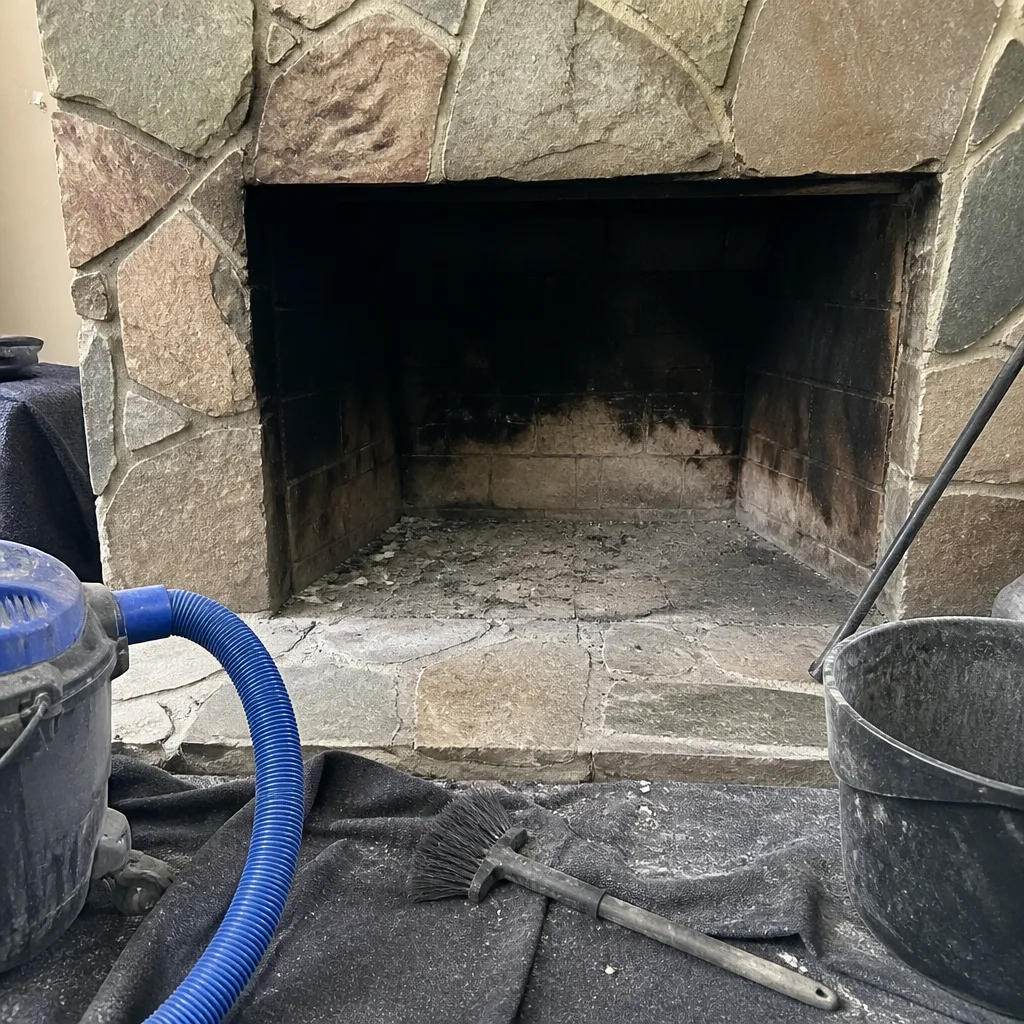 Before
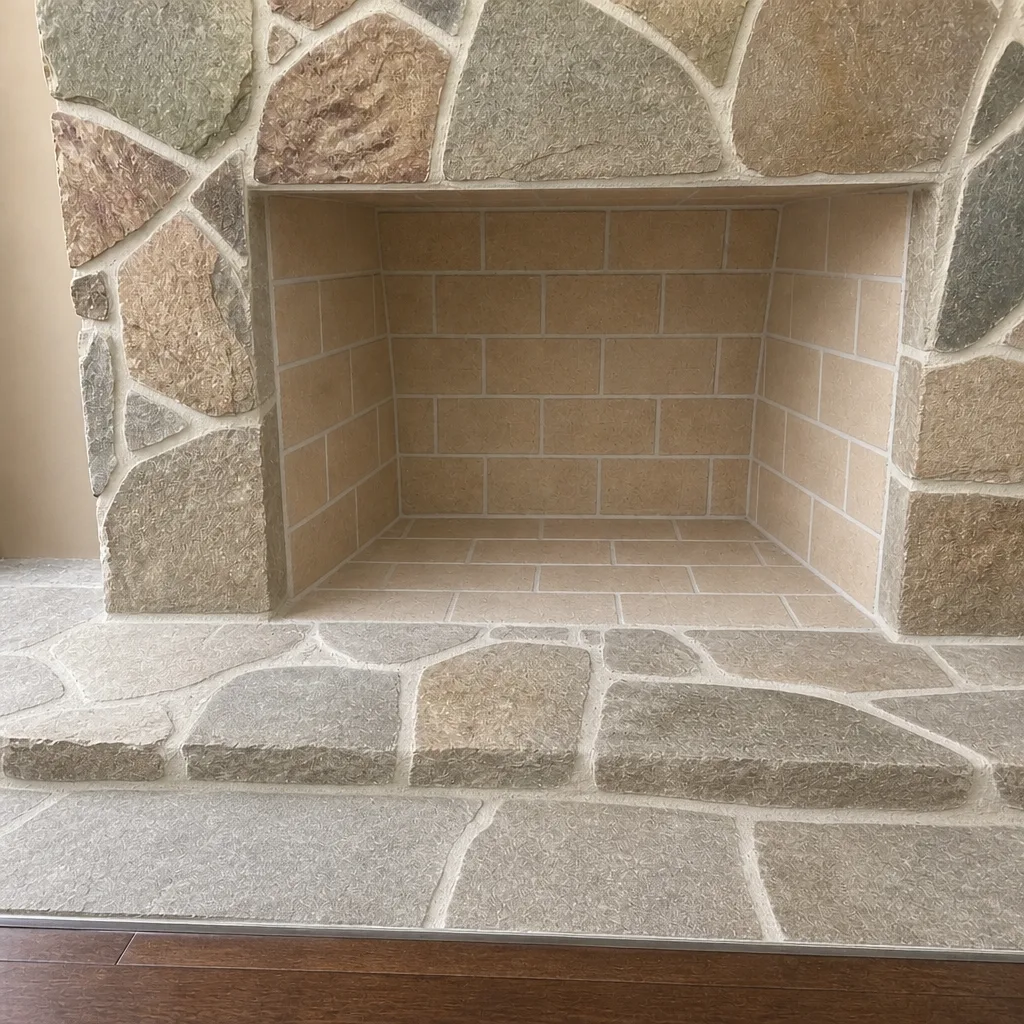 After
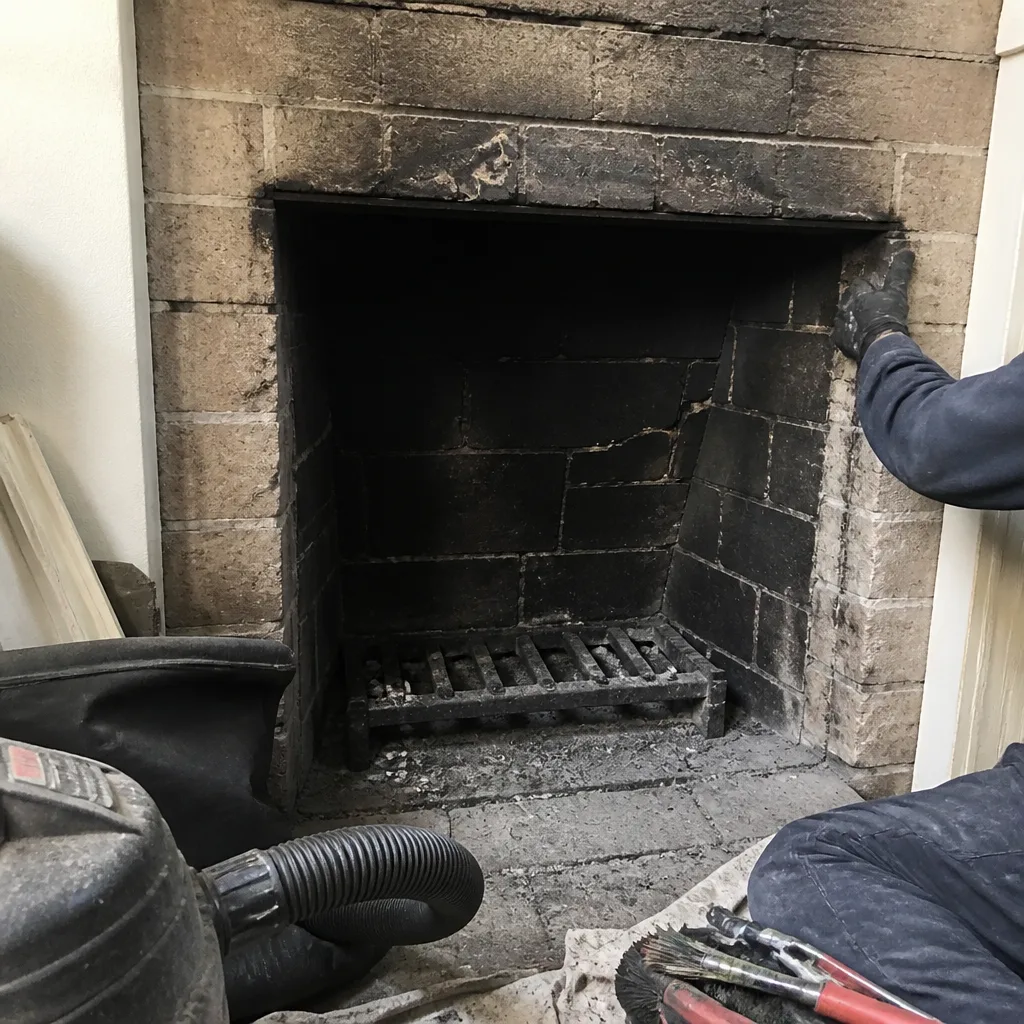 Before
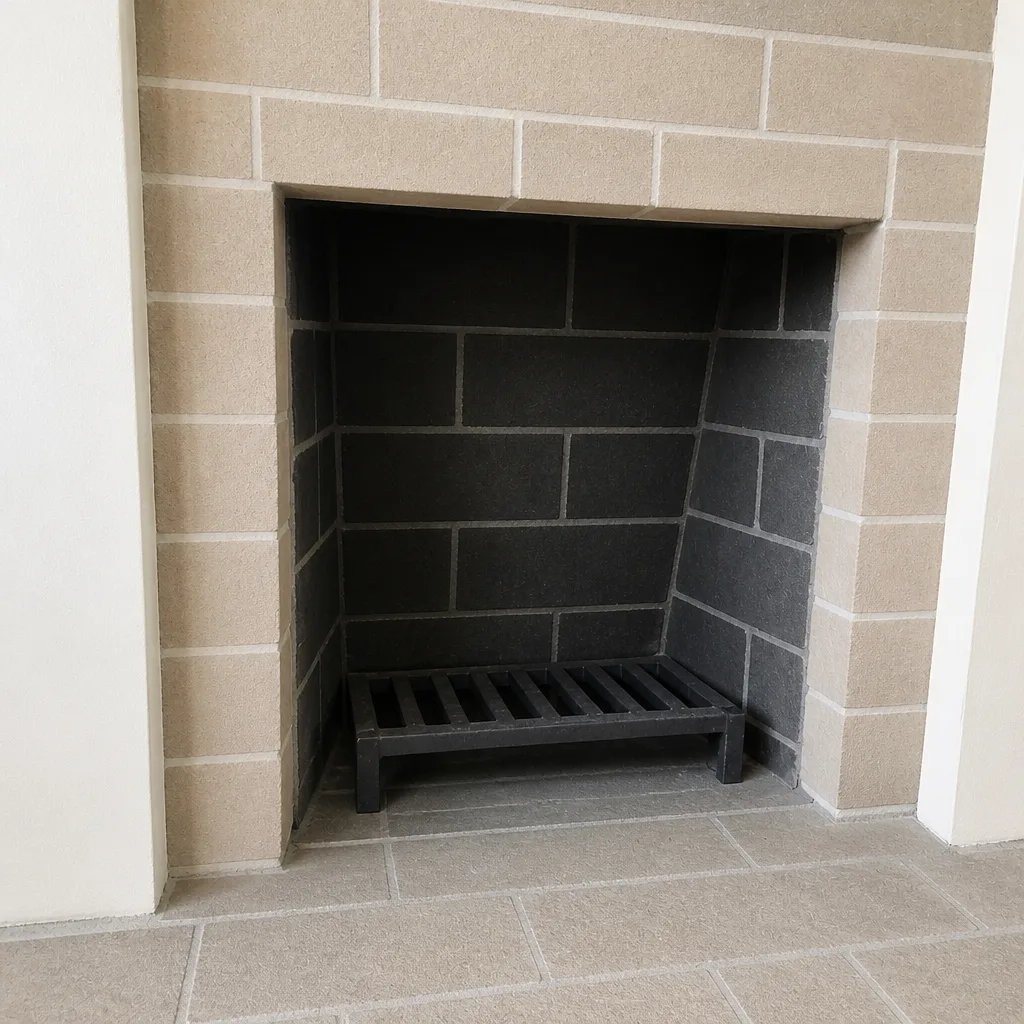 After
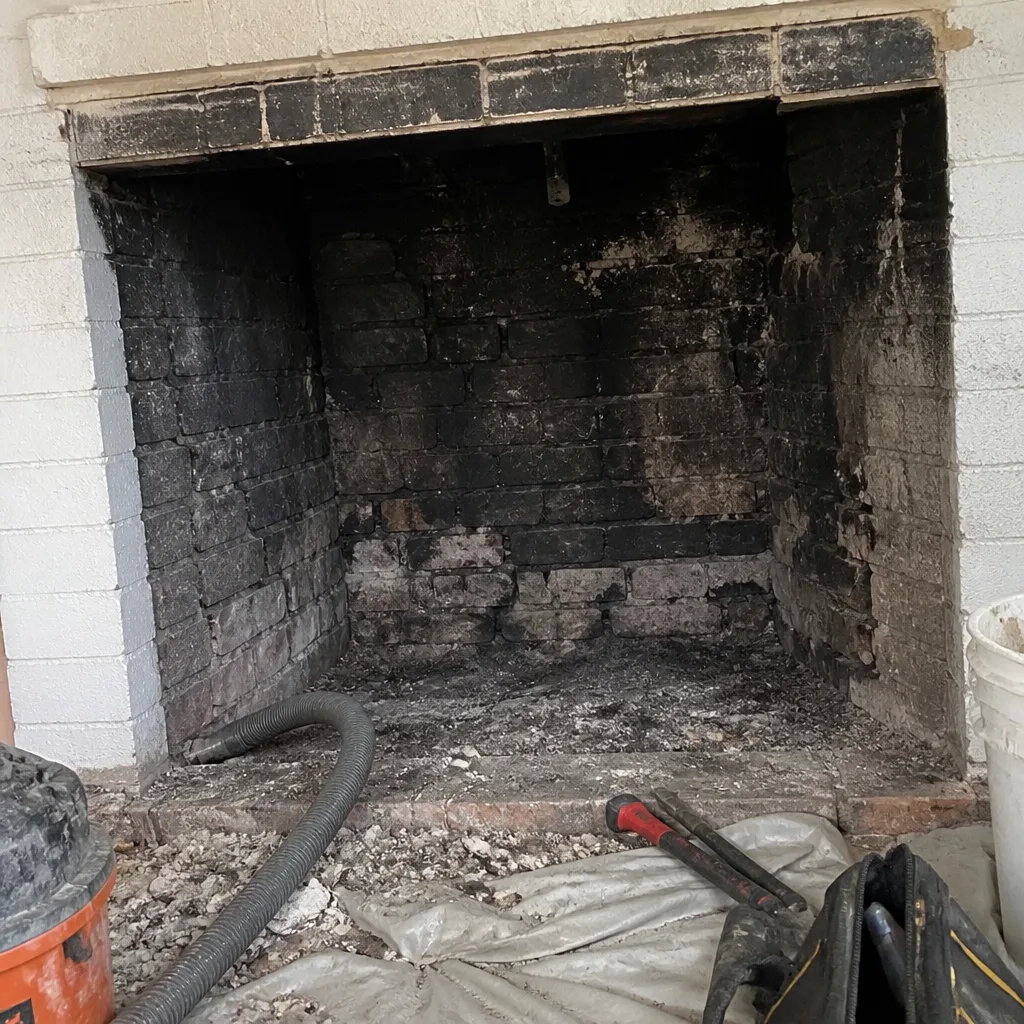 Before
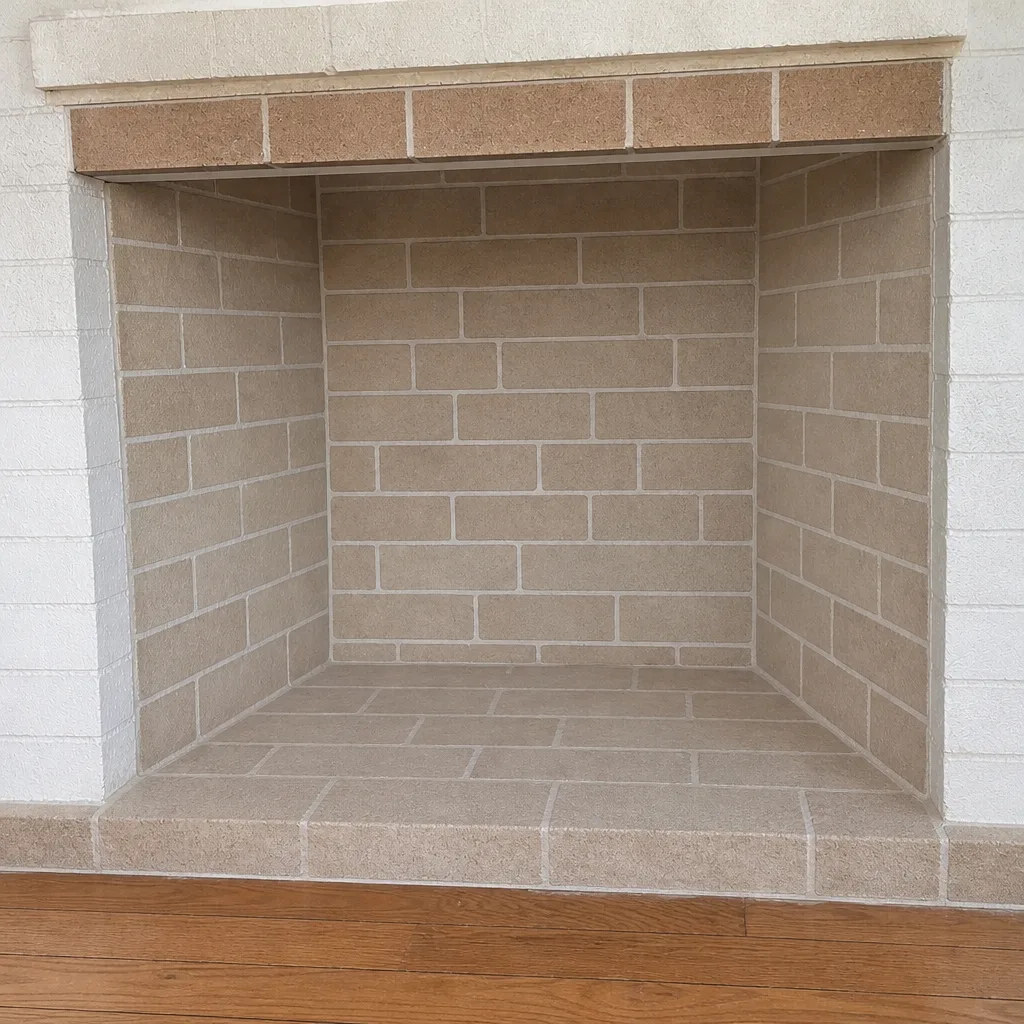 After