
Last updated November 25, 2026
 Sweep & inspection
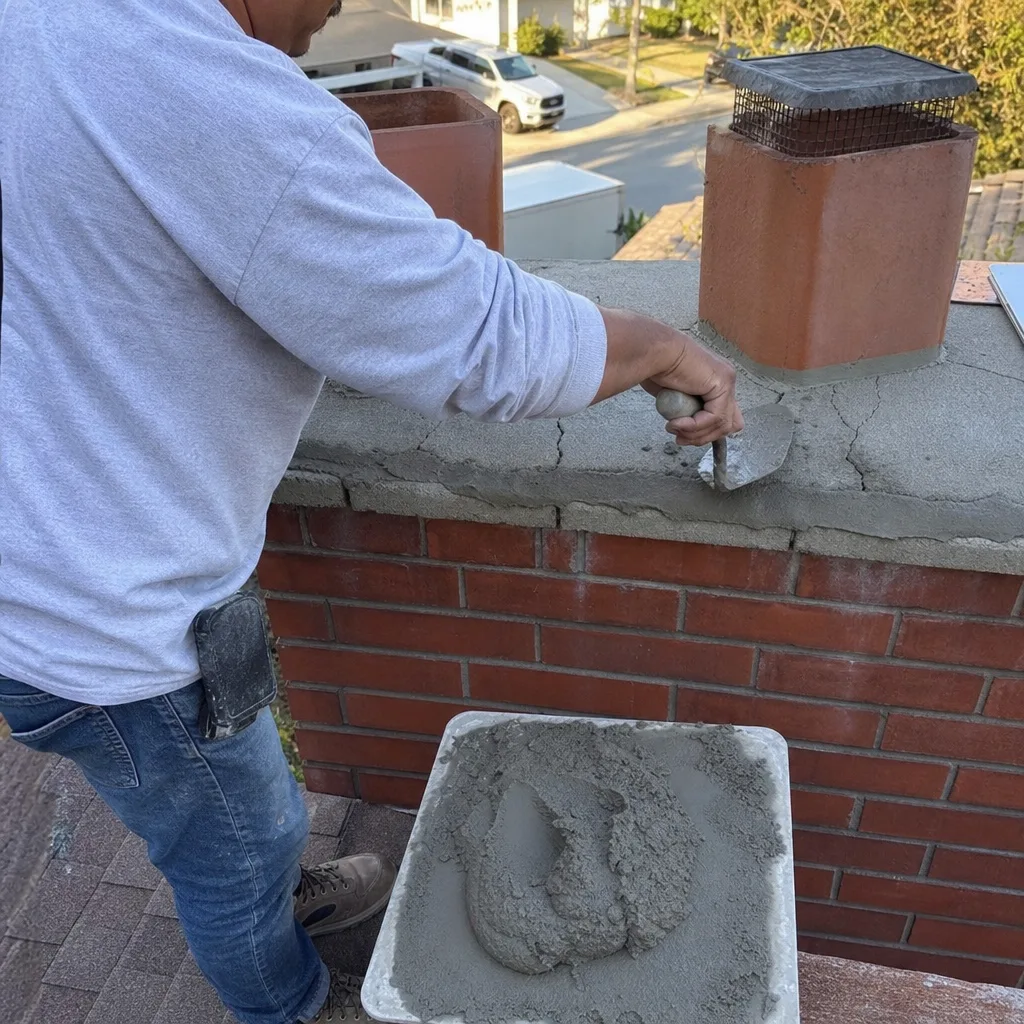
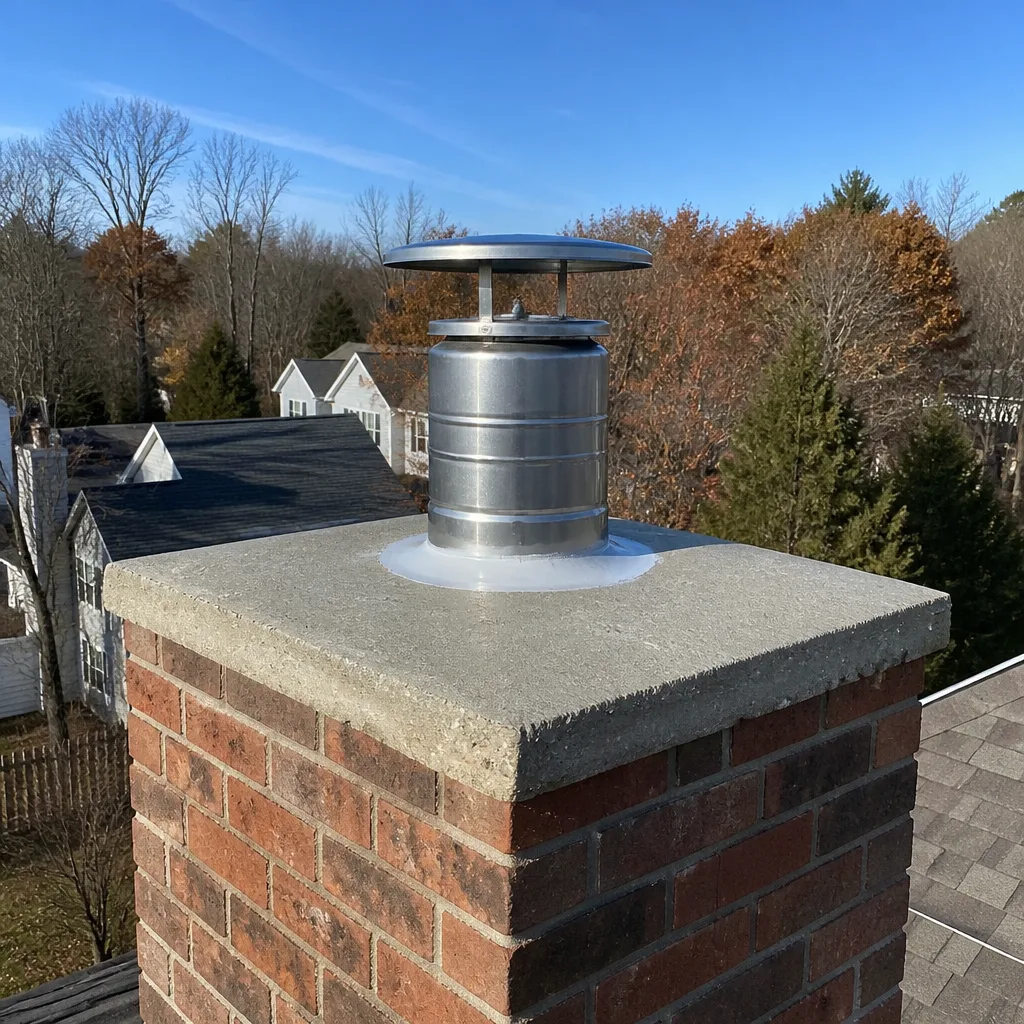
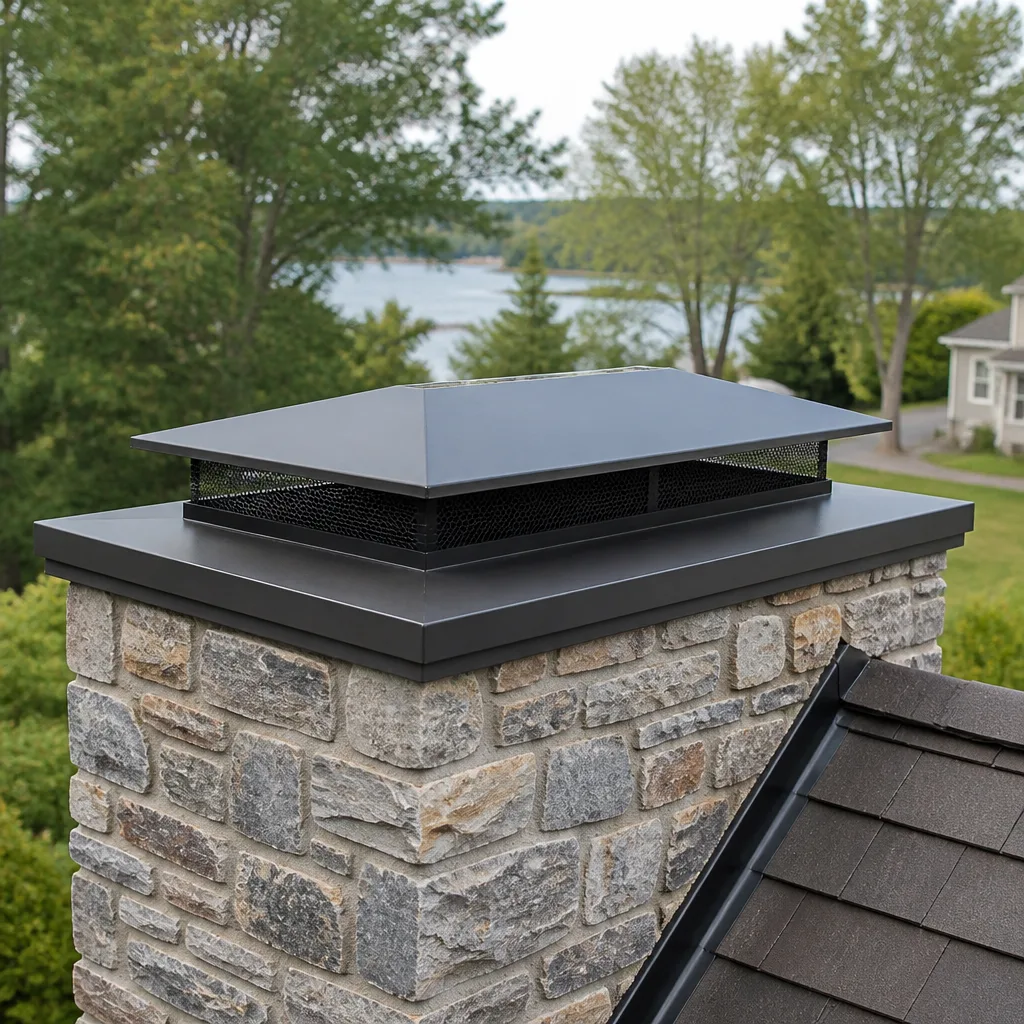 Caps & crowns
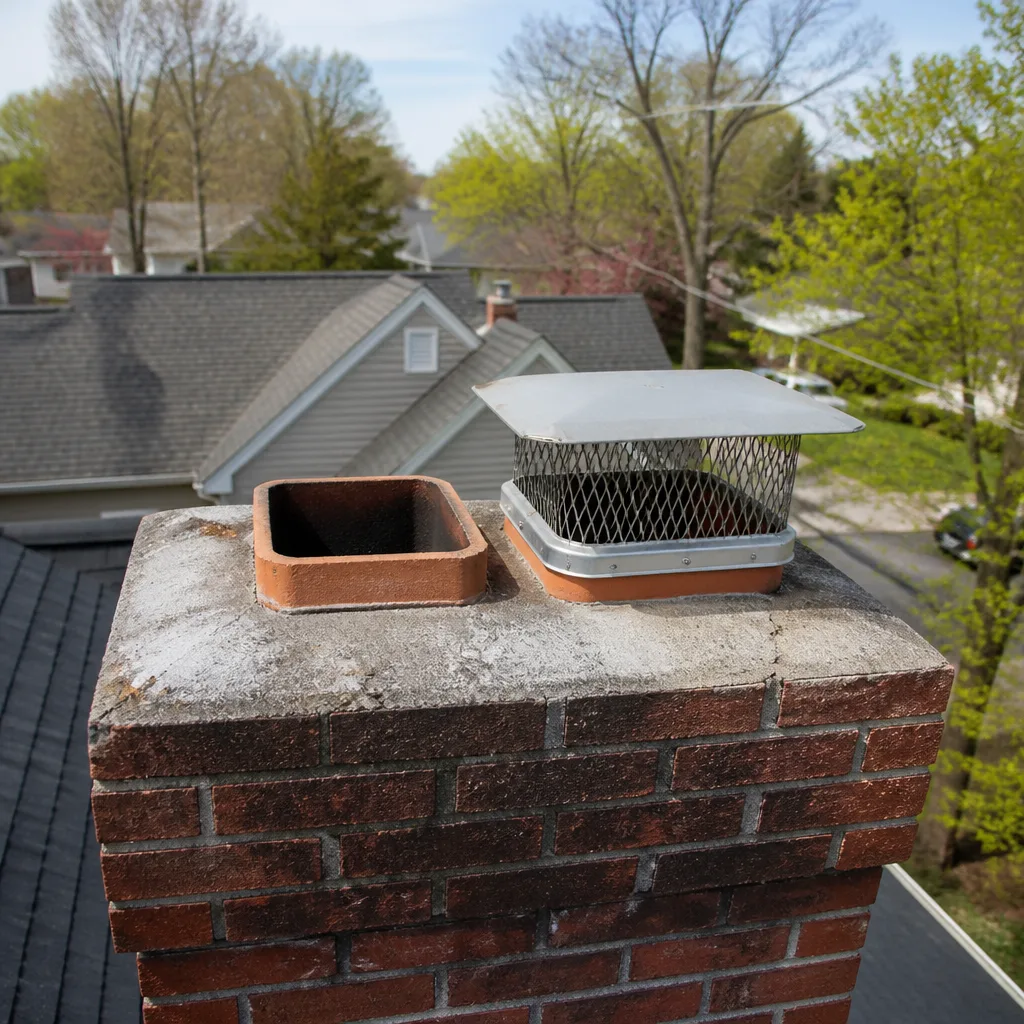
 Flue relining
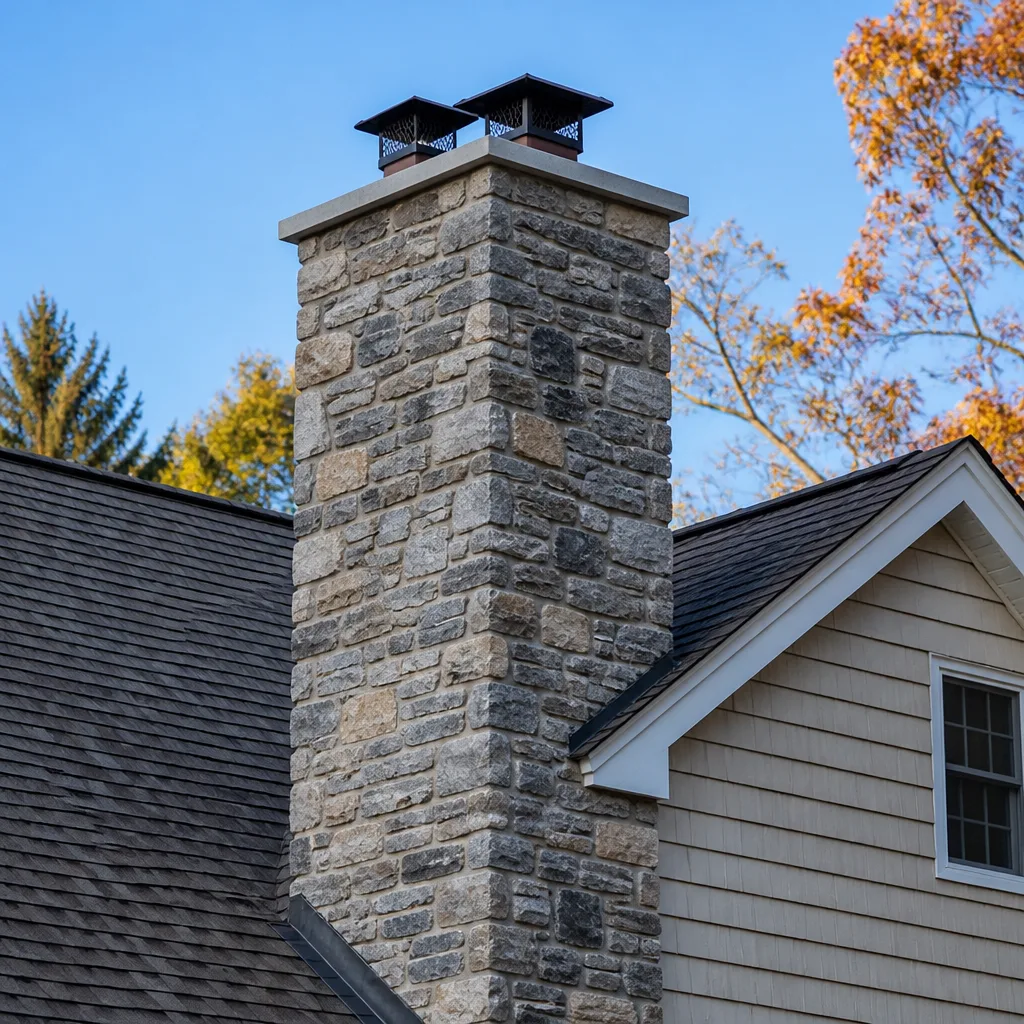 Masonry repair
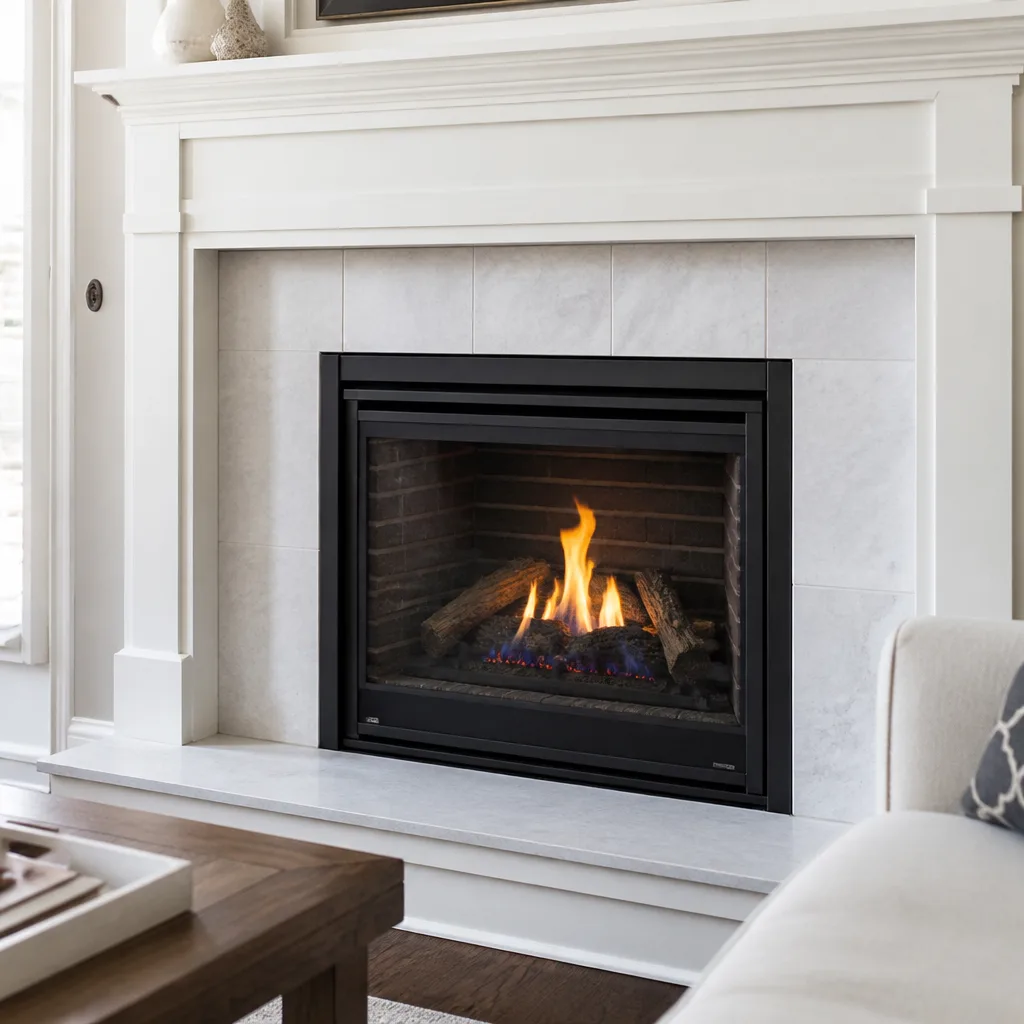 Gas fireplace service
Level 1 sweep and inspection to the NFPA 211 annual standard - flue, crown, cap, and flashing checked and photographed
Chimney sweep logs do not sweep chimneys. They loosen some creosote - which then falls where a brush and vacuum still have to collect it.
Chimney Cleaning Emergency Preparedness Guide for Aliso Viejo Homes
A chimney fire doesn’t always announce itself with visible flames above the roofline. In many cases, a liner fire burns slowly inside the flue while the homeowner notices nothing more than an unusual smell and a firebox wall that feels warmer than it should. That quiet version is the one that does the most damage, because it can crack a flue liner, warp a damper, or push carbon monoxide into living space without ever drawing a neighbor’s attention. This guide covers what to do if a chimney fire starts, how to tell afterward whether one already happened, how carbon monoxide moves through a compromised system, and how Aliso Viejo’s wildland-urban interface changes the risk picture during Santa Ana conditions. You’ll finish with a preparedness checklist you can act on before the season.
Quick Answer
Chimney emergency preparedness in Aliso Viejo means three things: get the system inspected and swept before the burning season so you know the flue is sound, know the exact steps to take if a chimney fire starts, and recognize the after-the-fact signs that a liner event already happened. Most chimney failures we see trace back to a system that was never inspected before the first burn. Inspect before you sweep, repair before you light. If you suspect a chimney fire, call 911 first, then call (833) 482-6109 for an inspection. We answer 24/7. Fast dispatch from 7am to 7pm, Sunday through Friday.
Styles & brands we work with
- Sweep & inspection
- Caps & crowns
- Flue relining
- Masonry repair
- Gas fireplace service
Table of Contents
- What to Do Immediately If a Chimney Fire Starts
- How to Tell If a Chimney Fire Already Happened
- Carbon Monoxide and Your Chimney System
- Santa Ana Conditions and the Wildland-Urban Interface
- Pre-Season Emergency Preparedness Steps
- What Your Insurance Policy Likely Expects
- After a Chimney Fire: The Repair Path
- Emergency Supply and Readiness Checklist
What to Do Immediately If a Chimney Fire Starts
Chimney fire guidance differs from general house fire guidance in ways most homeowners have never been told. The instinct to grab a hose and spray water down the flue is wrong: water on a hot flue can shatter a clay liner, and the steam it creates can push superheated gas back into the room. What you do in the first two minutes matters more than anything else.
If you see flames or dense smoke coming from the top of the chimney, hear a low rumble like a freight train, or notice the stovepipe glowing, treat it as a chimney fire and act in this order:
- Call 911. Do this before anything else. A chimney fire can spread into the attic or roof assembly within minutes, and the fire department needs to be en route even if the fire seems contained.
- Get everyone out of the house. Move people and pets to the yard, away from the roofline. Do not stop to gather belongings.
- Close the firebox doors or damper if you can do so safely. Cutting the air supply starves the fire, but only attempt this if the firebox is not already too hot to approach. Never reach into a hot firebox.
- Do not spray water into the flue. A sudden temperature drop can crack the liner, and the resulting steam is dangerous.
- Do not climb onto the roof. This is the single most common way homeowners get hurt during a chimney fire. Leave the roof to the fire department.
- Wait for the fire department to clear the scene. A fire that looks out does not mean the structure is safe. Smoldering can continue inside the framing.
Once the fire department has cleared the structure, the chimney must be inspected before it is used again. A fire that burned inside the flue leaves behind cracks, spalling, and gaps that aren’t visible from the firebox. That inspection is where a trained professional confirms whether your liner survived. When you’re ready to book, call (833) 482-6109.
How to Tell If a Chimney Fire Already Happened
A chimney fire can burn through a flue and go undetected for weeks if the homeowner wasn’t watching for the signs. In our experience, a slow liner fire often leaves a specific trail that a trained inspector can read. Here’s what to watch for between inspections:
- Puffy, honeycombed creosote. When creosote ignites, it expands and then collapses into a light, airy texture. If you see puffy deposits inside the firebox or at the flue opening, a fire likely occurred.
- Warped or discolored damper. A steel damper that has warped or blued is a strong indication of a heat event above the normal operating range.
- Cracked or spalled flue tiles. Visible from the top or from inside with a camera, cracked tiles are the structural fingerprint of a fire.
- Heat-damaged cap or crown. Discoloration or melting at the cap or crown points to a fire that vented hot enough to damage the top of the system.
- Smoke staining on the chimney exterior. Dark streaks above the crown suggest a fire vented hard enough to push soot out past the cap.
- A persistent smell after a fire. An acrid, smoky smell that lingers for days after a normal fire is a sign that something above the firebox is still off-gassing.
None of these signs are conclusive on their own. They’re the reason a post-fire inspection uses a camera and a physical look at the flue interior, not just a visual glance from the firebox. If any of these signs are present, don’t light another fire until the system has been inspected. Booking a Chimney Sweep Aliso Viejo inspection is the first step.
Carbon Monoxide and Your Chimney System
Carbon monoxide intrusion from a chimney system is almost always a draft problem, not a fire problem. When the flue can’t pull combustion gases up and out, those gases spill back into the living space. In a healthy system, that draft is reliable. In a compromised one, it fails unpredictably, often at the worst moment.
The failure scenarios we see most often in Aliso Viejo:
- Blocked flue. Nests, leaves, or a collapsed liner section can block the flue entirely. A blocked flue with an active fire is a direct CO path into the room.
- Cracked liner. A hairline crack lets a small fraction of flue gas leak into the framing cavity or adjacent flue. In a multi-flue chimney, a broken tile can leak into the neighboring flue and into a room on the other side of the wall.
- Negative pressure in the home. Modern homes are tight. Bathroom fans, kitchen hoods, and clothes dryers pull air out of the house, and if the chimney can’t win the draft battle, gases spill back. This gets worse in cooler weather when more appliances run.
- Deteriorated flue at the top. A missing cap or a degraded crown lets weather and debris into the flue, and a damp flue drafts poorly.
- Damper failure. A damper that won’t fully open restricts flue gas flow and pushes CO back into the room.
Every home that burns wood or gas should have working CO alarms on each level and outside sleeping areas. That’s a baseline safety step, not a substitute for inspection. Alarms detect the problem after the fact; a camera inspection confirms whether your flue is sound before a fire ever gets lit. If you’ve had headaches, dizziness, or unexplained fatigue when the fireplace is running, treat it as a possible CO signature and have the system inspected before your next burn. Call (833) 482-6109 and we’ll get a technician out.
Santa Ana Conditions and the Wildland-Urban Interface
Aliso Viejo sits close enough to the wildland-urban interface that a chimney fire carries risk that a lowland chimney fire doesn’t. When Santa Ana winds push hot, dry air through the canyons, embers from any fire can travel and ignite dry vegetation near a home. A chimney that’s already compromised adds a second layer of exposure: an ember can enter through a missing cap, and sparks venting from a chimney fire can land on the roof or in nearby brush.
The practical response is different from inland winter chimney care. Santa Ana season, roughly fall into early winter, is the period when a neglected chimney is most dangerous. During that window:
- Keep the cap intact. A cap is the first defense against embers entering the flue and against wildlife building nests. Gelco and Olympia Chimney caps are the kinds of professional-grade components we install, and they’re chosen specifically for the flue size and shape rather than as an off-the-shelf fit.
- Clear the roof zone. Remove dry debris, leaf litter, and any accumulated vegetation from the roof and gutters around the chimney. Ember exposure starts at the roof edge.
- Don’t burn on red-flag days. Even a clean, sound chimney shouldn’t be burning when the fire agency has flagged the region for extreme fire weather. The marginal benefit of a fire doesn’t justify the risk on a Santa Ana day.
- Confirm the crown holds. A cracked crown doesn’t just let water in. On a windy day, it’s a weak point in the system that lets air and embers circulate where they shouldn’t.
- Book the sweep before the first Santa Ana warning. Chimneys don’t get inspected at the moment you need them. They get inspected weeks earlier, before the season turns.
If a chimney fire does happen during a Santa Ana event, the fire department response is the priority, but the follow-up inspection is where structural damage gets caught. The same day as the fire is too soon to fully assess damage, but within a few days a trained technician can see what happened inside the flue.
Pre-Season Emergency Preparedness Steps
The best chimney emergency is one that never happens. Pre-season preparation is the difference between a chimney that starts the season sound and one that starts the season with cracks nobody’s seen. Here’s what we tell Aliso Viejo homeowners to do before the first burn:
- Schedule a full inspection before the season. Before any sweeping or burning, the system needs a visual and camera inspection of the flue, firebox, damper, cap, and crown. A camera inspection reveals what the eye can’t reach, and you should receive a photo report of everything found.
- Have the chimney swept if the inspection calls for it. A professional chimney sweep removes creosote and soot before the burn season. The sweep is only as good as the inspection that precedes it, which is why we don’t sweep a chimney we haven’t inspected.
- Fix damaged components before they become emergencies. Cracks in the flue tile, a warped damper, a broken cap, or a deteriorated crown are the setup for a chimney fire or CO intrusion. HeatShield flue resurfacing can address deterioration at the material level on many flues without a full liner replacement, which is a repair-tier capability rather than a sweep-only one. On systems that need a new liner, DuraFlex liner systems are the manufacturer-grade standard we install.
- Install and test CO alarms. One on each level of the home and outside each sleeping area. Test them on the same day you test your smoke alarms.
- Keep fire extinguishers where they’ll actually be reachable. One in the room with the fireplace, one in the kitchen. Check the pressure gauge.
- Know your shut-off points. The gas valve to a gas fireplace, the chimney damper, and the gas meter shut-off. In an emergency you don’t want to be looking for a valve.
- Store the fire department and chimney professional numbers where you can find them without searching. The local fire department is 911. Our number is (833) 482-6109 for inspection and repair.
A pre-season visit also gives you the documentation your insurer may want to see. Aliso Viejo’s fire season overlaps with the traditional burning season, and an inspection report dated before the season shows a proactive posture.
What Your Insurance Policy Likely Expects
Most homeowner policies don’t cover chimney fires caused by deferred maintenance. That’s the part that surprises people. A policy generally covers the fire and the resulting damage from a sudden event, but the insurer can argue that a system that hadn’t been cleaned or inspected represents an unmaintained condition. The exact language varies by carrier, so read your own policy and ask your agent what documentation they want. What you can control is having the record.
Here’s the documentation that typically helps during a claim:
- A pre-season inspection report. A dated report from a qualified inspector establishes the system was sound before the event. Camera photos and a written summary carry more weight than a receipt.
- Records of any repairs. If a liner was resurfaced or replaced, or a crown repaired, keep the documentation. It shows the system was maintained, not deferred.
- A sweep record. A sweep before the season is evidence of routine care. Insurers don’t require a specific sweep frequency, but the record of one supports the claim.
- Documentation of cap and crown service. Since a missing cap or cracked crown is the leading cause of water intrusion into a chimney system, having those components serviced before the season closes the door to a “neglected system” argument.
If you’re preparing for a home sale or a mid-policy inspection, the same records matter. Buyers and insurers both want a documented chimney history. A single visit that covers the sweep, inspection, cap, and crown is easier to document than a chain of separate contractors. One call covers your sweep, your inspection, your cap, and your crown.
After a Chimney Fire: The Repair Path
What happens after a chimney fire depends entirely on what the fire did to the flue. In the worst case, the liner is cracked through and combustion gases can leak into framing. In milder cases, the creosote burned off and the flue needs only resurfacing. Until the inspection, no one knows which case you’re in. That’s the reason a post-fire inspection is not optional.
The repair path generally follows one of three tracks:
- Resurfacing. When the flue has cracks, spalling, or thinning but is structurally intact, HeatShield flue resurfacing rebuilds the flue surface in place. It’s not a mask over the damage; it restores the flue’s structural performance without removing the existing liner. That makes it a repair option for flues that would otherwise need full replacement.
- Relining. When the existing liner is beyond resurfacing, a new liner is installed. DuraFlex liner systems are the professional-grade standard we work with, and they’re sized to the flue. A liner that fits the appliance correctly vents the appliance correctly.
- Cap, crown, and component repair. The top of the system takes the most abuse during a fire. A damaged cap, cracked crown, or warped flashing is repaired or replaced as part of the job. Gelco, Famco, and Olympia Chimney components are the professional brands we use to rebuild the top of the system to spec.
A chimney repair plan that follows a fire isn’t a matter of replacing parts until the symptoms go away. It’s a matter of restoring the system to the condition it was in before the fire, and then documenting it so the next inspection has a baseline.
Emergency Supply and Readiness Checklist
An emergency plan without the supplies to carry it out is a plan you abandon in the moment. Here’s what we recommend Aliso Viejo homeowners keep on hand before the season, alongside the documentation from the inspection.
- Working CO alarms on every level. Tested monthly, batteries replaced on the manufacturer’s schedule.
- Working smoke alarms. Same schedule as the CO alarms.
- Two fire extinguishers. One near the fireplace, one in the kitchen. Checked for pressure and charge.
- A metal ash container with a lid. Ashes stay hot for days. A metal can with a lid, on a non-combustible surface away from the house, is the safe way to store them.
- Flashlights and spare batteries. In an emergency, the power may be off, and you don’t want to be searching for light.
- A written list of shut-off points. Gas fireplace valve, damper, gas meter. Post it inside a cabinet so it’s findable.
- The inspection report and photo documentation. Stored with the family’s important documents, so it’s available for the insurer or a buyer.
- Our number and the local fire department’s non-emergency number. In a fire, that’s 911. For an inspection, that’s (833) 482-6109.
- A current cap and crown check on the calendar. Since these are the leading cause of water intrusion, having them reviewed before the rainy season is the same as having them reviewed before the fire season.
- An inspection booked before the season starts. Not on the day the first Santa Ana warning lands.
Common Mistakes to Avoid
- Skipping the pre-season inspection because the chimney “worked fine last year.” A chimney can have a cracked liner it didn’t have a year ago, and you wouldn’t know until the fire was already burning. The inspection is the only thing that catches that before the season.
- Spraying water into the flue during a chimney fire. This is the most dangerous mistake homeowners make. The thermal shock can shatter the liner, and the resulting steam is superheated. Close the firebox doors, get out, call 911.
- Climbing onto the roof during or after a chimney fire. Roofs are where homeowners get hurt. There is nothing you can do from the roof that the fire department can’t do more safely.
- Assuming a chimney fire never happened because no flames were visible. In our experience, slow liner fires often go unnoticed until an inspection reveals puffy creosote or cracked tiles. Absence of visible flames isn’t absence of fire.
- Using a general handyman for a liner or flue resurfacing job. HeatShield resurfacing and DuraFlex liner work are manufacturer-grade procedures, not general repair. The wrong material applied by an unfamiliar contractor is a system that fails at the worst time.
- Treating the cap and crown as cosmetic. They’re the most structurally protective elements of the whole system. A missing cap is how water, wildlife, and embers enter a flue.
- Burning on red-flag days during Santa Ana conditions. Even a clean chimney isn’t a reason to burn when the fire agency has flagged extreme fire weather in the Aliso Viejo hills.
See the difference
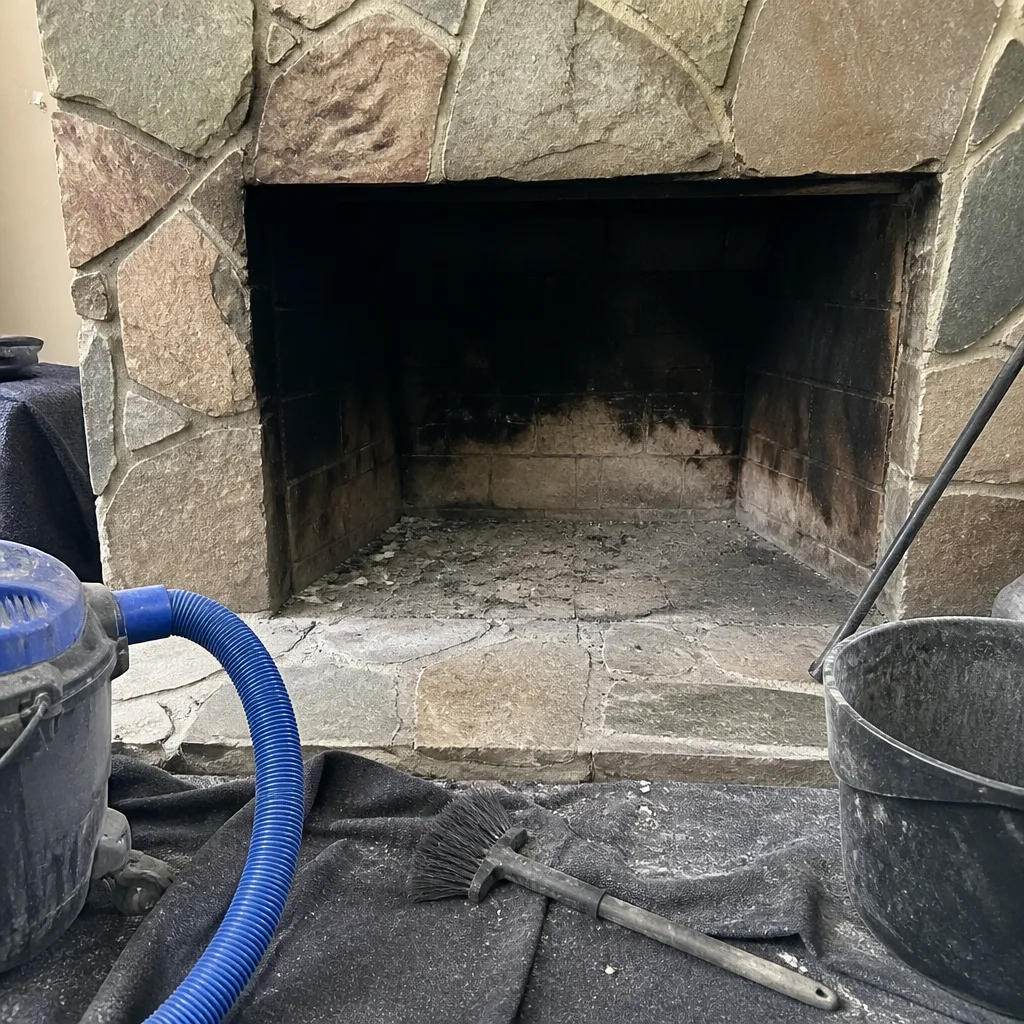 Before
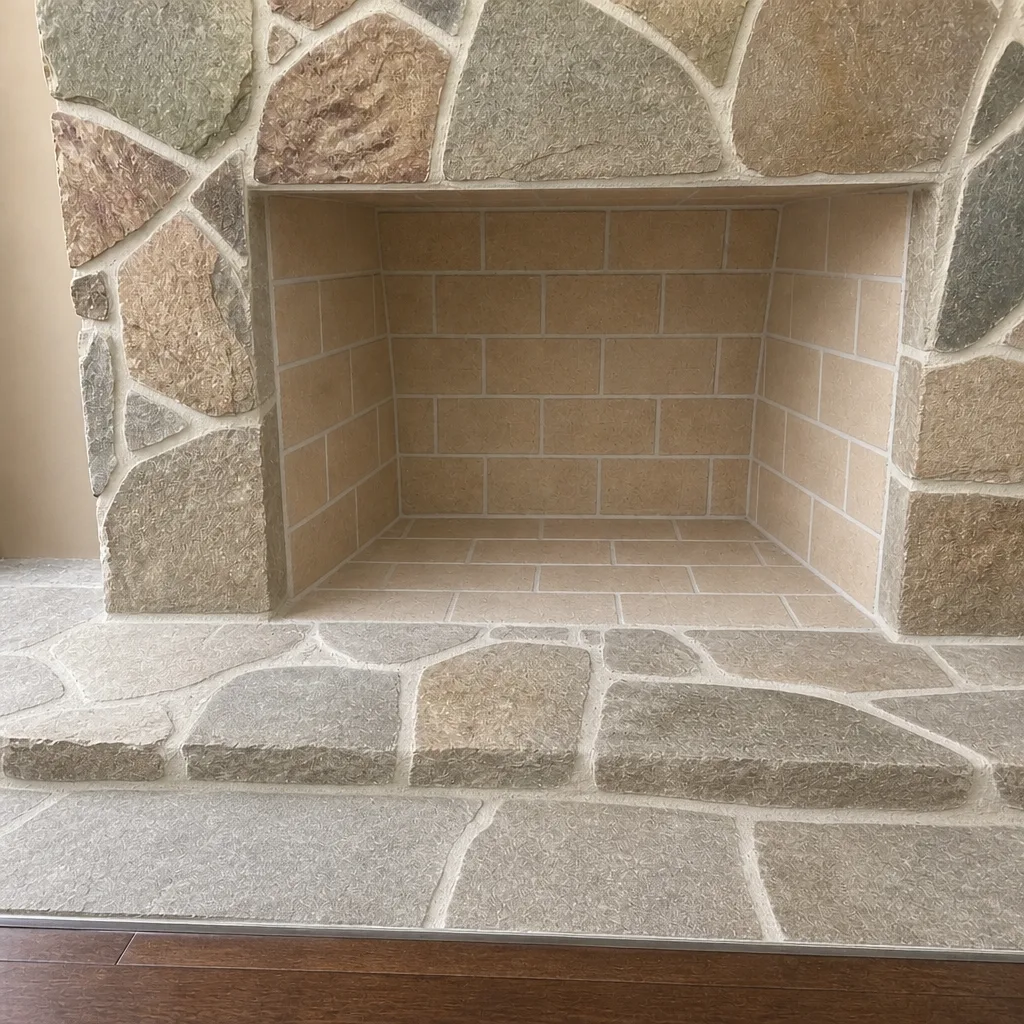 After
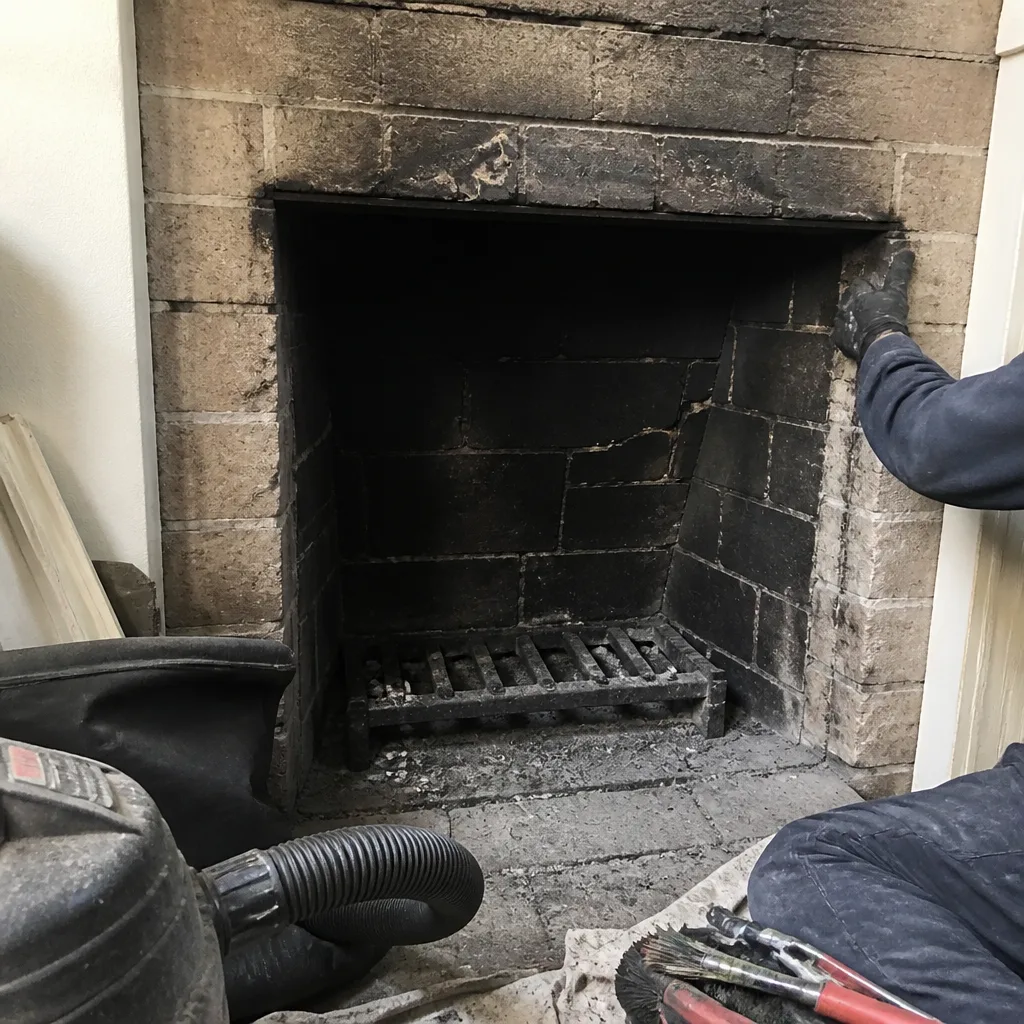 Before
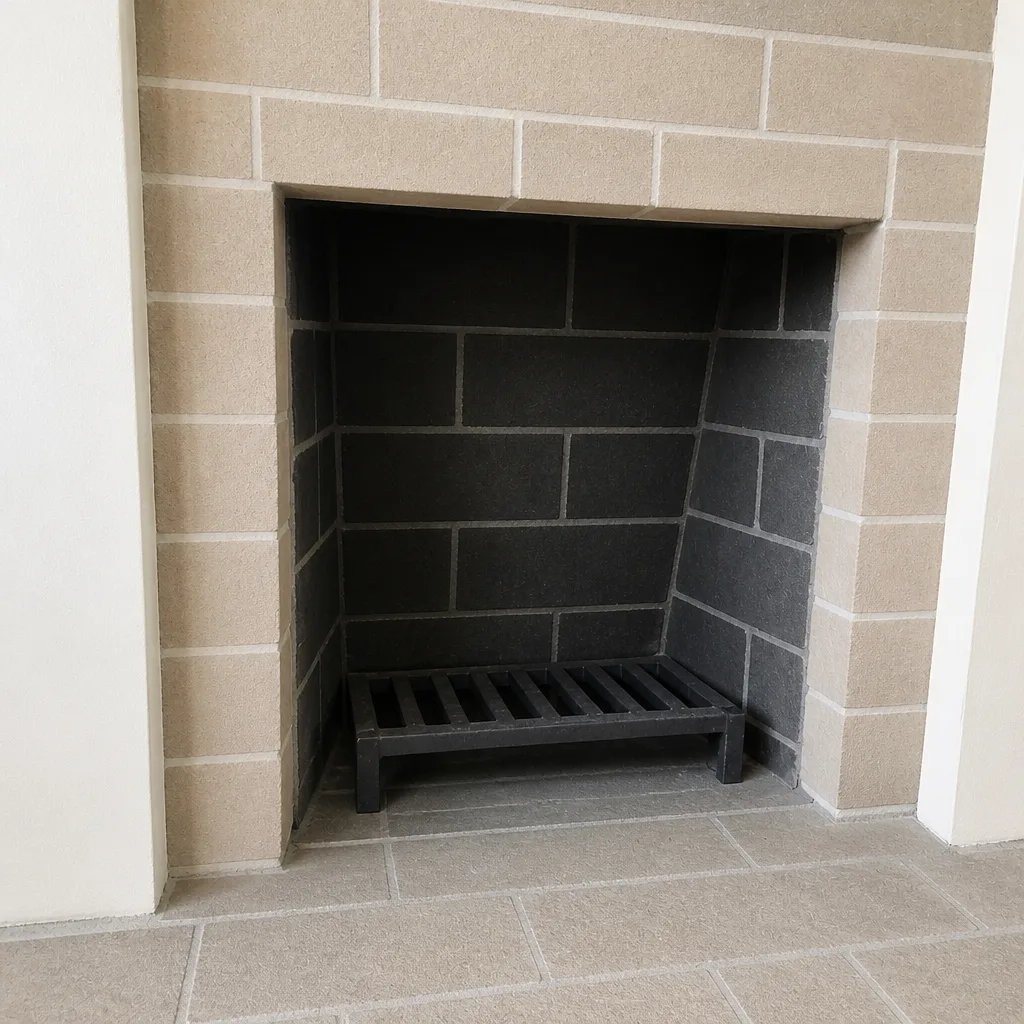 After
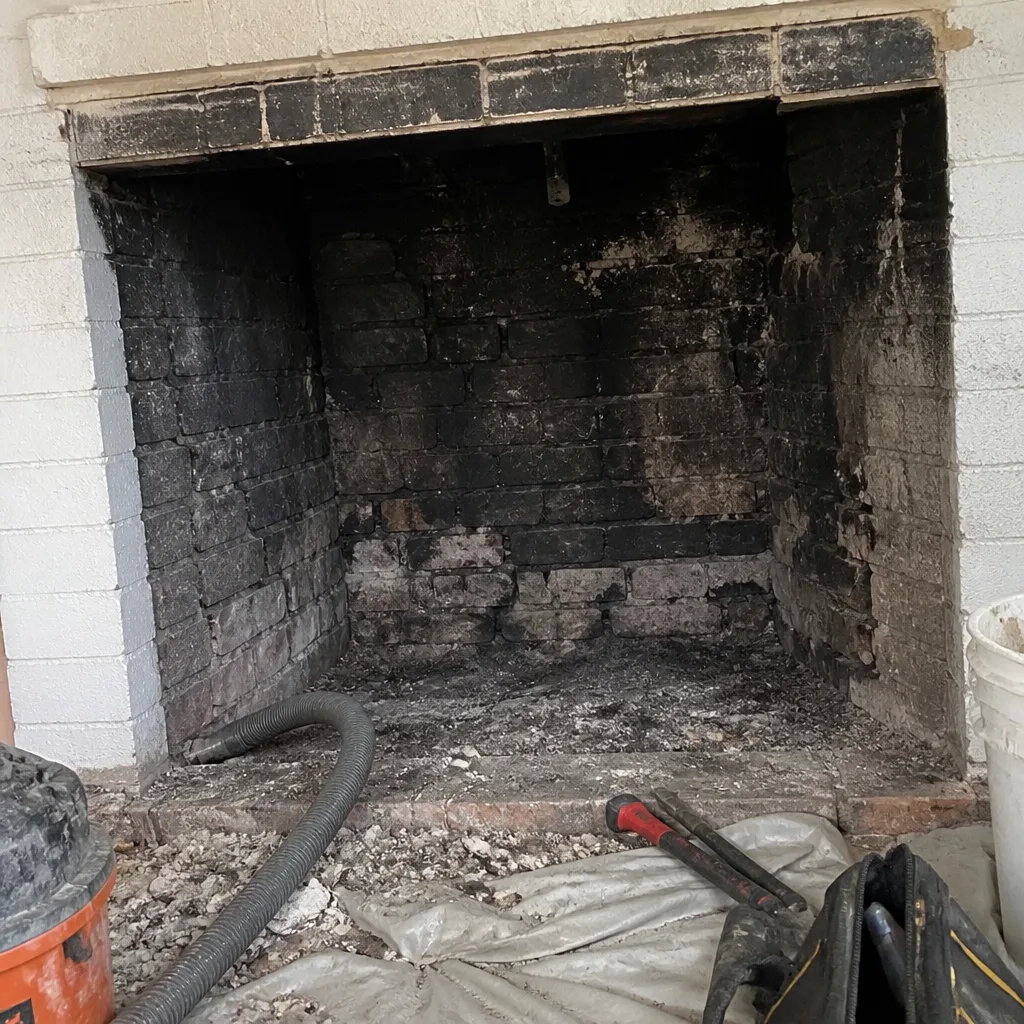 Before
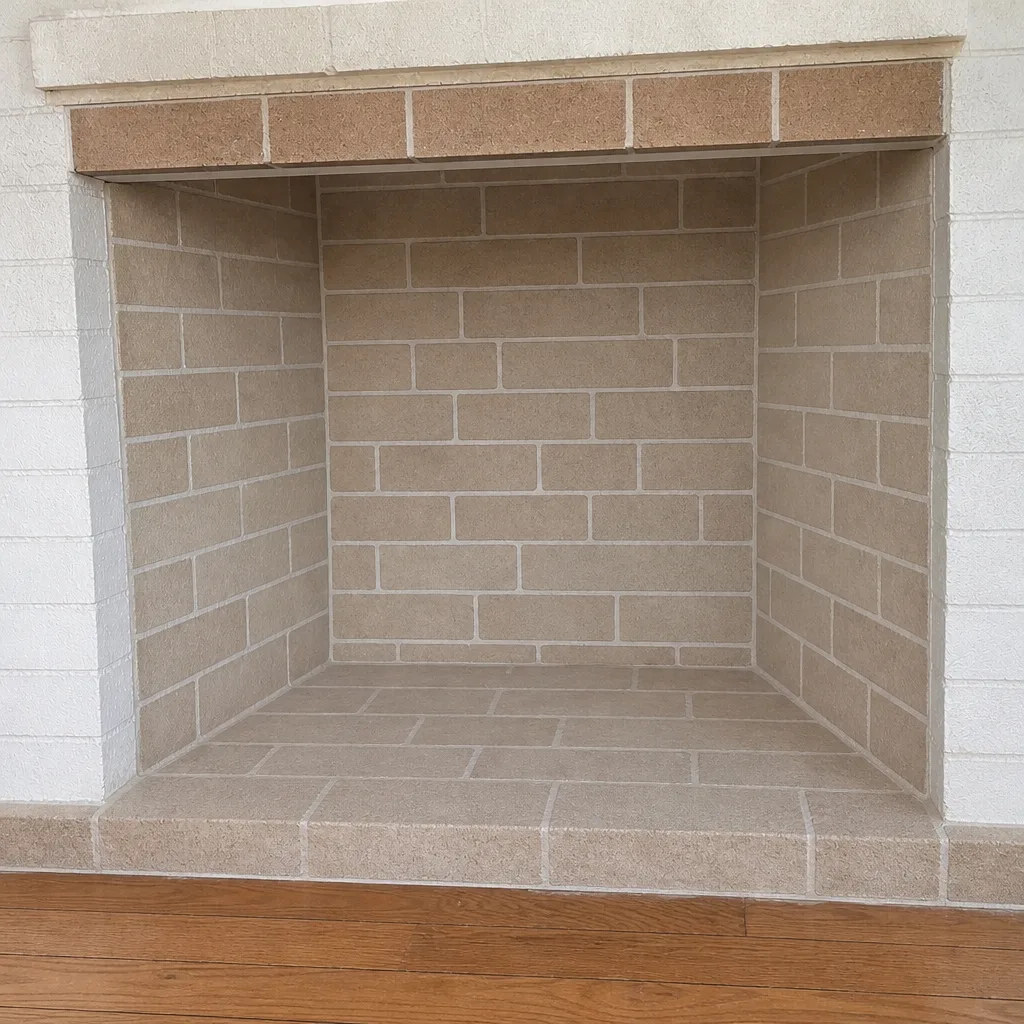 After
When to Call a Professional
Some chimney work is safe to do yourself, and some isn’t. The line is clear: sweeping at the firebox level is a trained procedure, and anything inside the flue beyond visual inspection requires a professional. Call us if you have any of the following:
- A suspected chimney fire, even if you didn’t see flames.
- Headaches, dizziness, or fatigue when the fireplace is running.
- A cracked or spalled flue visible from the firebox or at the cap.
- A missing, damaged, or rusted cap or a cracked crown.
- A damper that won’t open or close fully.
- A smell of smoke that lingers after the fire is out.
- A home sale or insurance review that requires documentation.
- A chimney that hasn’t been inspected before the season.
Chimney Sweep Aliso Viejo offers free estimates in Aliso Viejo. Call (833) 482-6109. We answer 24/7, with fast dispatch from 7am to 7pm, Sunday through Friday. Our technicians have up to 13 years of experience. If your fireplace needs attention between the sweep and the structural work, our fireplace repair team handles it as part of the same visit. If the repair path leads to a structural job, our chimney repair service picks up where the inspection left off. And when it’s time for the routine visit that keeps the whole system in condition, the sweep is the anchor: one call covers your sweep, your inspection, your cap, and your crown.
Safety first: A chimney system is one of the few parts of a home where a failure can release carbon monoxide or fire into living space with little warning. That’s a job for a trained professional, not a weekend project. If you’re unsure whether your chimney is safe, don’t light a fire. Call us and let a technician tell you what the camera sees.
Frequently Asked Questions
Pricing for a chimney inspection in Aliso Viejo depends on the system and what the inspection covers, and the written estimate sets the final price. A routine visual inspection, a camera inspection, and a post-fire inspection all involve different scope, so the estimate is a per-job number rather than a flat fee. Call (833) 482-6109 for an exact quote; estimates are free.
The first signs of a chimney fire are often a low rumbling sound, a sudden smell of smoke in the room, dense smoke from the top of the chimney, and a firebox wall that feels hotter than normal. Visible flames above the roofline are not always present. If any of those signs are happening now, call 911 before anything else. After the fire department clears the scene, call (833) 482-6109 for an inspection.
Yes. A slow liner fire can burn out on its own and leave no obvious trace except a puffy creosote texture, a slightly warped damper, or a cracked flue tile that only a camera catches. Homeowners often discover the event weeks later when an inspection reveals the damage. If your chimney hasn’t been inspected since your last fire season, call (833) 482-6109 and we’ll book the inspection.
Headaches or dizziness when the fireplace is running can be a carbon monoxide signature, and they should never be ignored. CO intrusion happens when a blocked or cracked flue, a failing damper, or negative pressure in the home keeps combustion gases from venting outside. Get everyone outside, open the doors, and call 911 if symptoms are severe. Even mild symptoms warrant an inspection before the next burn: call (833) 482-6109.
Aliso Viejo’s proximity to the wildland-urban interface changes chimney risk during Santa Ana conditions, because embers can travel from a compromised chimney or from sparks into dry vegetation near a home. A missing cap, cracked crown, or damaged liner makes the system a weak point during those wind events. Getting the cap and crown checked before Santa Ana season starts is the practical step. Call (833) 482-6109 for a cap and crown inspection.
A chimney that shows after-the-fact signs (puffy creosote, a warped damper, cracked tiles, or a heat-damaged cap) still needs to be inspected before you burn again. The absence of smoke and flames doesn’t mean no fire occurred; it means the fire may already be out. That’s exactly when a camera inspection confirms whether the flue survived. Call (833) 482-6109 to book the inspection, and don’t light another fire until a technician has seen the inside of the flue.
Not always. After a chimney fire, some flues can be resurfaced with HeatShield rather than replaced, and some can safely wait while a repair is scheduled. In other cases, a cracked liner or a damaged crown needs attention before any further use. The written inspection report tells you which case you’re in, and it says plainly when work can wait and when it can’t. Call (833) 482-6109 and we’ll walk you through the report.
The Bottom Line
Chimney emergency preparedness in Aliso Viejo comes down to four things: inspect before you sweep and repair before you light, know the steps to take if a chimney fire starts, know the signs that one already happened, and address carbon monoxide risk with working alarms and a documented inspection. Santa Ana conditions add a regional twist because the wildland-urban interface raises the stakes on caps, crowns, and compromised flues, and insurance documentation has to be in place before the event, not after. Aliso Viejo homes that start the season with a camera inspection, a written photo report, and the right professional-grade components in place are the homes that don’t become emergencies. Call (833) 482-6109. We answer 24/7. Fast dispatch from 7am to 7pm, Sunday through Friday. Estimates are free, and the written estimate sets the final price.
Written by the team at Chimney Sweep Aliso Viejo.