
Last updated November 25, 2026
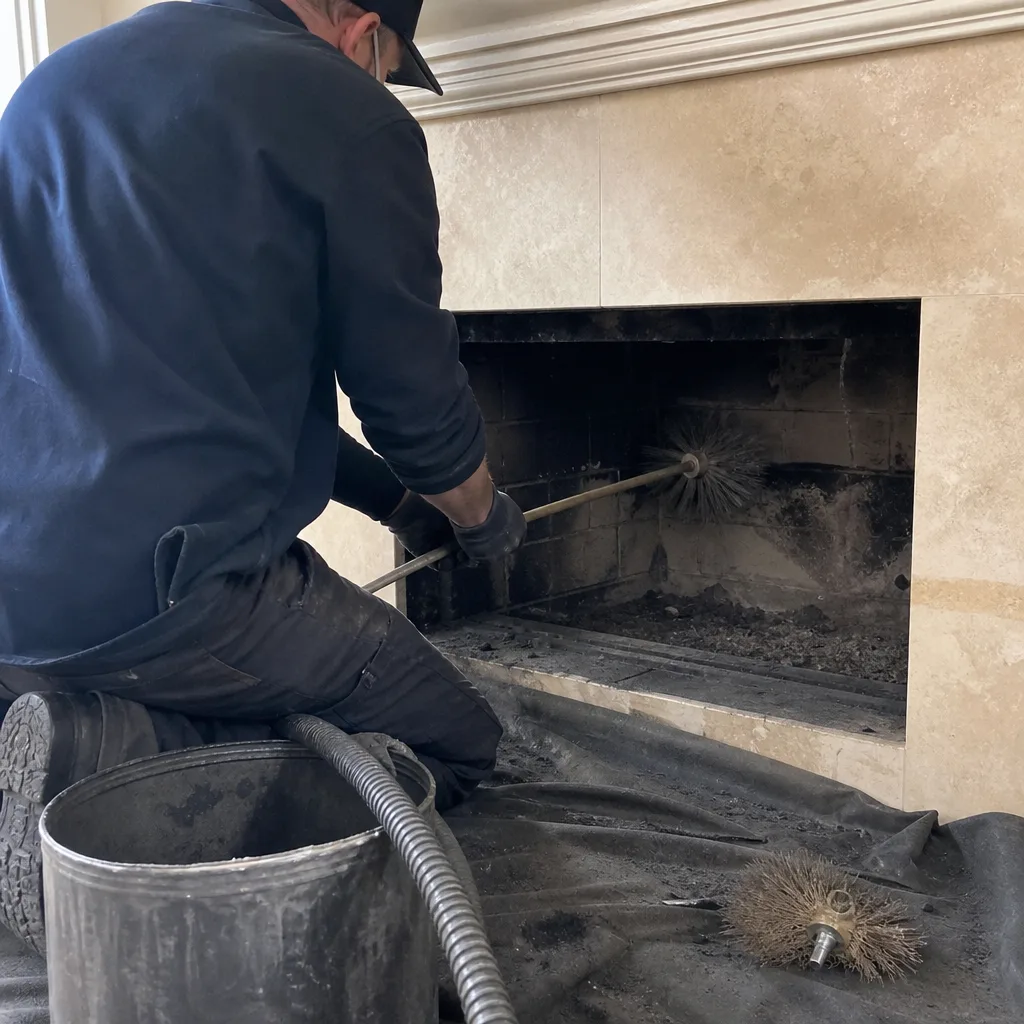
 Sweep & inspection
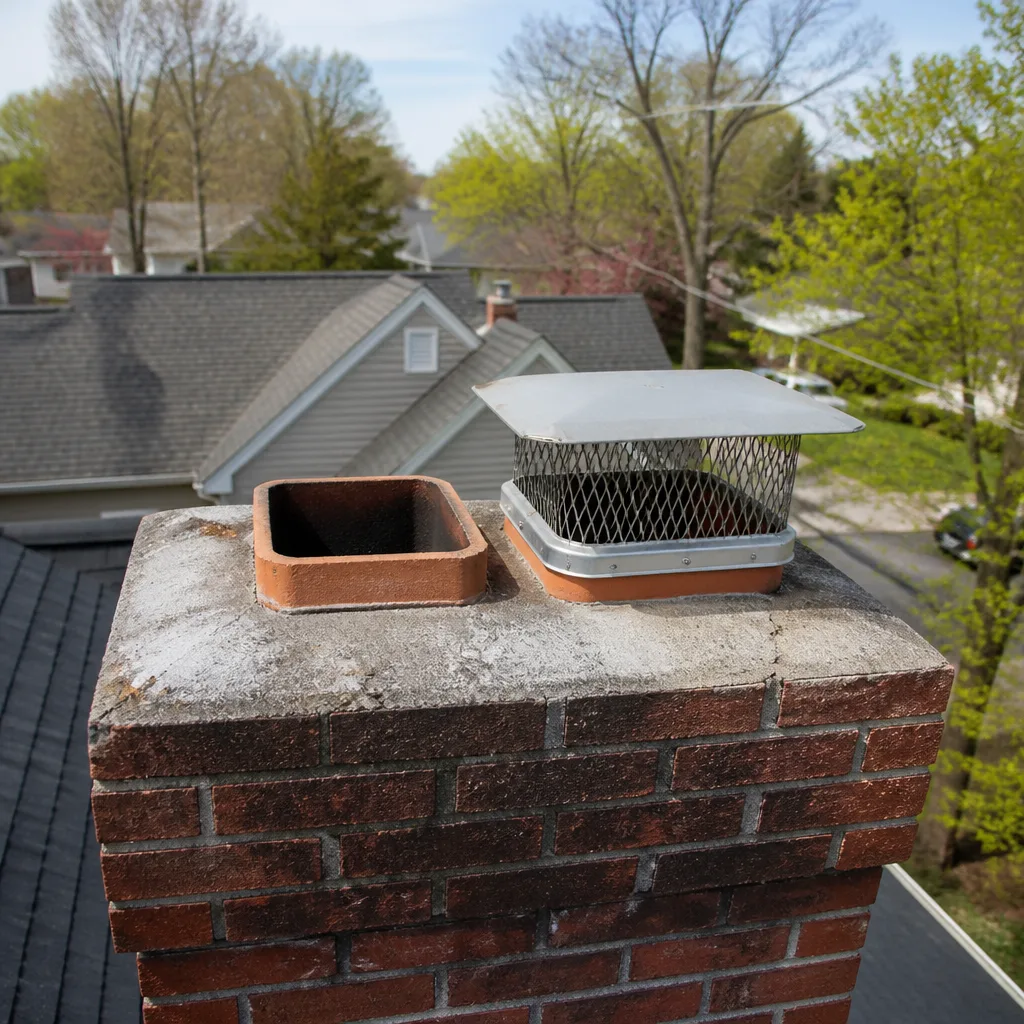
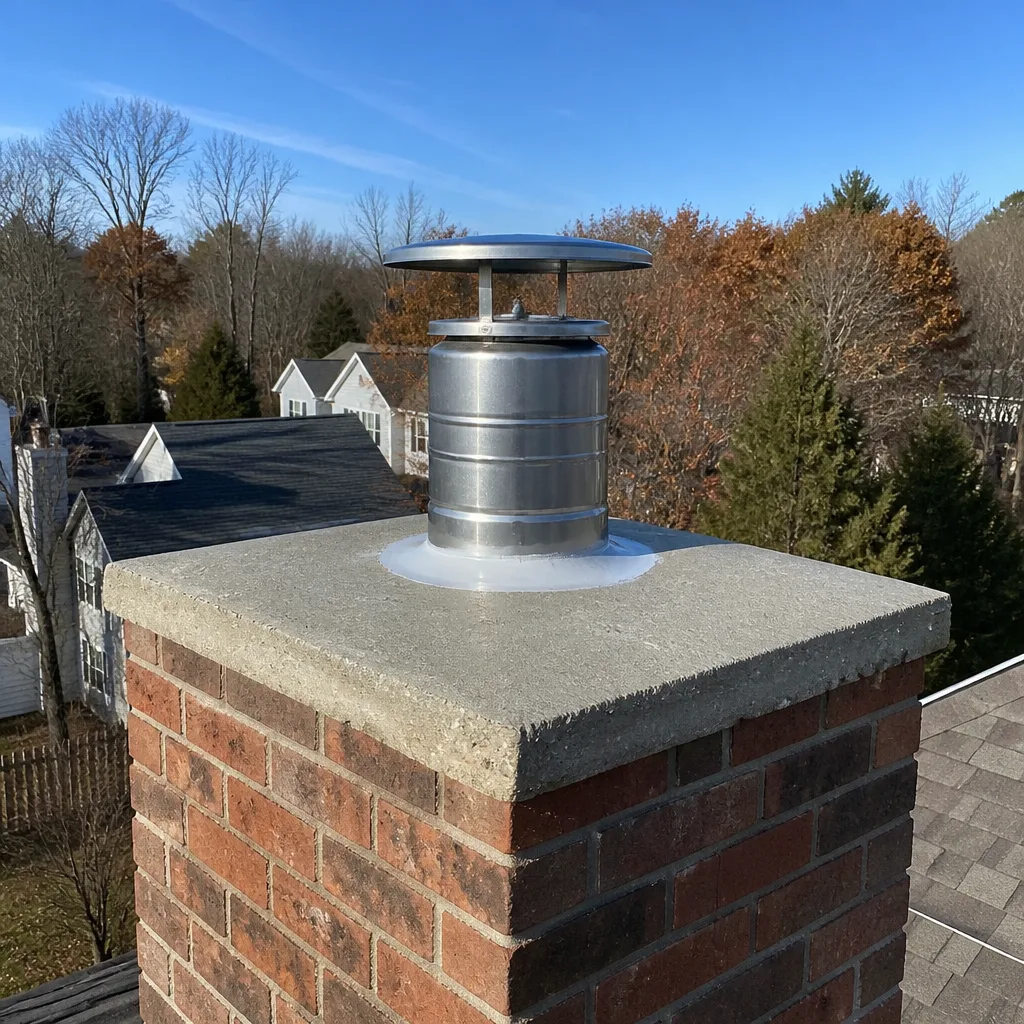
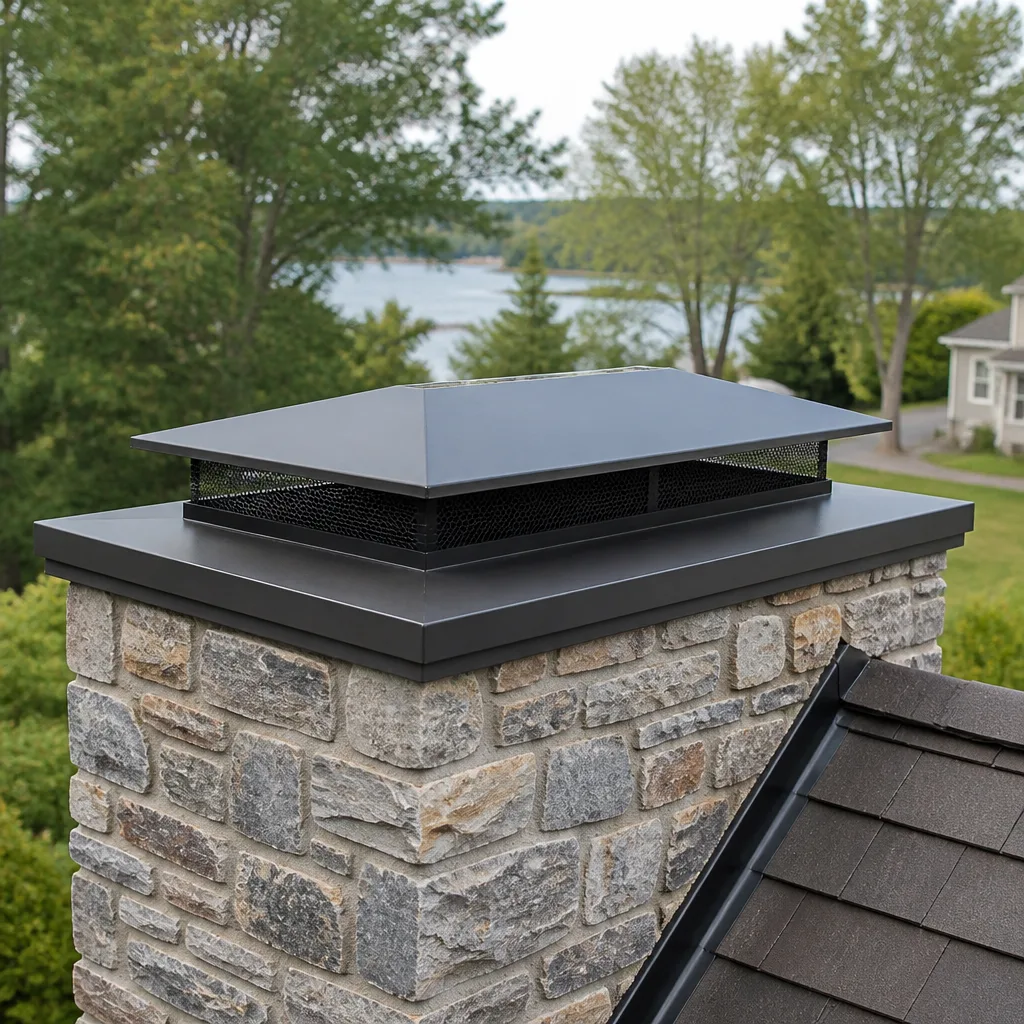 Caps & crowns
 Flue relining
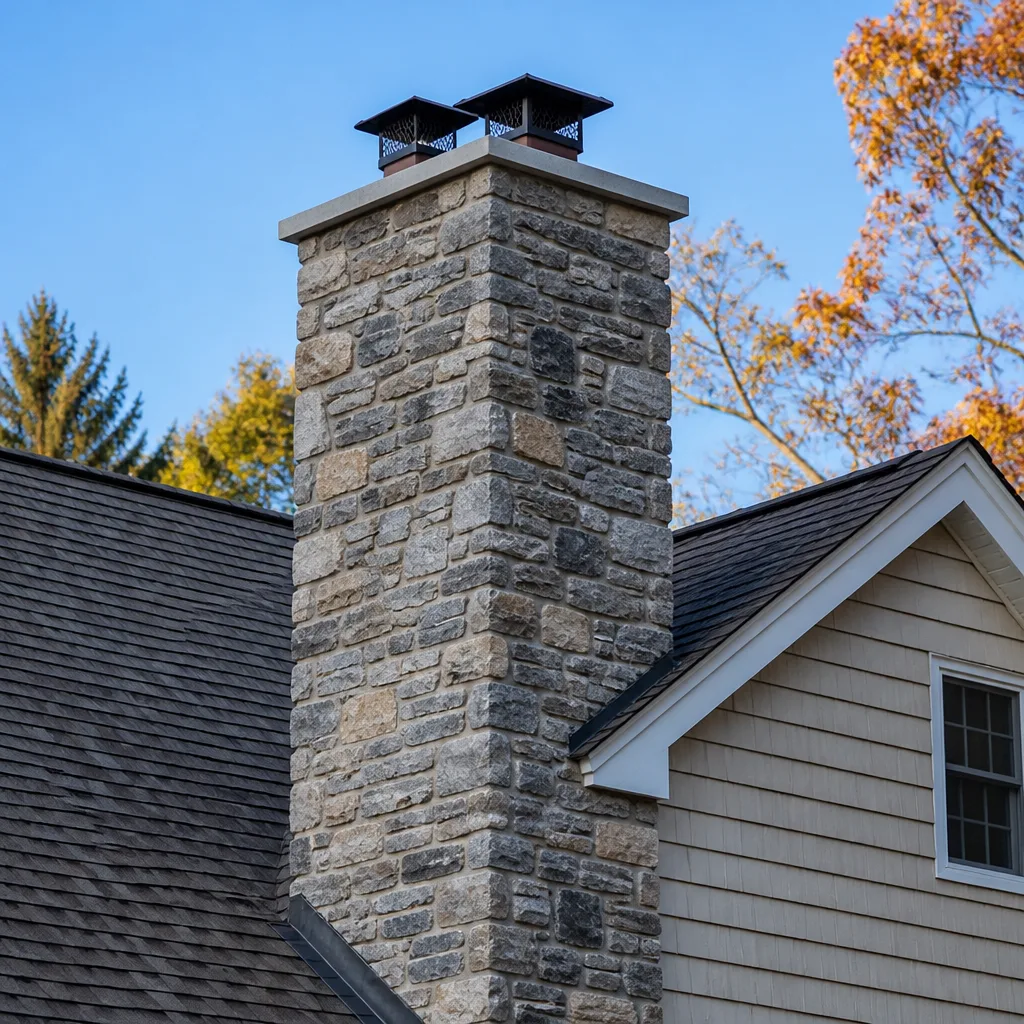 Masonry repair
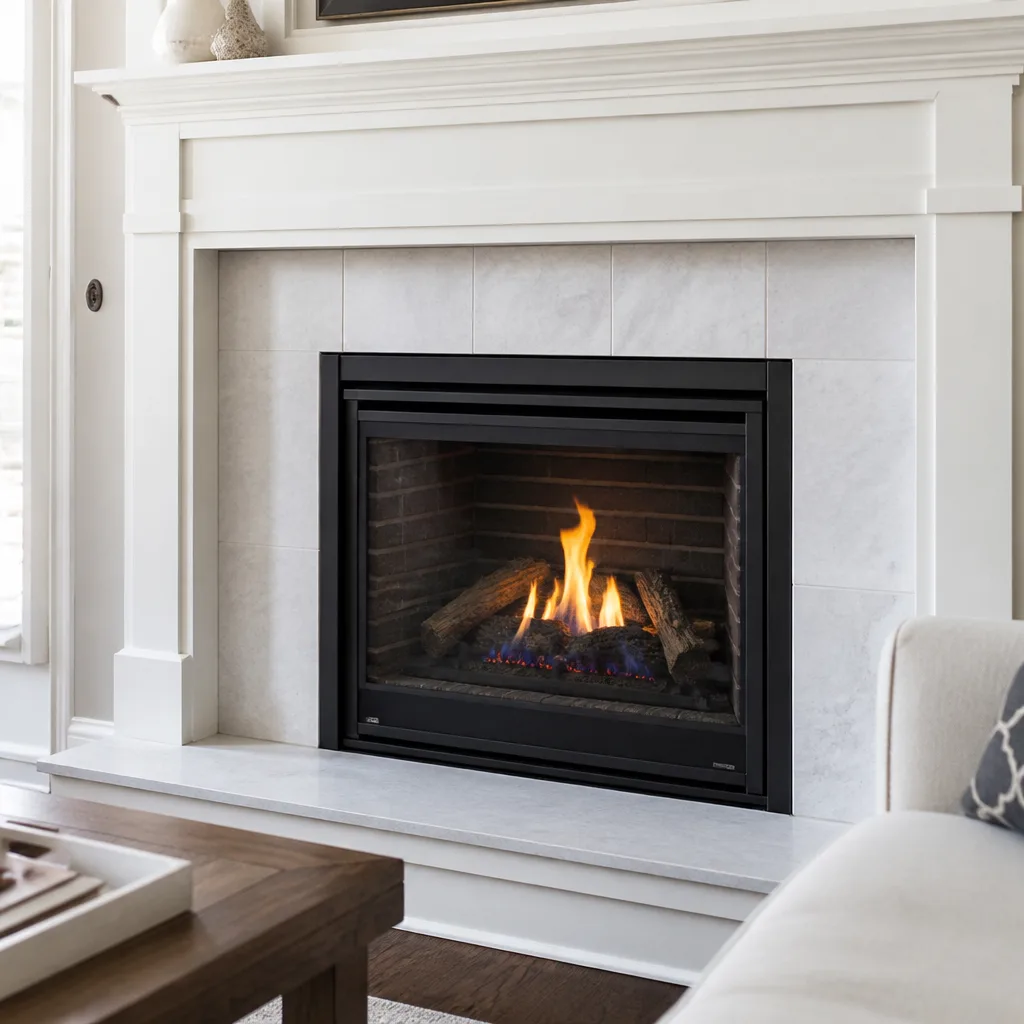 Gas fireplace service
Level 1 sweep and inspection to the NFPA 211 annual standard - flue, crown, cap, and flashing checked and photographed
Chimney sweep logs do not sweep chimneys. They loosen some creosote - which then falls where a brush and vacuum still have to collect it.
Chimney Cleaning Warning Signs: An Aliso Viejo Homeowner’s Reference Guide
The dangerous chimney problems are rarely the loud ones. A chimney fire doesn’t usually announce itself with a bang; it often begins as a slow, quiet burn inside the flue liner that can smolder for hours while the house stays silent. What most homeowners in Aliso Viejo actually notice first is small: a faint smoke smell with no fire burning, a hairline crack in the firebox brick, a chalky stain on the stucco. These low-drama signals are exactly the ones that get dismissed until the annual cleaning comes around. This guide sorts those signs into what to watch, what to fix soon, and what needs attention today.
Quick Answer
The main warning signs that a chimney needs professional attention are a smoke smell in the living space when no fire is burning, glazed or hardened creosote visible inside the firebox, cracked or spalling firebox brick, staining on the exterior stucco near the chimney, and a damaged crown or missing cap. Any of these means the system should be inspected before the next fire is lit, not at the next scheduled sweep. Glazed creosote and smoke backing into the room are the two that call for immediate service.
Styles & brands we work with
- Sweep & inspection
- Caps & crowns
- Flue relining
- Masonry repair
- Gas fireplace service
Table of Contents
- Why chimney warning signs are so easy to miss
- The three tiers: monitor, address, emergency
- The smoke smell that isn’t normal
- Reading creosote stages from inside the firebox
- What exterior staining on stucco chimneys reveals
- Signs to check after a regional wildfire smoke event
- What a proper inspection looks like
- Common mistakes to avoid
- When to call a professional
Why Chimney Warning Signs Are So Easy to Miss
Chimney problems develop in the parts of the system nobody looks at. The flue liner, the smoke chamber, the crown and the flashing are all outside normal living space, and the damage they accumulate happens slowly enough that it never creates a moment you’d notice. By the time a problem becomes obvious inside the house, it’s usually been progressing for a while.
There’s a second reason these signs get ignored. Creosote buildup, the leading cause of chimney fires, doesn’t smell like danger. It smells like a fireplace. A homeowner in Aliso Viejo who burns two or three times a week through the cooler months is doing exactly what the fireplace is for, and the creosote that accumulates in the flue is invisible from the room. A slow-smoldering fire in the liner can run for hours without producing enough smoke or noise to alert anyone upstairs.
Houses here have their own pattern too. The mild winters mean fireplaces get used in short, intense bursts rather than long steady seasons, and a chimney that sits cold and unused for months between burns can develop damper and crown issues that only show up when someone finally lights a fire. The best way to find the quiet problems is a documented inspection. Our approach is simple: inspect before you sweep, and repair before you light. That means a Chimney Sweep Aliso Viejo visit starts with a camera and a checklist, not just a brush.
The Three Tiers: Monitor, Address Within 30 Days, Emergency
Not every warning sign carries the same weight. Sorting what you see into three tiers keeps you from overreacting to cosmetic wear and, more importantly, from underreacting to a genuine hazard. Here’s how we frame it for Aliso Viejo homeowners.
Tier 1: Monitor (cosmetic, low urgency)
- Light soot dusting on the firebox walls that wipes away easily.
- Minor surface rust on the damper handle or firebox grate.
- A small amount of flaky, soft creosote near the top of the firebox.
- Faded paint or a dull finish on the exterior cap.
These are normal wear. Note them, mention them at your next sweep, and don’t let them keep you up at night.
Tier 2: Address Within 30 Days (functional)
- Glazed, shiny, or hardened creosote anywhere in the flue.
- A faint smoke smell indoors when there’s no fire burning.
- Cracked or spalling firebox brick or mortar joints.
- Staining on the exterior stucco near the chimney chase.
- A crown that’s cracked, chipped, or pulling away from the flue.
- A missing or damaged cap that’s letting rain and animals in.
These are the signs that say the system is losing integrity. They rarely fail overnight, but they don’t fix themselves, and the cost of waiting climbs.
Tier 3: Emergency (stop using the fireplace now)
- Smoke rolling back into the room when you light a fire.
- A strong, persistent burning smell with no fire burning.
- Visible cracks all the way through the flue liner.
- Blackened or scorched areas around the firebox or on the chimney chase.
- A sudden drop in draft that doesn’t resolve.
If any of these describe your chimney, don’t light another fire until a trained professional has looked at it. These are the conditions where a quiet flue fire or a carbon monoxide problem becomes possible.
The Smoke Smell That Isn’t Normal
A chimney that smells like a fireplace when it’s cold is one thing. A chimney that smells like smoke in the living room when nothing’s burning is another. That smell is not a normal characteristic of a chimney system, and it’s one of the most misread signs we see in Aliso Viejo homes. It points to a draft or liner failure, and it should be checked before the next fire.
Here’s why it happens. A properly sealed chimney draws air up and out. If the liner has a gap, a crack, or a failed joint, smoke and combustion gases can leak into the surrounding framing or back into the room instead of going up the flue. A closed damper that isn’t sealing, a blocked flue, or a negative pressure imbalance from an exhaust fan can produce the same result. None of these are cosmetic.
The carbon monoxide piece matters. Smoke you can smell is a signal that gases you can’t smell could also be escaping. If the smell comes with headaches, nausea, or a feeling that the air is stuffy when the fireplace is on, treat it as an immediate concern and get the system inspected.
An inspection with a camera answers the question in twenty minutes. Call (833) 482-6109 for a free estimate. We answer 24/7. A call outside dispatch hours is booked into the next opening, Sunday through Friday, 7am to 7pm.
Reading Creosote Stages From Inside the Firebox
You can learn a lot about your chimney’s condition by looking at creosote inside the firebox, without any camera or tools. Creosote forms in three recognizable stages, and the stage tells you how quickly you need to act.
- Stage one: soft and flaky. Looks like a dusting of black soot or thin gray flakes. It brushes off with a dryer vent brush. This is the crumbly residue from normal burning and is the least dangerous stage. It still needs regular sweeping but isn’t an immediate hazard.
- Stage two: hardened and crusty. Dark, brittle, and stuck firmly to the firebox walls or visible high up the flue. It doesn’t brush away, and in some areas it’s shiny or glazed. This stage burns hot and is the leading cause of chimney fires. A professional sweep with the right tools is needed to remove it safely.
- Stage three: glazed and tar-like. Looks like dark glass or black shellac. It’s very hard, very flammable, and can’t be removed by brushing alone. This stage requires special chemical or mechanical removal, and the flue should be inspected for damage from previous heat exposure.
What you’ll see from the firebox floor won’t show you everything above the damper, which is why a camera inspection matters. If you can see stage two or three creosote from the firebox, the flue almost certainly has it worse higher up. Don’t try to clean it yourself; the removal tools a professional sweep uses keep the debris contained, and climbing into a flue is genuinely dangerous.
If your firebox shows glazed creosote, the next step is an inspection and a chimney sweep before your next fire. Liner damage from repeated heat exposure is common in chimneys that have carried stage two creosote for a season or two, and HeatShield flue resurfacing can sometimes restore the liner without a full replacement.
What Exterior Staining on Stucco Chimneys Reveals
Exterior stucco is an honest reporter. Because it’s a continuous surface, stains and cracks on it point straight at whatever’s happening behind the finish. On a stucco chimney in Aliso Viejo, a few stain patterns are worth reading closely.
- Vertical dark streaks below the crown: water running down the chase because the crown is cracked or the cap is letting rain in.
- White, chalky staining (efflorescence): moisture moving through the stucco from the inside out, often from failed flashing or a compromised crown.
- Rust-colored stains: a damper, flashing, or chase cover corroding from prolonged water contact.
- Hairline cracks radiating from the chimney chase corners: movement or water intrusion at the stucco-to-chimney transition.
- Dark soot stains near the top or around the cap: draft problems pushing exhaust the wrong way, or a flue cap that’s been damaged.
The exterior signs often point to interior conditions you can’t see from outside. A stained crown usually means water is reaching the flue liner and the framing behind the chase. Failed flashing means water is getting into the attic or wall cavity. A damaged cap means rain and animals are getting in, and the flue doesn’t dry out between storms. That’s why we treat a cap and crown inspection as part of every sweep, not an upsell. A Famco or Copperfield cap and a properly sealed crown stop water damage at its source, and that’s the most structurally protective category in chimney care.
If your stucco chimney is showing any of these patterns, an inspection with a camera will tell you whether the problem is at the cap, the crown, the flashing, or deeper in the flue. A chimney repair visit covers all of it with one call.
Signs to Check After a Regional Wildfire Smoke Event
Southern California’s fire seasons push a lot of smoke into the air, and after a significant regional wildfire event, a chimney that was fine before can behave differently. Ash accumulates in the flue, the cap and spark arrestor can clog, and the firebox can pick up a layer of fine particulate that changes how the chimney draws. Thermal stress is the one worth watching closely: a chimney that was used heavily during or right after a smoke event has been exposed to its own internal heat at a time when the outdoor air was already loaded with particulate. Cracks in the flue liner that weren’t visible before can open up.
Here’s a short checklist for the week after a wildfire smoke event:
- Inspect the cap and spark arrestor screen for visible ash accumulation or clogging.
- Look at the firebox for new or widened cracks in the brick or mortar.
- Check the exterior chase for new staining or discoloration.
- Light a small test fire and watch for smoke backing into the room.
- Schedule an inspection before resuming regular burning if any of the above show up.
We get a spike in inspection requests after smoke events like that, and it’s justified. Ash and particulate that settle in the flue don’t just reduce draft; they can mask damage underneath. A camera inspection shows you what the smoke left behind.
What a Proper Inspection Looks Like
An inspection that tells you something is a camera inspection, not a flashlight-and-a-nod. Here’s the sequence we use with Aliso Viejo homeowners, and what you should expect from any professional service you hire.
- Exterior walkaround: cap, crown, flashing, stucco condition, chase integrity.
- Firebox and damper inspection: brick, mortar, damper operation, creosote stage visible from below.
- Camera inspection of the flue: full-length look at the liner, looking for cracks, gaps, and creosote buildup.
- Photo report: documented images of what we found and a written recommendation for each item.
- Written recommendation: what needs to be done now, what can wait, and what to monitor.
The camera and the photo report are the difference between an honest recommendation and a guess. You should be able to see what the inspector sees, and the recommendation should match the photo. If a service tells you the liner has to be replaced, they should be able to show you the crack. If they can’t, ask why.
When a liner does have damage, HeatShield resurfacing is often the right answer before a full liner replacement. It’s applied in place, restores the flue surface, and addresses deterioration at the material level. A DuraFlex liner system is the alternative when the damage is more extensive. Both are professional-grade materials a sweep-only service typically doesn’t carry, and a fireplace repair call is the right entry point for that evaluation.
Our technicians have up to 13 years of experience, and every inspection includes the camera and the photo report. Nothing gets recommended without a documented reason.
Common Mistakes to Avoid
- Waiting for the annual cleaning to check warning signs. A smoke smell or a cracked crown shouldn’t wait for a scheduled appointment. If you see a sign, get it inspected now.
- Assuming a smoke smell is “just what a fireplace smells like.” Smoke in the living space with no fire burning is a draft or liner indicator, not a personality trait of your chimney. Treat it as a problem.
- Skipping the camera because the sweep “looks fine”. The visible parts of a chimney can look clean while the liner above the damper is cracked. The camera is the part of the inspection that actually finds problems.
- Trying to remove stage two or three creosote yourself. The removal tools are designed for a reason, and a flue is a confined space. Brushing surface soot is one thing; chasing glazed creosote up a flue is a professional job.
- Ignoring stucco staining because the chimney “still works”. A stained stucco chimney is telling you water is getting in somewhere. By the time it stops working, the repair is larger.
- Hiring a general handyman for a chimney-specific problem. A chimney system is a specific structure with specific codes and specific materials. A general handyman doesn’t carry HeatShield or DuraFlex, and rarely knows how to apply them.
- Letting a previous bad experience keep you from re-inspecting. If a past sweep gave you a vague diagnosis or a surprise bill, get a documented inspection with photos this time. You should be able to see the evidence.
When to Call a Professional
Call a chimney professional if you see glazed creosote inside the firebox, smell smoke indoors with no fire burning, notice new cracks in the bricks or mortar, find staining on the exterior stucco chase, or see a cracked or missing cap. Call before the first fire of the season if the chimney hasn’t been inspected in the last year, and call immediately if smoke backs into the room or you have any reason to suspect a flue fire. In Aliso Viejo, the mild winter means a longer gap between burns and a higher chance a slow problem develops unnoticed. Chimney Sweep Aliso Viejo offers free estimates in Aliso Viejo – call (833) 482-6109. We answer 24/7. Fast dispatch from 7am to 7pm, Sunday through Friday. The estimate is free, and the price is set per job by the written estimate.
See the difference
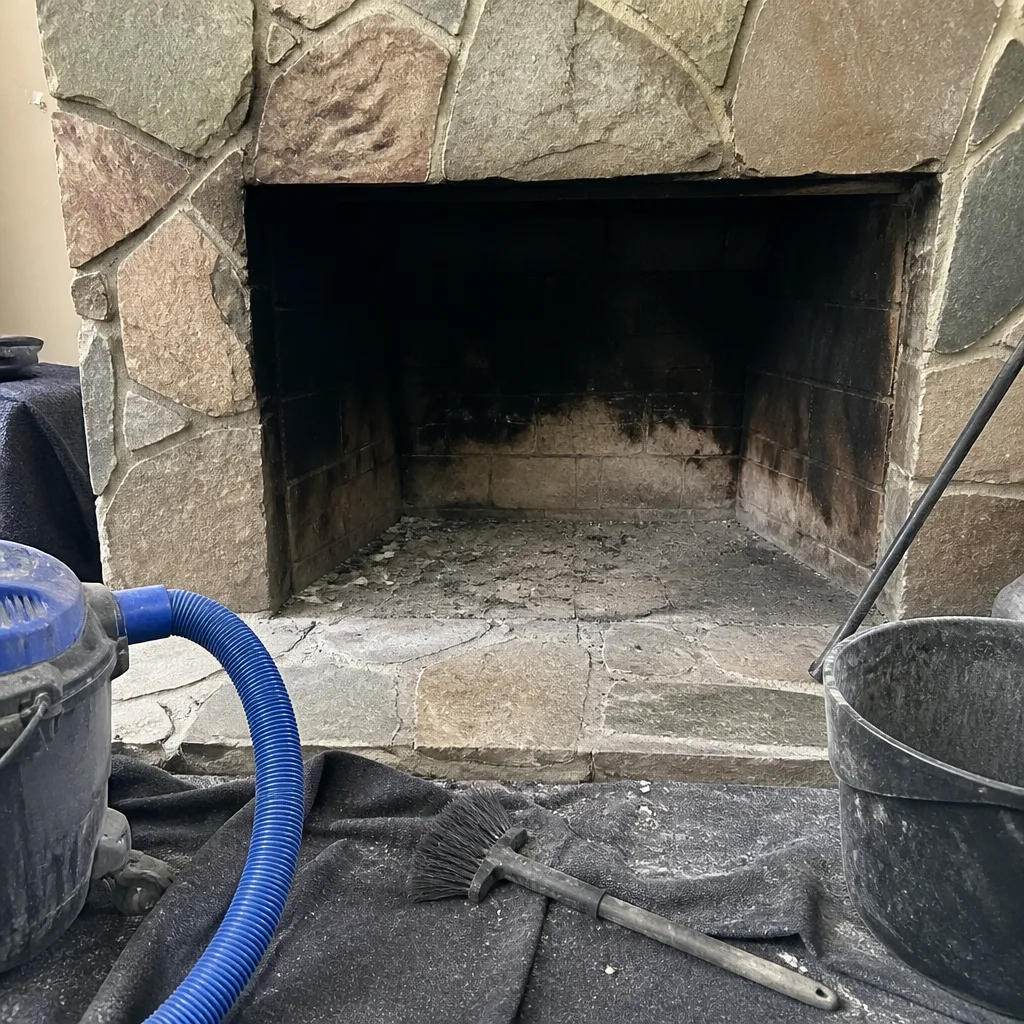 Before
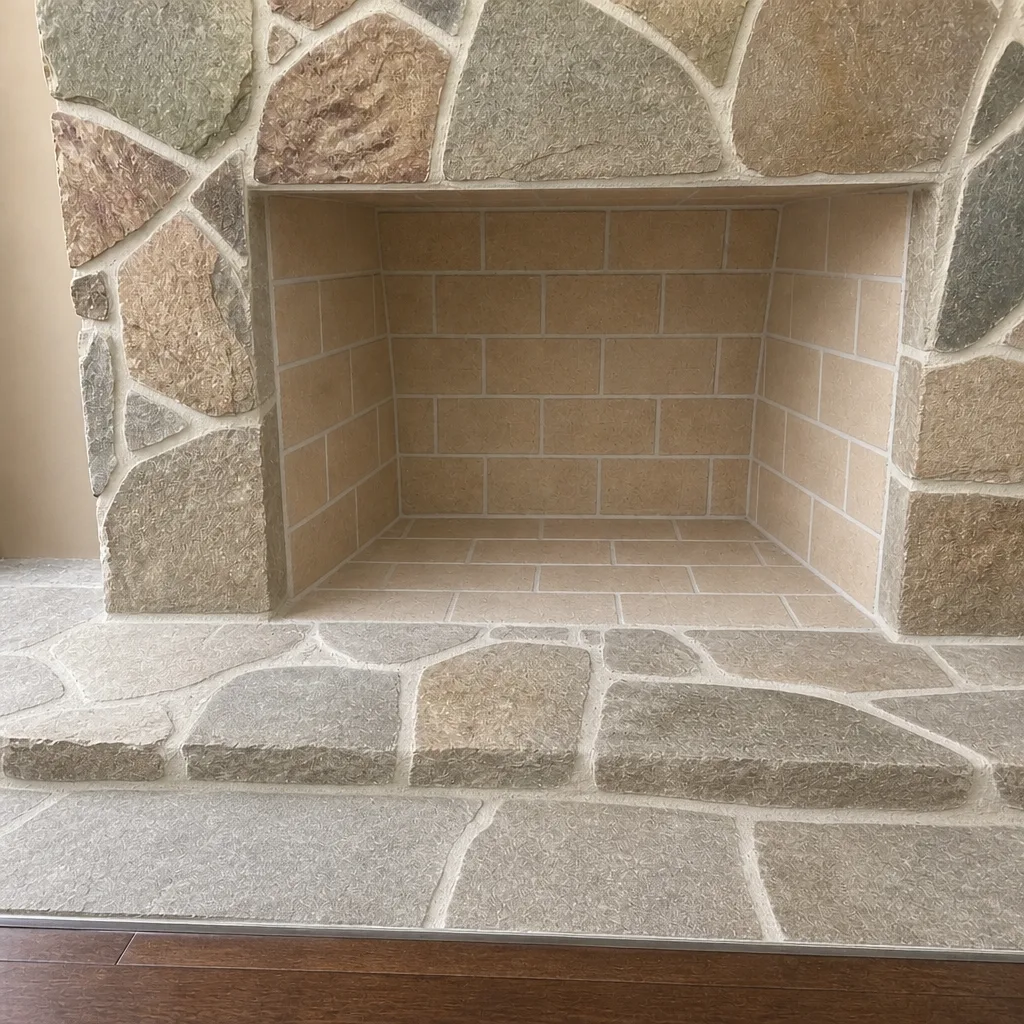 After
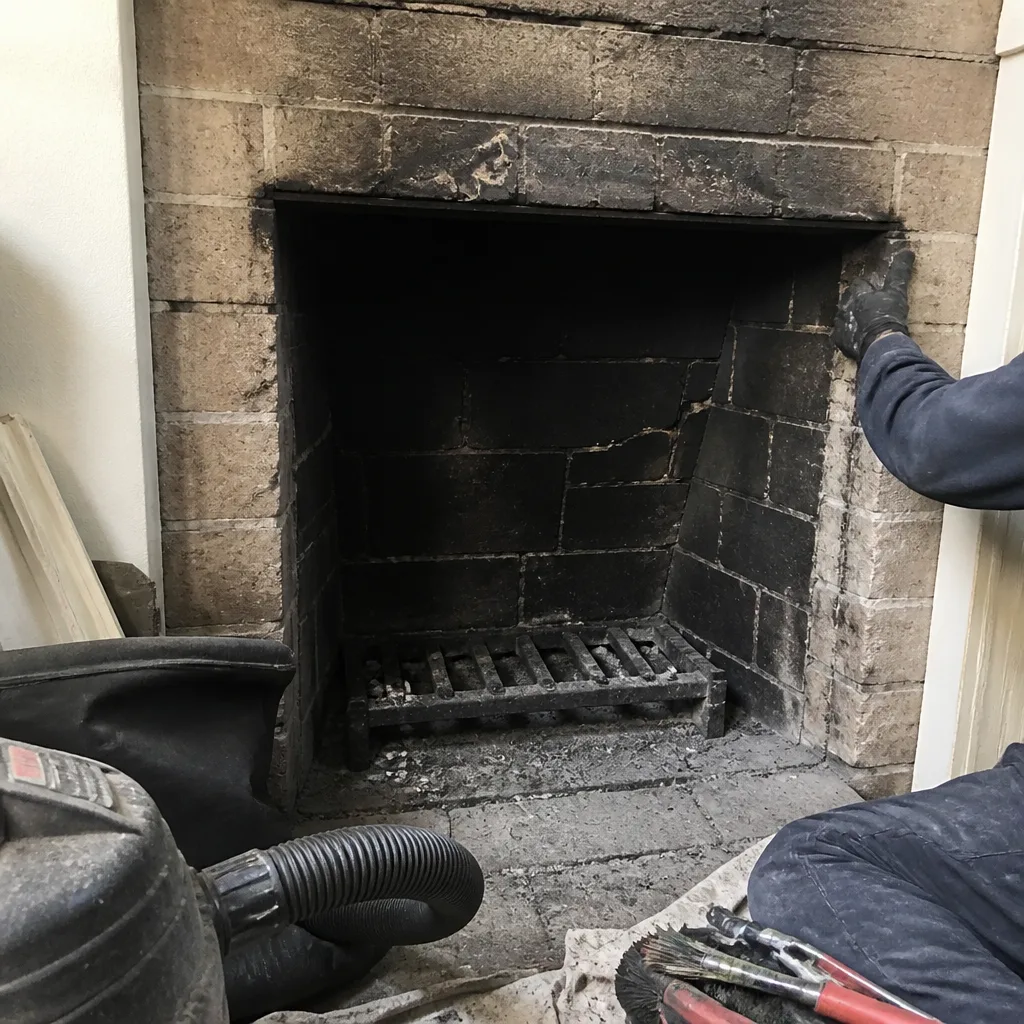 Before
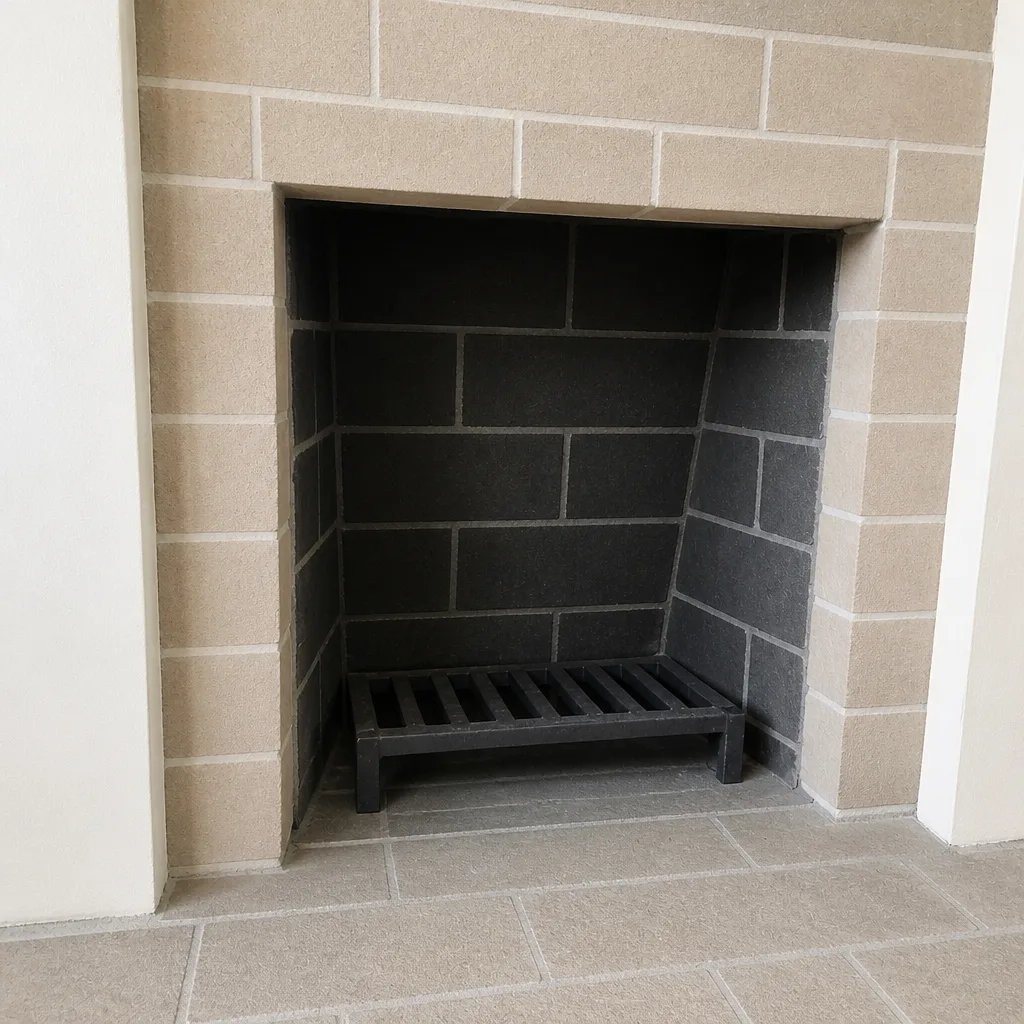 After
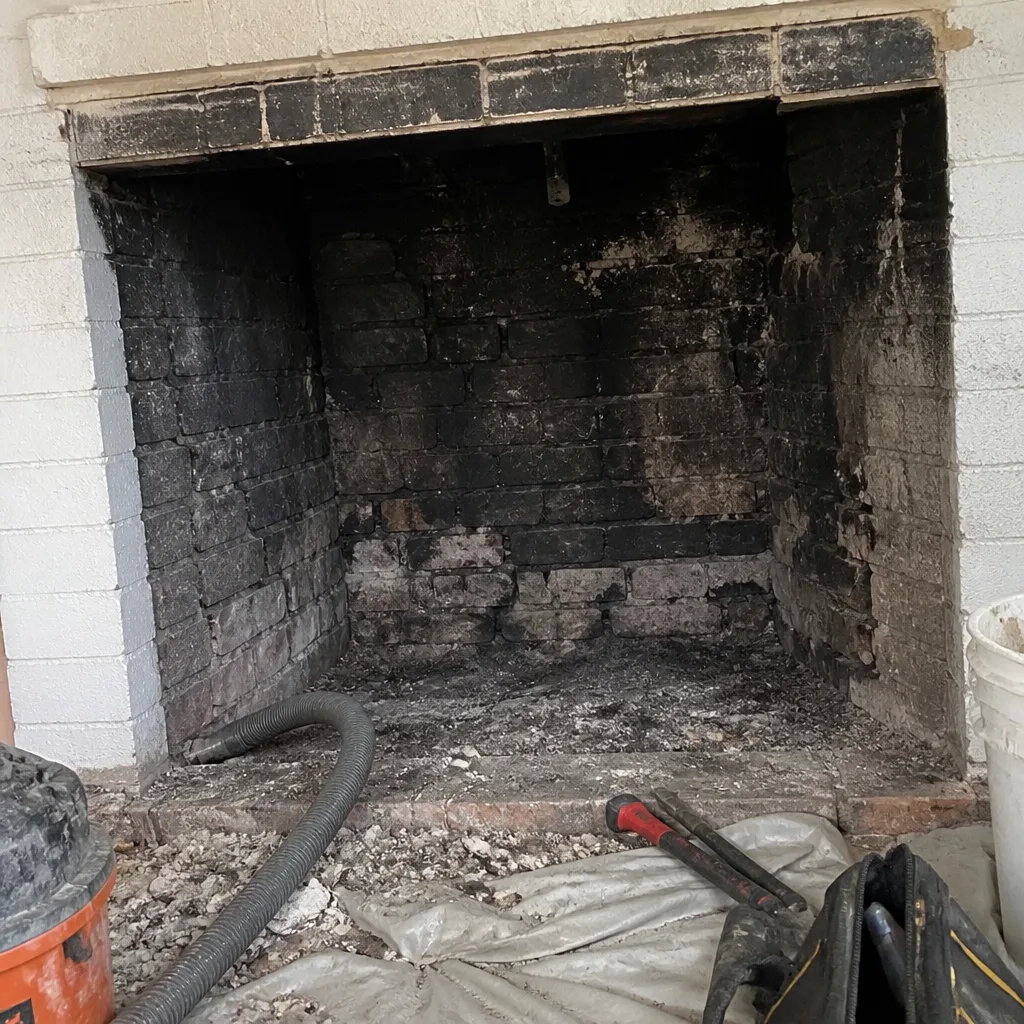 Before
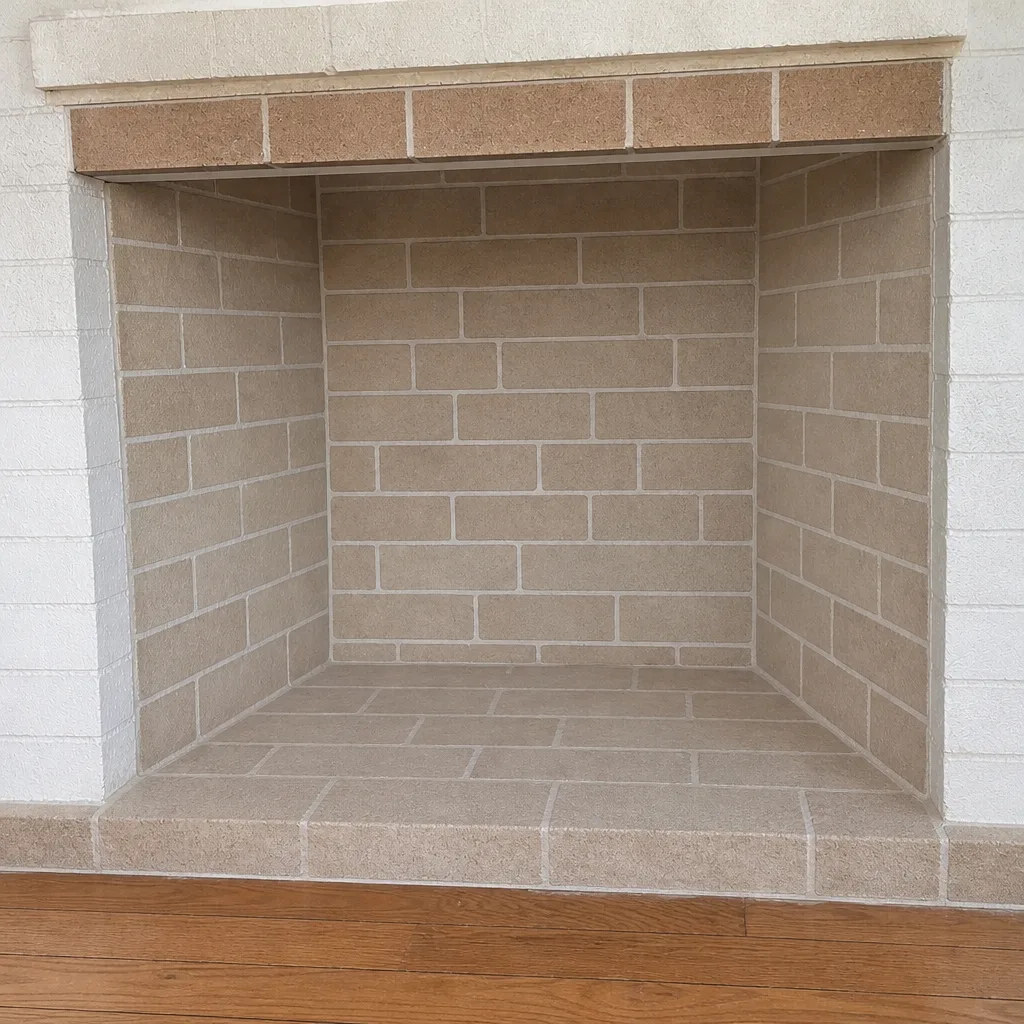 After
Frequently Asked Questions
A chimney should be swept when the creosote buildup reaches about an eighth of an inch, or at least once a year if the fireplace is used regularly. In Aliso Viejo’s mild climate, that often means an inspection before the first cool-weather fire, since the chimney has sat unused for months. Call (833) 482-6109 for a free estimate – the price is set per job by the written estimate.
Yes. A smoke smell in the living space with no fire burning points to a draft or liner problem, not a normal chimney characteristic. It can mean a cracked liner, a gap at a joint, or a pressure imbalance that’s letting combustion gases into the house. Get it inspected before you light another fire. Call (833) 482-6109 to book an inspection.
You can brush light surface soot, but glazed or hardened creosote should be removed by a professional. Stage two and stage three creosote require the right tools and, at stage three, chemical or mechanical removal that isn’t safe to attempt in a confined flue. Call (833) 482-6109 and we’ll tell you what your firebox is showing.
A cracked crown lets water into the chimney chase, where it reaches the flue liner, the framing, and the firebox over time. That water causes spalling in the masonry and rust in the damper, and a wet flue is harder to keep clean. A cap and crown repair is one of the most protective fixes you can make. Call (833) 482-6109 for a free estimate.
The camera inspection answers that. A liner with localized cracks, spalling, or deterioration can often be resurfaced with HeatShield, which restores the flue surface in place. A liner with extensive damage or structural failure usually needs a DuraFlex liner system. You’ll see the evidence in the photo report before anyone recommends anything. Call (833) 482-6109 to schedule.
A pre-sale chimney inspection is a smart move whether or not your buyer asks for one. It gives you a documented record of the system’s condition and lets you address any issues before they become negotiation points. A camera inspection with a photo report is the version to get. Call (833) 482-6109 for a free estimate.
The Bottom Line
The warning signs that matter most are the quiet ones. A smoke smell with no fire burning, a glaze of hardened creosote inside the firebox, a hairline crack in the crown, a stain on the stucco. Those are the signals that a chimney is losing integrity, and they rarely announce themselves with drama. Sort them into tiers, treat the functional and emergency signs as real, and get a camera inspection before the next fire. Our technicians have up to 13 years of experience, and we cover the whole system: sweep, inspection, fireplace repair, chimney repair, and cap and crown. One call covers your sweep, your inspection, your cap, and your crown.
Call (833) 482-6109 for a free estimate. We answer 24/7. Fast dispatch from 7am to 7pm, Sunday through Friday.
Written by the team at Chimney Sweep Aliso Viejo.