
Last updated November 25, 2026
 Sweep & inspection
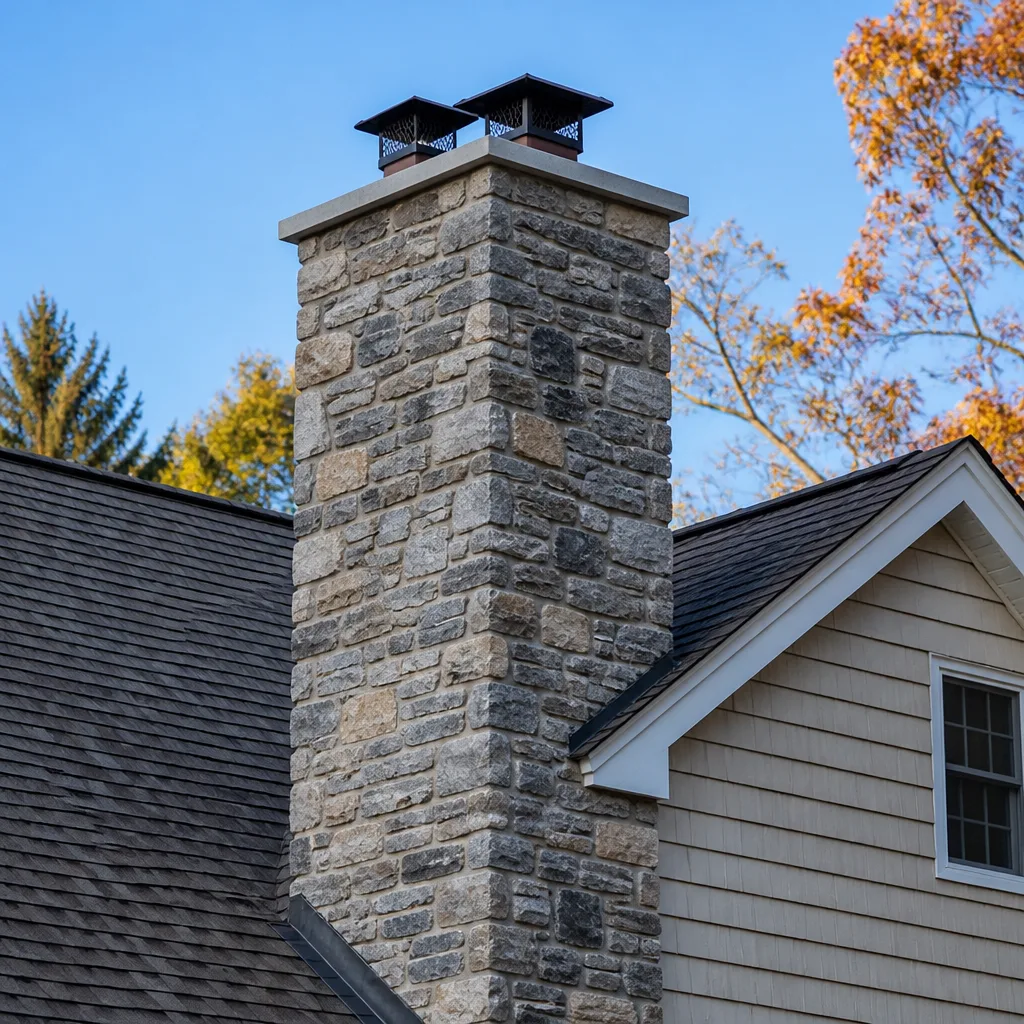
 Caps & crowns
 Flue relining
 Masonry repair
 Gas fireplace service
Level 1 sweep and inspection to the NFPA 211 annual standard - flue, crown, cap, and flashing checked and photographed
Chimney sweep logs do not sweep chimneys. They loosen some creosote - which then falls where a brush and vacuum still have to collect it.
Seasonal Chimney Cleaning Care for Aliso Viejo: Year-Round Homeowner’s Guide
Most chimney care advice is written for places with hard winters, and it tells you to book a sweep before the first cold snap. Aliso Viejo doesn’t work that way. Our burning season is short and gentle, and the months that actually test your chimney are the warm, dry ones when the system sits idle. Summer heat, dry brush conditions, and the occasional smoke event settle into a flue that nobody is thinking about. In this guide, we’ll walk you through what’s happening to an Aliso Viejo chimney system month by month, why September deserves more attention than November, and how to time cleaning to your actual burn hours rather than the calendar.
Quick Answer
Seasonal chimney care in Aliso Viejo should be timed around warm-season risks first: inspect the crown and cap heading into the rainy months, plan flue inspection before Santa Ana wind season in fall, and schedule a sweep based on how many fires you actually burn rather than the calendar. The right rhythm for most homes here is a spring cleaning after your last fire and an inspection in late summer, before the system starts drawing again.
Styles & brands we work with
- Sweep & inspection
- Caps & crowns
- Flue relining
- Masonry repair
- Gas fireplace service
Table of Contents
- Why Chimney Care Timing Works Differently in Aliso Viejo
- Month-by-Month: What’s Happening to Your Chimney System
- Why September Inspection Beats a Standard Fall Cleaning
- Wildfire Smoke and Your Flue in the OC Summer
- Exterior Maintenance Tied to Local Weather
- Cleaning Frequency by Burn Hours, Not Calendar Year
- Your Aliso Viejo Seasonal Checklist
- What Seasonal Care Typically Costs
Why Chimney Care Timing Works Differently in Aliso Viejo
The standard national advice assumes a long heating season and a cold build-up period that ends in spring. In Aliso Viejo, the opposite is true. Your fireplace might see a handful of fires a month for a few months and then go quiet. That leaves the chimney system outside, exposed, and unused for the majority of the year. The flue stays dry then gets wet again. The crown takes direct sun. The mortar joints expand and contract through warm days.
Everything that damages a chimney here happens during the quiet stretches, not during the fires. That single fact reshapes the whole care schedule. If you only think about the chimney in the weeks before your first winter fire, you’re inspecting at the end of the stress period instead of the beginning.
We think about the system in two tracks. The interior track is about what builds up in the flue: soot, creosote, debris, and particulate. The exterior track is about the crown, cap, and masonry shell weathering through months of sun and dry air. Both tracks matter, and they run on different clocks.
- Interior track: tied to burn hours, wood quality, and how much creosote accumulates.
- Exterior track: tied to sun exposure, dry wind, and the first rain.
- Wildfire track: tied to regional smoke events and their residue.
If you’ve ever wondered why a chimney in an older Aliso Viejo neighborhood shows a cracked crown and a homeowner two streets over with the same age home doesn’t, the answer is usually exposure and maintenance rhythm, not luck. The system that got a cap installed years ago and a crown sealed on schedule holds up. The one that sat untouched through every dry season shows its age.
Month-by-Month: What’s Happening to Your Chimney System
Here’s the calendar, roughly in our experience, for a typical Aliso Viejo house with a wood-burning fireplace. Every home differs depending on tree cover, roof orientation, and how much you burn, but the seasonal pattern holds.
January through March: Burning Season, Drawing Hardest
This is when you’re using the fireplace, and it’s when creosote forms fastest. Cool, damp evenings with slow-burning fires are the ideal recipe for creosote on the flue walls. Watch for glassy or sticky deposits in the box, and don’t ignore a fire that smokes back into the room. Something in the system wants attention.
April through June: Shutdown and Interior Cleaning
Once you’re done burning, clean the flue. Sweeping after the season clears the creosote and ash while it’s still fresh, before it has months to oxidize onto the flue wall. Several customers ask us to sweep in June specifically so the system is clean for six months of disuse. Now is also the time to look at the firebox for cracked brickwork and worn grate settings, because those problems are easier to handle before the heat of July.
July through August: The Dry, Hot, Idle Stretch
This is the quiet stretch that does the most exterior damage. The crown, cap, and mortar joints go through repeated heat cycles. UV does its slow work on any sealant or coating that isn’t meant for it. Ambient debris (blown leaves, dust, spider webs) drifts into the chimney flue when the system is open. If you don’t have a cap with a properly sized mesh screen, this is also when birds and other small animals find their way in.
September: The Inspection Window
This is the month to get eyes on the whole system. Not because fall is coming, but because the Santa Ana wind season is, and you want the flue and cap sound before the region fills with dry air and smoke. We’ll say more on this below.
October through November: Santa Ana Season
Wind events can push dried leaves and debris down an uncapped or poorly capped flue. They also tend to arrive with dry brush conditions and regional smoke, and any issue inside the flue is more likely to announce itself in bad air. A system that’s been inspected and cleaned makes it through this period without surprises. One that’s checked only in mid-December is a coin flip.
December: First Fires
By now you should have a clean, inspected, closed system. Your first fire should draw cleanly up the flue. If it doesn’t, call us before the next fire.
Why September Inspection Beats a Standard Fall Cleaning
September inspection beats a standard fall cleaning in Aliso Viejo because the real risk window here is fire weather in October and November, not the first cold night in December. Inspecting before the Santa Ana season gives you time to fix anything the inspection turns up. Inspecting in November, or after your first fire, gives you almost none.
The reason is simple. A standard “fall cleaning” is a sweep followed by a quick look. Here, we like to separate the two and do them at the right moments. Think of September as your annual condition check: the flue, the crown, the cap, the firebox, and the damper. If the check finds that the crown is cracked, or the cap screen is torn, or there’s a light amount of creosote after a heavy early fire, you still have weeks to arrange the repair.
- Book the inspection in September. Aim for the first half of the month, before winds pick up.
- Request a camera inspection of the flue. A camera shows you the condition of the liner or flue tiles directly. Nothing is recommended without evidence you can see for yourself.
- Review the findings and agree on any work. If something can safely wait until spring, we say so, and the estimate covers only what needs doing now.
- Seal or repair the crown if needed before the winter rain. A cracked crown lets water into the masonry, which is the most common path to structural chimney damage here.
- Sweep only if the inspection shows it’s needed. Sweeping a clean flue accomplishes nothing; far more often what an Aliso Viejo chimney needs in September is a condition check and a crown or cap repair.
If your fireplace is wood-burning and you burn a lot, the September inspection is also the best moment to see whether you need a Chimney Sweep Aliso Viejo visit rather than a full repair. We check both, and we say plainly which one you’re looking at. That single question – sweep or repair – is the one most homeowners here can’t answer on their own, and it’s the reason the September inspection is worth scheduling.
Wildfire Smoke and Your Flue in the OC Summer
Wildfire smoke can deposit fine particulate in an unused flue during the summer months, even when you never light a fire. If you’ve had your fireplace sealed off for the season but the chimney is uncapped or has a damaged cap screen, smoke events elsewhere in the county push particle matter through the opening and settle it on the flue wall. The residue smells and it can darken the inside of the firebox.
We treat this as a low-grade but genuine concern in an Aliso Viejo home, especially for anyone with respiratory sensitivity. A cap with a proper mesh screen reduces the amount of ambient smoke and debris that enters the flue during one of these events. It won’t eliminate smoke that’s already in the air, and it isn’t a substitute for staying indoors during bad air, but it keeps your flue cleaner between cleanings.
What to check after a smoke event:
- Is the cap in place and intact? Torn mesh or a missing cap lets particulate and debris in.
- Does the fireplace smell smoky when you’re not using it? That’s residual particulate and soot holding odor in the flue.
- Is there visible darkening on the firebox walls or a residue on the damper? Note the condition but don’t handle anything you’re not trained to inspect.
- Has the flue been swept in the last year? If not, we’d want eyes on it before the next burn.
In our experience, the flues we see in Aliso Viejo summer inspections usually hold nothing more than a light dusting of ash and airborne debris. Still, there’s no way to know without a camera. And “probably fine” isn’t an answer we like to give.
Exterior Maintenance Tied to Local Weather
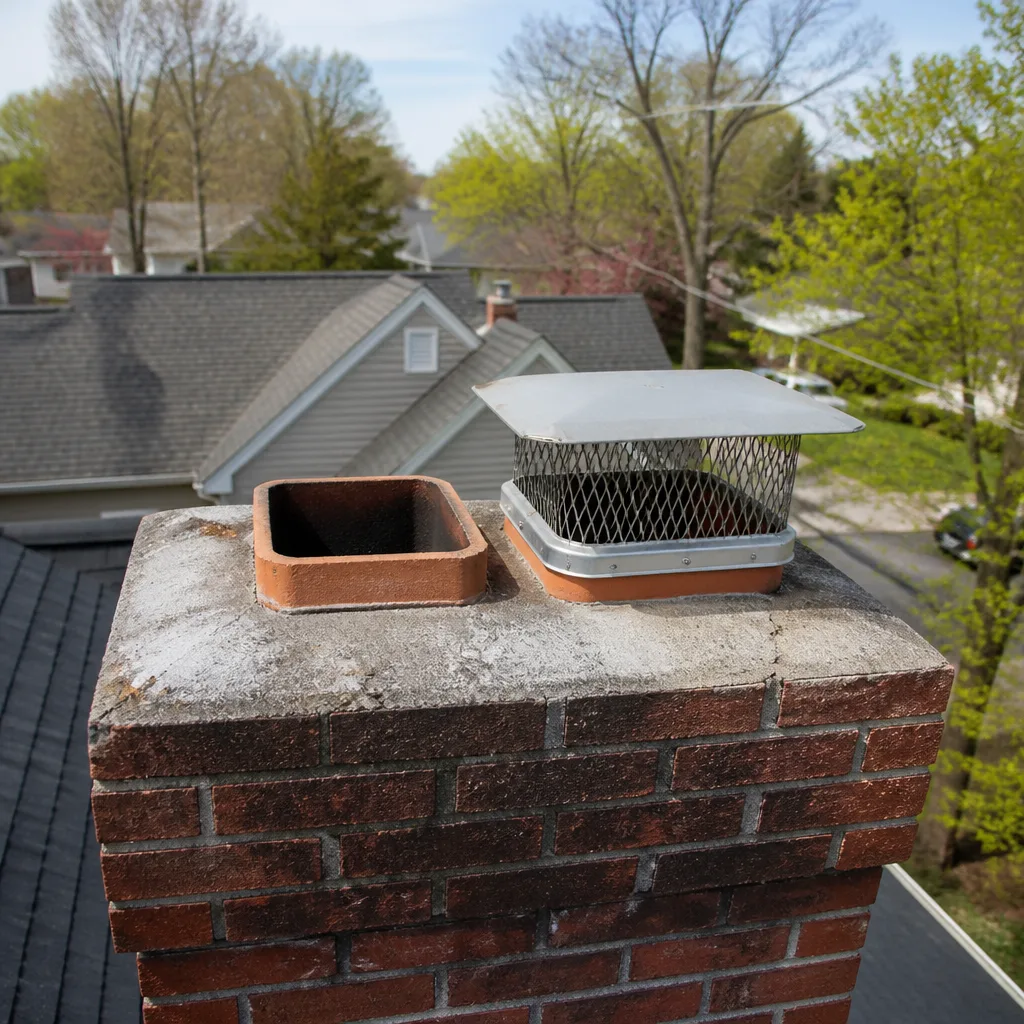
Most chimney care advice focuses on the flue. Here, the exterior shell is where the real seasonal risk sits. The crown sits on top of the chimney, sheds water, and holds the cap. It’s the most common failure point we see.
Crown Sealing Before Winter Rain
The dry season is hard on the crown. Repeated heat cycles crack the surface over time, and once a crack opens, water gets into the masonry. Here, the wet season arrives in winter, which is why crown sealing is best scheduled anywhere from late September through late November, before the first real rain. Sealing the crown doesn’t fix structural damage, but it does prevent surface water from finding its way in.
Cap Inspection After Summer Heat Cycles
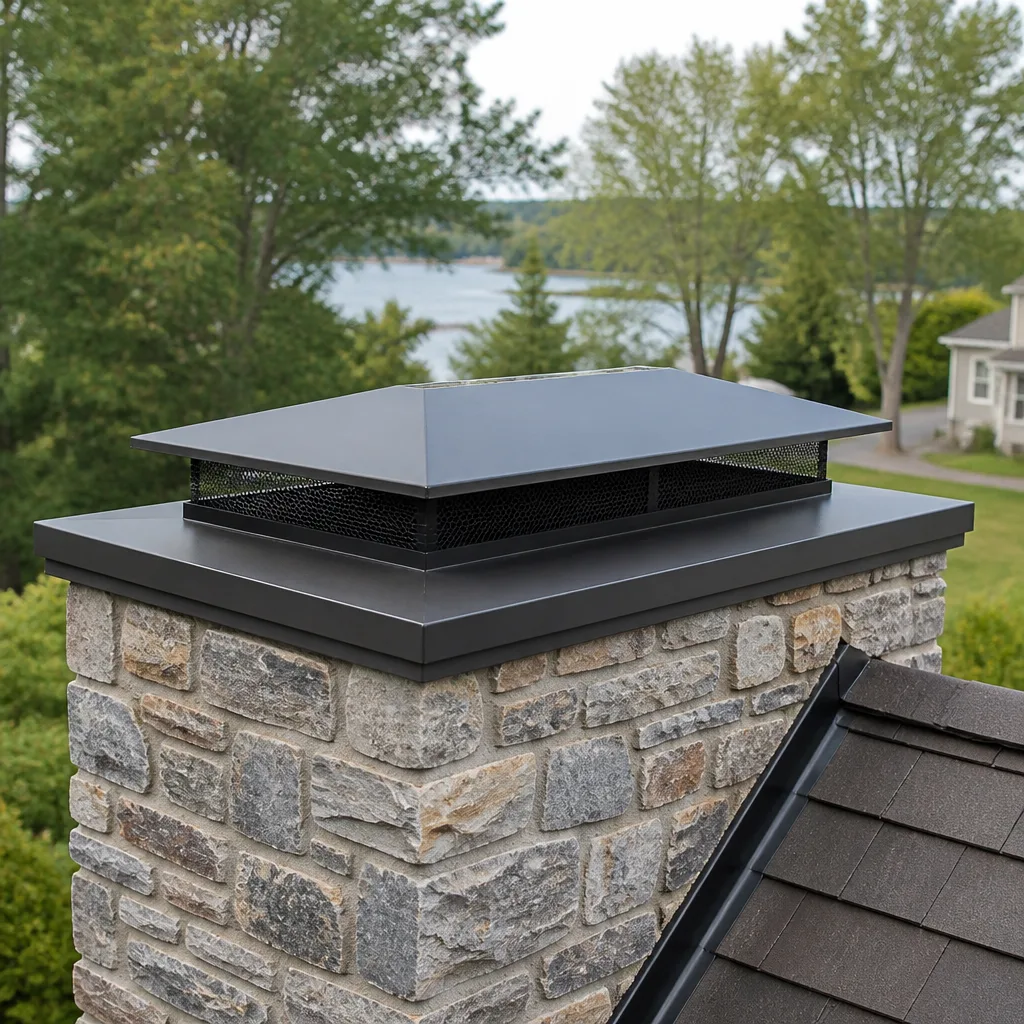
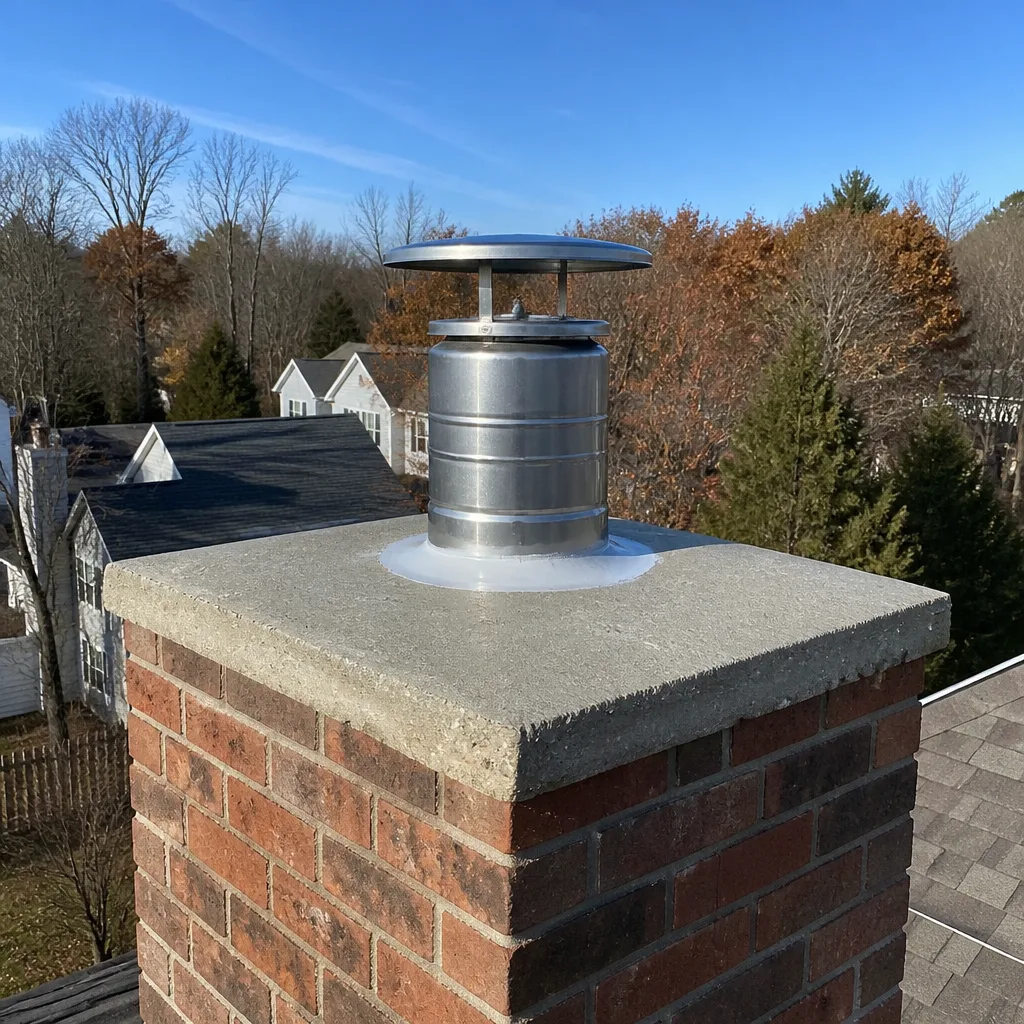
A cap takes direct sun through every hot month. If it’s a quality cap with a mesh screen, it usually holds up well. If it’s an old sheet-metal cap or a homemade cover, the heat will eventually warp or rust it. We work with Gelco and Olympia Chimney caps in the size and style that fits your flue, and a properly installed cap covers both the draft function and the pest prevention function.
Mortar and Masonry Checks
Mortar joints are where the moisture shows first. A white chalky bloom, a flaking surface, or a crumbly joint means water has already been getting in. If the surface damage is minor, we may be able to address it without a rebuild. If it’s more serious, you’ll hear that from us too, but the recommendation will be tied to a photo you can see.
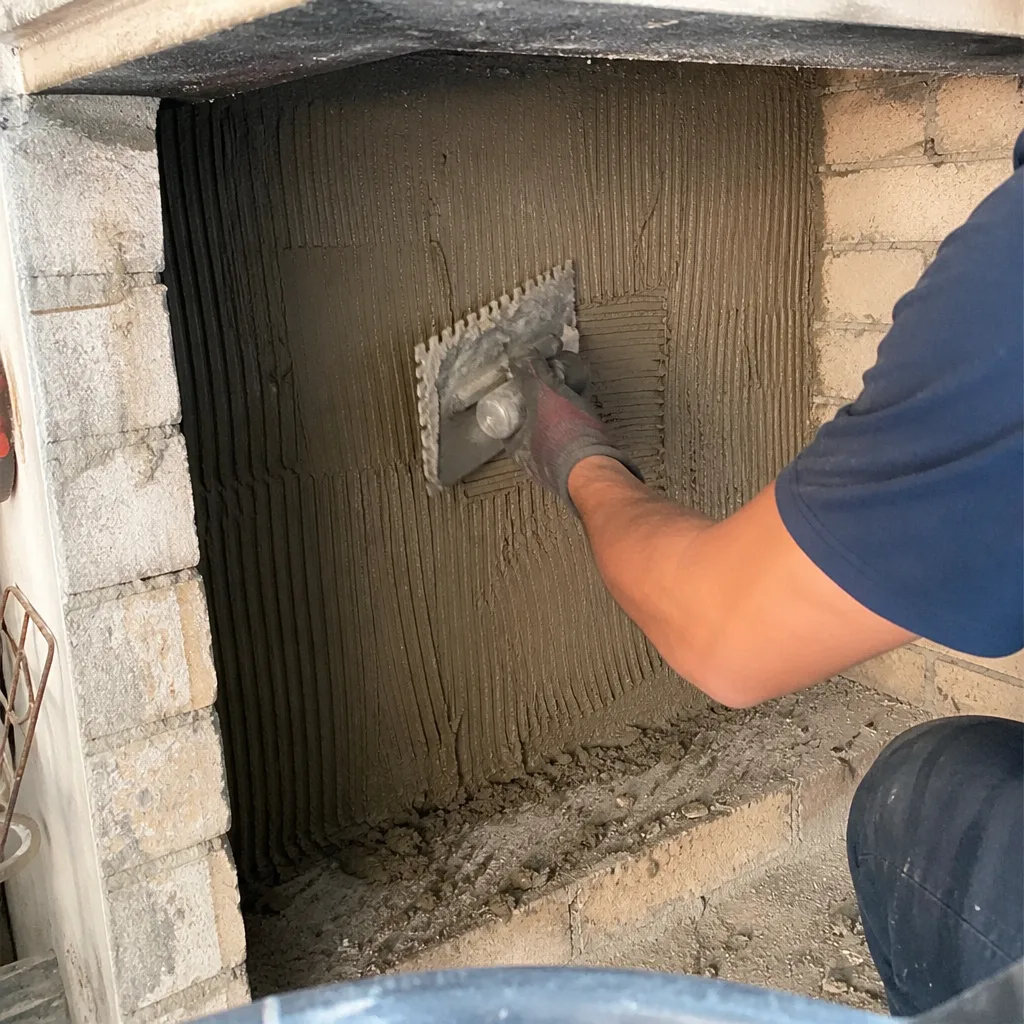
HeatShield resurfacing is a different case. It works inside the flue to resurface a deteriorating flue without a full liner replacement, and it’s the repair a clay flue needs before the cracks get worse. That’s a repair-tier service most sweep-only providers can’t do. If your Aliso Viejo home has an older clay-lined chimney, this is one of the things we’ll mention if the September inspection finds flue cracking.
Cleaning Frequency by Burn Hours, Not Calendar Year
Cleaning frequency based on the calendar year ignores how much your fireplace actually burns. The two numbers most scheduling advice skips are burn hours and wood quality. A wood fireplace burning a generous cord of well-seasoned hardwood over a handful of winter months accumulates creosote in a different way from a fireplace that’s used for a handful of fires and sits idle the rest of the year. You don’t need the same sweep schedule. You need one matched to what’s actually happening.
Here’s the general rhythm we work to, assuming a wood-burning fireplace with moderate use:
- Ask how many fires you burned this season and estimate the hours. Twenty fires of two hours each is roughly forty hours.
- Ask about the wood. Seasoned hardwood burns cleaner than damp or treated wood. Wet wood smolders and deposits creosote faster.
- Look at the firebox. Heavy soot or a glassy residue suggests a sweep is due sooner.
- Request a camera inspection when in doubt. A camera doesn’t lie. The flue wall shows us whether it’s clean enough to burn or needs a sweep.
- Set the next check based on the result, not the month. If it’s clean, we’ll tell you it can wait. If it’s not, we’ll say so.
What we’re careful about is over-sweeping. A sweep that isn’t needed does nothing for your system, and it may put unnecessary wear on the flue surface. We’d rather clean on evidence than on a fixed schedule. For most Aliso Viejo homes, we find the sweet spot is one sweep after the burning season plus one inspection in September, and adjust from there.
If the firebox or damper also needs work, that’s a natural time to look at fireplace repair alongside the sweep. Doing both in one visit means one coordination point for you and a single look at the whole system.
Your Aliso Viejo Seasonal Checklist
Here’s the checklist we hand out, laid out step by step. Run through it once per season and you’ll stay ahead of the two tracks: interior and exterior.
After the Last Fire of the Season
- Close the damper and confirm it’s fully seated.
- Remove the ash pan and clean any ash from the firebox.
- Book your spring sweep if you burned more than a modest number of fires.
- Note any cracked brick in the firebox and take photos for the appointment.
Through the Summer
- Check the cap and its screen for tears or displacement after any high wind.
- Look at the firebox walls for smoke residue after smoke events.
- Note the firebox if the room smells smoky without a fire lit.
In September
- Request a camera inspection of the flue and the exterior shell.
- Confirm the crown is sound and sealed ahead of the winter rain.
- Check the cap and mesh screen are in place and intact.
- Get a written estimate for anything the inspection identified.
Before the First Fire of the Season
- Confirm the damper opens and closes smoothly.
- Confirm there’s no debris or animal nesting in the flue.
- Burn dry, seasoned wood only.
- Keep an eye out for smoke backing into the room.
If you’re selling your Aliso Viejo home or facing an insurance review, the checklist doubles as a paper trail. Your inspection report and photo record show the condition of the system at the point of the check, and that’s often exactly what a buyer or an adjuster wants to see.
What Seasonal Care Typically Costs
Prices here depend on the system, its condition, and what the inspection finds. We can give you a general picture, but the written estimate is what sets the final price. Below are the typical ranges we see for common seasonal work. Treat them as estimates, not quoted prices.
| Service | Typical Range | Notes |
|---|---|---|
| Routine sweep | $180 – $340 | Depends on flue size, access, and creosote level |
| Camera inspection | $150 – $290 | Photo report included |
| Crown seal | $220 – $480 | Surface seal on a sound but weathered crown |
| Cap installation | $180 – $450 | Depends on size, style, and flue configuration |
| HeatShield flue resurfacing | $1,400 – $3,200 | Dependent on flue length and damage extent |
| Chimney repair | Estimate after inspection | Scope determined by camera evidence |
Two things keep this honest. First, nothing is recommended without camera evidence you can see for yourself. Second, we say plainly when work can safely wait. The price is per job by written estimate, and the flat-price sweep is agreed before we book. If you want to know what your specific Aliso Viejo chimney needs, a free estimate is the quickest way to find out. We’d rather check your system than guess at it.
If the inspection shows structural damage to the flue or the masonry, that’s a different conversation, and we keep it on the table with a chimney repair scope you’ll see before anything is ordered. Our technicians have up to 13 years of experience, and we work with professional-grade materials like DuraFlex, HeatShield, Gelco, and Olympia Chimney. That means we can address the flue at the material level rather than masking a problem. One relationship covers the sweep, the inspection, the cap, and the crown.
Common Mistakes to Avoid
- Waiting until the first cold night to call. The fire weather here arrives well before the heating season. By the time you feel the chill, the Santa Ana winds have already passed.
- Sweeping on a calendar schedule instead of on burn hours. A sweep that isn’t needed doesn’t help, and skipping one that is needed lets the flue load up.
- Ignoring the crown. The crown is the first line of defense against water, and it’s usually the last thing a homeowner thinks about.
- Running an uncapped flue through summer. Your cap keeps out debris, animals, and particulate from smoke events. If it’s missing or damaged, fix it before the dry season, not after.
- Burning damp or unseasoned wood to cut costs. Wet wood smolders, deposits more creosote, and increases the need for a sweep. It also increases the risk of a flue fire, which is not a problem to test.
- Letting a handyman sweep the flue and check the crown. A sweep-only visit can miss flue deterioration that a HeatShield-capable team would catch, because most generalists aren’t trained in flue resurfacing.
- Assuming a fireplace that “smells fine” is clean. Odor isn’t evidence. A camera is.
- Skipping the inspection because the system “seemed fine” last year. The exterior shell changes through a single hot, dry season. Once a year, with evidence, is the minimum.
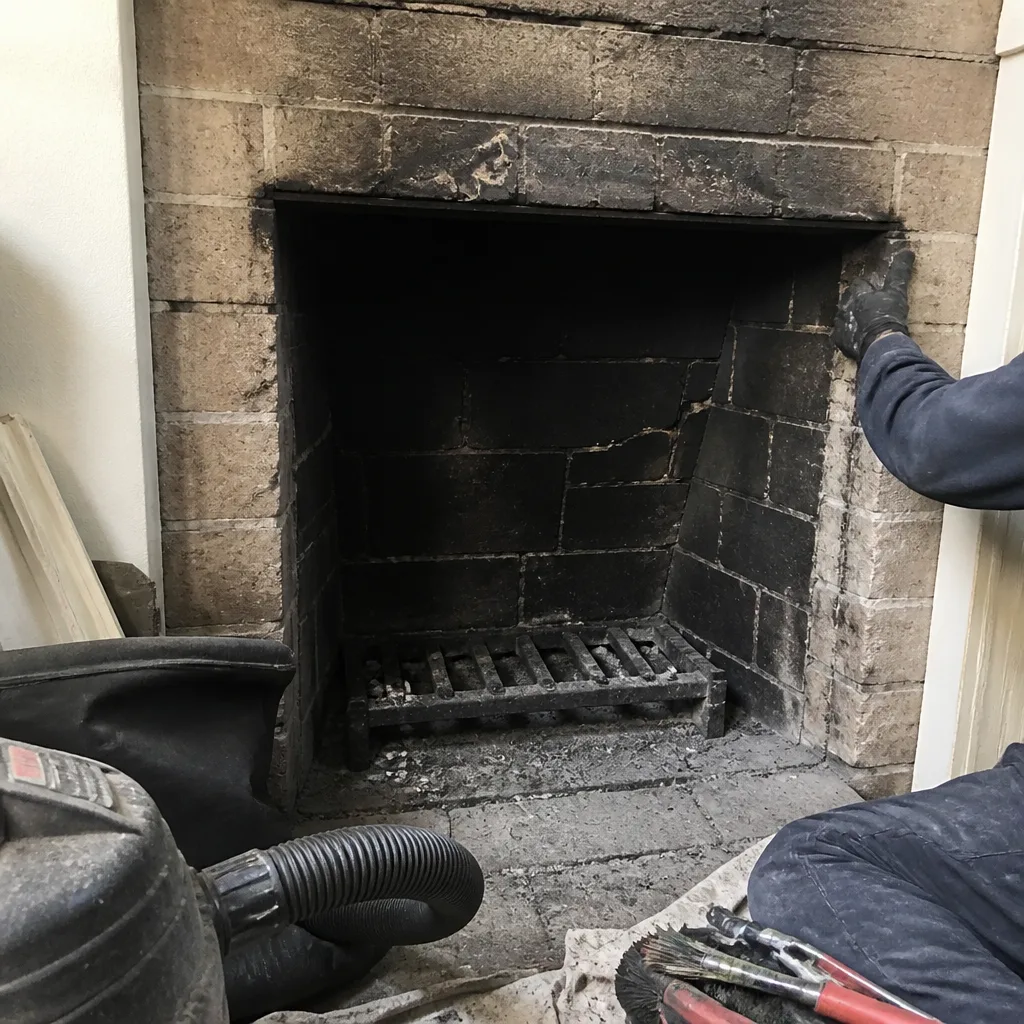
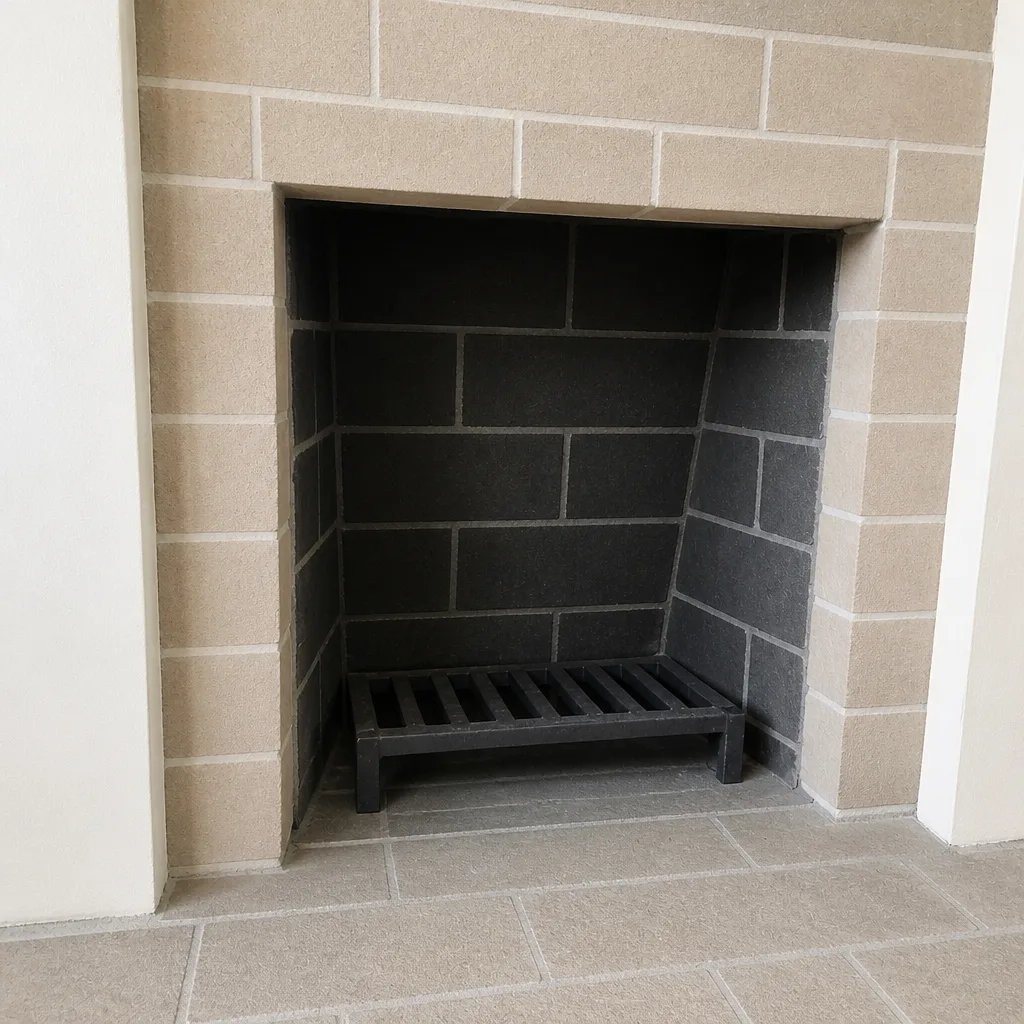
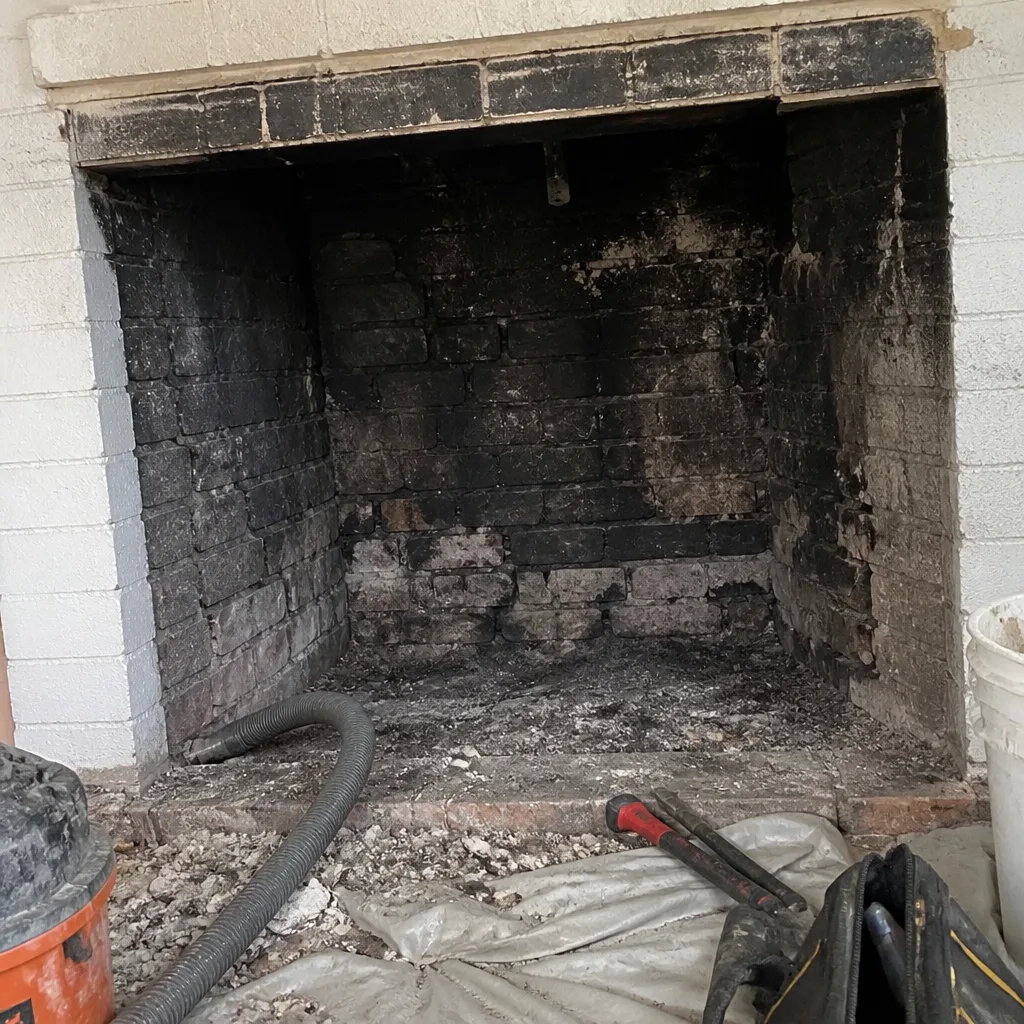
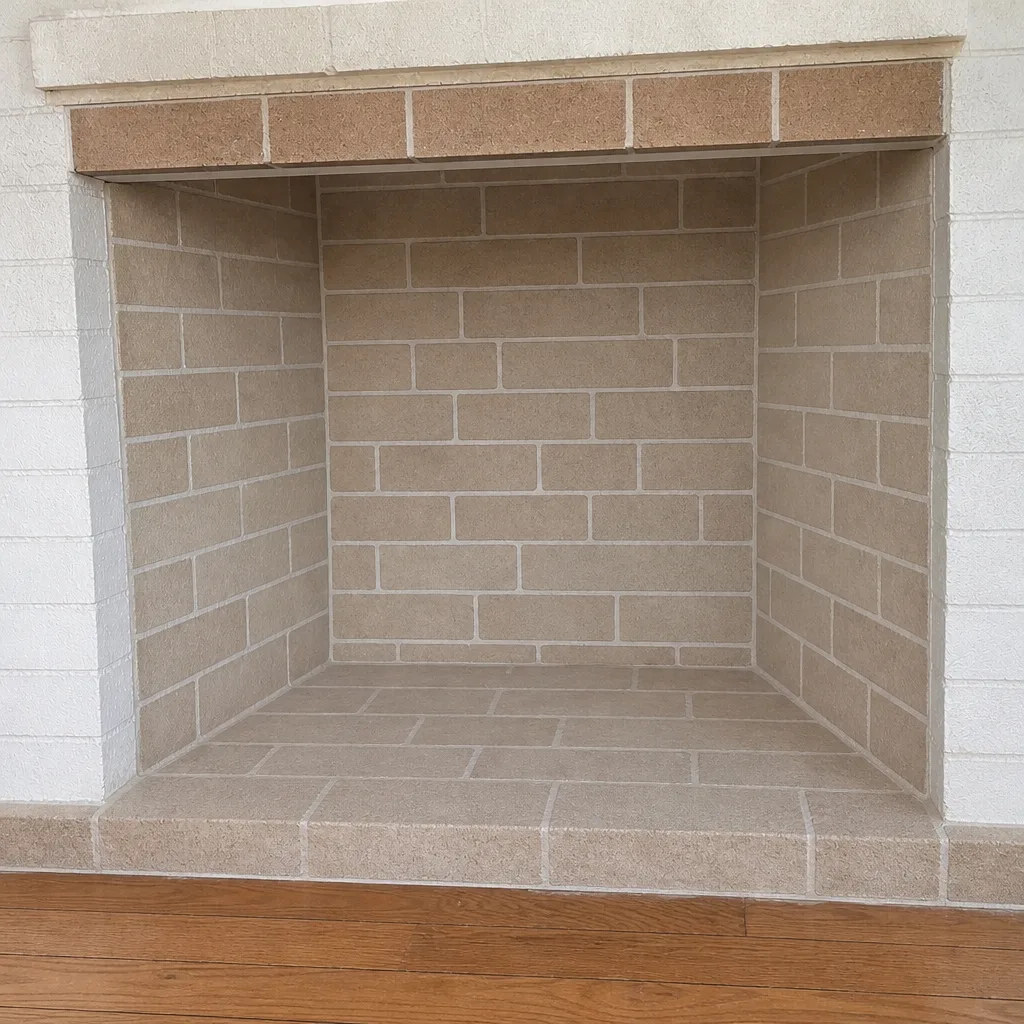
See the difference
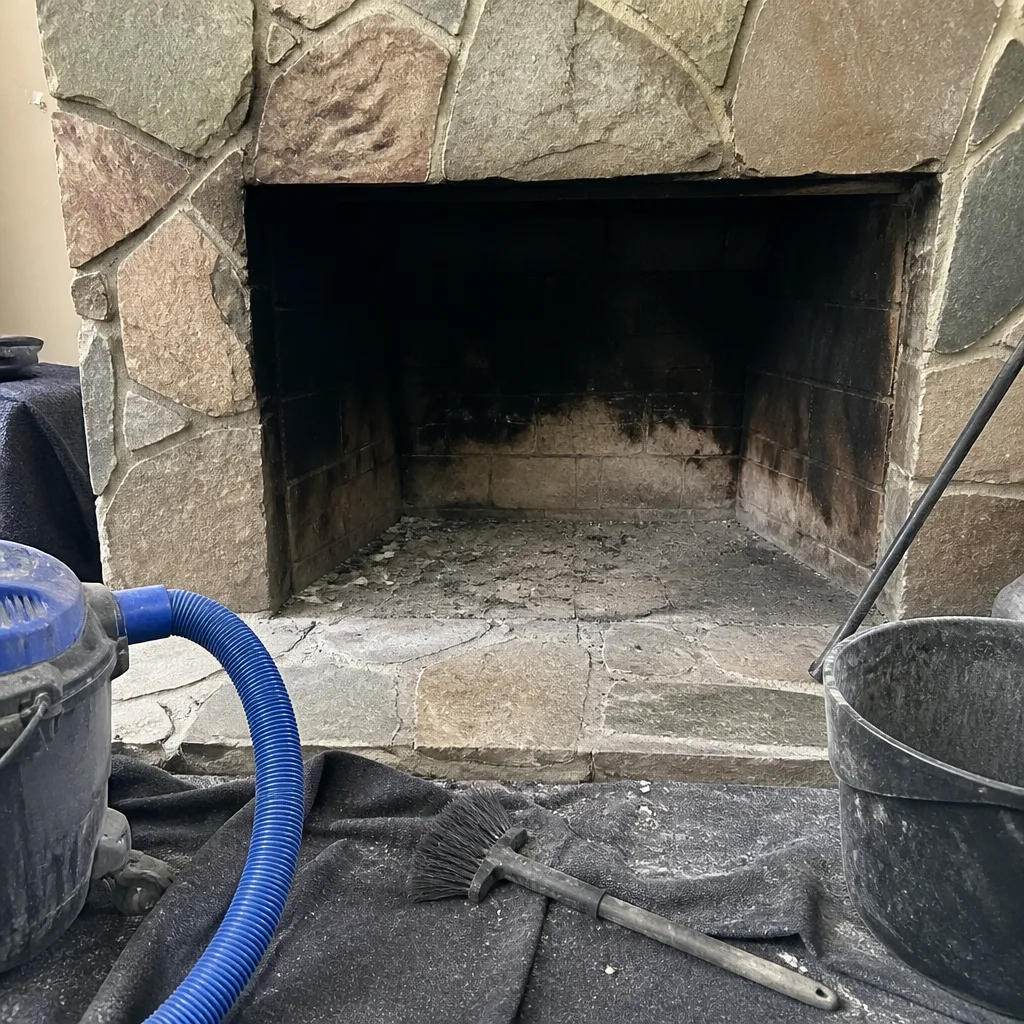 Before
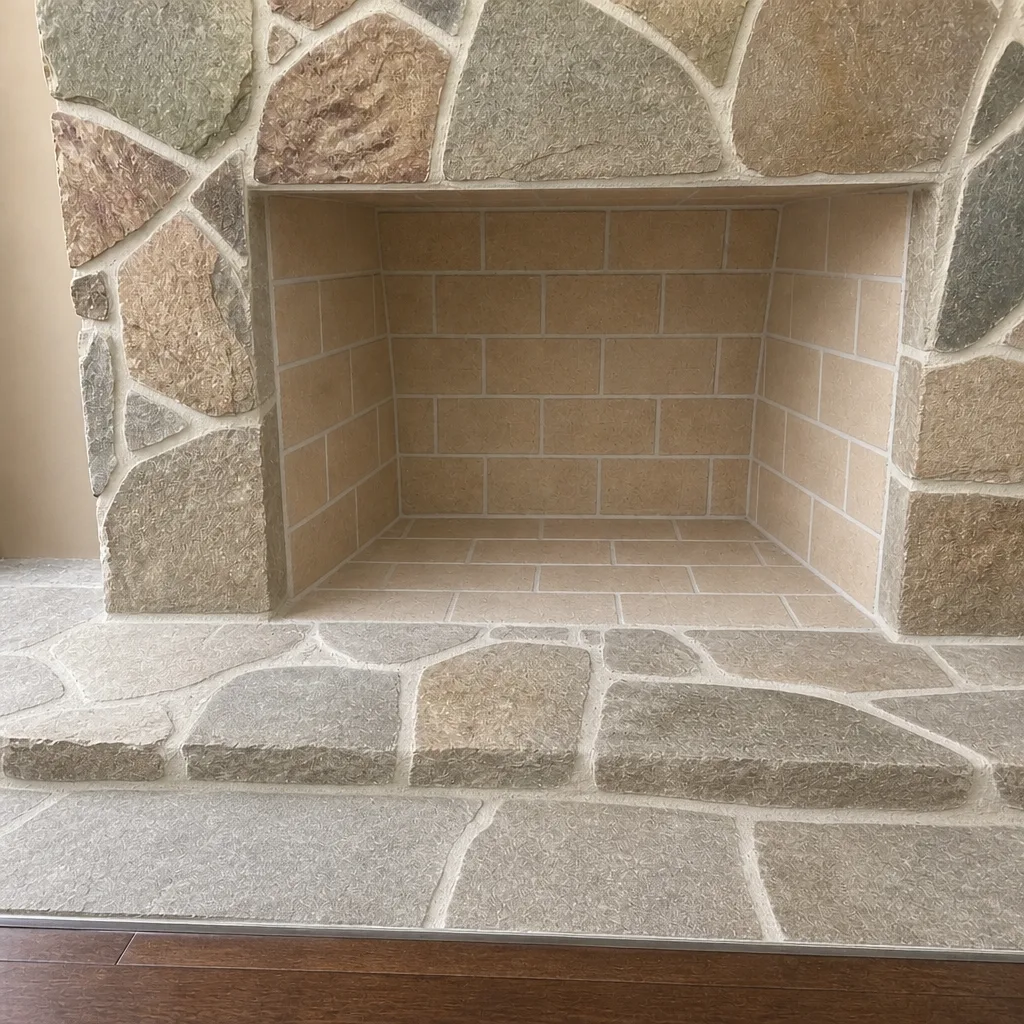 After
 Before
 After
 Before
 After
When to Call a Professional
Some things can wait. Others can’t. Call us if you’ve never had the flue inspected and don’t know the condition, if your firebox smells smoky when no fire is lit, if smoke backs into the room when you open the damper, if you see a cracked crown or a damaged cap, or if you’re preparing to sell and want a documented condition report. Call us before your first fire this season if it’s been more than a year since the last inspection, and call us before September if you know the crown has cracks that would let winter rain in. Chimney Sweep Aliso Viejo offers free estimates in Aliso Viejo. Call (833) 482-6109. We answer 24/7, with fast dispatch from 7am to 7pm, Sunday through Friday.
For the repair side, chimney sweep and inspection are the two services we do most in this city. The sweeps we book here are usually straightforward; the repair work is what the inspection is for.
Frequently Asked Questions
Sweep based on burn hours and wood quality, not a fixed calendar date. Most moderate wood-burning households here need one sweep after the burning season and an inspection in late summer. If you burn fewer than a couple dozen fires a year, your sweep may safely wait, and the inspection will tell you that. Call (833) 482-6109 for an exact quote on your system. Estimates are free.
Yes, because September is when the region moves into fire weather, and the chimney’s condition matters more in a dry, smoky season than a cold one. A September camera inspection checks the flue, the crown, and the cap before the winds. If your system is in good shape, we’ll tell you there’s nothing to do yet. Call (833) 482-6109 to schedule.
Skipping care leaves two problems to compound. Creosote builds in the flue, raising the risk of a flue fire, and the exterior shell weathers through hot, dry seasons with no seals, which lets water into the masonry. Water finds the weak points and the repair costs grow from there. The inspection catches the damage before it gets past the sealed layer. Call (833) 482-6109 for a free estimate.
Not in the way a fire in the firebox damages a chimney, but smoke events do deposit fine particulate in an unused flue, and the residue can cause odor and soot. The main protection is a cap with a proper screen and a flue that’s been cleaned recently. Request a camera inspection before your next burning season. Call (833) 482-6109 and we’ll book a time.
Whether you need a liner or resurfacing depends on the actual condition of the flue, and the camera inspection settles it. HeatShield resurfacing can repair a deteriorated flue in place and save you the cost of a full replacement when the damage is in the right range. No recommendation is made without a photo you can see for yourself. Call (833) 482-6109 for a free estimate.
A standard fall cleaning is essentially a sweep plus a look. The September inspection is a full condition check with a camera on the flue, the crown, the cap, and the firebox, and a written report before the Santa Ana season. The sweep and the inspection are separate tasks done at the right time. If you want to know which one your Aliso Viejo home needs, call (833) 482-6109. Estimates are free.
Our technicians are trained across the full system, including HeatShield resurfacing, cap and crown work, and fireplace repair alongside sweeping and inspection. Our team has up to 13 years of experience. Single-provider coverage means you don’t coordinate between a sweep service and a repair contractor. Call (833) 482-6109 to book an inspection.
The Bottom Line
In Aliso Viejo, the months that test your chimney system are the ones where you’re not using it. Interior work follows burn hours and wood quality; exterior work follows the sun and the first rain. Put those in the right order and your fireplace gets safer, your crown and cap get the attention they need ahead of winter, and your flue is clean before the Santa Ana season. Our whole point is a complete system relationship: sweep, inspection, cap and crown, fireplace repair, and chimney repair, all from one team that knows the difference between a clean flue and a compromised one. Book your September inspection before the winds arrive.
Call (833) 482-6109 for a free estimate. We answer 24/7. Fast dispatch from 7am to 7pm, Sunday through Friday.
Written by the team at Chimney Sweep Aliso Viejo.