
Last updated November 25, 2026
 Sweep & inspection
 Caps & crowns
 Flue relining
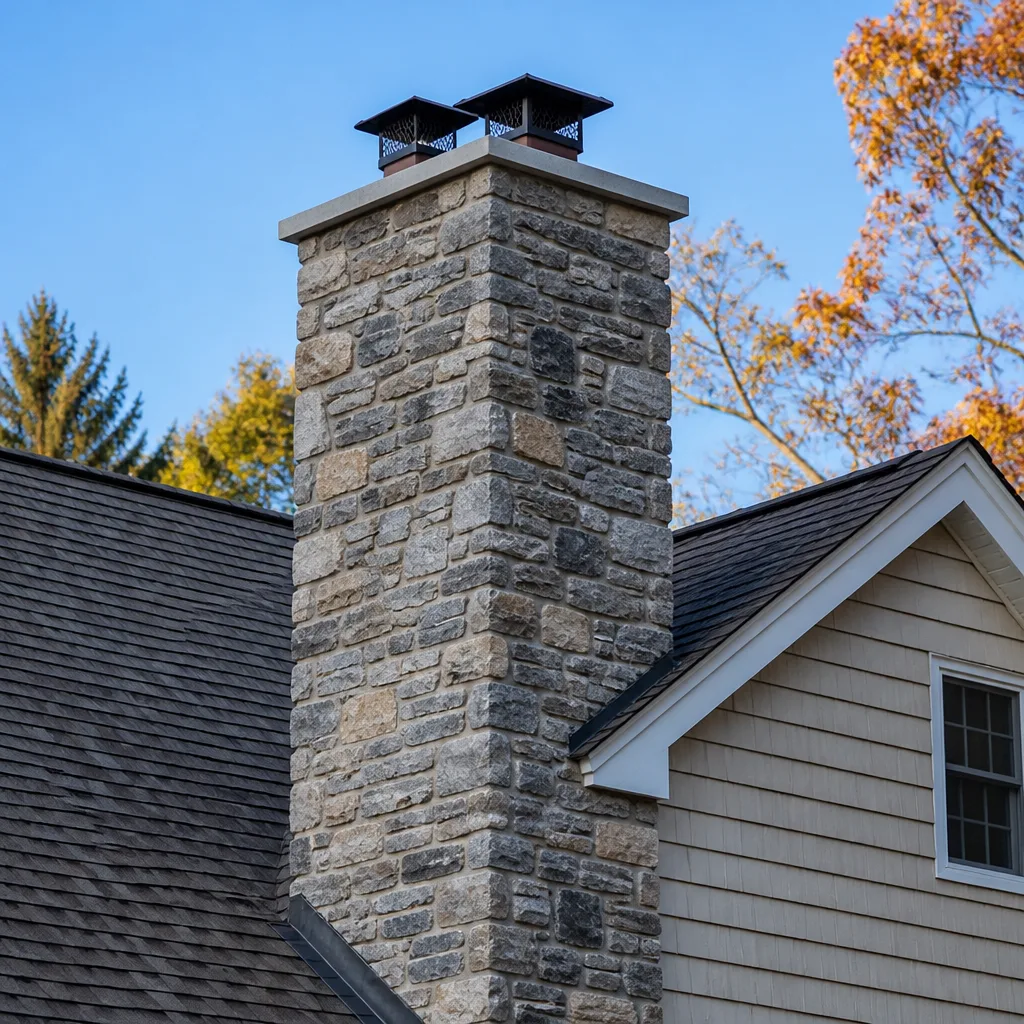 Masonry repair
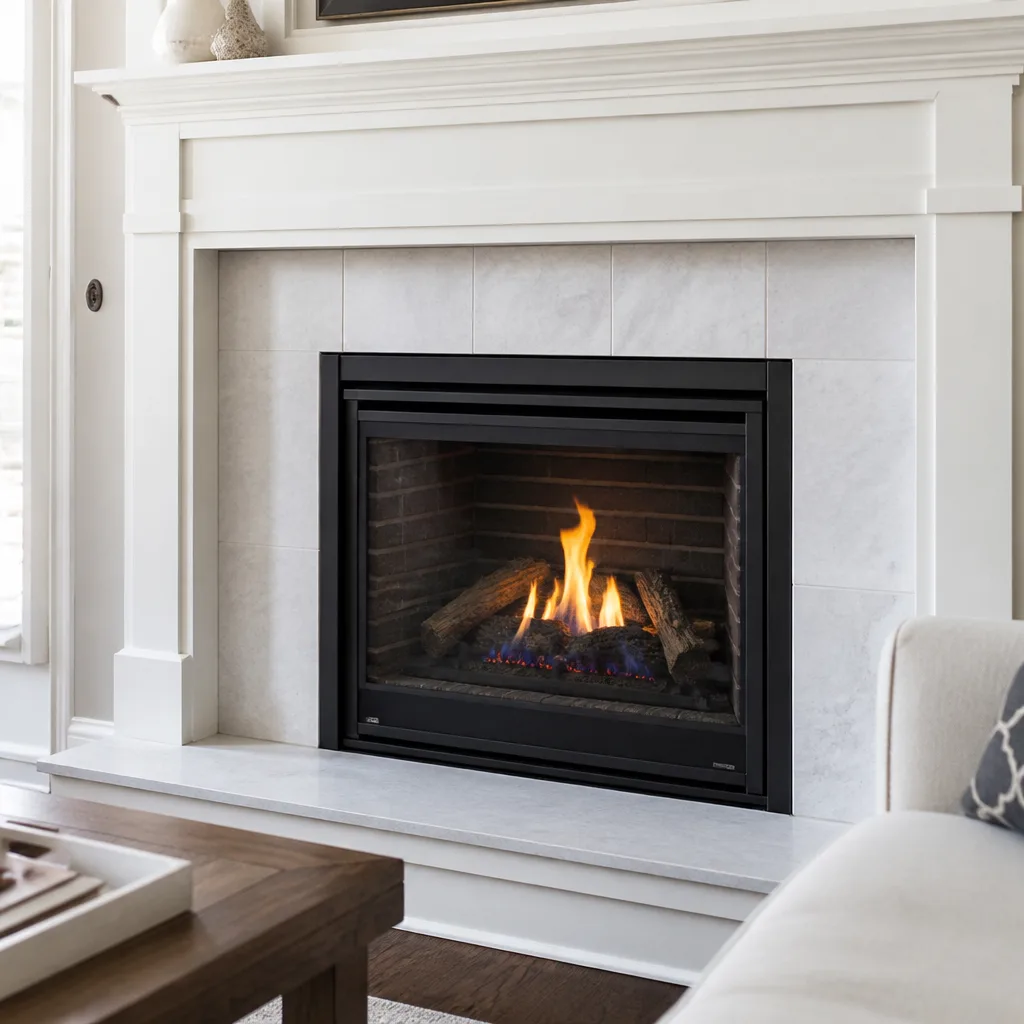 Gas fireplace service
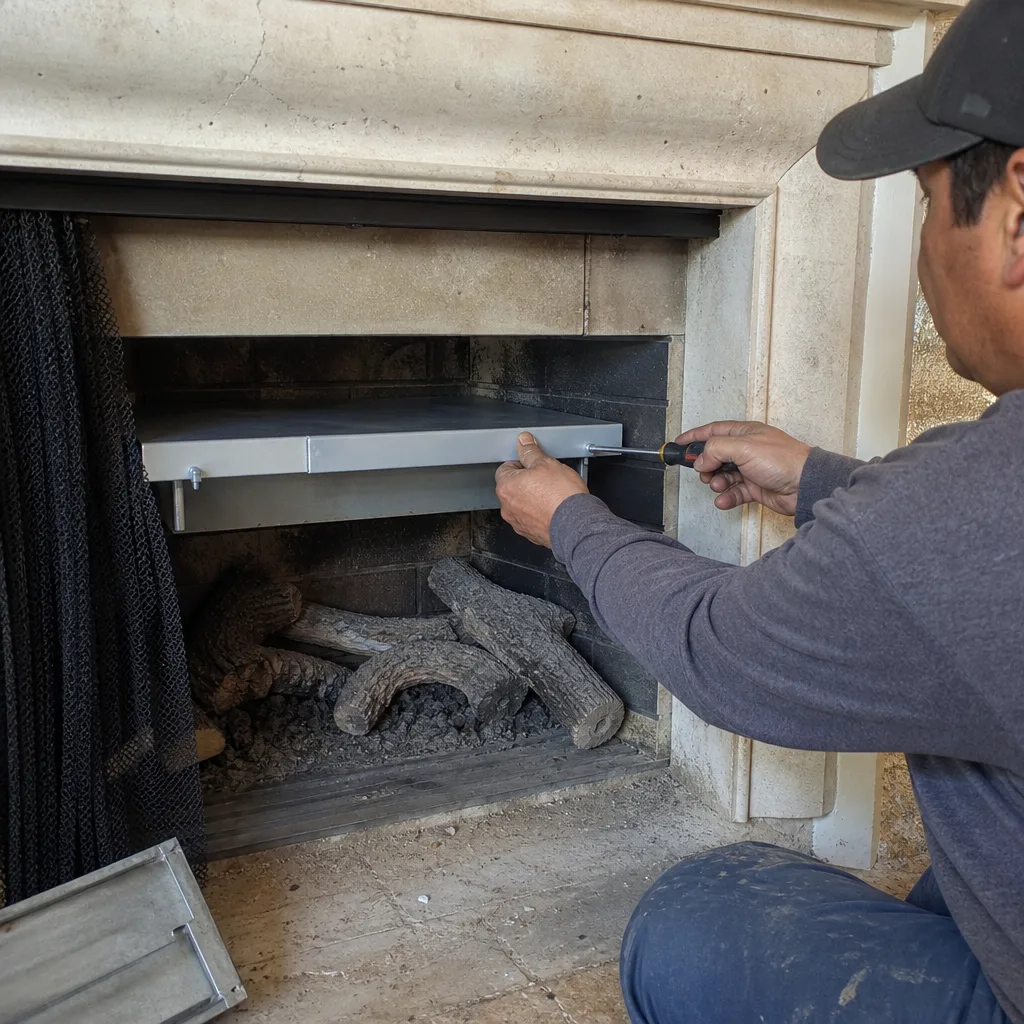
Level 1 sweep and inspection to the NFPA 211 annual standard - flue, crown, cap, and flashing checked and photographed
Chimney sweep logs do not sweep chimneys. They loosen some creosote - which then falls where a brush and vacuum still have to collect it.
Chimney Cleaning Permits, Codes & Inspections in Aliso Viejo, CA: What You Need to Know
Most chimney work in Aliso Viejo doesn’t touch a permit. A routine sweep, a Level 2 inspection, a new cap: none of that goes to the city. The confusion starts when a homeowner assumes the same is true for relining a flue, dropping a gas insert into an old firebox, or rebuilding a chimney chase that’s spalling at the crown. Those jobs fall squarely under building code, and when they’re done without paperwork, the problem sits dormant until a home inspector flags it before escrow or an insurance adjuster asks for documentation after a fire claim. California’s Title 24 energy rules and the California Residential Code both shape how a chimney system gets modified, and a surprising number of installations in Orange County never accounted for either. This guide walks through what needs a permit, what doesn’t, how inspection levels work, and what to do if you’re buying an Aliso Viejo home with an undocumented chimney repair in its past.
Quick Answer
Routine chimney cleaning and visual inspections in Aliso Viejo do not require a permit. Any work that changes the chimney structure or flue system – liner relining, fireplace insert installation, gas log conversion to a sealed unit, chase or crown rebuilds, and masonry repair – almost always requires a building permit through the City of Aliso Viejo. A Level 2 inspection is a common disclosure item in California real estate transactions and the right document to have before you buy or sell a home with a fireplace.
Styles & brands we work with
- Sweep & inspection
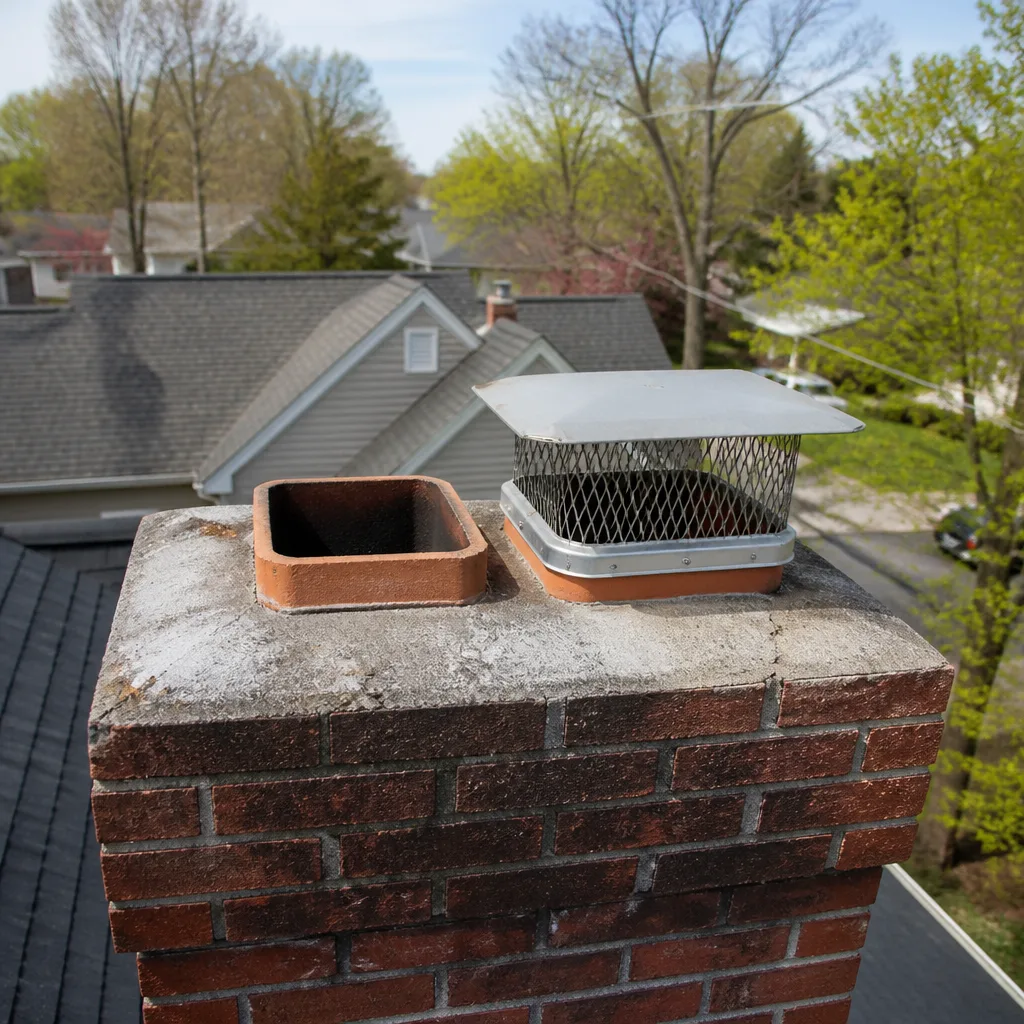
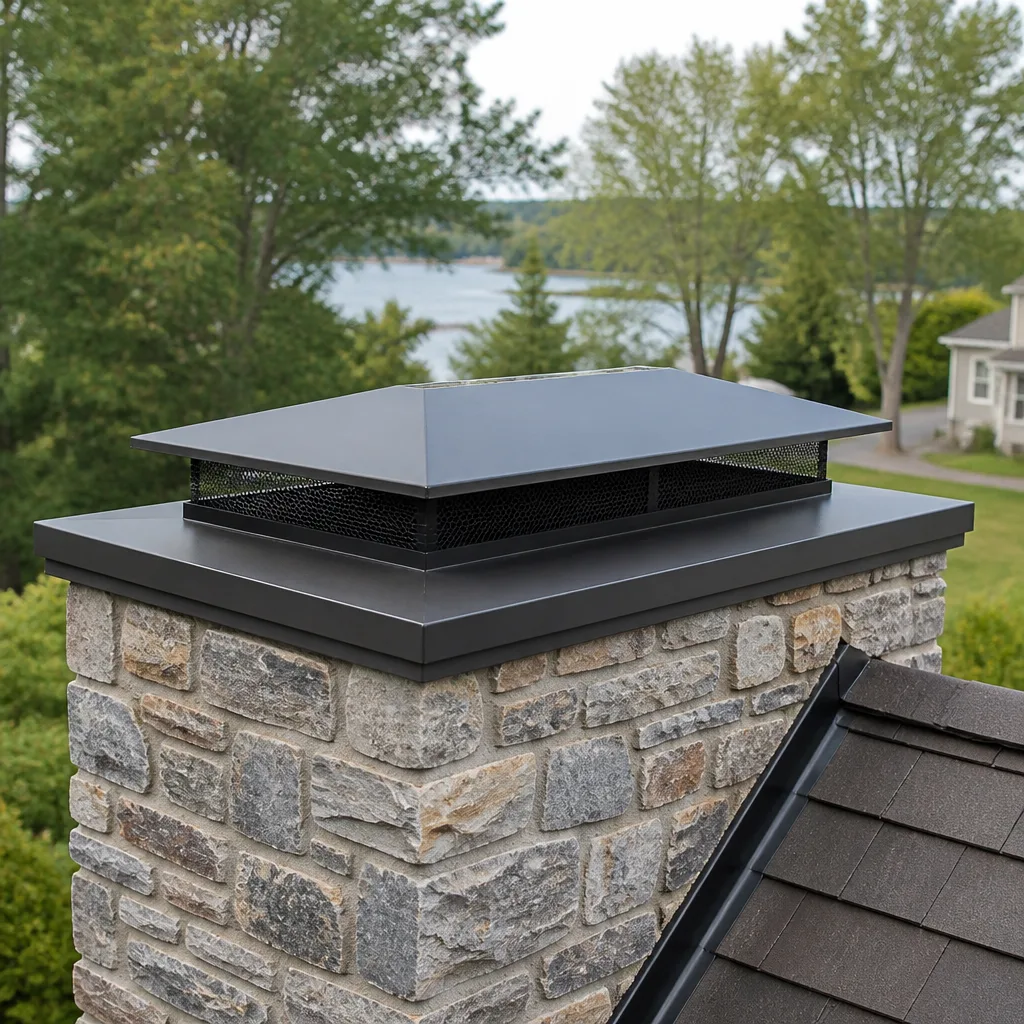
- Caps & crowns
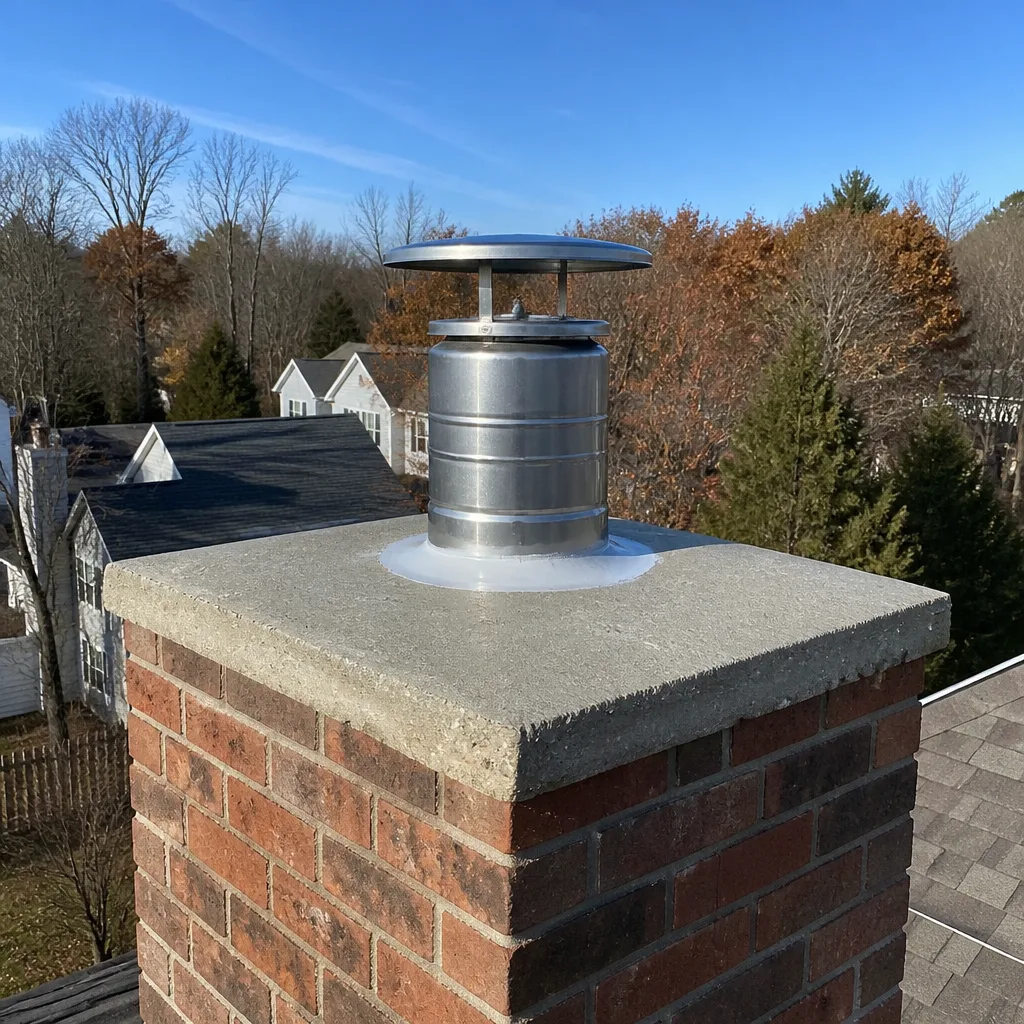
- Flue relining
- Masonry repair
- Gas fireplace service
Table of Contents
- What Chimney Work Needs a Permit in Aliso Viejo?
- How California Residential Code and Title 24 Affect Your Chimney System
- What a Level 2 Inspection Actually Involves
- When a Chimney Inspection Becomes a Real Estate Disclosure Item
- How Unpermitted Chimney Repairs Affect Insurance Claims
- Retroactive Permitting: What to Do if Previous Owners Skipped It
- The Permit Process, Step by Step
- What Permit-Adjacent Chimney Work Costs in Aliso Viejo
What Chimney Work Needs a Permit in Aliso Viejo?
Cleaning doesn’t need one. Structural and system-altering work does. Here’s the working line we use: if the job touches the flue interior, the firebox, the chimney chase, or the appliance itself, it needs a permit. If it only removes creosote and soot from a system that stays exactly as it was, it doesn’t.
Work that typically does NOT require a permit
- Routine chimney sweeping (creosote and soot removal)
- Level 1 and Level 2 inspections
- Chimney cap replacement with a like-for-like cap
- Minor crown sealing or caulking that doesn’t alter the structure
- Fireplace screen or damper hardware replacement that stays within the existing opening
Work that typically DOES require a building permit
- Installing a new stainless liner (DuraFlex or similar) inside an existing flue
- Relining a flue that has spalled or cracked – including a HeatShield resurfacing-first approach when the substrate is stabilized
- Adding a fireplace insert, gas or wood
- Converting a wood-burning fireplace to a vented or vent-free gas log set with a sealed firebox
- Rebuilding a chimney chase, crown, or any damaged masonry above the roofline
- Changing the flue’s terminating height or cap style as part of a structural repair
Aliso Viejo sits under Orange County jurisdiction for most building code enforcement, and the city has its own permitting portal and plan-check process. If you’re unsure whether your specific job crosses the line, ask before work starts. Getting the permit up front is far cheaper than a code enforcement notice later. Our chimney repair work routinely begins with a permit-required conversation, and we’d rather have it before the ladder goes up than after the job is done.
How California Residential Code and Title 24 Affect Your Chimney System
Title 24 is the state’s energy code. The California Residential Code (CRC) governs how a chimney is built, supported, clearanced, and vented. Both apply to chimney modifications in Aliso Viejo, and both trip up homeowners who assume a fireplace change is purely cosmetic.
Title 24 matters most when you add a gas appliance. A vented gas log set or gas insert installed in an existing fireplace has an energy and combustion-air profile the state cares about. When a home is sold or remodeled, Title 24 documentation is part of the permit package – and a chimney modification without that paperwork can get flagged during a home energy score review or a refinance appraisal. This is not a technicality. The energy compliance forms are the same forms the county looks for when a permit is pulled for anything else on the house.
The CRC handles the structural side:
- Clearance to combustibles – the flue’s required gap to nearby framing and drywall doesn’t change because you installed a newer appliance. In fact, a higher-efficiency insert often needs its own listed venting rather than an existing flue, which means a permit and a specific manufacturer’s instructions on the wall.
- Flue height and termination – the ten-foot/two-foot/three-foot rule for chimney termination above a roof is set in code and applies when you replace a cap or extend a chimney.
- Liner material and listing – a liner must be listed for the appliance it serves. DuraFlex stainless systems are listed for a specific set of applications, and matching the liner to the appliance is part of what a permit reviewer checks.
- Support and lateral bracing – this is where a rebuild goes wrong when it’s done without permits. A chimney chase that gets rebuilt against code can create a future failure that shows up during a storm or an earthquake inspection.
In our experience across Aliso Viejo, the most common missed detail is the appliance-liner pairing on gas log conversions. A homeowner swaps a wood fire for a gas log set, the contractor drops in a standard stainless liner, and nobody checks whether the liner brand is listed for that appliance class. That gap doesn’t fail today. It fails when a home inspector writes it up a decade later.
What a Level 2 Inspection Actually Involves
A Level 2 inspection is a visual and accessible-chase examination of the entire chimney system, including the portions accessible through the firebox, the smoke chamber, the damper, and the chimney exterior – with the flue video-scanned by camera. It’s the level of inspection that the National Fire Protection Association recommends at property transfer, after a chimney fire or earthquake, and whenever a change in the appliance or fuel type occurs. In Aliso Viejo, it’s also the inspection most real estate transactions call for when a home has a working fireplace.
Here’s what a proper Level 2 inspection from our team includes:
- Exterior evaluation – crown, chase, cap, flashing, mortar joints, and the roof transition. Damage up top is where water gets in, and water is the root cause of most chimney deterioration in our dry climate.
- Firebox and damper examination – cracking, spalling, damper operation, and firebox-to-flue transitions.
- Smoke chamber assessment – this is the tapered area above the damper and it’s where most sweeping services never look. It’s also where creosote glazes and fires start.
- Video scan of the flue – a camera run from the top to the firebox, recorded so you can see the footage yourself. Cracks, gaps, offset tiles, and liner separation show up here that no amount of sweeping removes.
- Appliance and connector check – if there’s an insert or a gas log set, the connection and the liner’s listing get checked together.
- Written report with photos – this is the document a real estate transaction or an insurance claim will actually reference.
A Level 1 inspection is cheaper and more limited – it’s the one that travels with a routine annual sweep. A Level 3 goes further, opening concealed areas or dismantling parts of the chimney, and it’s usually triggered by a specific suspected defect. For most Aliso Viejo homeowners, the practical pattern is Level 1 on the annual sweep, and Level 2 whenever ownership changes hands or the appliance changes.
The point of the video scan is simple: you should see what we see. A written report that says “the flue needs a liner” without footage attached is not a Level 2 inspection in any meaningful sense, and it’s the reason so many homeowners come to us skeptical of the last inspection they paid for. If a contractor won’t record the scan and walk you through it, that’s the tell.
When a Chimney Inspection Becomes a Real Estate Disclosure Item
In California real estate practice, a chimney’s condition isn’t usually on the standard disclosure form by itself – but the fireplace’s operating condition almost always comes up during the physical inspection contingency period, and that’s where a Level 2 inspection enters the file.
When a home in Aliso Viejo goes under contract, the buyer’s home inspector will typically recommend a Level 2 chimney inspection if the fireplace is being sold as functional, if there’s visible masonry damage, or if the last documented sweep is vague. The seller is then in the position of producing a report, or of accepting a repair credit. The cleanest path for both sides is a Level 2 with recorded video and a written report, arranged early in the contingency window. That report answers four questions a buyer’s agent is going to ask anyway:
- Is the flue intact, or does it need relining?
- Is the firebox safe for continued wood burning, or does it need repair?
- Is the crown and cap doing their job, or is water getting into the chase?
- Is any prior repair properly documented?
The fourth question is where a sale gets complicated. If a previous owner had a liner installed, an insert dropped in, or a chimney rebuilt without ever pulling a permit, the county record won’t show it. A home inspector or a real estate attorney will eventually notice – and at that point the seller either produces a retroactive permit or takes a credit. We’ve seen this play out on enough Aliso Viejo transactions to say plainly: get the inspection before the buyer does. Our chimney sweep Aliso Viejo visits are frequently booked for exactly this reason, with the report written so a buyer’s agent and a title company can both read it.
How Unpermitted Chimney Repairs Affect Insurance Claims
This is the part homeowners tend to dismiss until it matters. If a fire starts in a chimney that was relined or rebuilt without a permit, the insurer’s adjuster will look at the repair history of that chimney. An undocumented modification changes the claim conversation, sometimes dramatically.
The mechanism is straightforward. Homeowner’s policies cover fire damage under the dwelling and personal property sections, and they generally don’t exclude a claim because a repair was unpermitted. What changes is the coverage investigation: the adjuster asks for proof of the chimney’s last certified inspection, proof of who performed the last repair, and whether the work that failed was installed to code. When none of that exists, the claim often proceeds but the payout gets negotiated around “cause and origin,” which is the adjuster’s term for how the fire happened and whether a code-compliant installation was in place.
What a documented chimney system does for you:
- An inspection report with date and video establishes the flue’s condition at a known point in time.
- A permit and inspection record ties a liner or insert install to a licensed contractor and a code-checked installation.
- A sweep log – even a simple one – shows the system was maintained on a reasonable schedule.
None of these guarantee a claim outcome, and any insurance professional would tell you that. What they do is remove the ambiguity. In our experience, the chimneys that sail through an insurance review are the ones where a homeowner kept a folder with the last sweep report, the last inspection scan, and the permit card for the liner replacement that happened seven years ago. That folder costs almost nothing to build. Reconstructing one after a fire is nearly impossible.
If your concern right now is that the flue never got that attention, a chimney sweep combined with a Level 2 inspection gives you a defensible starting point. The video scan documents what’s actually in the flue today, and anything we recommend from there gets priced in writing before booking.
Retroactive Permitting: What to Do if Previous Owners Skipped It
Retroactive permitting is possible in Aliso Viejo and throughout Orange County, but the process depends entirely on how well the prior work was installed. You’re not asking the city to forget about a permit – you’re asking it to review the existing installation against today’s code, and issue a permit for what’s already there.
Here is the sequence we typically see:
- Start with a Level 2 inspection – the recorded video scan and written report establish exactly what was installed, and whether it’s code-viable. Sometimes it isn’t, and that’s important to know before you call the city.
- Document the appliance and liner pairing – the manufacturer’s listed liner for the appliance that’s installed. If a DuraFlex system is in the flue, the listing documentation supports the permit application. If a non-listed liner was used, this is where the plan changes.
- Pull the retroactive permit through the City of Aliso Viejo – usually via the same building department that would have handled the original permit. There is almost always a plan-review step, and the reviewer will want to see the inspection report, the liner listing, and (for insert or gas log installs) the Title 24 documentation.
- Schedule the verification inspection – the county inspector visits and reviews what’s installed against the submitted documents. If the installation meets code, the permit closes.
- If it doesn’t meet code, fix first – a liner that isn’t listed for the appliance, a firebox that lost clearance, or a chase with inadequate support can be corrected under the same permit and then verified.
The honest answer to “can we always get a permit issued retroactively” is no. It depends on what was installed and whether it can be brought into compliance reasonably. A HeatShield resurfacing that stabilized a deteriorating flue substrate, for example, can often be documented as the repair of record; a firebox insert installed without proper venting sometimes can’t. The inspection tells you which situation you’re in before you spend anything on permit fees.
The Permit Process, Step by Step
If you’re planning a permit-required chimney job on an Aliso Viejo home, the timeline runs roughly four to eight weeks end to end for a simple liner or insert install, and longer for a chase rebuild. The steps look like this:
- Get a Level 2 inspection first – the report defines the scope of the work and the permit application.
- Scope the job in writing – the written estimate should name the liner or component system (DuraFlex, HeatShield, Olympia Chimney), the appliance it serves, and the scope of any structural work.
- Submit the permit application – the contractor of record submits to the City of Aliso Viejo, usually with the inspection report, appliance listing, and Title 24 documentation (for gas appliance installs) attached.
- Plan review – the city reviews the submittal and either approves, requests corrections, or requires additional documentation. Corrections are common on insert installs where the liner listing hasn’t been provided.
- Permit issued, work scheduled – once the permit is in hand, the installation can be scheduled and the work performed.
- Municipal inspection – the inspector verifies the finished installation against the permit. This is the final step and the one that gives you the paper trail.
- Permit closes – the closed permit stays on the city record and is the document a future buyer, insurer, or appraiser will find.
One point worth flagging: the permit application, the installation, and the inspection are three different steps, and the same contractor should be responsible for all three. A handyman can install a liner. What he usually can’t do is defend the listing paperwork at plan review, or answer the inspector’s questions about the appliance-liner pairing on the day of verification. That’s why we recommend lining up the contractor by their permit record first and their price second.
What Permit-Adjacent Chimney Work Costs in Aliso Viejo
Chimney pricing in Aliso Viejo sits in the middle of the Orange County market – homes here tend to have single-flue or two-flue masonry or prefab chimneys, and the work is rarely complicated by the deep retrofit issues that show up in older neighborhoods closer to the coast. Here are typical ranges for the work this guide covers. These are estimates, not quotes; the written estimate you receive sets the final price.
| Service | Typical price range (Aliso Viejo market) | Permit required? |
|---|---|---|
| Standard chimney sweep (single flue) | $180 – $340 | No |
| Level 1 inspection (with sweep) | Included in sweep or add-on | No |
| Level 2 inspection with video scan and report | $220 – $420 | No |
| Stainless liner install (DuraFlex or similar) | $2,400 – $4,800 | Yes |
| HeatShield flue resurfacing | $1,800 – $3,600 | Varies by scope |
| Gas log set or insert installation | $1,100 – $3,200 plus appliance | Yes |
| Crown rebuild or cap replacement (Gelco, Olympia Chimney) | $450 – $1,800 | Yes (structural work) |
| Chase or masonry rebuild | $3,500 – $9,000+ | Yes |
| Retroactive permit documentation and inspection | $300 – $900 plus permit fees | Yes |
The city permit fee itself runs separately and is set by the Aliso Viejo building department based on the scope of work. We don’t quote it for you; the contractor of record pays it and passes it through on the invoice, or you pay it directly, depending on how the permit gets pulled.
A word on the HeatShield line in that table: flue resurfacing sits between cleaning and full liner replacement on the cost and intervention scale, and whether it needs a permit depends on what’s underneath the resurfaced substrate. If a HeatShield application is stabilizing a deteriorating flue that would otherwise fail, it’s structural repair. If it’s a protective coat on an already code-compliant flue, it’s usually a maintenance item. The inspection tells you which you’re dealing with, and that’s why we don’t quote HeatShield over the phone.
Common Mistakes to Avoid
- Assuming the sweep’s quote covers the permit. A standard sweep quote does not include permit fees or the plan-review step. If a job is permit-required, ask who’s pulling the permit and what the fees look like before work is scheduled – otherwise you’re in for a surprise at close.
- Skipping the Level 2 because the Level 1 was “fine.” A Level 1 inspection from a routine sweep looks at accessible portions only. It does not run a camera down the flue. If you’re buying a home or adding an appliance, Level 1 isn’t the inspection that answers the code question.
- Trusting a liner quote without a listing number. A stainless liner has to be listed for the appliance it serves. DuraFlex installs we do get documented that way, and the permit reviewer will ask. If a contractor quotes a liner without naming the brand and application, that’s a red flag worth pausing on.
- Treating a gas log conversion as cosmetic. Dropping a vented gas log set into a wood firebox changes the appliance, the venting, and the energy documentation. Title 24 paperwork is part of the installation in Aliso Viejo, and the retroactive process for an undocumented conversion is more expensive than doing it properly.
- Replacing a cap without checking the crown. A new Gelco or Olympia Chimney cap will look sharp on a chimney whose crown is already cracked. If water has been getting in through the crown, the cap on top hasn’t solved anything.
- Waiting until escrow to get documentation. A home inspector will recommend a Level 2 in about half the Aliso Viejo transactions we see. Sellers who have the report in hand before listing keep the negotiation on schedule; sellers who scramble during the contingency window lose leverage.
- Ignoring a bad prior sweep. If the last sweep “found nothing” but didn’t produce a written report or camera footage, treat that visit as unverified. A prior report with no video is not a documented inspection by today’s standard.
See the difference
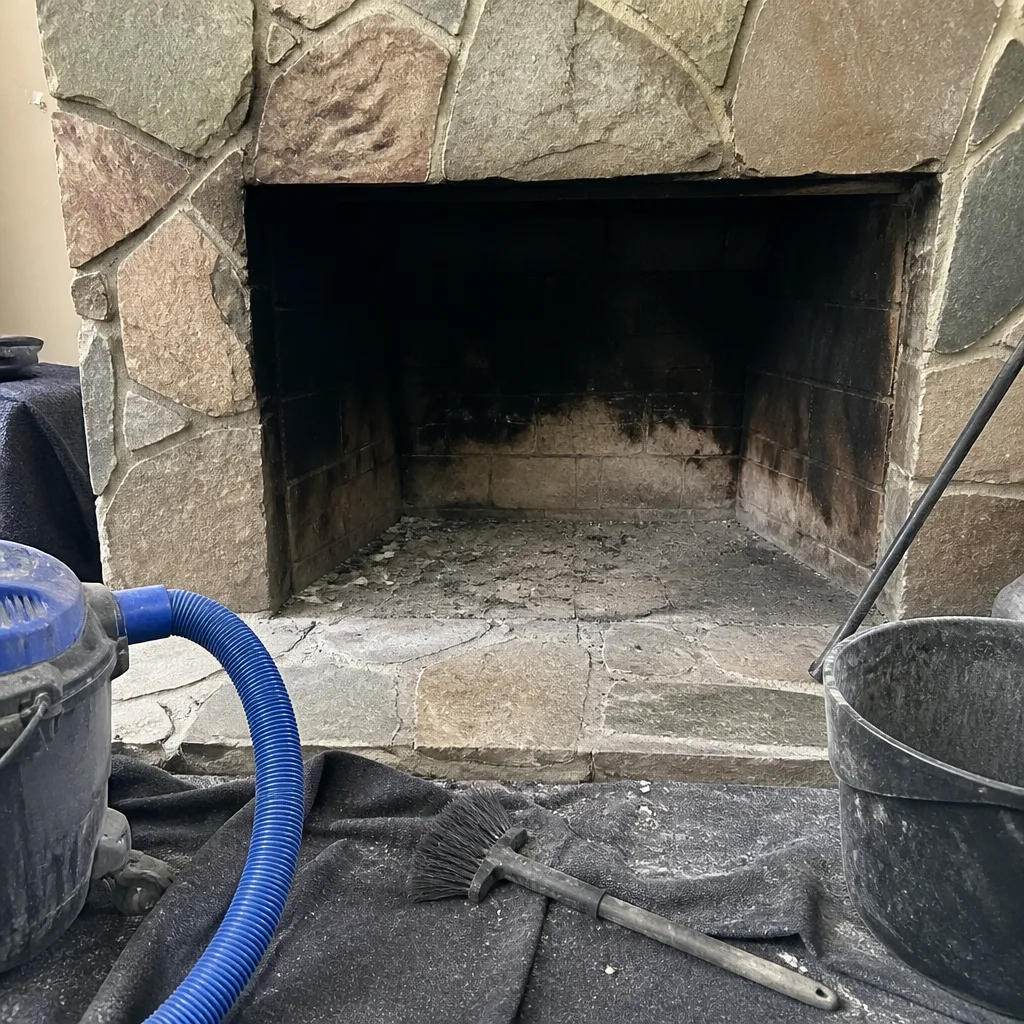 Before
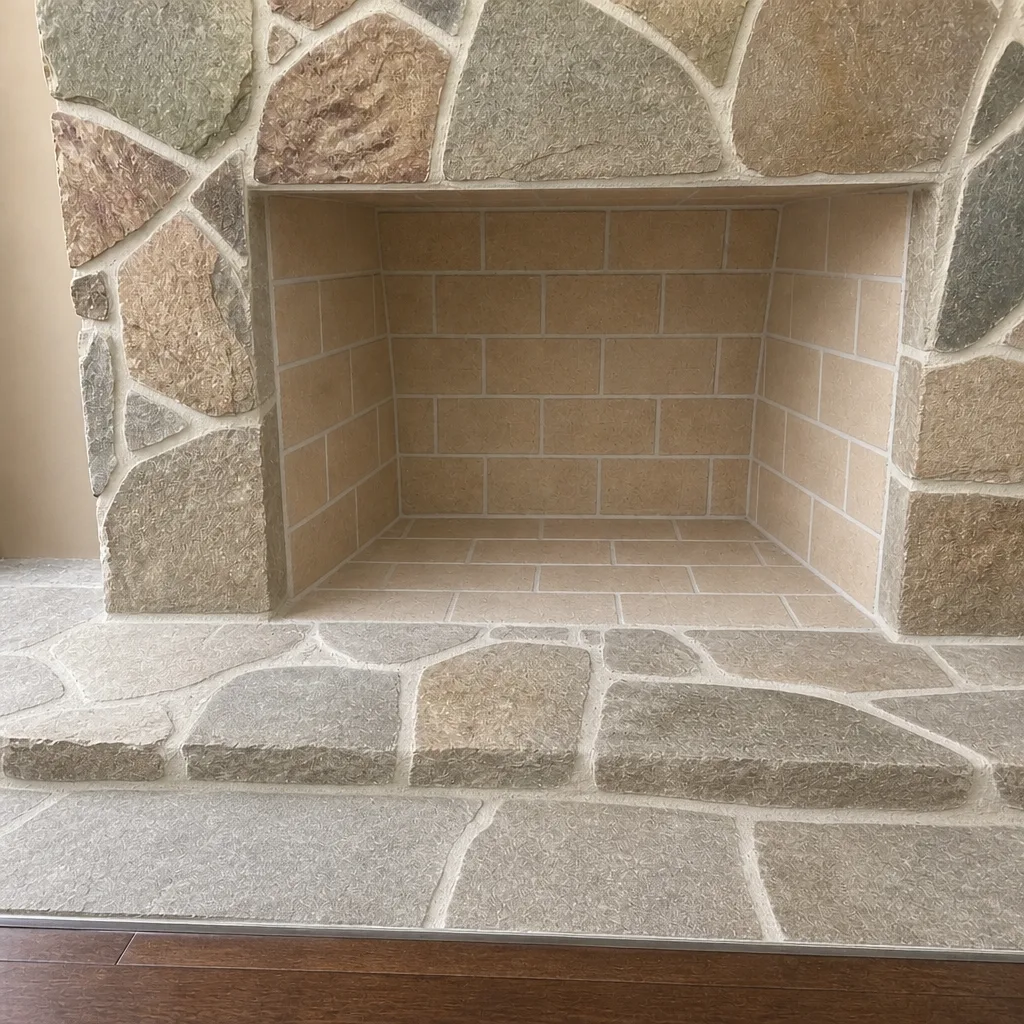 After
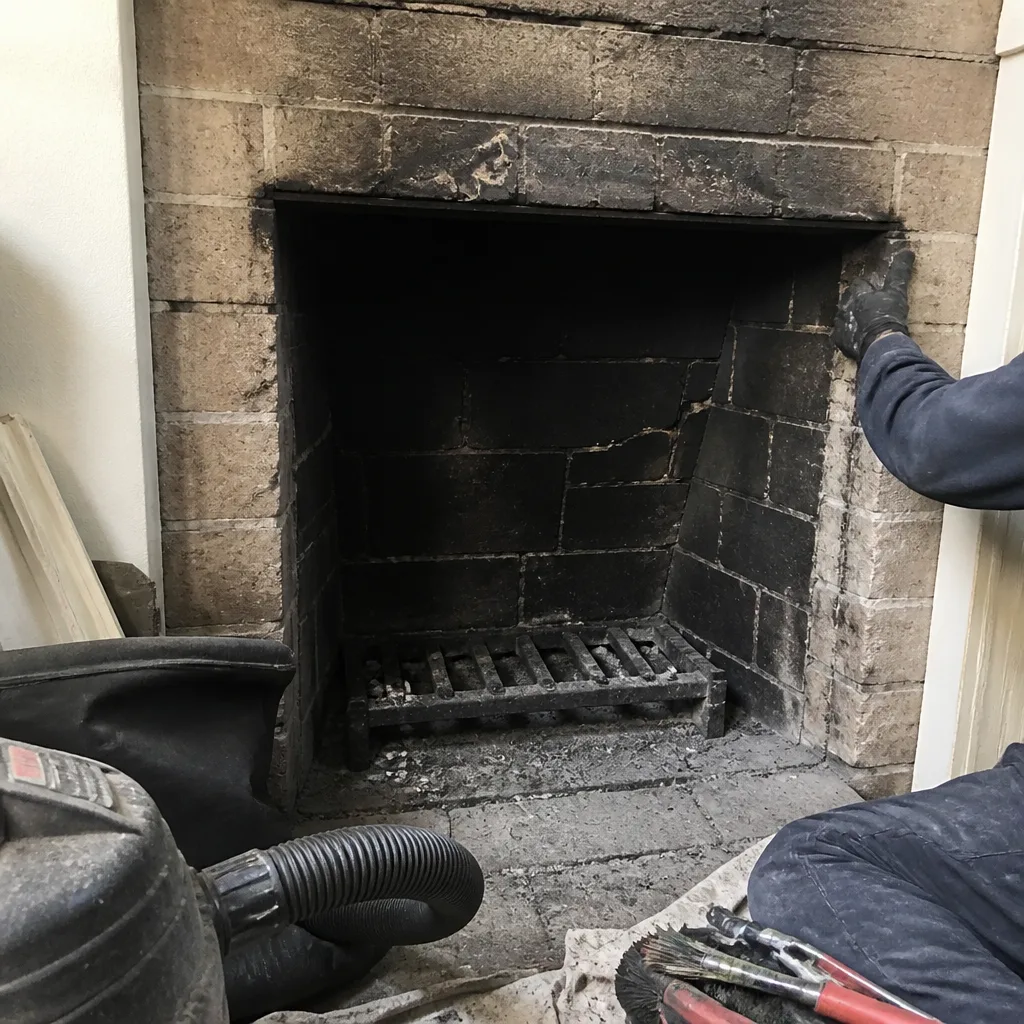 Before
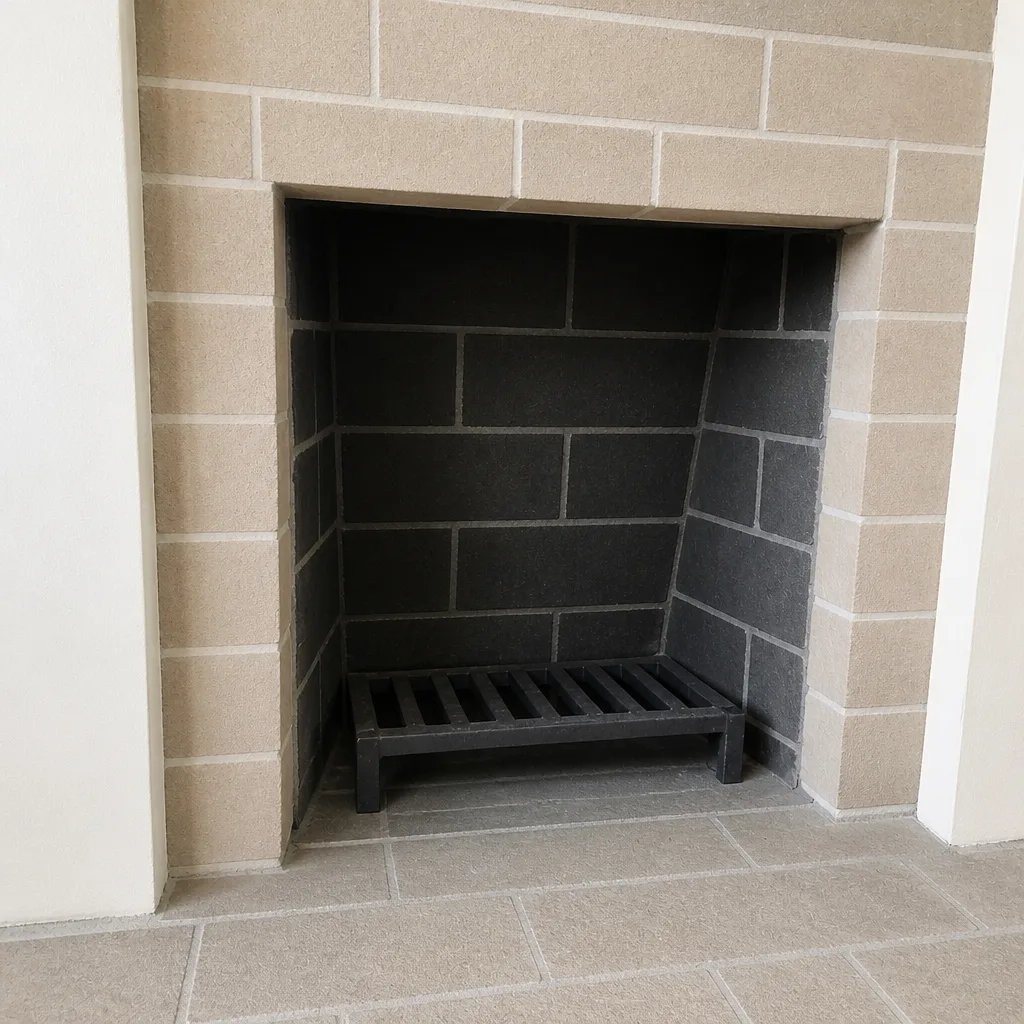 After
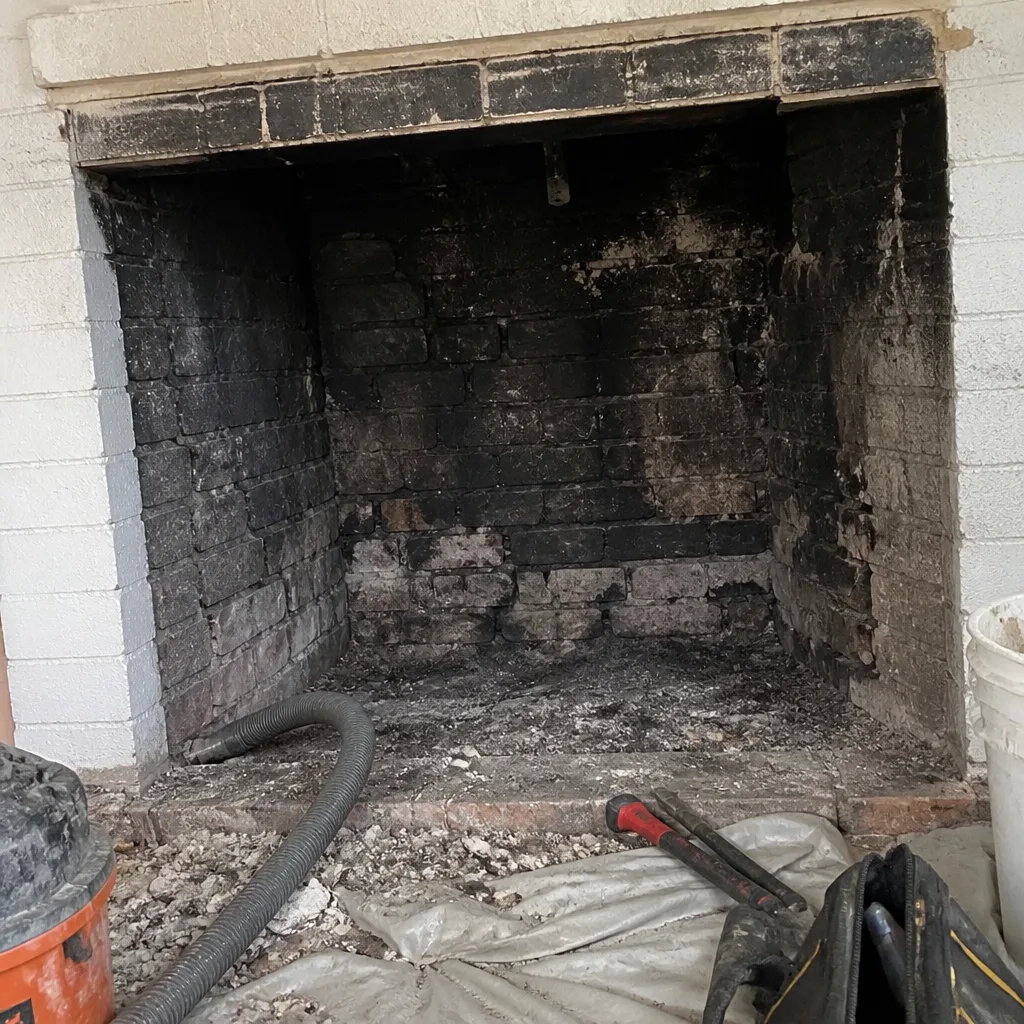 Before
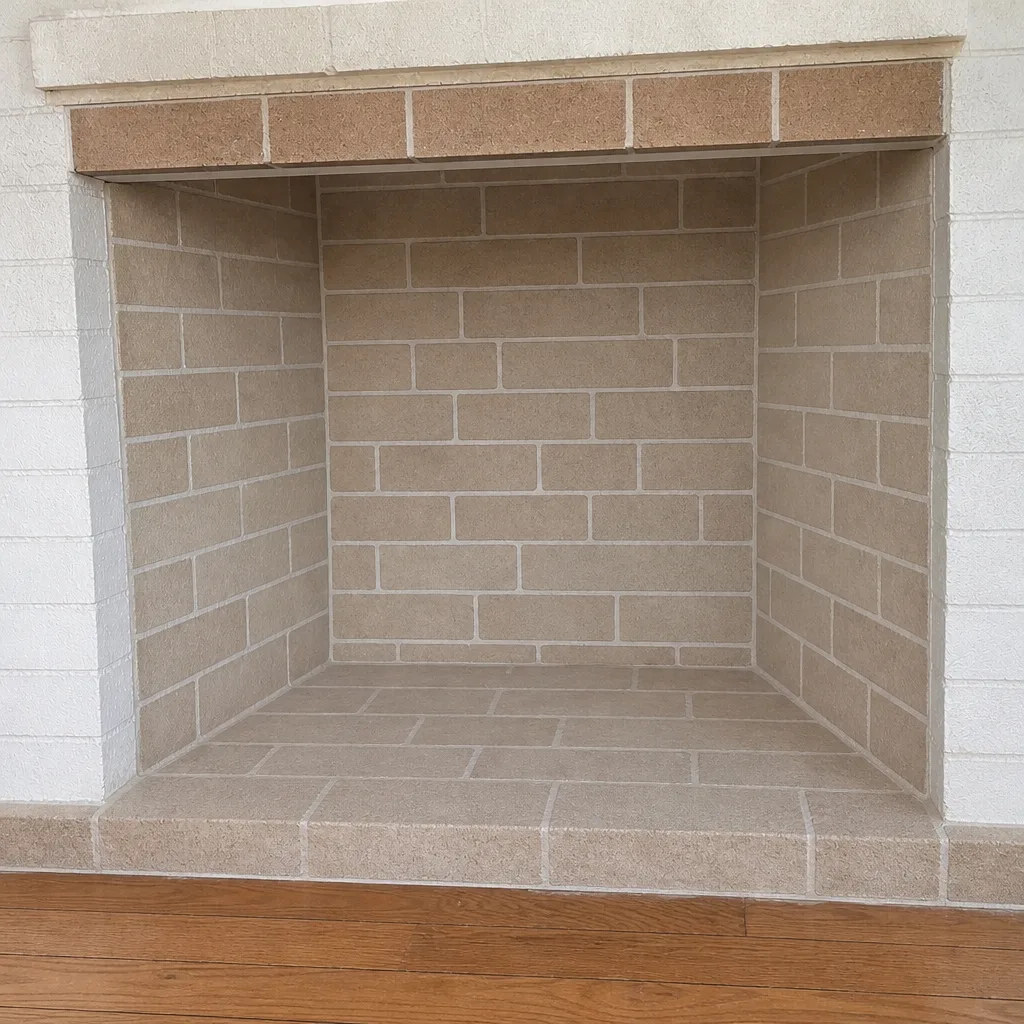 After
When to Call a Professional
Call a professional for any of these: a firebox that shows cracks or spalling, a flue that has never been video-scanned, a gas or wood appliance being added to an existing chimney, a chimney chase with visible masonry damage, a cap that’s missing or failing, an annual sweep that’s been skipped for two or more burning seasons, or any purchase, sale, or refinance of a home with a fireplace in it. We’d also say this: call us when you don’t trust the last inspection you paid for. Chimney Sweep Aliso Viejo offers free estimates in Aliso Viejo – call (833) 482-6109. We answer 24/7, and fast dispatch runs 7am to 7pm, Sunday through Friday. We bring the camera. You see what we see before anything gets recommended.
Frequently Asked Questions
No. A routine chimney sweep in Aliso Viejo does not require a permit, and neither does a Level 1 or Level 2 inspection. The permit line sits at structural and system-altering work: liner installation, insert or gas log installation, chase rebuilds, crown rebuilds, and any masonry repair that changes the chimney’s structure. If you’re uncertain which side your job falls on, ask before work starts. Call (833) 482-6109 for a free estimate on either category – estimates are free, and we answer 24/7.
A standard chimney sweep in Aliso Viejo typically runs $180 to $340 for a single flue, with the exact price set by the written estimate before we book. A Level 2 inspection with a video scan and written report is typically $220 to $420. Liner and structural work sit higher because they include permits and listed materials. Call (833) 482-6109 for an exact quote – estimates are free.
Only if the video scan shows the current flue can’t safely contain what you’re burning – cracks, gaps between tiles, spalled sections, or a flue that isn’t listed for the appliance you have. A camera scan recorded on-site and walked through with you is the only honest answer. Sometimes a HeatShield resurfacing repairs a flue that looks like a liner candidate; sometimes a liner is the only fix. Both are based on what the video shows, not a guess. Call (833) 482-6109 for an inspection and estimate – estimates are free.
Sweep once a year if you burn regularly, and at minimum once per season of active use. In Aliso Viejo, the burning season is short and the flue stays dry, so annual sweeps mostly document system condition and clear out the small amounts of creosote that build up between fires. If the chimney hasn’t been touched in two or more seasons, book an inspection before lighting the first fire. Call (833) 482-6109 to schedule – estimates are free.
Creosote builds up inside the flue, and enough of it can ignite. A chimney fire can damage the flue internally without any visible sign from inside the house, which is why the video scan matters after any fire event. Separately, an undocumented flue becomes a problem at resale or during an insurance review after a fire claim. Skipping the sweep doesn’t create a fire; it removes the early warning that one is possible. Call (833) 482-6109 for an inspection and written report – estimates are free.
Often yes, through the City of Aliso Viejo’s retroactive permitting process, but only if the installation was done reasonably well and can be brought into compliance. The first step is always a Level 2 inspection with recorded video, so you know whether the prior work is code-viable before you spend anything on permit fees. If it isn’t, the fix gets scoped and permitted together. Call (833) 482-6109 to start with an inspection – estimates are free.
The Bottom Line
Cleaning your chimney in Aliso Viejo is a documentation exercise as much as a maintenance one. The sweep itself doesn’t need a permit, but the inspection report it produces is what protects you at resale, at an insurance review, and at the moment a home inspector asks about the liner. Anything that changes the flue system, the appliance, or the chimney structure needs a permit through the City of Aliso Viejo, and Title 24 paperwork is part of that package for any gas appliance install. If prior work was done without a permit, the camera scan tells you whether the retrofit is possible. If you’re not sure which side of that line your chimney sits on, that’s the conversation to have first. Chimney Sweep Aliso Viejo brings the inspection, the permit-required conversation, and the estimate in writing before anything is booked.
Call (833) 482-6109 for a free estimate. We answer 24/7. Fast dispatch from 7am to 7pm, Sunday through Friday.
Written by the team at Chimney Sweep Aliso Viejo.