
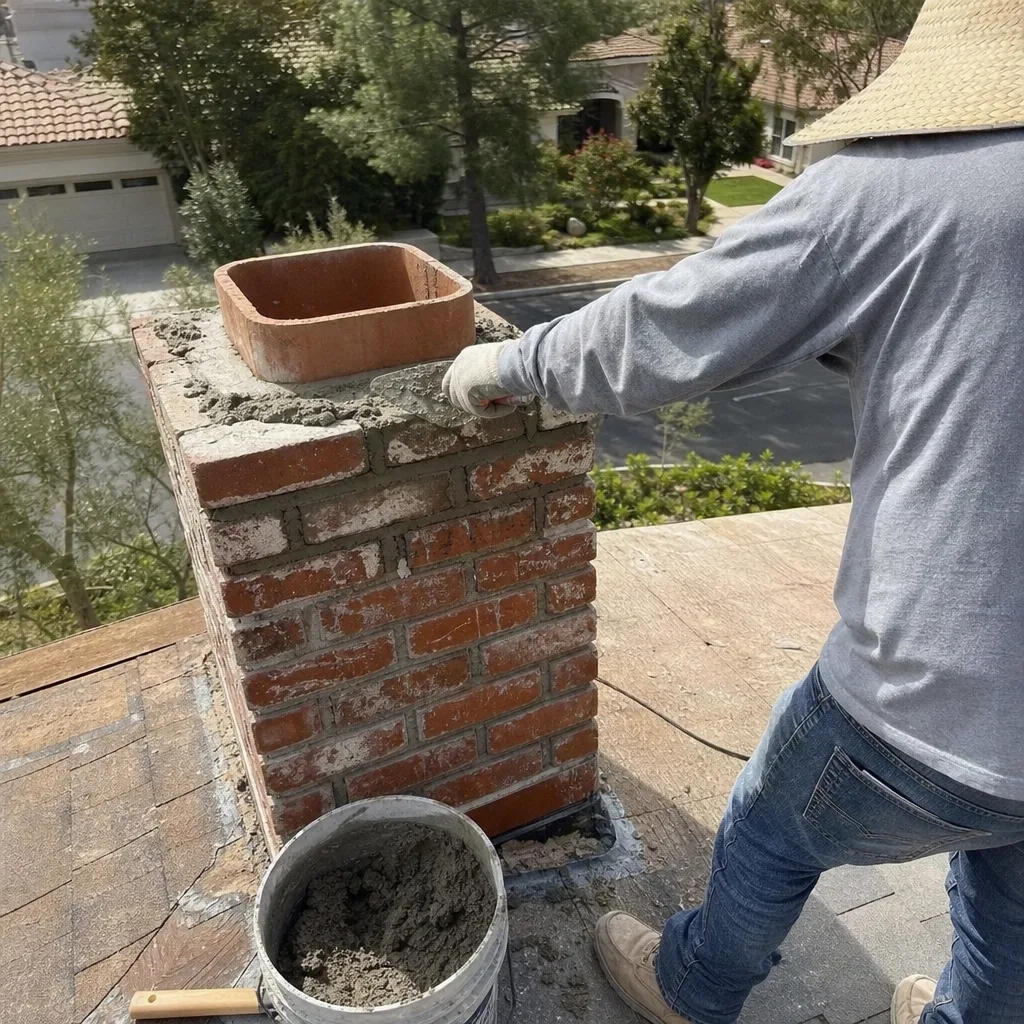
Last updated November 25, 2026
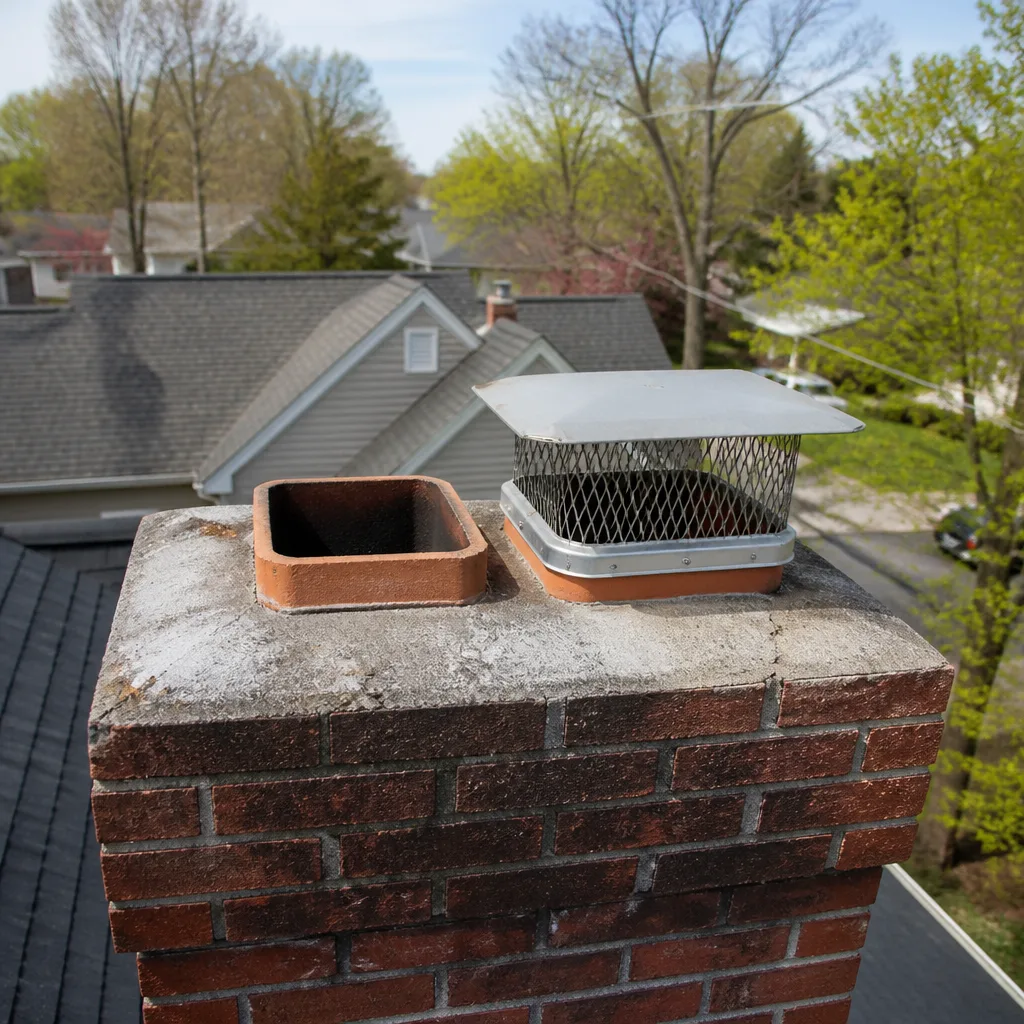 Sweep & inspection
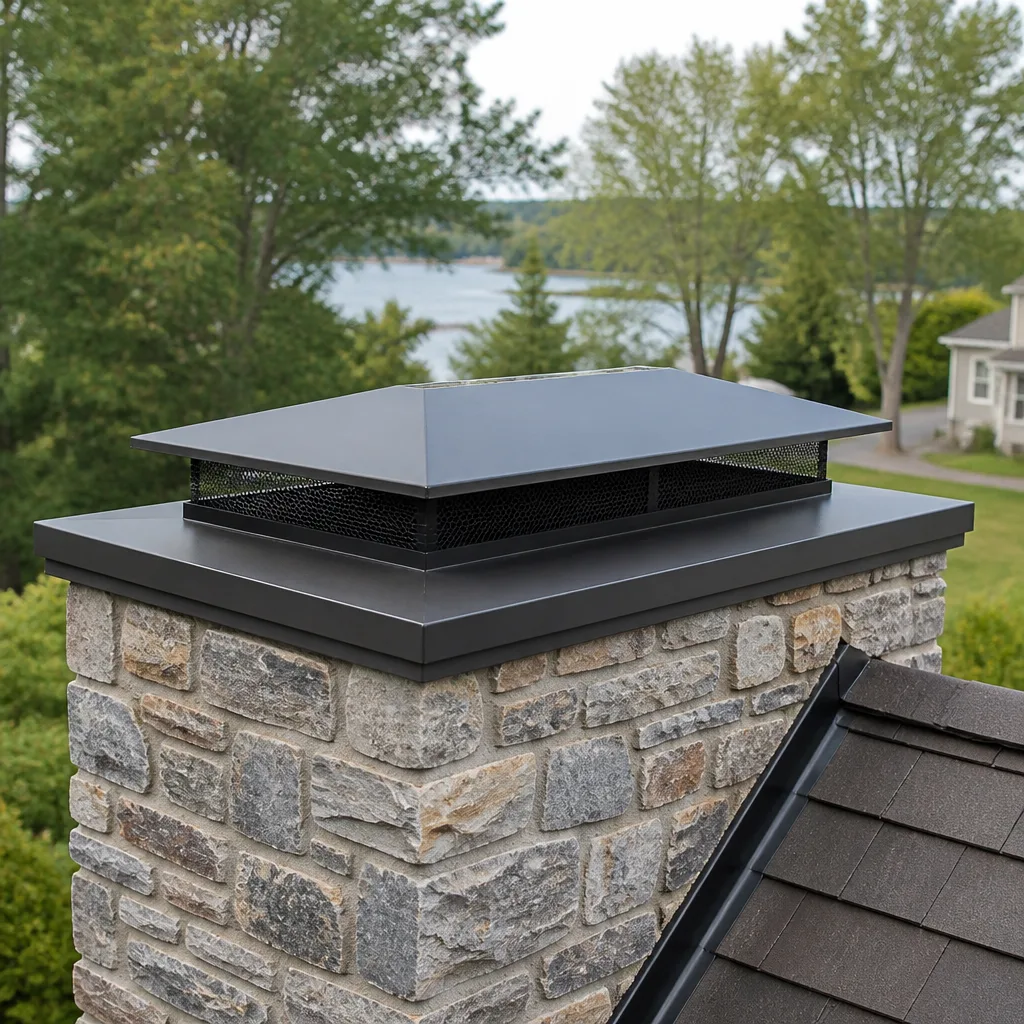 Caps & crowns
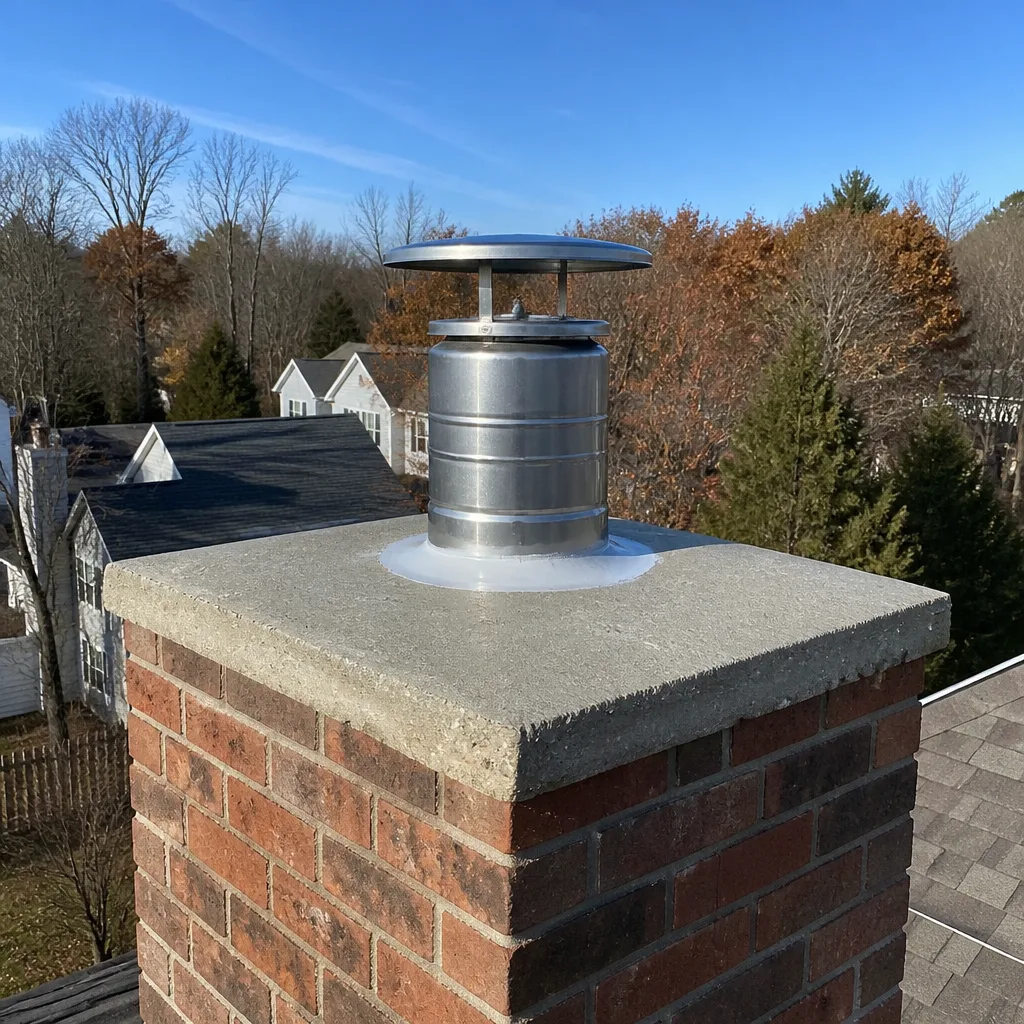 Flue relining
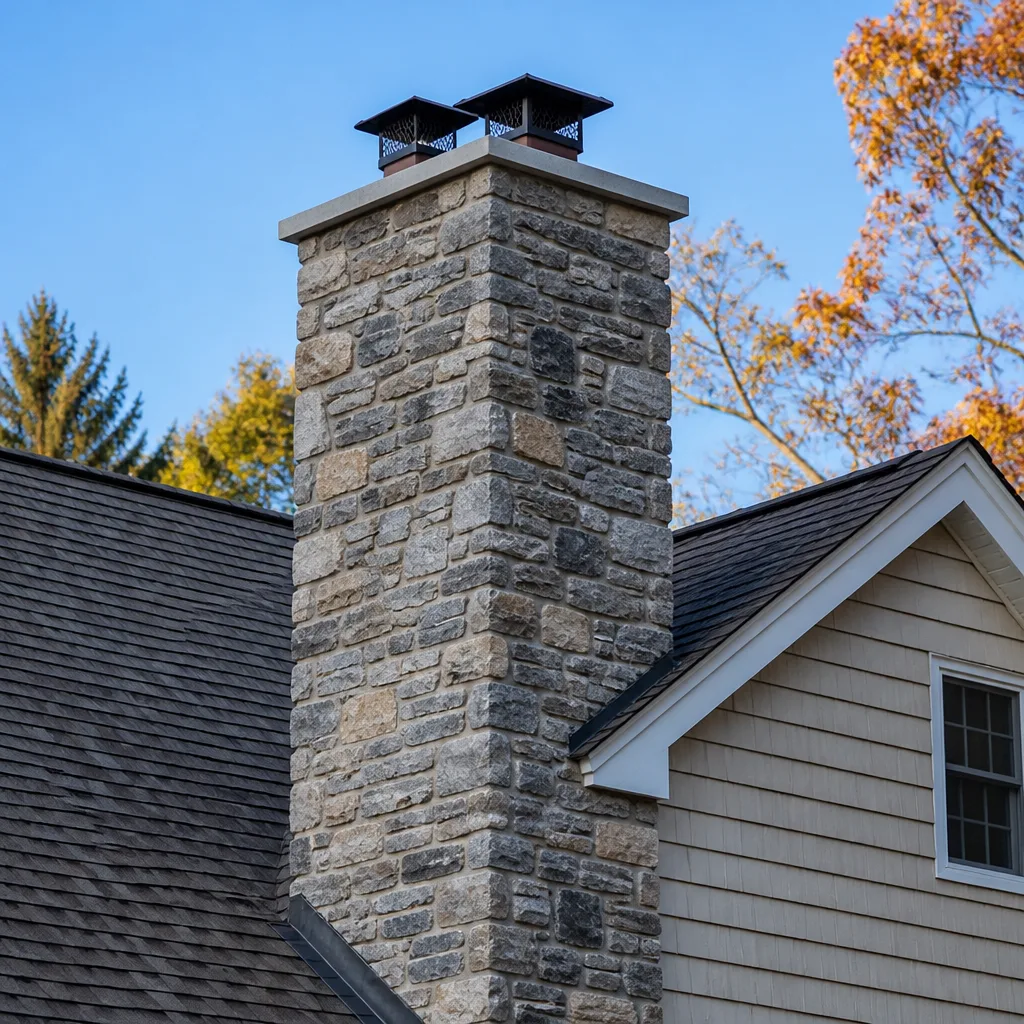 Masonry repair
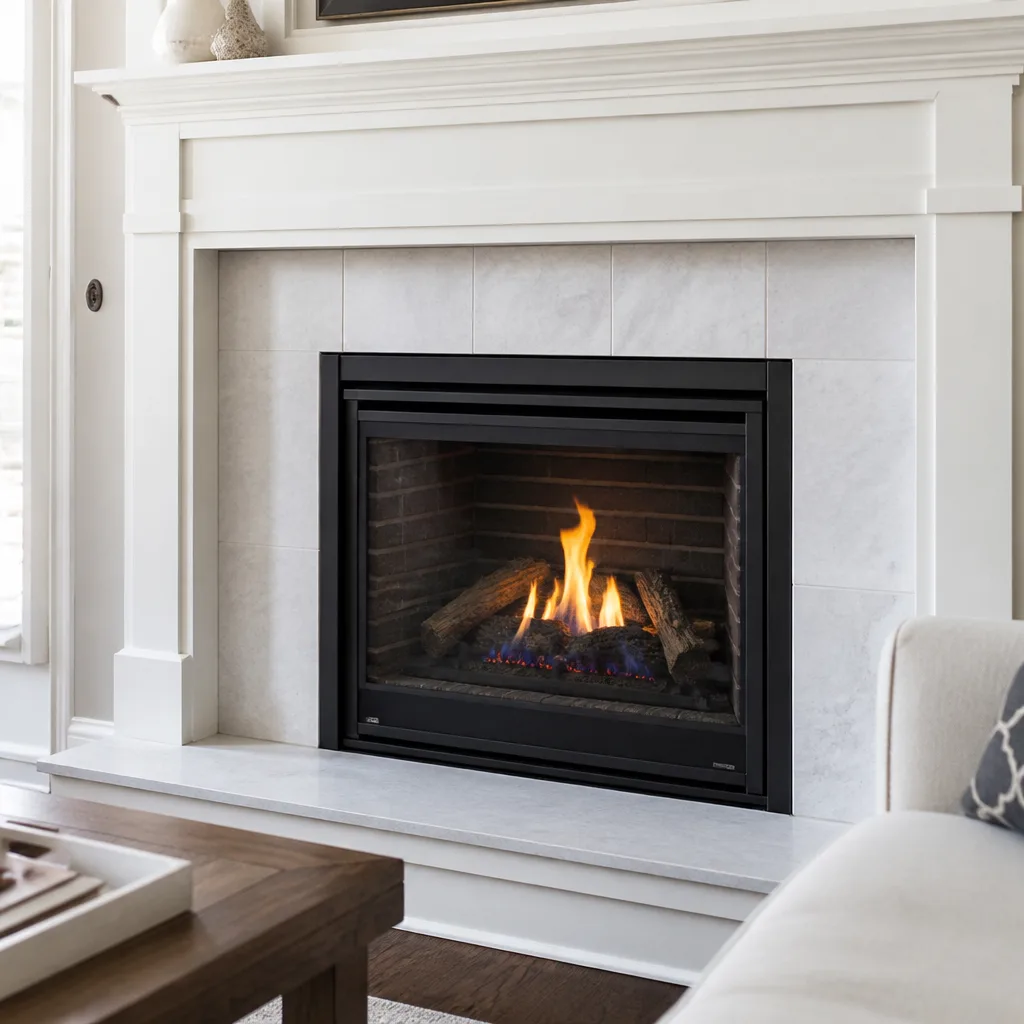 Gas fireplace service
Level 1 sweep and inspection to the NFPA 211 annual standard - flue, crown, cap, and flashing checked and photographed
Chimney sweep logs do not sweep chimneys. They loosen some creosote - which then falls where a brush and vacuum still have to collect it.
How to Hire a Chimney Cleaning Contractor in Aliso Viejo: A Step-by-Step Guide
A CSIA-certified chimney sweep and a handyman with a brush set can charge within fifty dollars of each other for the same appointment. Only one of them is qualified to tell you, with confidence, whether your flue liner is safe to operate after the job. That gap in qualification is the whole reason this guide exists. Most chimney problems in Aliso Viejo don’t announce themselves with smoke in the living room; they sit inside the flue or on the crown where nobody looks. The person you hire decides whether those problems get found. Below, we walk through exactly how to vet a chimney contractor in Aliso Viejo, from the credentials that actually mean something to the phone questions that separate specialists from generalists, and the red flags that should end the conversation early.
Quick Answer
To hire a chimney cleaning contractor in Aliso Viejo, confirm certification and credentials first, ask about scope and materials on the phone, and require a written inspection report before any repair is approved. A qualified chimney specialist should be able to describe their certification, their inspection process, and the professional-grade materials they install, and should hand you documentation of what they found. If the contractor can’t answer the certification question, keep calling.
Styles & brands we work with
- Sweep & inspection
- Caps & crowns
- Flue relining
- Masonry repair
- Gas fireplace service
Table of Contents
- Why Hiring Chimney Help in Aliso Viejo Is Harder Than It Looks
- What CSIA Certification, NFI Credentials, and Licensing Actually Verify
- The Vetting Process: What to Check Online, What to Ask on the Phone
- The Specific Questions That Separate Specialists From Generalists
- Why Manufacturer-Approved Repair Materials Are a Real Differentiator
- Red Flags in Chimney Contractor Proposals
- What to Confirm on the Day of Service
- What Chimney Cleaning Costs in Aliso Viejo
Why Hiring Chimney Help in Aliso Viejo Is Harder Than It Looks
The chimney market in Aliso Viejo is crowded with operators who treat chimney sweeping as one line item on a long list. General handymen, HVAC companies, and even some roofing contractors advertise chimney cleaning because the equipment is cheap and the demand is steady. What they don’t advertise is what they lack: the certification, the tools, and the material knowledge to recognize when a flue liner is compromised, when a crown has cracked, or when the firebox has spalled past the point of safe operation.
We see the results of that gap regularly. A homeowner books a sweep through a general handyman, gets a brush run down the flue, and receives a verbal “all good.” What didn’t happen is an inspection. No camera went into the flue. No one checked the damper, the smoke chamber, the crown, or the cap. The homeowner now believes the chimney is safe, and that belief is unfounded.
Aliso Viejo adds its own complications. The housing stock here runs from newer construction to homes that have been in the same family for years, and many chimneys fall into the “good enough” category until something fails. The climate doesn’t put the same seasonal pressure on chimneys that cold, snowy regions do, which means creosote and structural wear can build for years without a homeowner noticing. Mild winters can actually hide problems, because the fireplace gets less use and gets inspected even less often.
The point is simple: this is a market where the person you hire matters more than the price you negotiate. The next sections show you how to make that distinction before you book.
What CSIA Certification, NFI Credentials, and Licensing Actually Verify
Credentials are the first filter, and they’re the easiest to check. But not all credentials mean the same thing, and some mean almost nothing. Here’s what each one actually verifies.
- CSIA certification is the benchmark for chimney sweeps. The Chimney Safety Institute of America certifies individual sweeps who pass a written exam and maintain continuing education. A CSIA-certified sweep has been tested on chimney construction, venting, and safety. It’s an individual credential, not a company credential, so ask who on the team holds it.
- NFI credentials cover gas and wood appliance installation and service. NFI certification speaks to how well someone understands the appliance that connects to your chimney, not just the flue itself.
- State licensing and insurance protect you if something goes wrong. Most states require chimney sweep contractors to carry general liability and workers’ compensation. The local pro is licensed and insured as their state requires, so ask for proof before anyone gets on your roof.
- Manufacturer authorization is the credential most homeowners don’t think to ask about. Authorization to install a specific brand of liner or resurfacing system means the manufacturer has trained and approved that contractor. It’s invisible on a business card, which is exactly why it matters.
None of this is a single checkbox. A chimney specialist should be able to hold up several of these at once. A generalist will usually hold none, or wave a business license at you and move on.
The Vetting Process: What to Check Online, What to Ask on the Phone
Vetting a chimney contractor in Aliso Viejo works best as a sequence. Don’t jump to scheduling until you’ve cleared each step. Here’s the process we suggest.
- Check certification status online. The CSIA maintains a searchable directory of certified professionals. If the contractor claims certification, look them up. If they aren’t listed, ask why not.
- Review the service list on their website. A chimney specialist lists sweeping, inspection, repair, fireplace work, and cap or crown installation. A generalist lists chimney sweeping alongside twenty other services. Depth is the signal.
- Ask what’s included in the appointment on the phone. A qualified sweep should describe a full inspection, not just a cleaning. If the answer is “we sweep the flue,” press for what else gets checked.
- Ask about the inspection report. A written report with photos is standard practice for a specialist. Verbal-only findings are not.
- Ask what happens if the inspection finds a problem. A specialist explains the repair options and the materials they’d use. A generalist refers you out, or worse, guesses.
- Confirm insurance and ask for proof before booking. A legitimate contractor will send it over without hesitation.
This sequence takes about fifteen minutes of checking and one phone call. It’s the single most useful thing you can do before committing, and it costs nothing. A Chimney Sweep Aliso Viejo appointment that starts with this level of vetting is the standard worth holding every contractor to.
The Specific Questions That Separate Specialists From Generalists
The phone call is where the difference shows. Ask these exact questions and listen carefully to how they’re answered. A specialist answers in specifics. A generalist answers in generalities.
- “Are you CSIA-certified, and who on your team holds that certification?” A specialist names the credential and the person. A generalist changes the subject.
- “What’s included in your inspection, and how long does it take?” A specialist describes checking the flue, damper, smoke chamber, cap, crown, and firebox with a camera. A generalist says “we check everything.”
- “Do I get a written report, and does it include photos?” A specialist says yes. A generalist says they’ll tell you what they find.
- “What materials do you use for liner repair, and are you authorized to install them?” A specialist names DuraFlex, HeatShield, or Olympia Chimney and explains when each is appropriate. A generalist says “we use what’s available.”
- “Can you show me the inspection findings before I approve any repair?” A specialist says yes without hesitation. A generalist pushes for approval on the spot.
- “What’s your process if the flue liner is cracked?” A specialist explains that HeatShield resurfacing can address some deterioration in place, while other conditions call for a new liner. A generalist says “we’ll figure it out.”
Any contractor who can’t answer at least four of these cleanly is not the right hire. That’s not a judgment on their character. It’s a judgment on their training and their tools.
Why Manufacturer-Approved Repair Materials Are a Real Differentiator
Anyone can buy a brush and a vacuum. Almost anyone can sweep a flue. Very few contractors can repair one correctly, because repair requires materials and authorization that most operators don’t carry. This is the single clearest way to separate a chimney specialist from a generalist before the appointment.
When a flue liner develops cracks, spalling, or gaps, there are a few legitimate repair paths. HeatShield resurfacing is a professional-grade system for restoring flue interiors in place, without a full liner teardown. DuraFlex liners are a flexible stainless system installed when the existing flue needs a full re-line. Olympia Chimney components cover a range of venting and termination parts. Each serves a different condition, and choosing between them requires someone who has worked with all three.
Ask the contractor this question directly: “Are you authorized to install HeatShield or DuraFlex, and when would you recommend one over the other?” A specialist answers immediately and can explain the difference between resurfacing a deteriorated flue and re-lining one. A generalist either doesn’t recognize the names or claims to use “whatever’s best” without explaining what that means.
Materials matter because the wrong repair becomes a worse problem. An off-the-shelf patch on a cracked flue may hold for a season and fail the next. A properly installed professional-grade system addresses the underlying condition. When you’re comparing estimates, the materials section is often where the price difference lives.
Red Flags in Chimney Contractor Proposals
Some warnings are obvious. Others only become visible if you know what to look for. Here are the ones we see most often, and what they usually mean.
Vague scope language. If the proposal says “clean and inspect chimney” without listing what the inspection covers or what equipment is used, the scope is a guess. A real proposal names the components checked and the method used.
No written inspection report. This is the biggest single red flag. A specialist always documents findings. A contractor who won’t put it in writing is either not inspecting thoroughly or doesn’t want a record of what was found.
Pressure to approve same-day repairs. A genuine safety issue can sometimes warrant prompt action, but the decision should be yours, with the evidence in front of you. If the contractor won’t let you sleep on it, the proposal is the problem, not the chimney.
No proof of insurance. Ask and expect a quick response. A contractor who deflects or stalls is a liability risk you don’t want on your roof.
No certification mentioned anywhere. Not a name, not a logo, not a question about who’s certified. If they don’t bring it up, ask. If they can’t answer, that’s your answer.
Quotes that vary wildly from the market. A quote far below the others may reflect skipped steps. A quote far above may be padding. Ask what’s included in each before deciding.
Red flags aren’t proof of fraud. They’re signs that the person you’re talking to may not be the person for this job. Trust the signs and keep looking.
What to Confirm on the Day of Service
The vetting doesn’t stop once the appointment is booked. On the day of service, confirm a few things before work starts. These checks take minutes and protect you if something goes wrong.
- Confirm the technician’s identity and certification. The person arriving should match who you spoke to. Ask for their name and certification.
- Confirm the inspection process before the sweep begins. A qualified sweep should inspect first, then sweep, then inspect again to confirm the cleaning was complete. Inspect before you sweep, repair before you light.
- Ask to see the camera inspection footage. A camera inspection is standard for a specialist. If it isn’t offered, ask for it. The findings should be visible to you, not summarized only in a voice.
- Review the written report before work concludes. Confirm it lists what was checked, what was found, and what’s recommended.
- Confirm the written estimate before any repair begins. The estimate sets the final price. No work should start until you’ve signed off on the scope.
In Aliso Viejo, homes with older fireplaces benefit most from this level of care, because years of use can hide liner cracks that only a camera will catch. A chimney sweep that includes a documented inspection is what you’re paying for, and it’s worth confirming on the day.
What Chimney Cleaning Costs in Aliso Viejo
Pricing for chimney cleaning in Aliso Viejo depends on the chimney’s condition, the number of flues, and whether any repair is needed. A standard sweep and inspection is the baseline. Repairs, resurfacing, and cap or crown work are priced separately by written estimate after the inspection.
- Sweep and inspection (standard): typically in the range offered for a single-flue residential appointment. Final price is set by the written estimate.
- Multi-flue or complex chimney: higher than a single-flue sweep, priced per the estimate.
- HeatShield flue resurfacing: priced per job after the inspection determines the extent of deterioration.
- Liner replacement (DuraFlex or similar): priced per job based on flue length and condition.
- Cap and crown installation: priced per job based on chimney top dimensions and the material selected.
We can’t quote a specific number without seeing the chimney, and we don’t pretend a flat price covers every home. What we do commit to is a flat-price sweep agreed before booking, so the number you’re quoted is the number you pay for the appointment itself. Repairs are quoted separately, with the evidence in front of you. Nothing gets recommended without camera footage you can see for yourself. Call (833) 482-6109 for an exact quote, estimates are free.
Common Mistakes to Avoid
- Booking on price alone. A fifty-dollar difference matters less than whether the person inspecting your flue can recognize a cracked liner. Ask about credentials before you compare quotes.
- Treating sweeping and inspection as the same thing. A sweep removes creosote. An inspection looks for structural problems. A proper appointment includes both.
- Accepting a verbal inspection report. Without a written report and photos, you have no record of what was found and no way to compare findings over time. Require documentation.
- Approving repairs on the spot without seeing the footage. A specialist will show you the camera findings before recommending a repair. If they won’t, don’t approve anything.
- Hiring a general handyman who “also does chimneys.” Chimney work is a specialty. The tools and the material knowledge live on the specialist side of the market, not with a general contractor adding a service line.
- Skipping the cap and crown conversation. Cap and crown work is the most structurally protective service in chimney care, and it’s often overlooked in Aliso Viejo homes because the climate doesn’t force the issue. Ask about it during the inspection.
- Waiting until the fireplace is in use to notice a problem. Schedule before the burning season, not during it. The mild Aliso Viejo climate makes it easy to forget the annual check.
See the difference
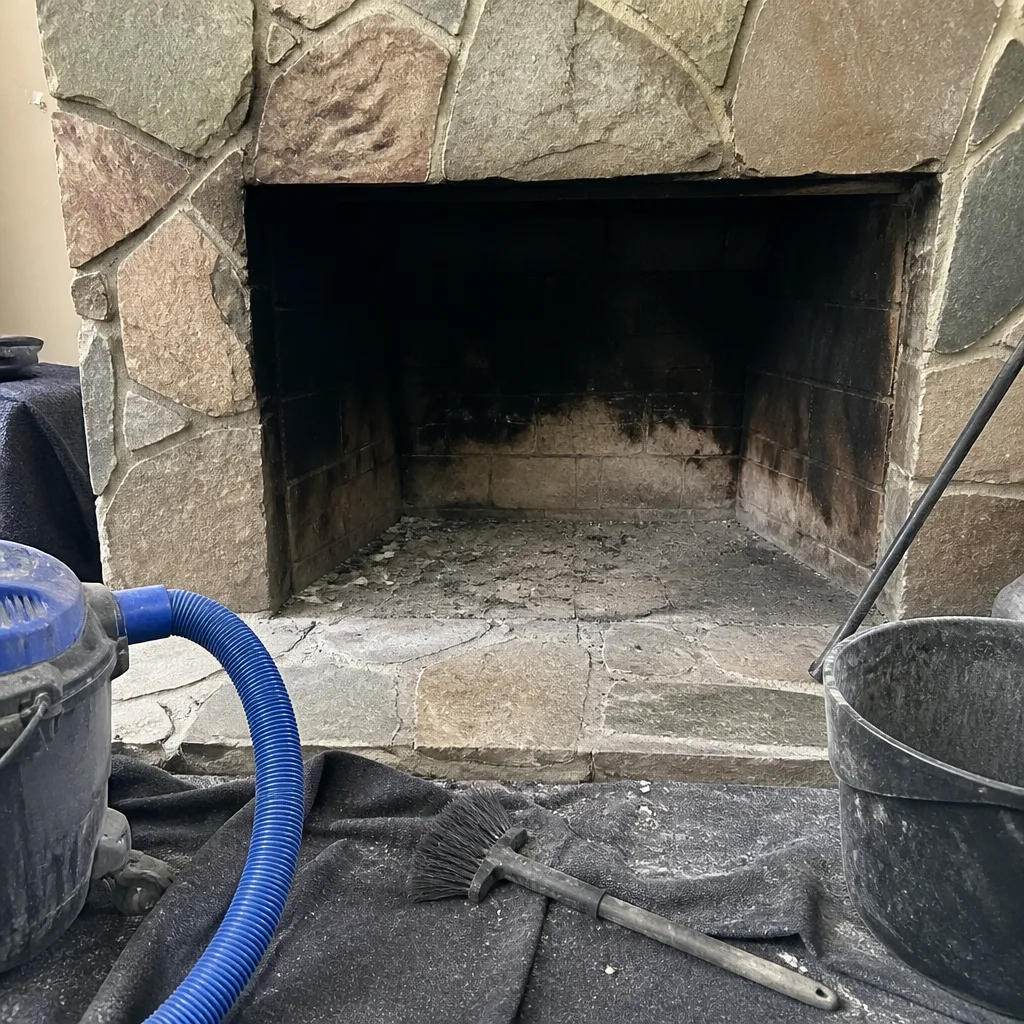 Before
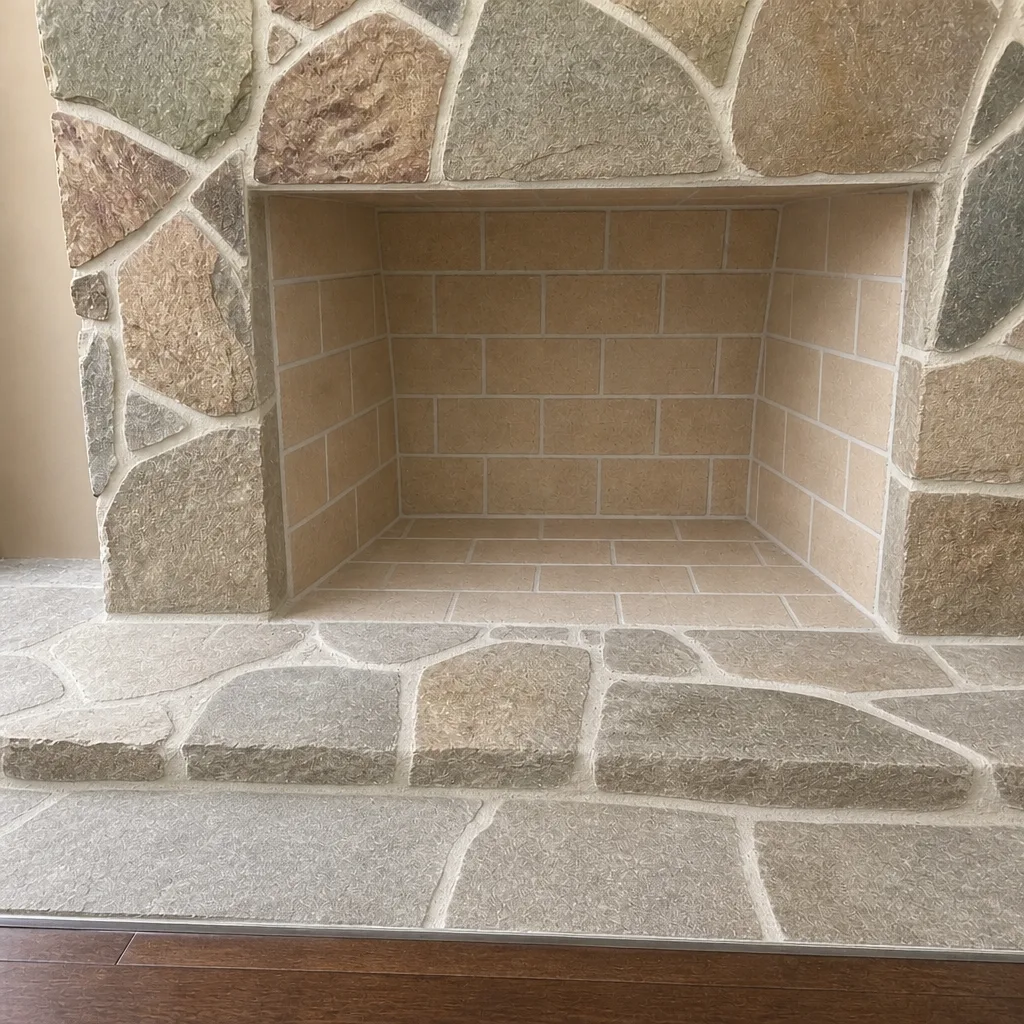 After
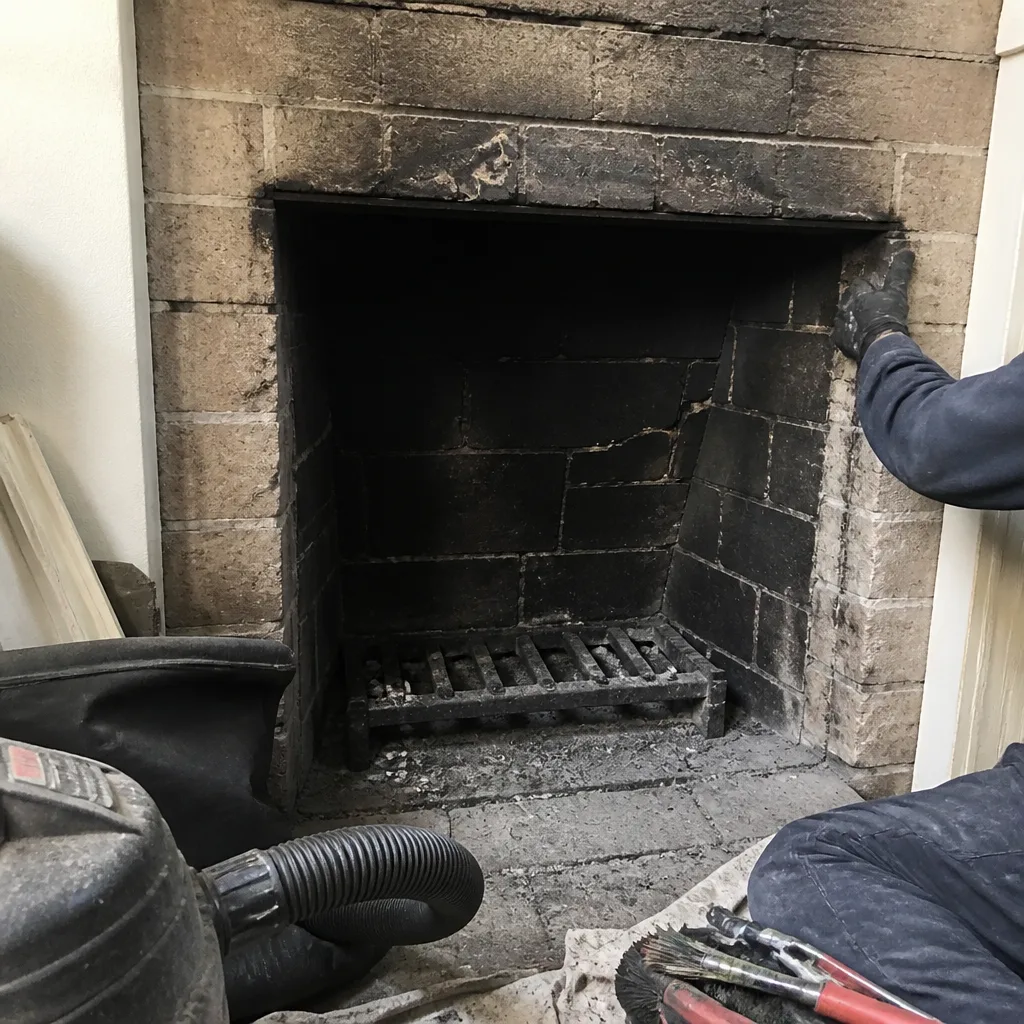 Before
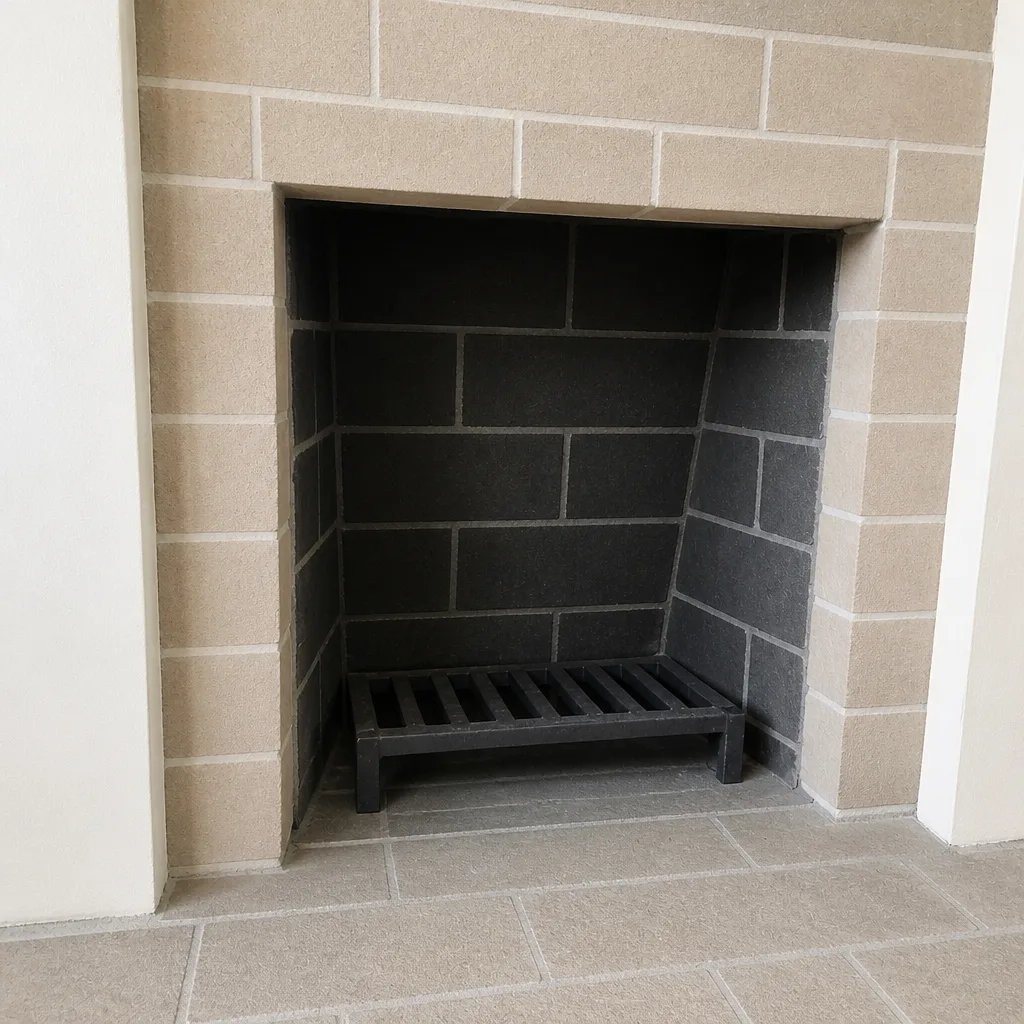 After
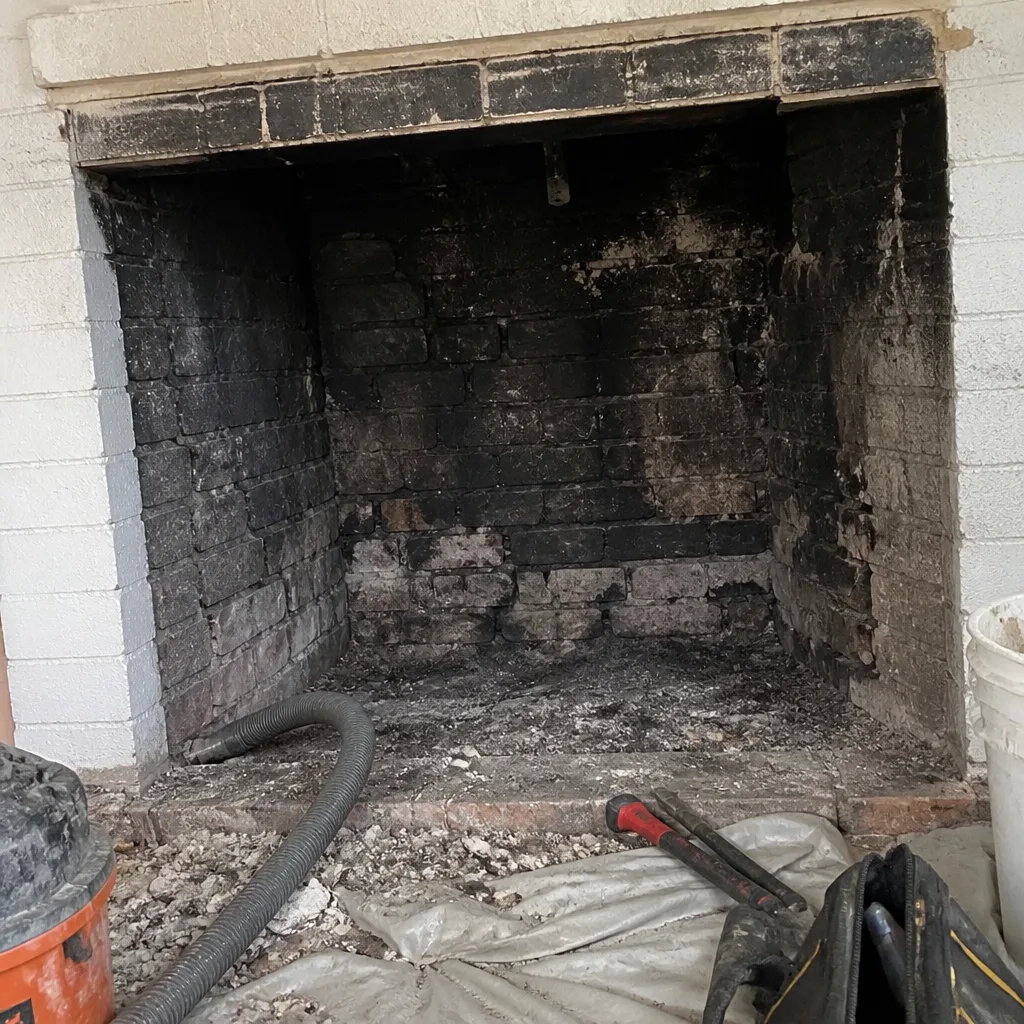 Before
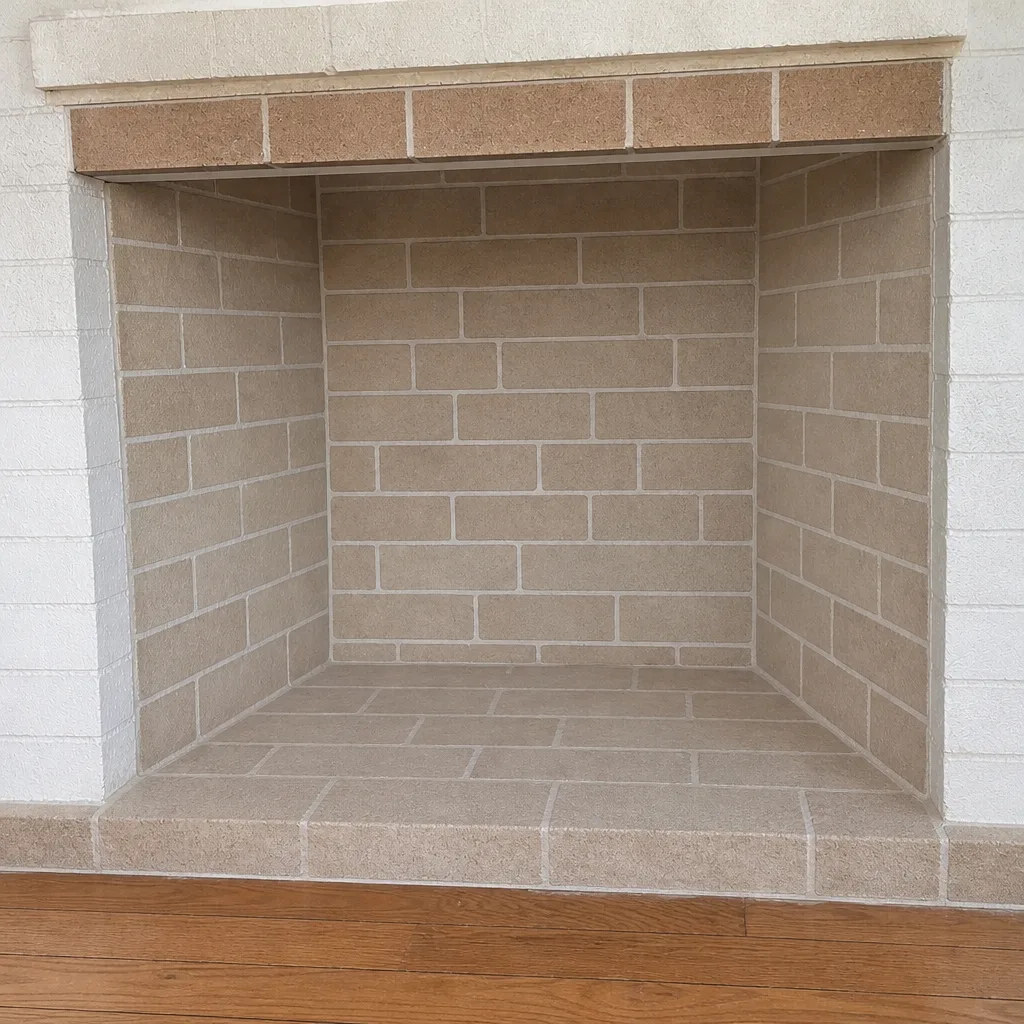 After
When to Call a Professional
Some chimney issues are obvious. Smoke backing into the room, a strong odor when the fire is lit, visible cracks in the firebox brick, or a damper that won’t close are all calls for a professional. Others are invisible until an inspection finds them, which is why an annual or seasonal sweep matters even when the fireplace seems fine. If you haven’t had the chimney inspected since you moved into your Aliso Viejo home, that’s a call. If you’re preparing for a home sale or an insurance review, that’s a call too, because the report is what gets you through the process. A gas or wood appliance connected to a compromised flue is a carbon monoxide and fire risk you can’t see, and a camera inspection is the only way to catch it before it becomes a problem. Chimney Sweep Aliso Viejo offers free estimates in Aliso Viejo. Call (833) 482-6109. We answer 24/7. Fast dispatch from 7am to 7pm, Sunday through Friday.
Frequently Asked Questions
A standard chimney sweep and inspection in Aliso Viejo is typically priced in the range offered for a single-flue residential appointment, with the written estimate setting the final price. Homes with multiple flues or complex chimney tops are quoted higher after the inspection. Call (833) 482-6109 for an exact quote, estimates are free.
Not always. A cracked or deteriorating flue liner can sometimes be restored with HeatShield resurfacing rather than replaced. The only way to know which repair fits is a camera inspection, and the findings should be shown to you before any decision is made. If the liner is intact, the honest answer is that it doesn’t need either. Call (833) 482-6109 to get the inspection first, estimates are free.
The general rule is once a year for a wood-burning fireplace, and more often if the fireplace is used heavily. Gas appliances have different venting requirements and should be inspected on the manufacturer’s recommended schedule. Aliso Viejo’s mild winters mean fireplaces get less use, but that’s not a reason to skip the annual inspection. Call (833) 482-6109 to schedule, estimates are free.
Creosote builds up in the flue and becomes flammable, and structural problems like cracked liners or crown damage go undetected. The risk is a chimney fire or carbon monoxide exposure from a compromised flue, neither of which announces itself before it happens. Skipping the sweep doesn’t make the chimney safer; it just removes the chance to catch a problem early. Call (833) 482-6109 for an inspection, estimates are free.
Check for CSIA certification, confirm insurance, and ask about the inspection process and materials used for repair. A specialist can explain all three without hesitation. A generalist usually can’t. Our technicians have up to 13 years of experience, and we can walk you through our certification and inspection process before you book.
Yes, and that’s how it should work. An inspection is a separate, earlier step than a repair decision. Nothing gets recommended until the camera findings are in front of you, and you can decide on the evidence. Some issues can safely wait, and a qualified contractor will tell you so. Call (833) 482-6109 to book the inspection, estimates are free.
The Bottom Line
Hiring a chimney contractor in Aliso Viejo comes down to three questions: Are they certified, is the inspection documented, and do they have the materials to repair what the inspection finds? A specialist answers all three with specifics. A generalist answers with generalities. The vetting process takes one website check and one phone call, and it’s the difference between a sweep that leaves you informed and one that leaves you guessing. Your entire chimney system matters here, not just the flue, and a single provider who covers sweep, inspection, repair, and cap work is the simpler and safer choice.
If you’re ready to book with a team that covers all of it, call Chimney Sweep Aliso Viejo at (833) 482-6109 for a free estimate. We answer 24/7. Fast dispatch from 7am to 7pm, Sunday through Friday. We work with professional-grade brands including DuraFlex, HeatShield, Gelco, Olympia Chimney, Famco, and Copperfield, and we can walk you through the inspection findings, the chimney repair options, or the flood of small fireplace repair questions that come up once someone actually looks inside a chimney system.
Written by the team at Chimney Sweep Aliso Viejo.