
Last updated November 25, 2026
 Sweep & inspection
 Caps & crowns
 Flue relining
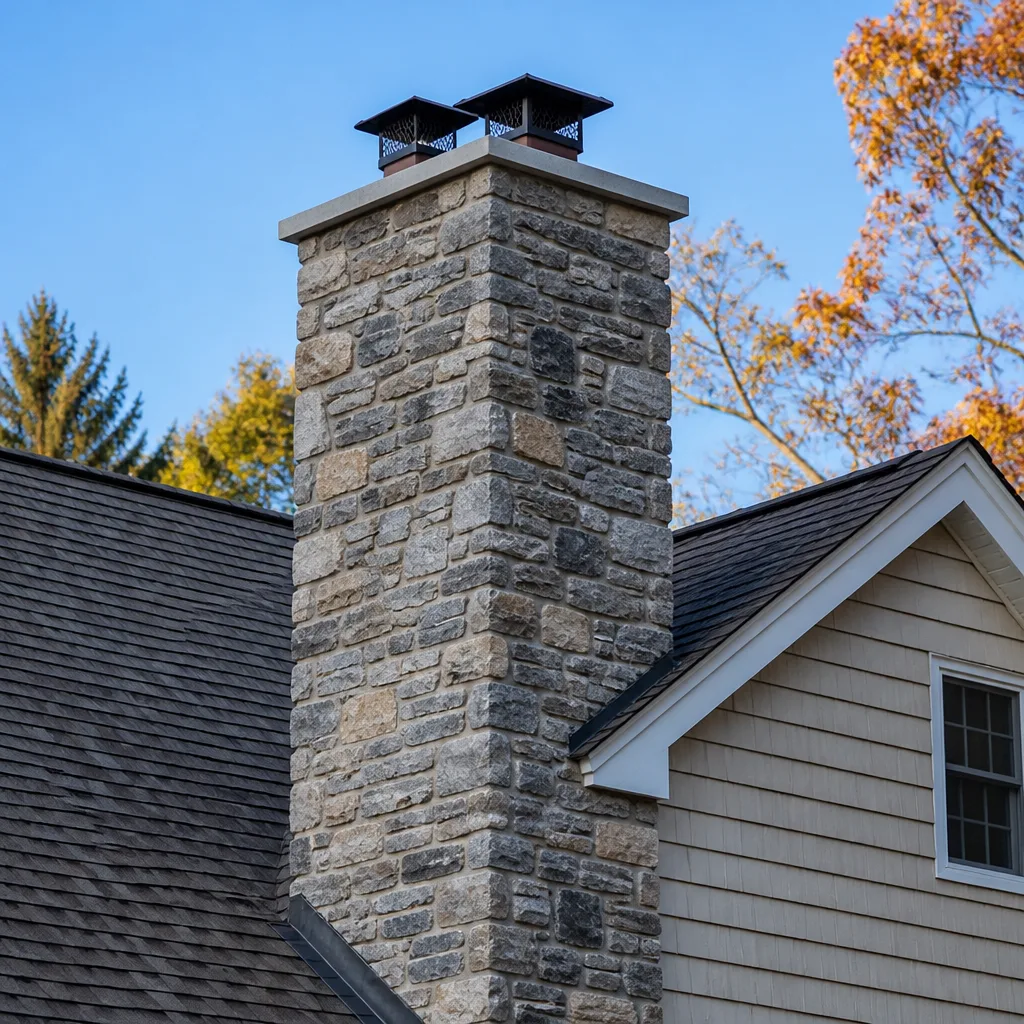 Masonry repair
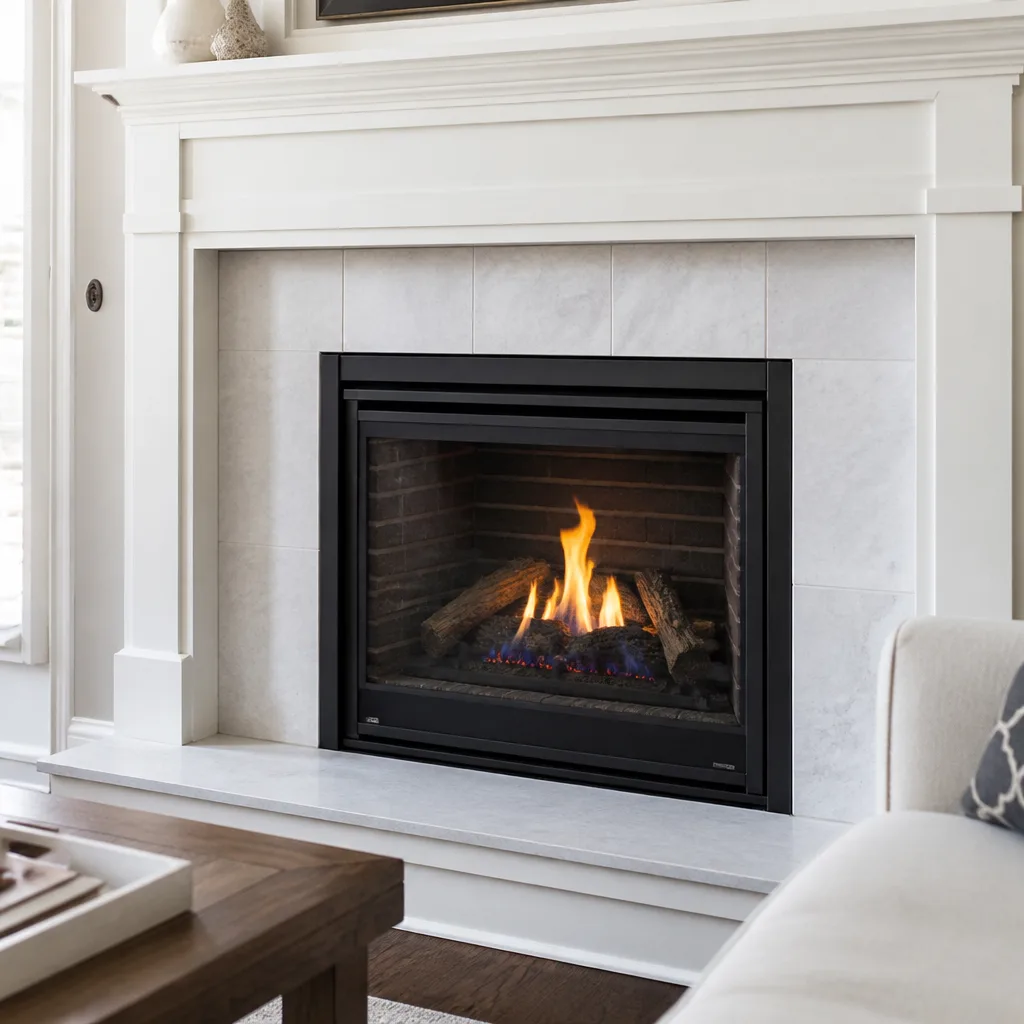 Gas fireplace service
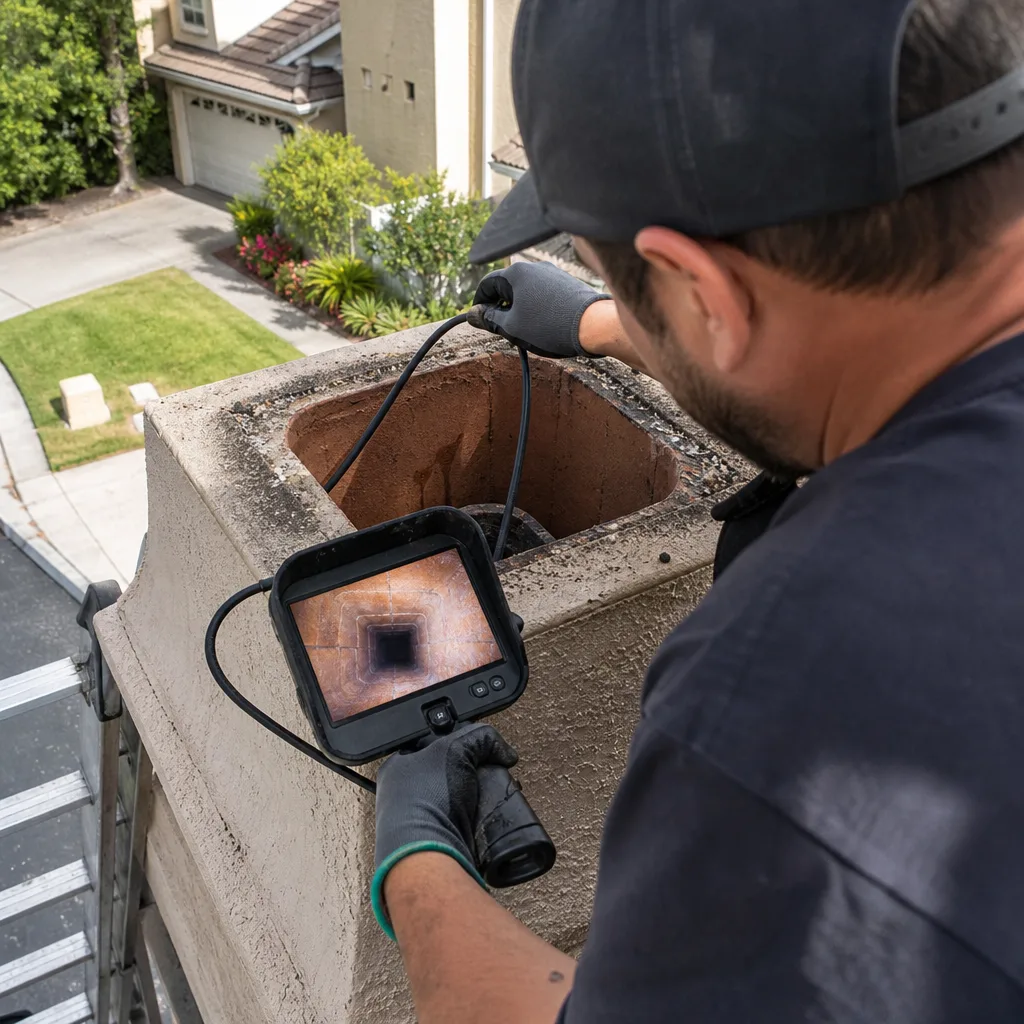
Level 1 sweep and inspection to the NFPA 211 annual standard - flue, crown, cap, and flashing checked and photographed
Chimney sweep logs do not sweep chimneys. They loosen some creosote - which then falls where a brush and vacuum still have to collect it.
Chimney Sweep Maintenance Checklist for Aliso Viejo Homeowners
Most homeowners assume the chimney that needs watching is the one with a thick creosote load. In Aliso Viejo, that’s rarely the story. The fireplaces in this city tend to sit idle for stretches at a time, get lit a few evenings a year when the air turns cool, then go back to waiting. That low-frequency pattern puts time and weather in charge of your chimney instead of heat. The mortar joints that hold your flue together and the crown that caps it are what quietly wear down between those handful of fires. This checklist walks through what you can inspect yourself, what needs a trained eye, how often each item matters, and which parts of a standard national checklist simply don’t apply to a Southern California fireplace.
Quick Answer
A working maintenance checklist for an Aliso Viejo chimney covers four things: an annual inspection, a sweep only when the creosote or debris load calls for it, a visual check of the crown and chase cover each season, and a written log of every service so component warranties and inspection intervals stay honest. Focus first on water protection at the top of the chimney, not just soot inside it.
Styles & brands we work with
- Sweep & inspection
- Caps & crowns
- Flue relining
- Masonry repair
- Gas fireplace service
Table of Contents
- What makes Aliso Viejo chimney maintenance different
- The homeowner-observable checklist
- The technician-required inspection checklist
- Why crown and chase cover integrity come first here
- Reading a stucco-exterior chimney
- Checklist items that matter less in Southern California
- Building a service log that protects your system
- How often each item actually needs attention
What Makes Aliso Viejo Chimney Maintenance Different
Colder parts of the country revolve their chimney care around creosote. Fires burn daily through a long heating season, the flue accumulates fast, and the sweep schedule is set by volume. Aliso Viejo runs closer to the opposite. Many fireplaces here see a few dozen burns a year, some less. That changes the failure pattern. When a flue sits dormant, the threats come from outside: sun baking the crown, moisture working into mortar joints, wind driving debris and nesting material into the flue, and temperature swings at the top of the chimney where the cap and chase cover take the most exposure.
You also see the low-frequency profile in the housing itself. Aliso Viejo’s residential construction leans on stucco-clad exteriors and framed chases, and those chase walls shield the flue from view. If moisture gets behind the stucco or under a failing chase cover, you won’t see the early warning the way you would on an exposed brick chimney back east. By the time a stain shows on the ceiling inside, the damage has usually had time to spread.
What this means for your checklist is simple. Rank the annual inspection, the crown and cap check, and the striker-of-water first. Rank a full mechanical sweep second, scheduled by what the inspection finds, not by the calendar alone. That single reordering is the difference between a maintenance plan built for an Aliso Viejo home and one copied from a website written for Minnesota.
The Homeowner-Observable Checklist
Some of your chimney’s health is visible without climbing anything. Set aside fifteen minutes twice a year, once before you start using the fireplace and once after the season ends. Here’s what to look at, in order.
- Look at the fireplace opening. Shine a flashlight up past the damper. You should see dark flue walls with no heavy, glassy or fuzzy buildup. A light dusting of soot is normal; thick, sticky or flaking material is not.
- Open and close the damper. It should move cleanly and seat fully. A damper that sticks open, or won’t open, changes how smoke moves through your home.
- Check for smoke spillage signs. Look for soot stains on the fireplace face, above the opening, or on the surrounding wall. Those marks point to draft problems worth having looked at.
- Scan the firebox for cracking. Fine hairline cracks in the firebrick joints can be cosmetic. Gaps, missing mortar chunks, or cracked panels are not.
- Inspect what you can see of the exterior from the ground. Binoculars help. Look for a missing or dented cap, a cracked crown, loose flashing where the chimney meets the roof, and stains on the stucco.
- List what you hear and smell. A whistle in high wind, a smell of smoke when the fireplace is off, or a musty odor near the hearth are all worth noting for the inspection.
Write down what you find and keep the notes. That list becomes the raw material for your service log and tells a technician exactly where to look. None of these steps require you to climb a roof or open any part of the system, and none of them require you to put your hands on the dangerous parts of a chimney.
The Technician-Required Inspection Checklist
Some parts of your chimney system need a trained eye, a camera, or roof access. This is also where a chimney inspection does its real work: it isn’t just confirming the flue is clean. It’s checking the whole assembly from firebox to cap for structural condition.
A proper inspection includes the following, and you should expect each of them to be documented in a photo report or write-up:
- Flue interior condition. Camera inspection of the full flue length, checking for gaps at joints, spalling, and liner deterioration.
- Creosote level. Grade 1, 2 or 3, with a note on whether a sweep is needed now or later.
- Liner integrity. Clay tile flues and factory-built liners both need checking for cracked tiles, separated joints or material breakdown. Where deterioration is found, liner work may be appropriate. Brands like DuraFlex and HeatShield exist specifically for stopping the cracking before it spreads, so ask what material the technician recommends and why.
- Crown condition. Cracks, spalling across the top, or separation between crown and flue.
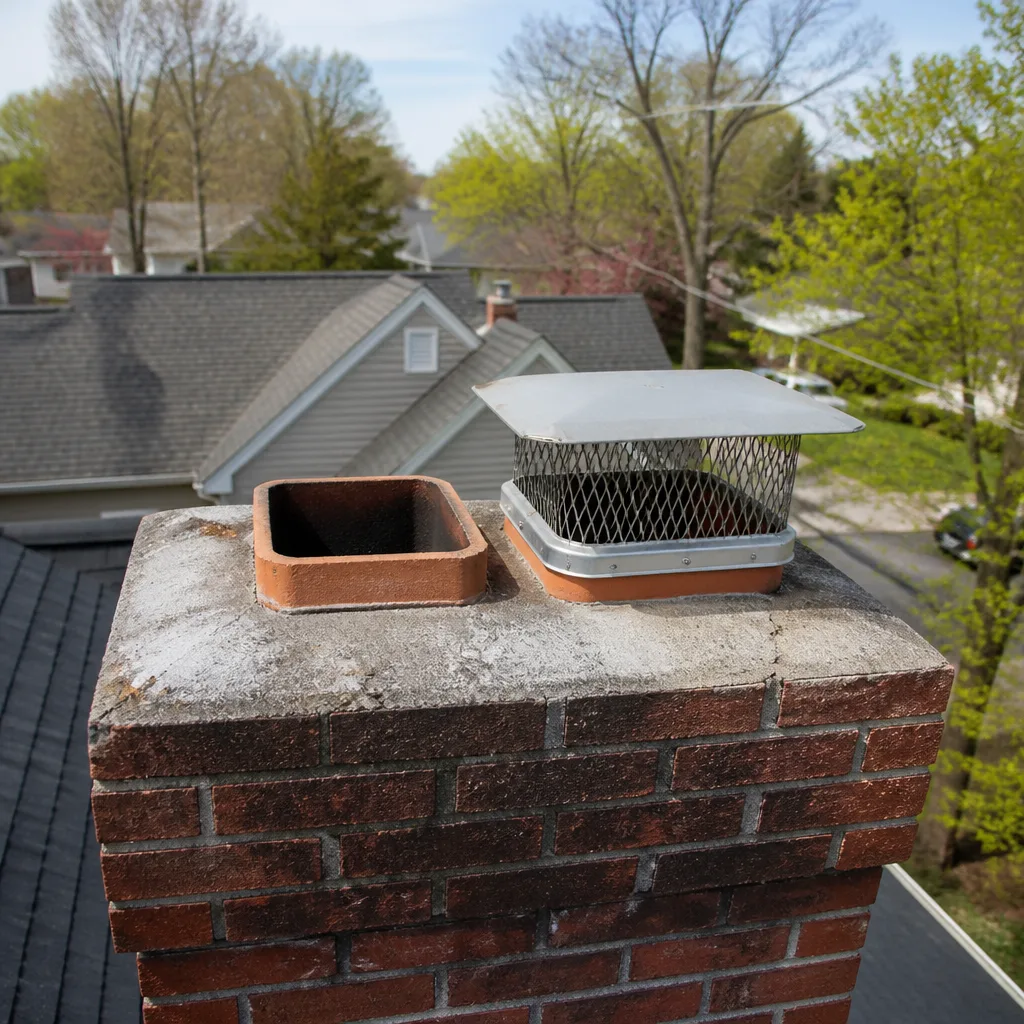
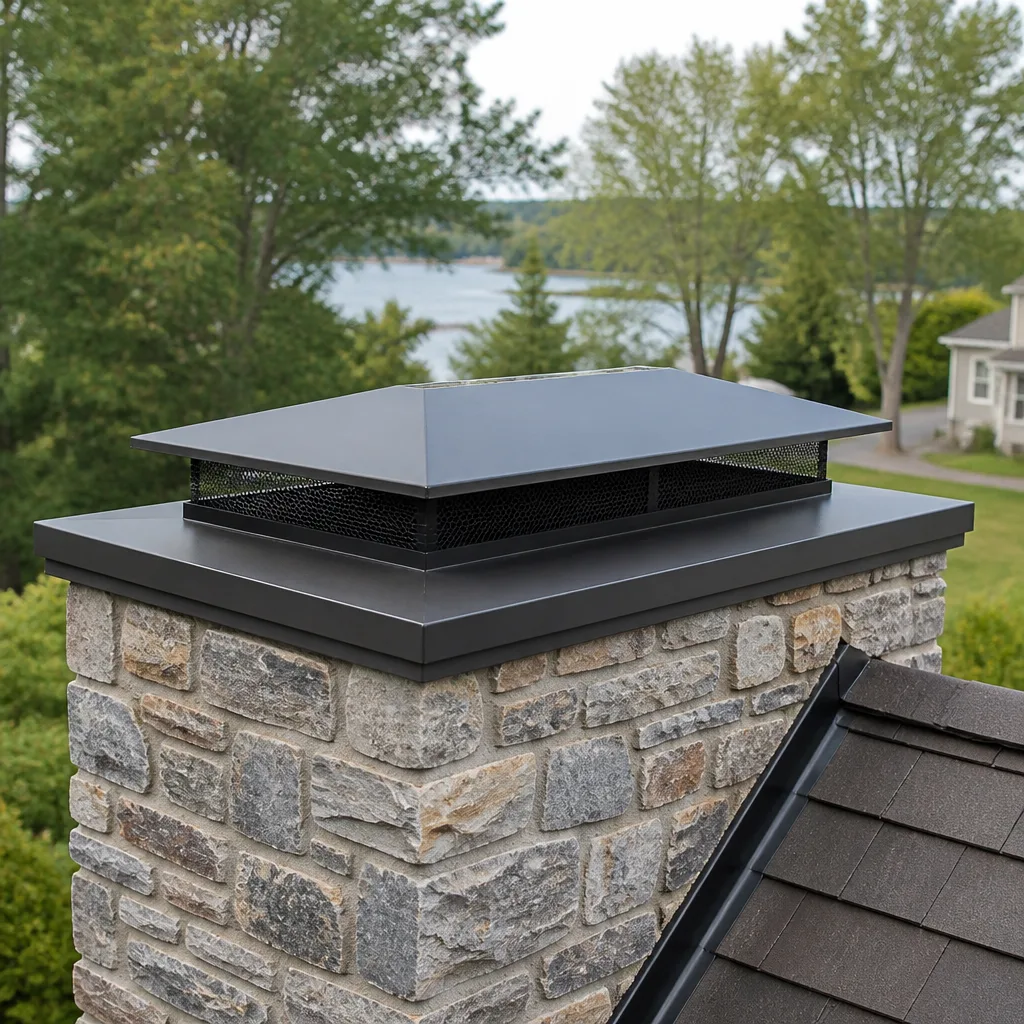
- Cap and chase cover. Whether the cap and chase cover are intact, properly sized, and still shedding water. This is the item that fails quietly.
- Flashing. The seal where chimney meets roof, checked for gaps, lifting metal, or dried sealant.
- Firebox and damper assembly. Refractory panel condition, damper operation, and whether the smoke shelf is clear.
- Draft and venting geometry. Whether the flue matches the appliance, and whether the termination point is above the surrounding roofline for good draft.
Where self-checking stops and a technician’s inspection begins: anything at the roofline, anything inside the flue past the first few feet, and anything involving the firebox internals. A homeowner shouldn’t be tapping mortar, poking at a liner, or climbing on a roof to inspect a chimney. The inspection and the report are the professional half of this checklist, and they should come before any sweeping decision is made.
Why Crown and Chase Cover Integrity Come First Here
If there is one thing in this guide to take away, it’s this: in Aliso Viejo, a well-capped chimney with a sound crown usually stays out of trouble. A chimney with a cracked crown and a failing chase cover can have a clean flue and still be heading toward expensive repair.
The crown is the concrete or mortar surface at the top of the chimney, the sloped cap that directs water away from the flue opening. Small hairline cracks in a crown are common. A crown with a crack that lets water travel down behind the stucco isn’t. Across a Southern California season of sun-swing and the occasional rain, that crack widens, lets moisture into the masonry, and over time the joints between the flue tiles start to break down. The same goes for the chase cover on a framed exterior chimney, though there the cover itself becomes the top-of-chimney “crown.” If the chase cover lifts, dents or starts leaking around its edges, moisture finds its way into the whole chase.
Here’s the visual check to run twice a year, in two steps:
- Crown from the ground or with binoculars. Look for a visible crack across the top, crumbling material, or a gap where the flue sticks up through the crown. Cracks wide enough to slip a coin are worth a technician’s look.
- Chase cover on a framed chimney. Look for lifting edges, dents, rust streaks, or gaps around the flue collar. Any water line on the stucco beneath the cover is a sign of a chase cover on its way out.
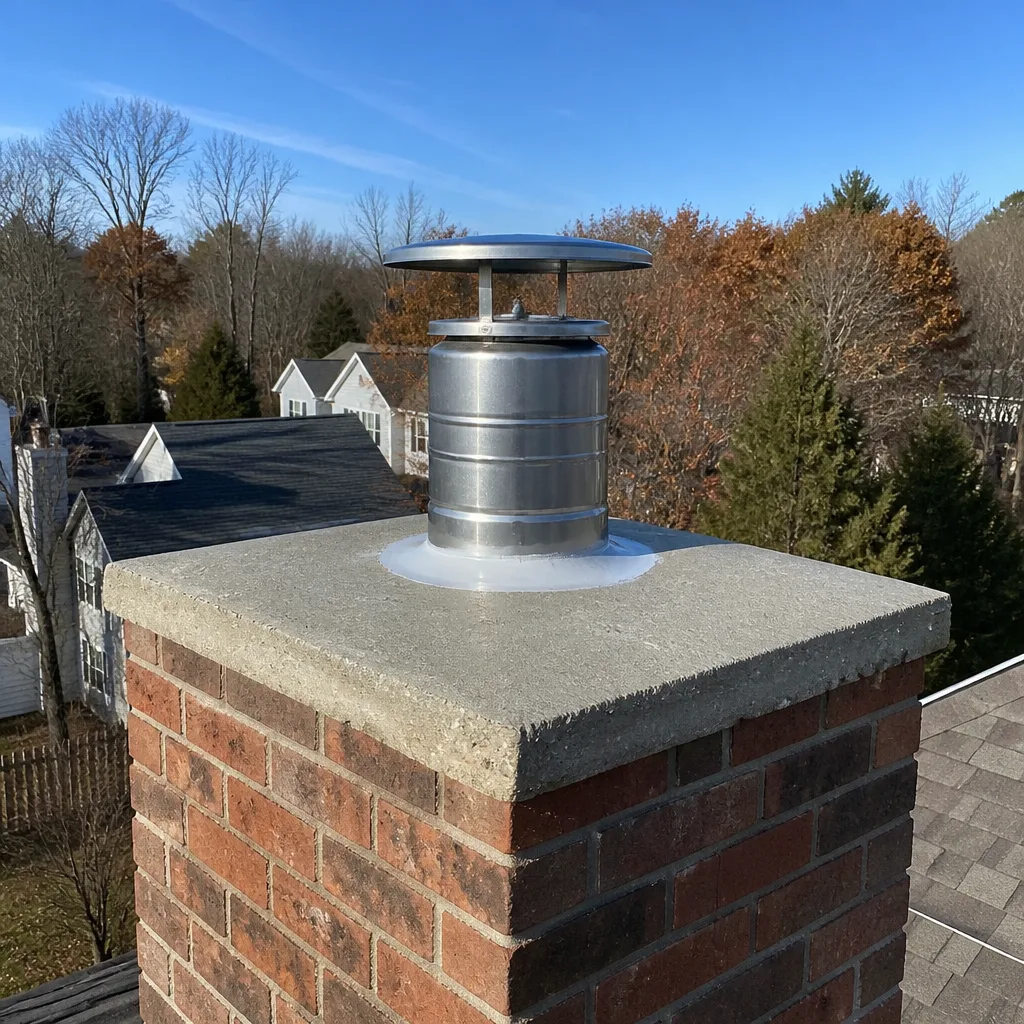
A sound chimney cap matters as well. A cap that’s sized wrong or half missing lets water and animals into the flue. In our experience, a properly fitted cap and a healthy crown together prevent the majority of the structural problems we’re asked to repair on Aliso Viejo chimneys. Products like Gelco and Famco caps and Copperfield crown work exist for exactly this reason. If you want to go deeper on the crown repair side, the chimney repair page covers the structural side in more detail.
Reading a Stucco-Exterior Chimney
Most Aliso Viejo homes wear stucco on the exterior, and chimneys follow the house. That’s common for the area’s residential construction, and it changes how you read failure signs. A brick chimney shows deterioration openly. A stucco chase hides the brick, so the visible surface is the first line of defense against water.
Here are the specific indicators to look for on a stucco-exterior chimney:
- Cracks in the stucco itself. A vertical crack at a chase corner can be cosmetic, or it can be telling you the framing behind it is moving. Check both sides of any crack.
- Bubbling or blisters in the stucco. These point to moisture trapped behind the finish, often a sign that the chase cover or flashing is leaking.
- Efflorescence. White, powdery staining on stucco indicates moisture moving through the wall. Not urgent on its own, but it points to what’s driving it.
- Rust stains below any metal component. Rust streaks below a chase cover or cap collar mean water is doing corrosion work. That’s a component to inspect sooner rather than later.
- Interior staining near the chimney. A stain on the ceiling or wall inside almost always has an exterior cause. That’s your first signal to have the exterior looked at, not the firebox.
When stucco has to come off around a chimney repair, the finish needs to go back on so the stucco seals the chimney properly again, because that surface is the weather wall. If repair work gets done without a proper seal at the end, water just finds the gap next. One call to a specialist who understands both the chimney and its finish keeps the repair doing what it was meant to do.
Checklist Items That Matter Less in Southern California
National chimney checklists are usually written for a cold-weather heating season, and many of their priorities are set by that. A few carry less weight in Aliso Viejo. Knowing which items to rank down keeps the checklist practical and worth following.
- Heavy creosote buildup as a default. Creosote is still a real concern, and it’s the top reason to sweep. But a fireplace that runs a handful of times a year simply won’t build creosote at the pace a snow-belt system does. Your sweep schedule should follow your inspection findings, not a “sweep every single year no matter what” rule.
- Winterizing the chimney. Advice about seasonal shutdowns, frost, and winterized dampers reflects conditions that don’t apply here. Southern California chimneys stay mostly usable through the year.
- Snow load or ice considerations. Weight from roof snow, or an ice dam forcing water sideways under the flashing, is not part of the local climate story. Moisture comes at your chimney from rain and from a sun-drying cycle, not from ice.
- Woodstove or furnace inspections. Solid-wood-burning fireplaces are the standard in Aliso Viejo homes. If you’ve added a woodstove or a gas insert, those change the inspection and venting protocol and should be handled separately.
- Chimney cleaning as its own ritual. National checklists sometimes treat cleaning as a yearly chore on a schedule. Here, sweeping is best decided by the inspection, because a light-use chimney can go a stretch with only a debris check.
The item that actually gains priority in Southern California is the exterior weather side: crown, cap, chase cover, flashing, and stucco. That’s the reverse of a cold-climate checklist, and it’s the adjustment that keeps your system healthy in this specific climate.
Building a Service Log That Protects Your System
A chimney service log is the piece almost everyone skips. It costs nothing to keep and pays off in three places: warranty support, insurance reviews, and knowing when the next inspection is due. Component warranties on caps and liners can be tied to documented installation and maintenance, so a missing log can complicate a claim. Some homeowners insurance carriers also want proof the system has been maintained when a policy is reviewed or a loss claim is filed.
Here’s what to log, one line per entry, kept in a single place:
- Date and service performed. Sweep, inspection, cap installation, repair, whatever it was.
- Component and brand installed. If a cap or liner goes in, record the brand and model, because the warranty follows the product.
- Condition findings. Creosote grade, liner condition, crown status, cap condition, and any notes the technician flagged for next time.
- Photo report reference. Keep the inspection photo report filed with or linked to the log. It’s the evidence for the warranty claim or the insurance review.
- Next inspection due. Note the date and set a reminder. That single line is the difference between an annual inspection and a four-year gap.
If you’ve bought a home that comes with a log from a previous owner, keep it. It’s the most useful thing you inherit about your chimney system, because it shows the actual condition history, not just the last technician’s snapshot.
How Often Each Item Actually Needs Attention
Frequency matters as much as the items themselves, and the right intervals depend on how the fireplace gets used. Here’s a working baseline for a low-to-moderate use fireplace in Aliso Viejo.
- Annual inspection: once a year, regardless of use. This is the one item that shouldn’t slip, because it’s how you catch the quiet problems.
- Sweep: when the inspection finds it’s needed. A loosely used fireplace may stretch beyond a year between sweeps, but if you burn often, plan on yearly.
- Crown and cap check: twice a year, at the start and end of fireplace season. This is the item most likely to change your inspection result between years.
- Chase cover and flashing look: twice a year, as part of the same visual pass. If you see rust, lifting, or staining, move the item to the technician’s list.
- Full photo-documented inspection: a proper one at purchase of a home, before a major repair, or once every few years as a baseline for the log. If you haven’t done one in several seasons, that’s the time to start.
- After any significant storm or high-wind event: a quick ground-level look at the cap and chase cover. Dents, lifting edges and missing caps all show up fast.
Two things can shift these intervals up: a change in how often you burn, and any observed change at the roofline. If you’ve started using the fireplace much more than before, or if the crown started cracking since last year, tighten the schedule. If your system is stable and lightly used, hold to the baseline.
Common Mistakes to Avoid
- Waiting for a smoking fireplace before scheduling an inspection. Most water-driven damage to an Aliso Viejo chimney starts quietly. By the time the fireplace smokes or the ceiling stains, the problem has had a season or two to develop.
- Treating the sweep as the whole checklist. A sweep cleans the flue, but it doesn’t inspect the crown, cap, chase cover, or flashing. Your checklist is the whole system, not just the flue.
- Bringing in a general handyman to “clean the chimney.” The cleanup may look fine on the surface. But a handyman won’t have the inspection equipment or the installation range for proper crown, cap, and liner work. That’s the gap that leaves problems found too late.
- Assuming the flue is fine because the firebox looks fine. The firebox is the most-visible part and the least-representative. Flue tiles, joints, and liners can all be deteriorating while the firebox interior still looks clean.
- Ignoring a crack that “is just cosmetic.” A small crack in the stucco at the top of a chase may be minor. A crack in the crown or chase cover that lets water in isn’t. Have it looked at once, so you know which it is.
- Skipping the service log. No log means no record of what was installed, when it was installed, and which brand the warranty follows. It’s a small habit that saves real trouble at warranty or insurance time.
- Assuming the schedule is annual no matter what. A lightly used fireplace in Aliso Viejo can need less. A heavily used one can need more. The inspection is what sets the schedule for the year ahead, not a fixed rule on a national website.
See the difference
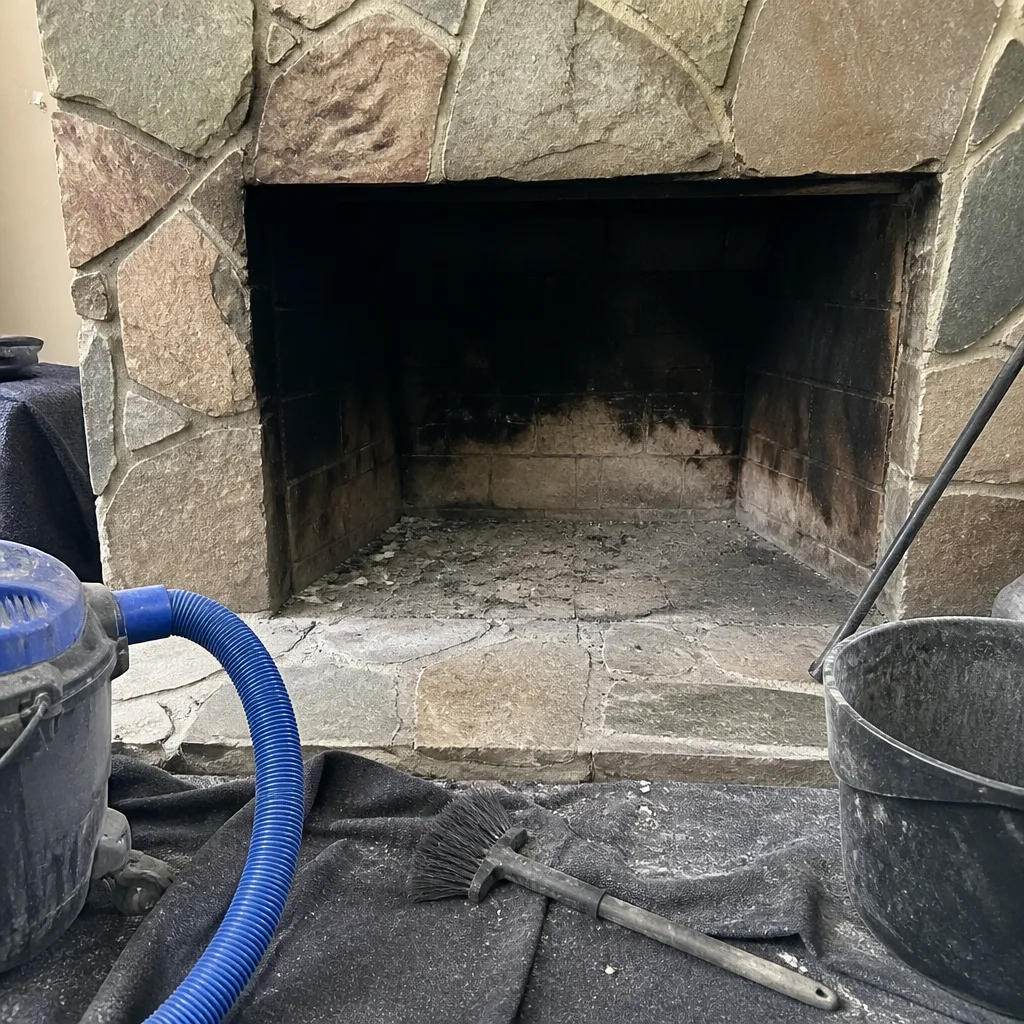 Before
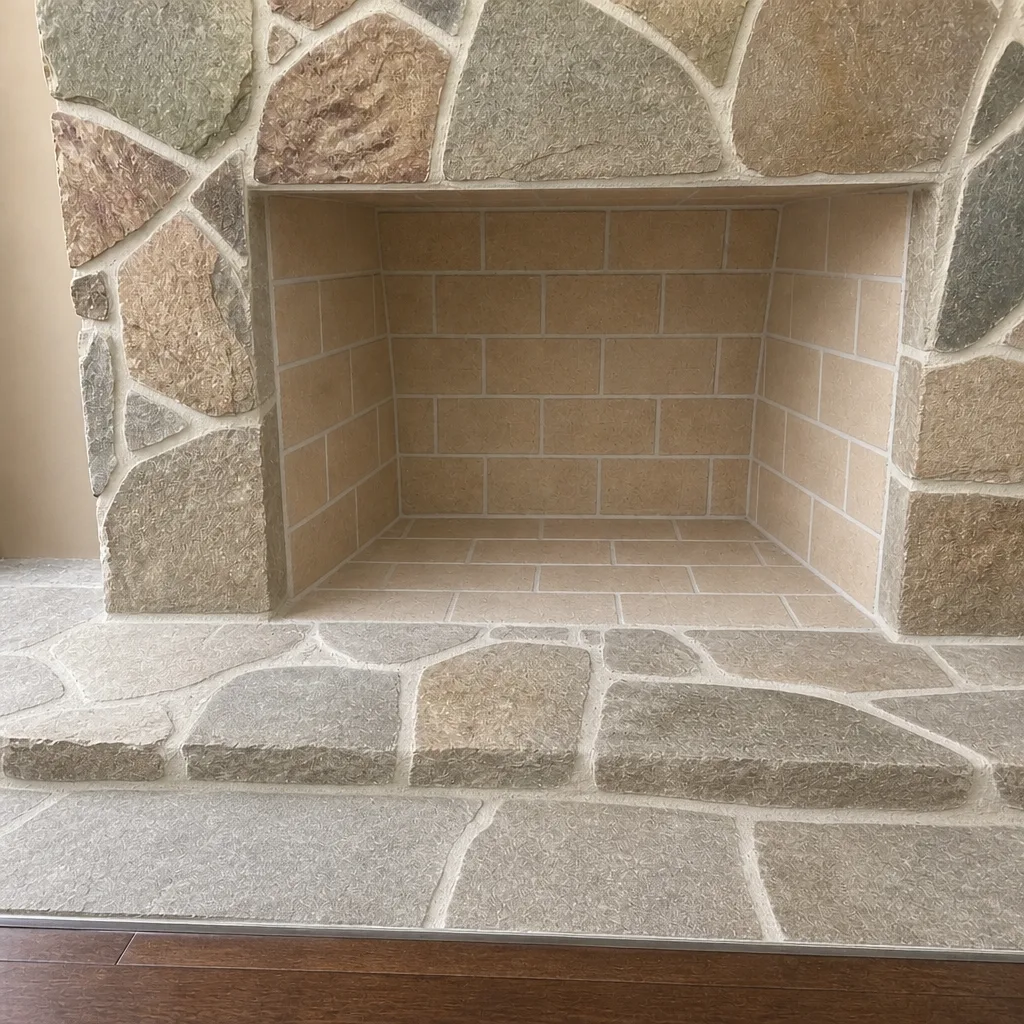 After
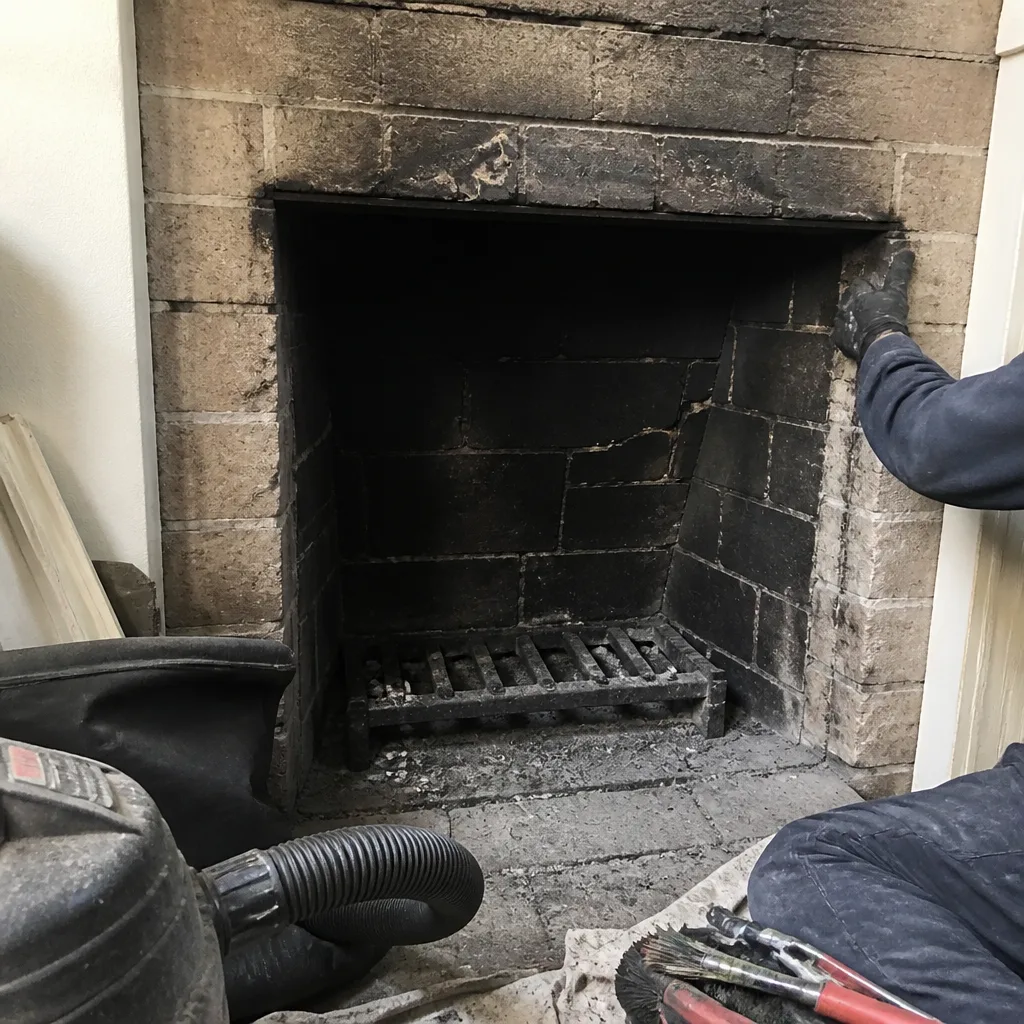 Before
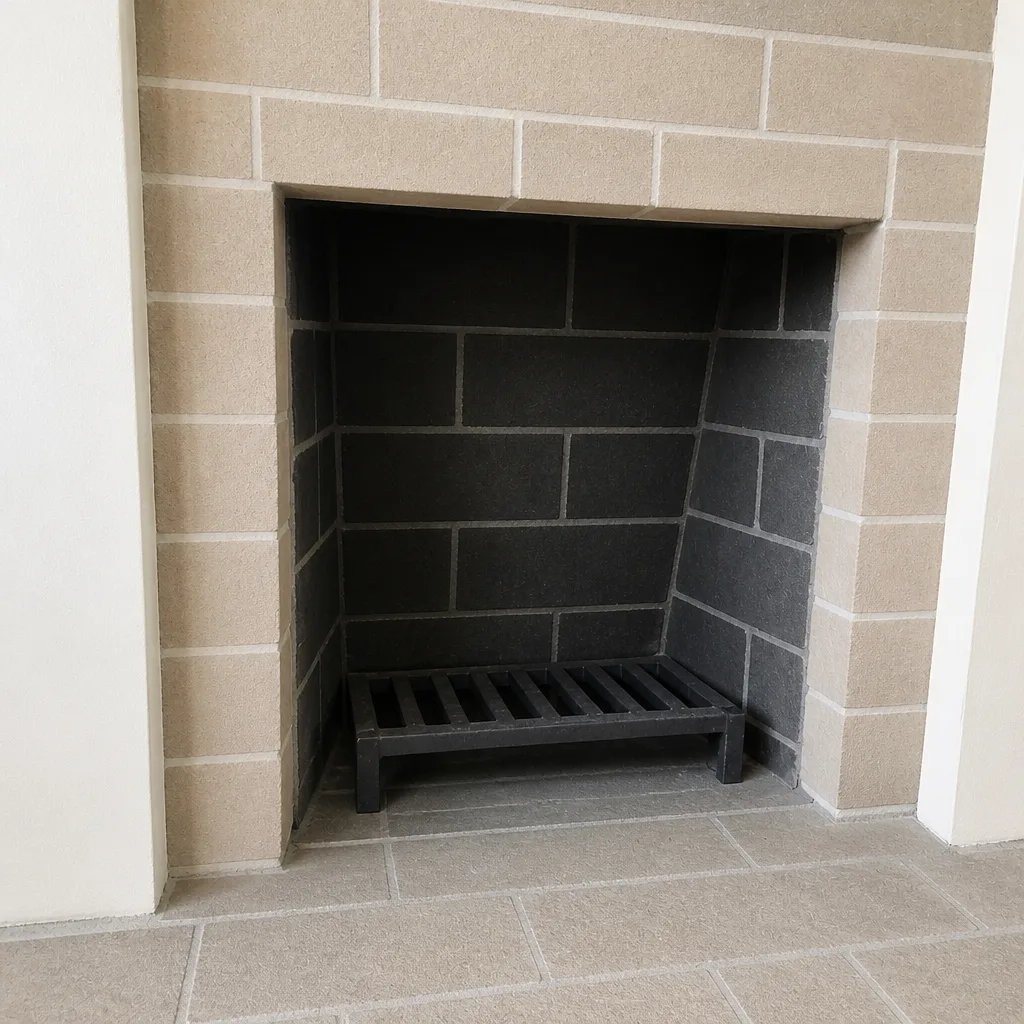 After
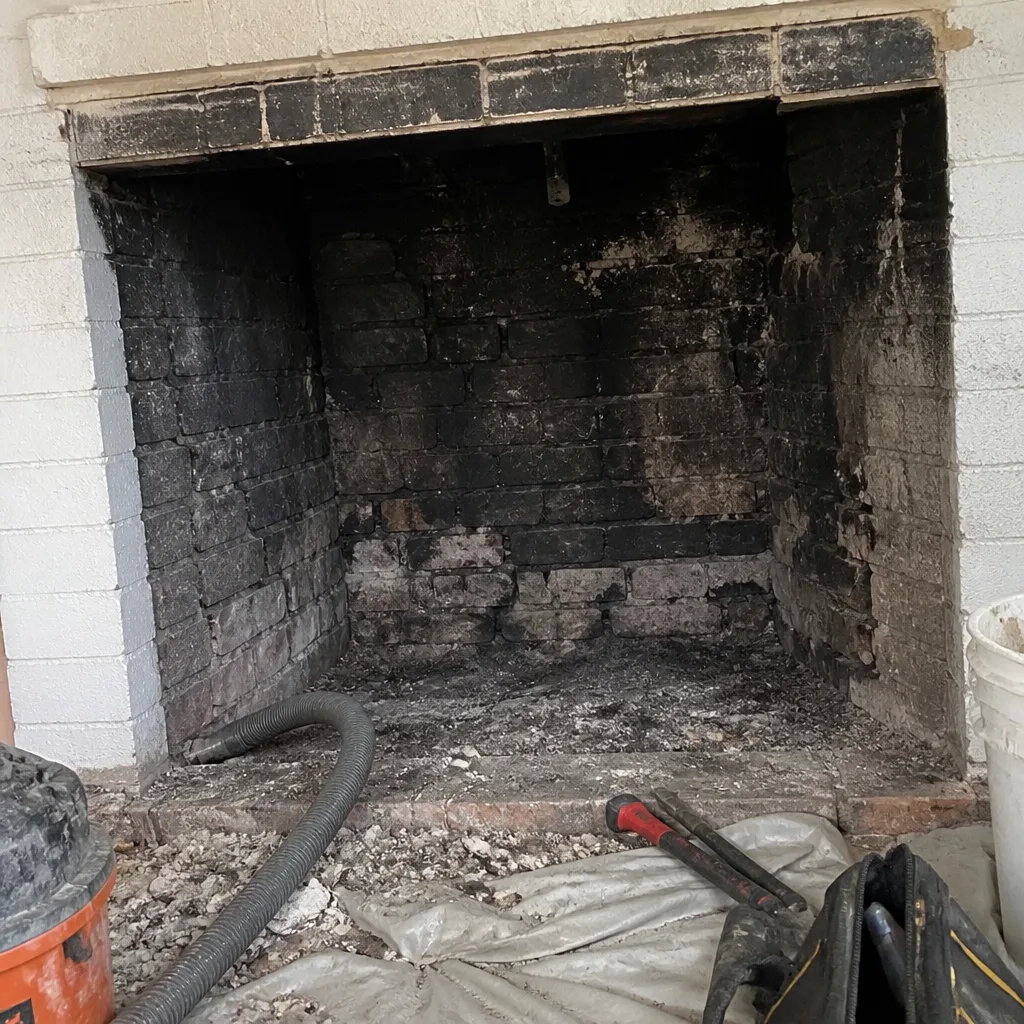 Before
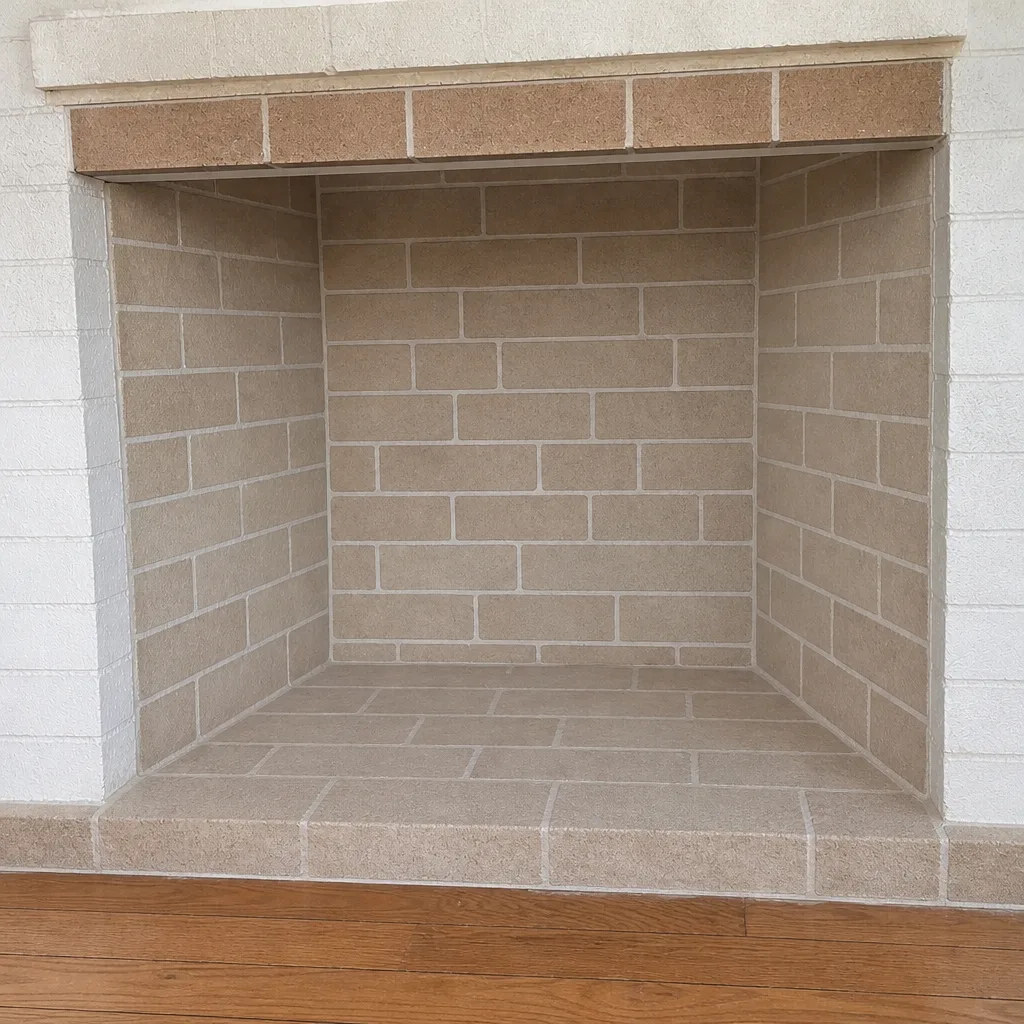 After
When to Call a Professional
A few situations are worth a call rather than continuing the DIY pass. If you see thick, sticky creosote or flaking material in the flue, that’s a sweep. If the crown has a visible crack or spalled surface, the chase cover is lifting or rusting, or the cap is missing or dented, those are technician items. If the fireplace smokes into the room, or you smell smoke when the fireplace is off, have the system checked before you light another fire. If you’ve just bought a home in Aliso Viejo and don’t have a service history, start with a full inspection. And if the fireplace has sat unused for a few seasons, plan on an inspection before you use it again.
Chimney Sweep Aliso Viejo offers free estimates in Aliso Viejo. Call (833) 482-6109. We answer 24/7. Fast dispatch from 7am to 7pm, Sunday through Friday.
Frequently Asked Questions
Chimney sweeps in Aliso Viejo generally come in a rough range depending on what the inspection finds and whether repair work is added. Sweeping alone is typically at the lower end; a sweep plus inspection with a documented photo report sits higher; any cap, crown, or liner work is priced per job on the estimate. Call (833) 482-6109 for an exact quote. Estimates are free.
For a fireplace in Aliso Viejo used a handful of times a year, the sweep can often be scheduled by what the annual inspection finds rather than a calendar rule. If you burn regularly through the season, plan on a yearly sweep. The inspection is the deciding factor, so the checklist order is inspection first, sweep second.
The most likely outcome in Aliso Viejo is quiet, incremental water damage at the crown and chase cover, followed by breakdown in the mortar and liner below. Creosote buildup is a real concern for fires with more use, but the low-use case here rarely produces the heavy creosote that drives the danger story. Skipping maintenance usually shows up as structural repair later, not as an immediate hazard. Call (833) 482-6109 to get a first inspection on the schedule.
Sometimes a liner needs replacing and sometimes it just needs resurfacing. The right answer depends on what a camera inspection actually shows, and a legitimate recommendation should come with photo evidence you can see for yourself. Materials like HeatShield and DuraFlex exist specifically so the right fix can be chosen for the specific condition, not forced to a single solution. If you’re told you need a new liner, ask to see the inspection photos first.
You can safely check the parts you can see without climbing or opening the flue: the fireplace opening, the firebox, the damper, the exterior crown and cap from the ground with binoculars, and the stucco for staining. Anything inside the flue past the first few feet, or on the roof itself, is a technician’s job. Don’t put your hands on mortar, liners, or the roof to inspect them.
For a low-use fireplace in this climate, yes, the crown and chase cover belong at the top of the list. Creosote is still the reason to sweep when it’s there, but a cracked crown or failing chase cover can do structural damage to a chimney that barely gets used. The annual inspection is what catches both, in the right order. Call (833) 482-6109 to book one; estimates are free.
The Bottom Line
An Aliso Viejo chimney maintenance checklist isn’t a copy of a national one. Start with water protection at the top of the chimney: the crown, the cap, the chase cover, and the stucco that shields the chase. Run the homeowner-observable check twice a year, before and after fireplace season. Have a trained technician handle the annual inspection and anything past the first few feet of the flue, using the photo report as proof. Log every service, component brand, and inspection finding so warranties and insurance reviews have the history they need. Then schedule the sweep when the inspection calls for it. It’s a small, steady routine, and it’s what keeps a lightly used Aliso Viejo fireplace sound through the years. Chimney Sweep Aliso Viejo offers free estimates. Call (833) 482-6109. We answer 24/7. Fast dispatch from 7am to 7pm, Sunday through Friday. Our technicians have up to 13 years of experience, and we work with professional-grade systems from HeatShield, DuraFlex, Gelco, Famco, Olympia Chimney, and Copperfield. For a full Chimney Sweep Aliso Viejo overview, a detailed chimney sweep walkthrough, or a fireplace repair consultation, we’re one call away.
Written by the team at Chimney Sweep Aliso Viejo.