
Last updated November 25, 2026
 Sweep & inspection
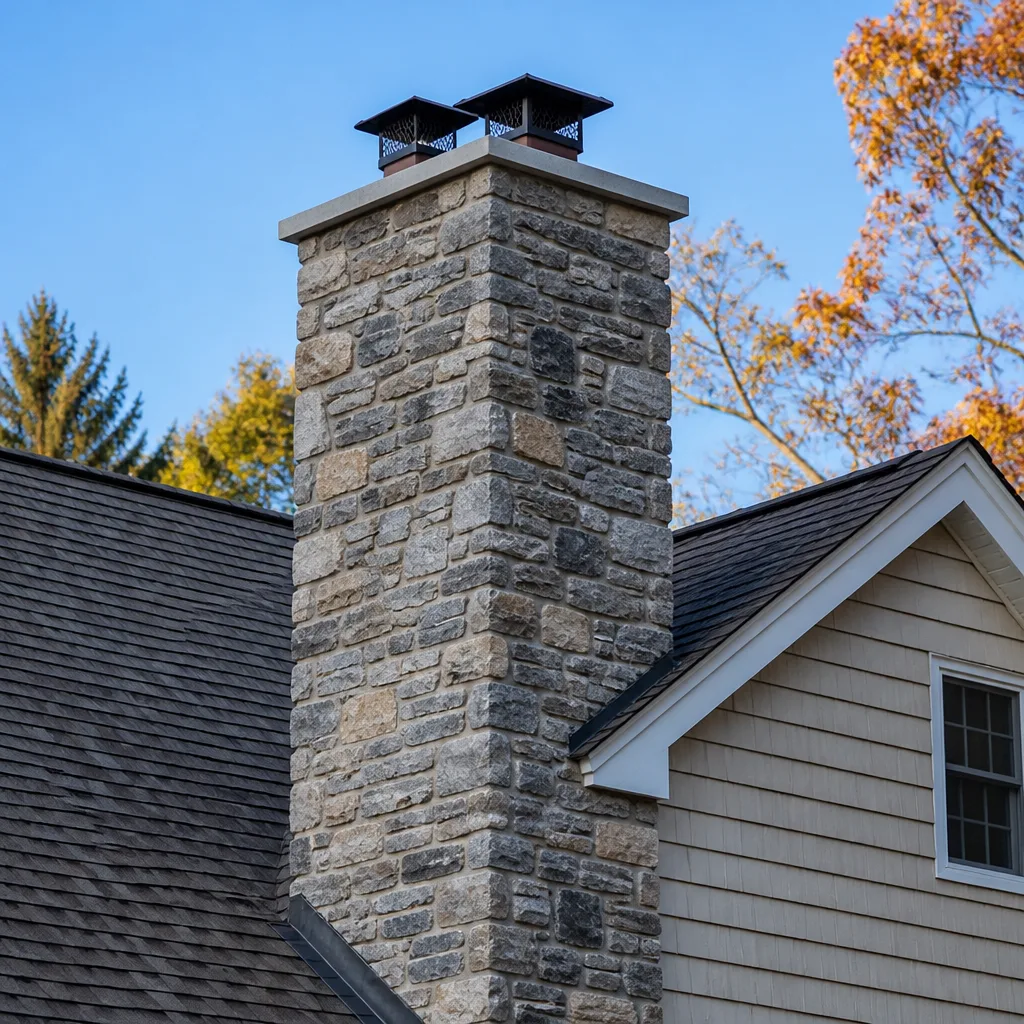
 Caps & crowns
 Flue relining
 Masonry repair
 Gas fireplace service
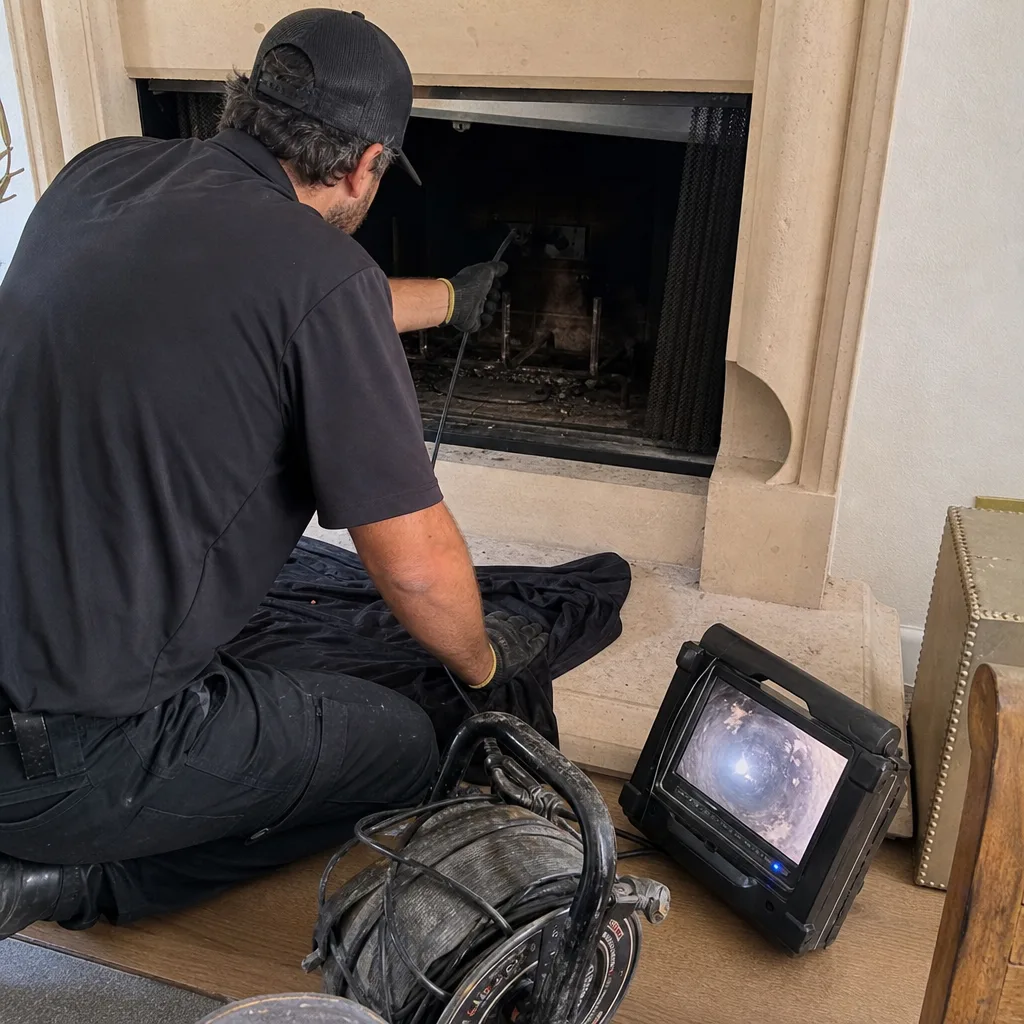
Level 1 sweep and inspection to the NFPA 211 annual standard - flue, crown, cap, and flashing checked and photographed
Chimney sweep logs do not sweep chimneys. They loosen some creosote - which then falls where a brush and vacuum still have to collect it.
DIY vs Professional Chimney Cleaning: The Aliso Viejo Homeowner’s Decision Guide
The debate over DIY chimney cleaning usually centers on the wrong question. A homeowner with the right brush set can absolutely remove loose stage-one creosote from a flue. What that homeowner cannot do is see the hairline crack in the tile liner three sections up, the failed damper seal, or the mortar joint separation behind the smoke shelf that the same brushing session would have exposed to a trained technician. In our experience across Aliso Viejo, the cleaning is less than half the value of the appointment. The other half is the assessment that comes with it. This guide covers exactly what you can safely handle yourself, what the tools actually cost, where the documentation gaps matter, and when reaching for a brush instead of a phone is a mistake.
Quick Answer
For most Aliso Viejo homeowners, professional chimney cleaning is the better choice because the sweep itself is the easy part – the inspection that should follow it is where the real value sits. DIY brushing can remove loose creosote from a straight flue, but it does not give you an assessment of liner condition, creosote stage, damper operation, or cap and crown integrity. Unless your flue is straight, accessible, lightly used, and you have a genuine reason to wait on a professional appointment, book the sweep and get the documentation that comes with it.
Styles & brands we work with
- Sweep & inspection
- Caps & crowns
- Flue relining
- Masonry repair
- Gas fireplace service
Table of Contents
- What DIY Chimney Cleaning Actually Removes (And What It Can’t)
- The Tools You’d Need, and What They Really Cost
- What a Professional Sweep Produces Beyond a Clean Flue
- Why DIY Creates Documentation Gaps That Matter in California
- When DIY Is a Reasonable Interim Measure
- When DIY Creates Genuine Safety Risk
- Aliso Viejo Context: Climate, Housing, and How Chimneys Age Here
- What to Expect From a Professional Appointment
What DIY Chimney Cleaning Actually Removes (And What It Can’t)
Creosote forms in three recognizable stages, and the difference between them is the whole argument. Stage one is a light, flaky soot that a brush removes without much trouble. Stage two is denser and stickier – a brush will drag some of it down, but it leaves a residue behind that builds with each fire. Stage three is a glazed, hardened deposit that fuses to the flue wall like tar. No homeowner-grade brush touches stage three.
Here’s what a homeowner brushing from the firebox or the roof can realistically accomplish:
- Remove loose stage-one soot from a straight, accessible flue
- Clear an obvious block from a bird’s nest or leaf pack at the top
- Knock down a light dusting of stage-two flaky deposits on straight tile
- Confirm whether smoke is drafting up rather than spilling into the room
And here’s what the same brushing session cannot do, no matter how careful the homeowner is:
- Determine the true creosote stage throughout the entire flue length
- Detect hairline cracks in clay tile liners that open up with heat
- Assess whether a stainless liner has separated at a joint
- Identify mortar joint separation behind the smoke shelf
- Verify damper seal integrity or the condition of the firebox panels
- Inspect the crown and cap from a roofline perspective
This is the crux of the DIY vs professional chimney cleaning question in Aliso Viejo. Cleaning is a task. Assessment is a skill and a set of tools. The two get bundled in a professional appointment, and separating them is what creates the blind spot.
The Tools You’d Need, and What They Really Cost
A serious homeowner approach to chimney sweep work is not a broom and a flashlight. A thorough job on a standard residential flue requires a specific set of gear. If you buy it, you’re buying several items once for a task you’ll repeat maybe once a year, and you’ll still lack the inspection capability that matters most.
The realistic shopping list:
- Polypropylene brush set – sized specifically to your flue interior dimensions. The wrong diameter tears tile or misses the wall entirely.
- Rods or a flexible cable – long enough to reach the full flue length from whichever access point you use.
- Roof access equipment – a proper ladder rated for the pitch and height of your roof, plus a stabilizer or standoff. Aliso Viejo homes usually have tile roofs, which are slippery and should never be walked without the right footing and care.
- Drop cloths and a HEPA shop vacuum – soot escapes into the room otherwise, and cleanup after a poor sweep is worse than the sweep itself.
- Respirator and safety glasses – creosote dust is a respiratory irritant.
- A strong inspection light and mirror – to see up the flue from the firebox side.
- A camera – because a visual from the top and bottom isn’t the same as documenting what you found.
Add up the gear, the ladder that meets safety requirements for roof work, and the vacuum that won’t blow soot back into your living room, and the total is real money. Compare that to a professional appointment that includes a sweep, an inspection, and a written record. For most Aliso Viejo households, the math favors the professional, especially once you count the tools you’ll use once and store forever.
What a Professional Sweep Produces Beyond a Clean Flue
A professional chimney sweep appointment is a full-system review, not a cleaning service with an inspection tacked on. The output is a record – a document that says what was found, what stage of creosote was present, and what condition the components are in. That’s the difference between “the chimney is clean” and “the chimney is safe and here’s the evidence.”
What we deliver on a professional appointment includes:
- A documented creosote stage assessment – stage one, two, or three, recorded for the flue you actually have.
- Liner condition notes – cracks in clay tiles, gaps in stainless seams, signs the liner is due for resurfacing or replacement.
- Firebox and damper assessment – is the damper sealing, are the firebox panels intact, are the refractory bricks in good shape.
- Cap and crown inspection – the roofline components most likely to admit water and drive structural damage.
- Draft performance notes – does the chimney draft as it should, and if not, why.
- A written record you keep – for your own files, for an insurance review, for a future home sale.
When the assessment turns up a deteriorated flue, we bring HeatShield flue resurfacing into the plan – the repair your liner needs before the cracks get worse. HeatShield is applied in place to restore a deteriorated flue surface without full liner replacement in the appropriate cases. It’s a repair-tier skill, and it’s part of covering your entire chimney system – not just the flue – in a single relationship. From the sweep to a chimney repair to a cap and crown job, one call covers what would otherwise take two contractors and a coordination headache.
Why DIY Creates Documentation Gaps That Matter in California
When you clean your own chimney, no third party documents anything. There is no written record of what was found, no creosote stage assigned, no note of liner condition, no roofline observation. That gap can surface at exactly the wrong moment – months or years later, when someone else is asking you to prove something about your chimney.
Three scenarios where documentation matters most:
Insurance claims
If a chimney fire or smoke event ever leads to a claim, the insurer typically wants to see maintenance history. A professional sweep produces the written record that answers that question. A homeowner’s memory of “I brushed it myself last spring” is not the same as a documented appointment with an assessment.
Real estate disclosure
California home sales involve a transfer disclosure statement, and chimney condition is one of the items a buyer’s inspector will look at. A recent professional inspection record on the property answers buyer questions before they become negotiation pressure. A DIY cleaning leaves a blank where the buyer would prefer to see a document.
Homeowner association and city review
Aliso Viejo has a substantial HOA footprint and the city reviews exterior modifications. If a cap, crown, or chimney component has been altered, a documented service history is easier to defend than a homeowner’s recollection of what was installed and when.
None of this means every homeowner needs a professional sweep every year. It does mean that if the chimney is part of a sale, an insurance review, or a question you’d rather not answer from memory, the DIY route leaves you without the paper trail that would have helped.
When DIY Is a Reasonable Interim Measure
There are real scenarios where a homeowner brushing the flue between professional appointments is fine. DIY is a reasonable interim measure when the flue is simple, accessible, and the purpose is housekeeping rather than assessment.
Legitimate DIY use cases:
- A straight, tile-lined flue on a fireplace you burn lightly – a few fires a season – that was professionally inspected at its last appointment
- Clearing a visible bird’s nest or leaf pack from the flue cap before the burning season starts, with no flame present
- Removing light stage-one soot after a single season of softwood fires where the previous professional assessment showed no liner issues
- An interim brush to keep creosote from accumulating between professional appointments you’re already scheduled for
- Lifting and reinstalling a cap that’s come loose in a wind event before the next scheduled visit
The common thread in all of these is that a professional has already assessed the system, you’re not relying on the DIY work to make a safety judgment, and the job is genuinely within the limits of a homeowner brush. Where those conditions aren’t met, the DIY brush starts to substitute for a real assessment, and that’s where it stops being housekeeping.
For homeowners who do burn regularly, the standard guidance is a professional sweep and inspection annually. Skipping that and brushing yourself doesn’t reset the clock on the inspection, it just defers it.
When DIY Creates Genuine Safety Risk
Most chimney work can be approached carefully, but there are specific conditions where a homeowner reaching for a brush is a mistake. If any of the following applies, stop and call a professional. The risk is not hypothetical in these cases.
- Stage-three glazed creosote is present. This hard, tar-like deposit fuels chimney fires and requires chemical treatment or specialized equipment to remove. A brush session can worsen the situation by driving it deeper into cracks.
- The liner is cracked, spalled, or of unknown condition. Working a brush through a compromised liner can dislodge tile fragments or further damage a stainless seam. That damage is structural, not cosmetic.
- The chimney has known drafting problems. Smoke spilling into the room signals a system issue – blocked flue, pressure imbalance, or a deteriorated liner. Not a cleaning problem.
- There is a chimney fire history. Even a small chimney fire can crack tile liners and heat-damage mortar. The system needs a proper inspection before any further brushing.
- Roof access is unsafe for the conditions. Aliso Viejo roofs are frequently pitched, tiled, and at heights where a fall is a serious event. If you don’t have the right ladder, stabilizer, and footing, don’t go up.
- The firebox or damper is visibly damaged. Damaged components can fail during brushing, and the repair needed is beyond a sweep – it’s a fireplace repair.
- You can’t see the full flue length. Angled or offset flues hide sections that brushing cannot reach from the firebox side, and those are the sections where cracks and blockages live.
Carbon monoxide is the hazard that doesn’t announce itself. A blocked or cracked flue that vents poorly can let combustion gases enter living space instead of going up and out. The people most at risk are the ones who don’t realize the chimney has a problem. That is exactly the scenario a professional inspection is designed to catch before it becomes dangerous.
Aliso Viejo Context: Climate, Housing, and How Chimneys Age Here
Aliso Viejo’s mild winters shape chimney use in ways that are easy to overlook. Because the heating season is gentle, many homeowners don’t burn heavily, and the chimney accumulates creosote more slowly than in cold-climate markets. That sounds like good news, and it partially is – but lighter use is precisely the pattern that makes someone feel comfortable skipping an annual appointment, when the accumulated creosote stage and liner wear don’t actually reset just because the fires were fewer.
Two local factors matter when you’re weighing DIY vs professional chimney cleaning in Aliso Viejo:
The housing stock ages the same way everywhere
Aliso Viejo’s master-planned neighborhoods, from the Westpark side over toward the hills, went up in specific development waves, and the clay tile liners and manufactured fireplaces installed in those homes are now at an age where small cracks and mortar joint separations are common. These are exactly the conditions a brush cannot assess, because they don’t show up until you look at them with a light and a trained eye.
Tile roofs and roofline details
Many Aliso Viejo homes have concrete tile roofs, which are excellent for weather resistance but unforgiving when walked. Roof access for a professional sweep is careful work, and a homeowner attempting it without the right footing is taking a genuine risk. The cap and crown components up there are also the most likely spot for water intrusion to start, which is why a professional appointment on an Aliso Viejo home usually includes a roofline look as part of the assessment.
Heavy rainy-season weather arrives in the cooler months and washes a surprising amount of debris into caps and crowns that went a dry summer without being looked at. Late summer, before fall, is a sensible time to book a sweep and inspection, so any roofline issue is caught before the rains and before you start burning again.
What to Expect From a Professional Appointment
A professional sweep is a much longer appointment than a homeowner’s brush session, and the time goes into assessment, not just cleaning. Here’s how a thorough visit typically unfolds.
- Visual assessment first. Inspect before you sweep, repair before you light. The technician looks at the firebox, damper, smoke shelf, and flue before any brushing happens, so nothing gets disturbed before it’s assessed.
- Sweep the flue. Appropriate brush for the flue interior, working from either the roof or the firebox depending on the setup, with drop cloths and a HEPA vacuum in place so the room stays clean.
- Creosote stage determination. Only after the sweep can the technician accurately assign the stage – and stage determines whether a chemical treatment or resurfacing is needed.
- Liner condition assessment. Light and mirror up the flue from below, camera where needed, to look for cracks, spalling, and separation. When the liner shows deterioration, HeatShield resurfacing is often the right call before cracks get worse.
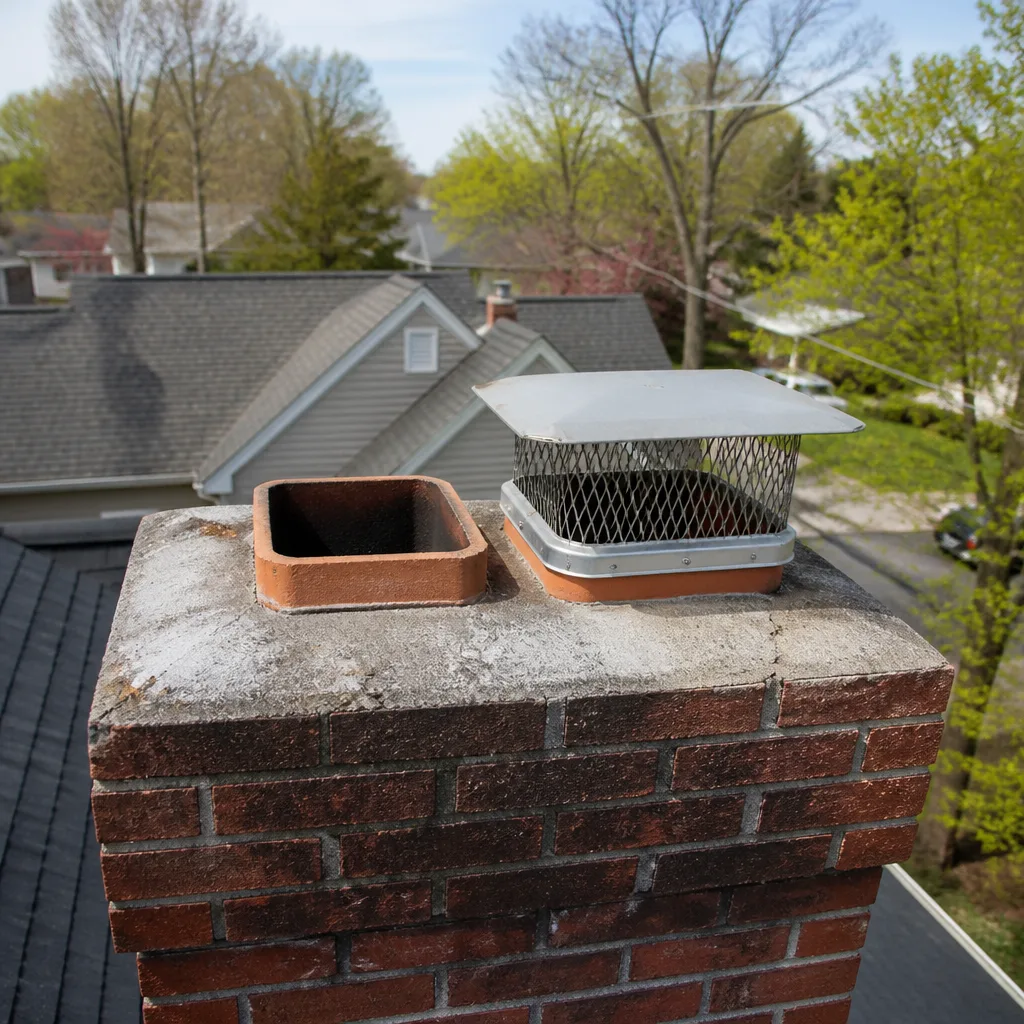
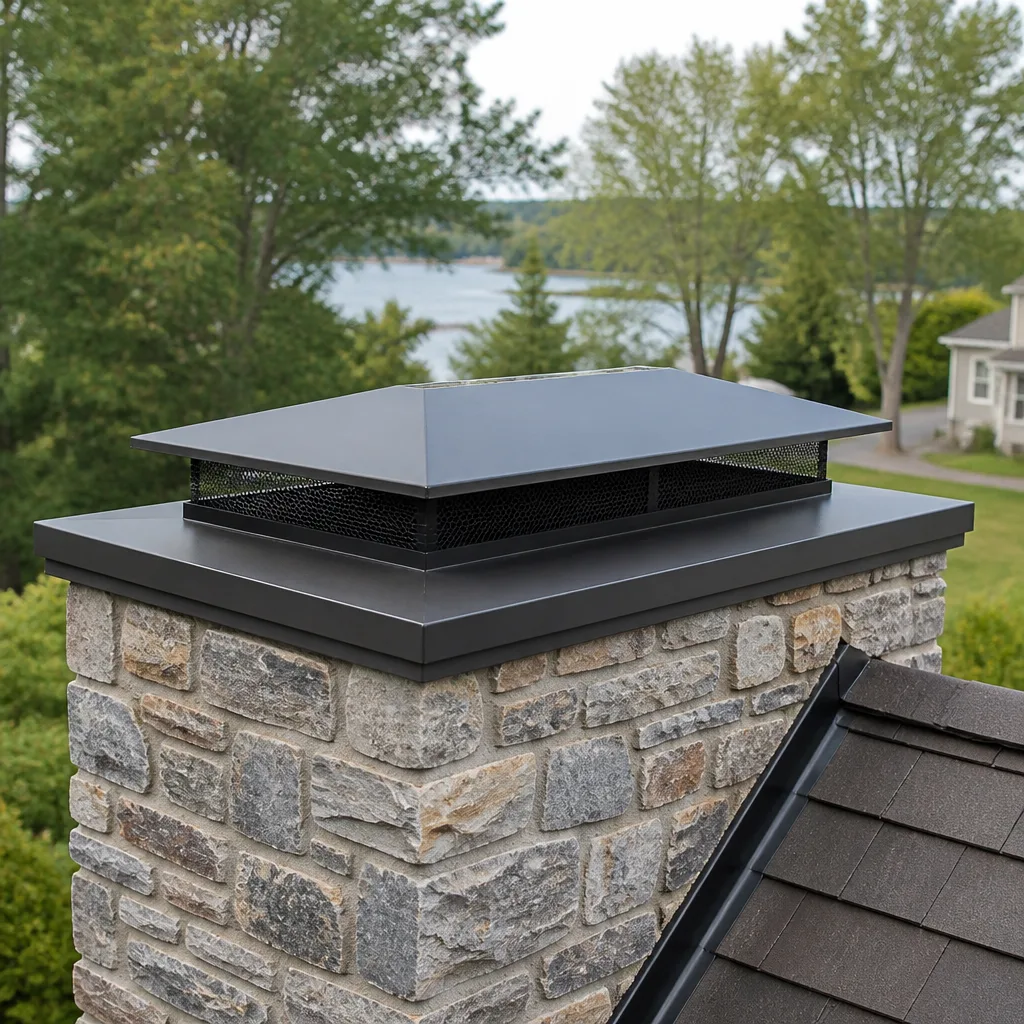
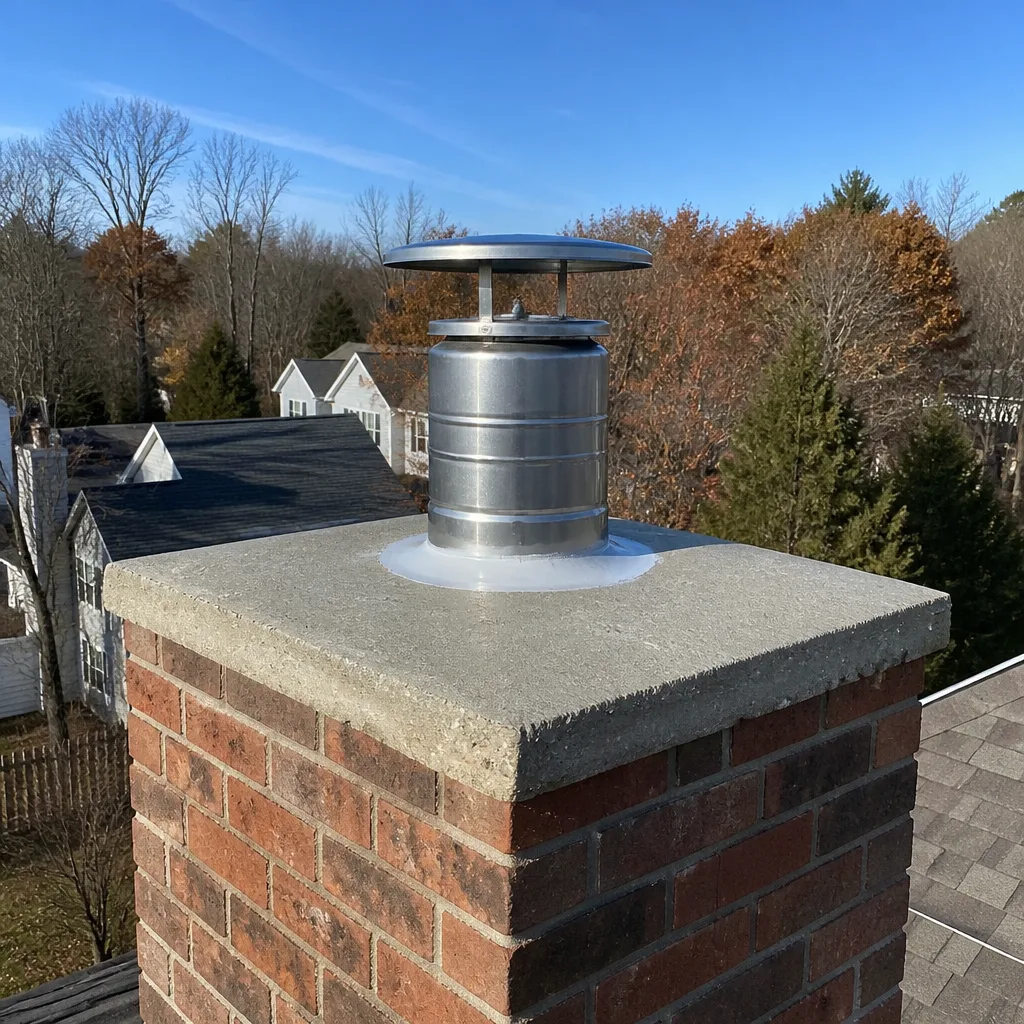
- Roofline review. Cap and crown condition, with an eye for signs of water intrusion. Chimney cap installation stops water damage at its source, and Gelco, Famco, Olympia Chimney, and Copperfield are the professional-grade cap and component brands we work with.
- Written record. A documented summary of what was found and what, if anything, is recommended. Nothing is recommended without evidence you can see for yourself, and we tell you plainly when work can wait.
The full visit is why a professional appointment for Aliso Viejo chimney cleaning is measured in assessment value, not minutes. What you get for the cost is a record and a baseline, not just a clean flue.
Common Mistakes to Avoid
- Buying the wrong brush diameter. A polypropylene brush that’s oversized for your flue tears tile, and one that’s undersized misses the walls. If you’re going to DIY, size the brush to the actual flue dimensions before you start.
- Brushing stage-three creosote. Dragging a brush through glazed creosote can drive it deeper into tile cracks and make removal harder. Stage three needs chemical treatment or specialized tools, not a homeowner brush.
- Treating the cleaning as an inspection. The biggest mistake in DIY vs professional chimney cleaning is assuming that because soot came out, the flue is fine. Cracks, seam separations, and mortar joint failures are invisible from the firebox side unless you’re looking for them with the right tools.
- Skipping a sweep because the fireplace hasn’t been used much. Lighter use means slower accumulation, not none. Aliso Viejo’s mild winters can make a chimney look cleaner than the creosote stage and liner wear suggest.
- Standing on a tile roof without a stabilizer. Tile roofs are slippery even when dry. A fall from a roofline is a serious injury, and roof-access safety is one of the reasons a professional appointment is worth it.
- Losing the paper trail. A DIY cleaning produces no document. If you’re prepping for a sale, an insurance review, or a buyer’s inspection, that gap becomes a problem at the worst time.
- Assuming a cap or crown is fine because it “looks okay from the ground.” Roofline components are inspected up close for a reason. Cap and crown failures are the most common path to structural water damage in the chimney.
See the difference
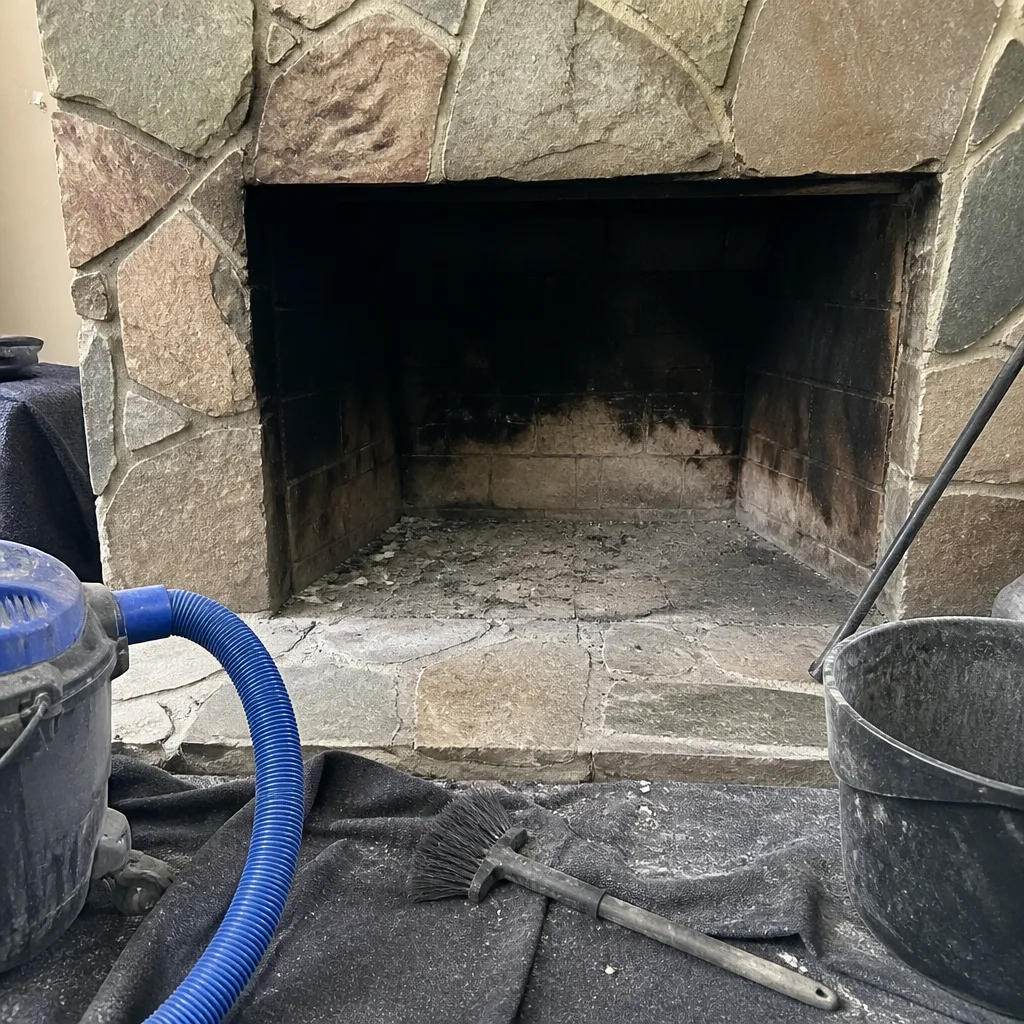 Before
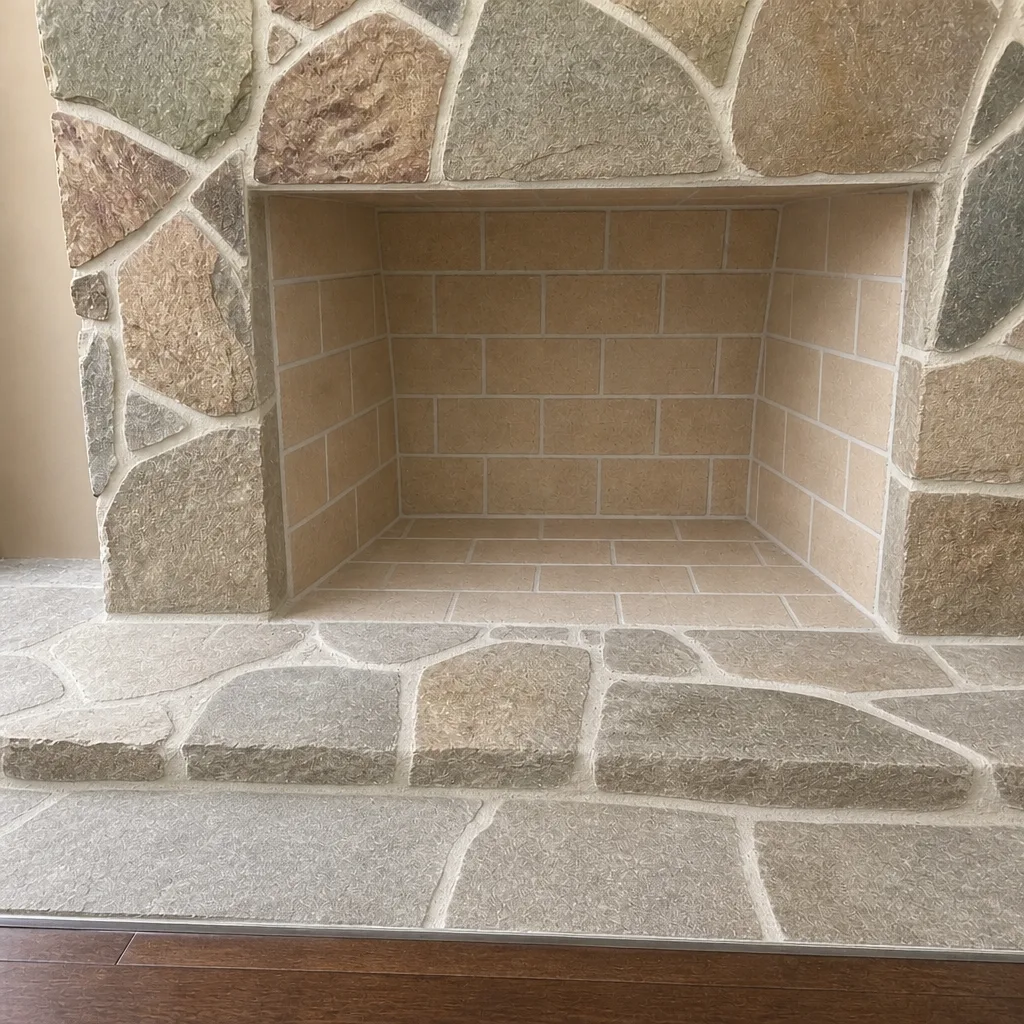 After
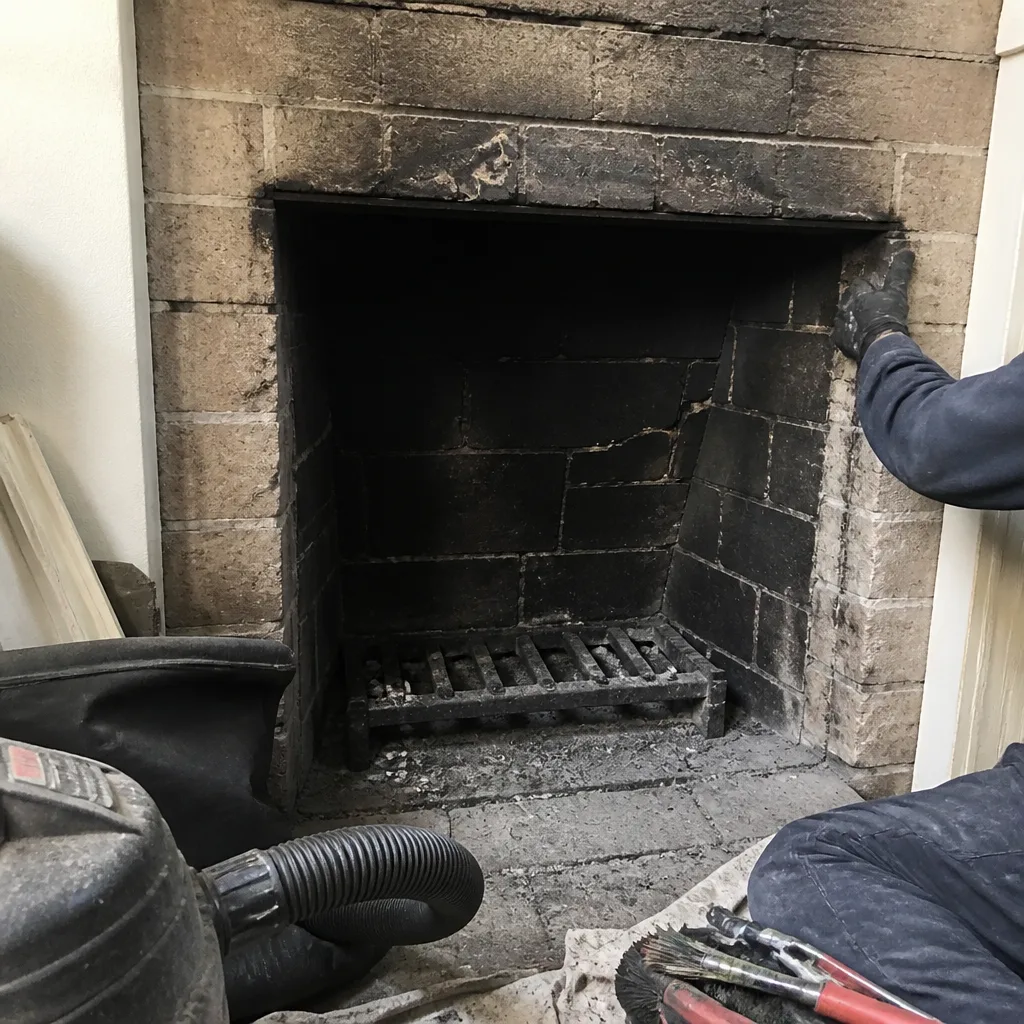 Before
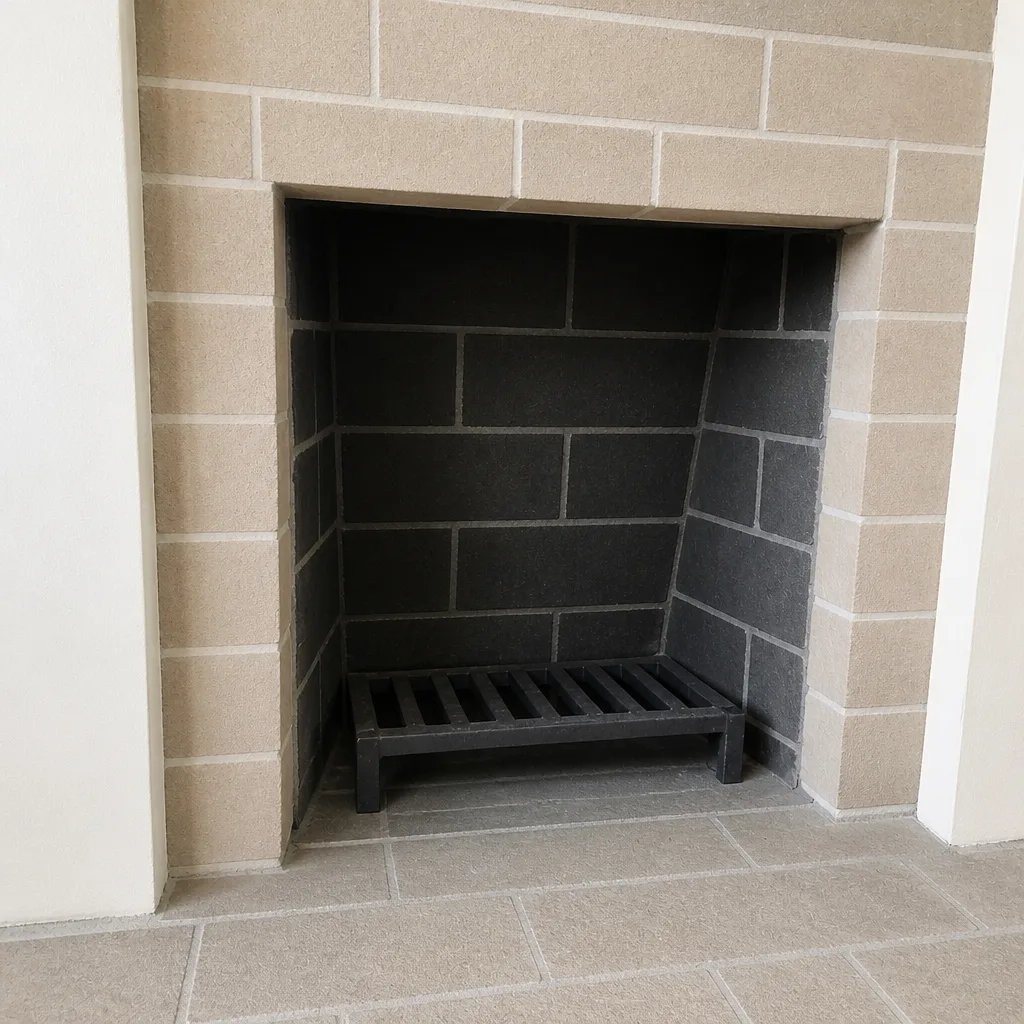 After
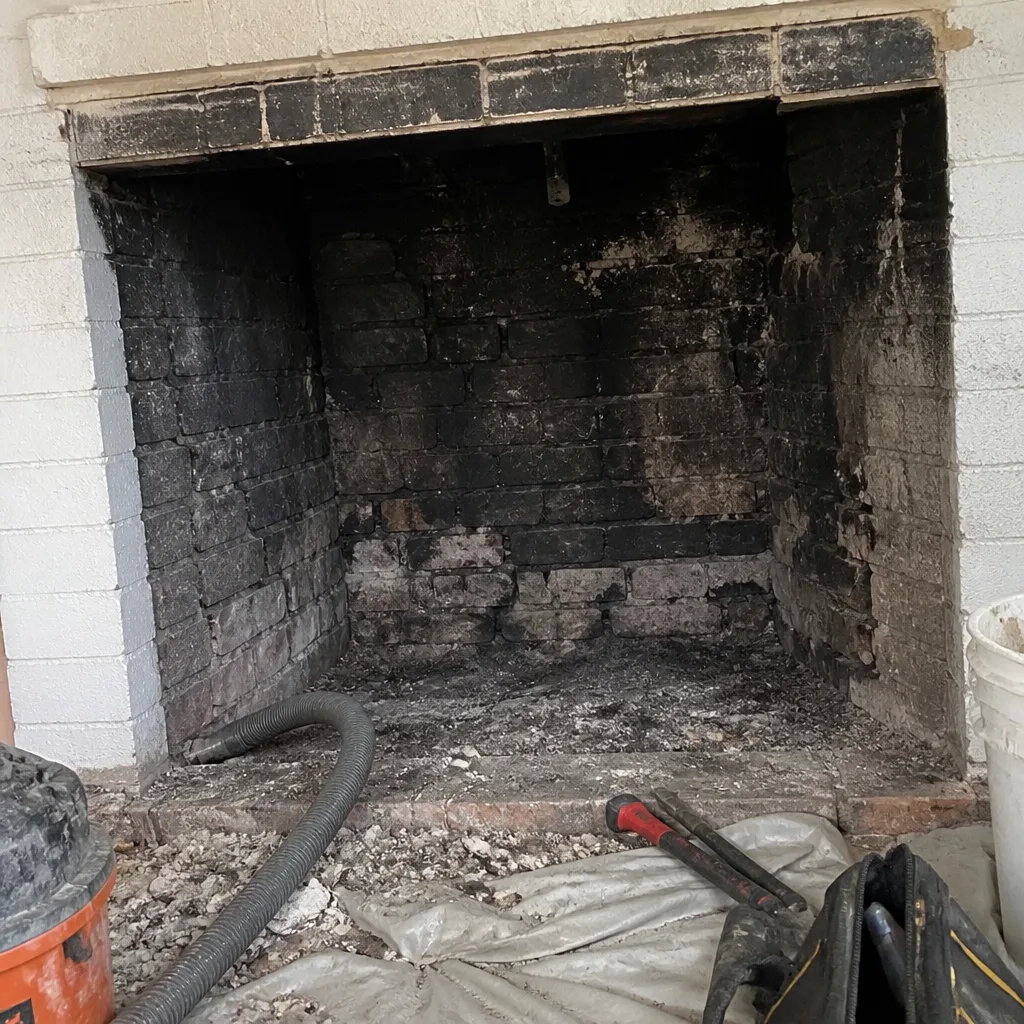 Before
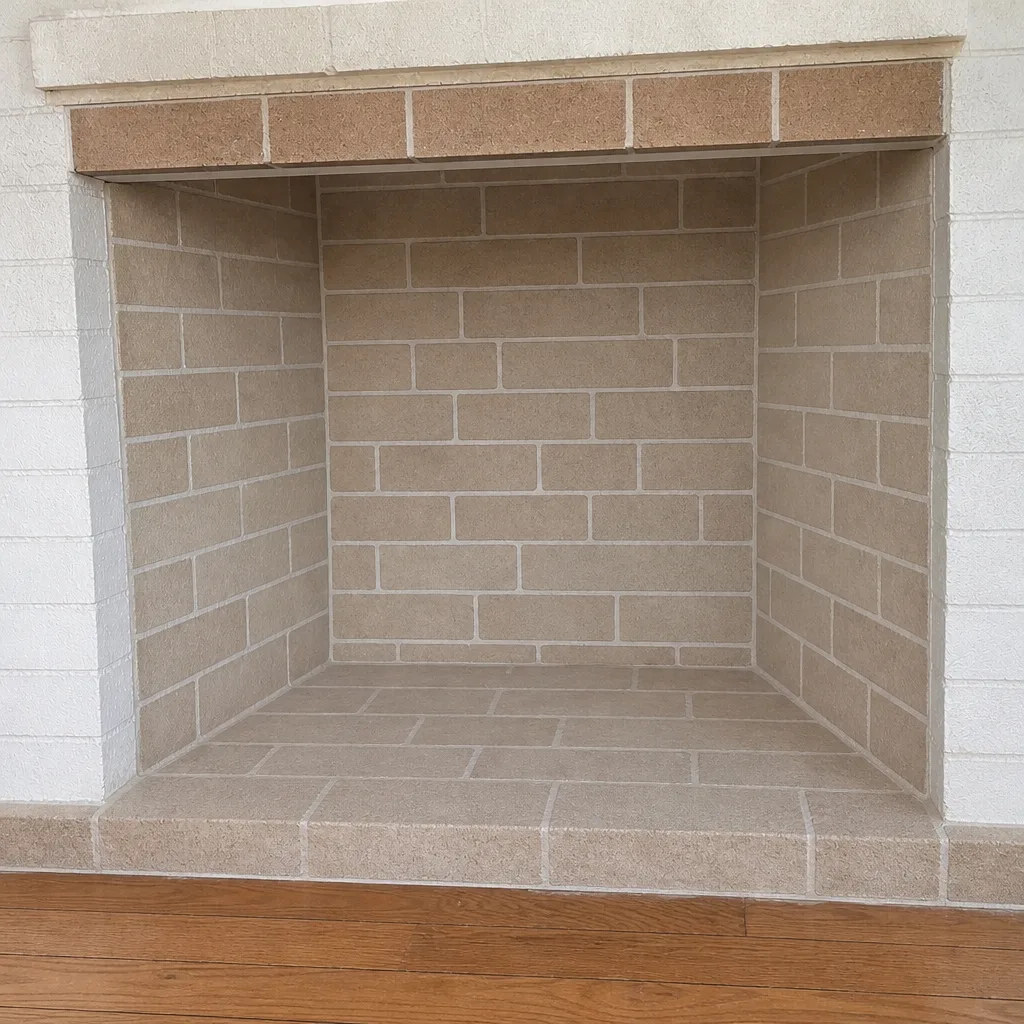 After
When to Call a Professional
Call a professional for chimney cleaning in Aliso Viejo whenever any of these apply: you can’t see the full flue length from the firebox, the creosote looks glazed or hard, the chimney has had a fire (even a small one), the liner is of unknown age, you’re preparing to sell the home, an insurer is asking for maintenance history, or you just don’t have a documented appointment on file. Call us when the DIY brush feels like a substitute for a safety judgment rather than light housekeeping. Chimney Sweep Aliso Viejo offers free estimates in Aliso Viejo – call (833) 482-6109. We answer 24/7. Fast dispatch from 7am to 7pm, Sunday through Friday.
Frequently Asked Questions
Chimney sweep pricing is set per job by a written estimate after we see the flue, and the estimate itself is free. Because system condition, flue configuration, and creep of creosote stage all affect the work, we don’t quote a one-size number before looking. Call (833) 482-6109 for an exact quote – estimates are free.
You can remove loose stage-one soot from a straight, accessible flue with a properly sized brush, and that’s a reasonable interim measure between professional appointments. What you can’t do is assess whether the flue has cracks, seam separation, stage-two buildup above the brick line, or a compromised cap and crown. The cleaning is what a brush does; the assessment is what a trained technician adds. Call (833) 482-6109 if you’re unsure whether your flue is safe to brush.
For regularly used fireplaces, annual sweeping and inspection is the standard. Aliso Viejo’s mild winters slow creosote accumulation compared to colder markets, but they don’t eliminate it, and liner condition ages regardless of burn frequency. If you’re not sure when the chimney was last seen, book an appointment and start a documented record. Call (833) 482-6109 to schedule.
That’s a question only an inspection can answer, and the answer depends on cracks, spalling, and joint separation. When the flue is deteriorated but not beyond saving, HeatShield flue resurfacing can restore the flue surface without a full liner replacement. We don’t recommend a liner without evidence you can see, and we’ll tell you plainly when the current liner has life left. Call (833) 482-6109 for an inspection estimate.
Creosote builds with each fire, and when it reaches stage three it becomes fuel for a chimney fire – a hazard that doesn’t give warning. Cracks in the liner can also let combustion gases escape into living space, which is a carbon monoxide risk. Skipping the cleaning isn’t the same as skipping the fire risk. Call (833) 482-6109 to get on the schedule.
Yes, it can. Insurers and buyers both tend to look for documented maintenance history, and a professional sweep produces a written record of creosote stage and liner condition that a DIY cleaning doesn’t. If a claim or a sale is in your future, the documentation gap is the real downside of DIY. Call (833) 482-6109 to start a professional record.
The Bottom Line
The DIY vs professional chimney cleaning question has a clear answer for most Aliso Viejo homeowners: the cleaning is easy, the assessment is not, and the assessment is the part that protects your home. A brush can remove loose creosote. It cannot see the hairline crack, verify the damper, judge the creosote stage, or document the liner for your files. If your fireplace is used regularly, if the liner is of unknown age, if a sale or an insurance review is on the horizon, or if anything about the flue is uncertain, book the professional appointment. Your entire chimney system gets looked at – not just the flue – and you come away with a written record and a clean flue you can actually trust.
If you’re ready to move past the brush, call Chimney Sweep Aliso Viejo at (833) 482-6109 for a free estimate. We answer 24/7. Fast dispatch from 7am to 7pm, Sunday through Friday. Whether it’s a routine Chimney Sweep Aliso Viejo appointment or a full system review ahead of a sale, one call covers your sweep, your inspection, your cap, and your crown.
Written by the team at Chimney Sweep Aliso Viejo.